

 vi
vi 28-Jun-2026
 32,965
If you are considering EVO ICL surgery to correct your vision, one of the most common questions you may have is: “What is the actual surgical and recovery process like?”
The answer? It is surprisingly quick, comfortable, and life-changing. This article explains everything you need to know before, during, and after Phakic ICL surgery, helping you feel confident and understand every step of your treatment journey.
Everything You Need to Know About Phakic ICL Surgery and the Recovery Process
What Is Phakic ICL Surgery?
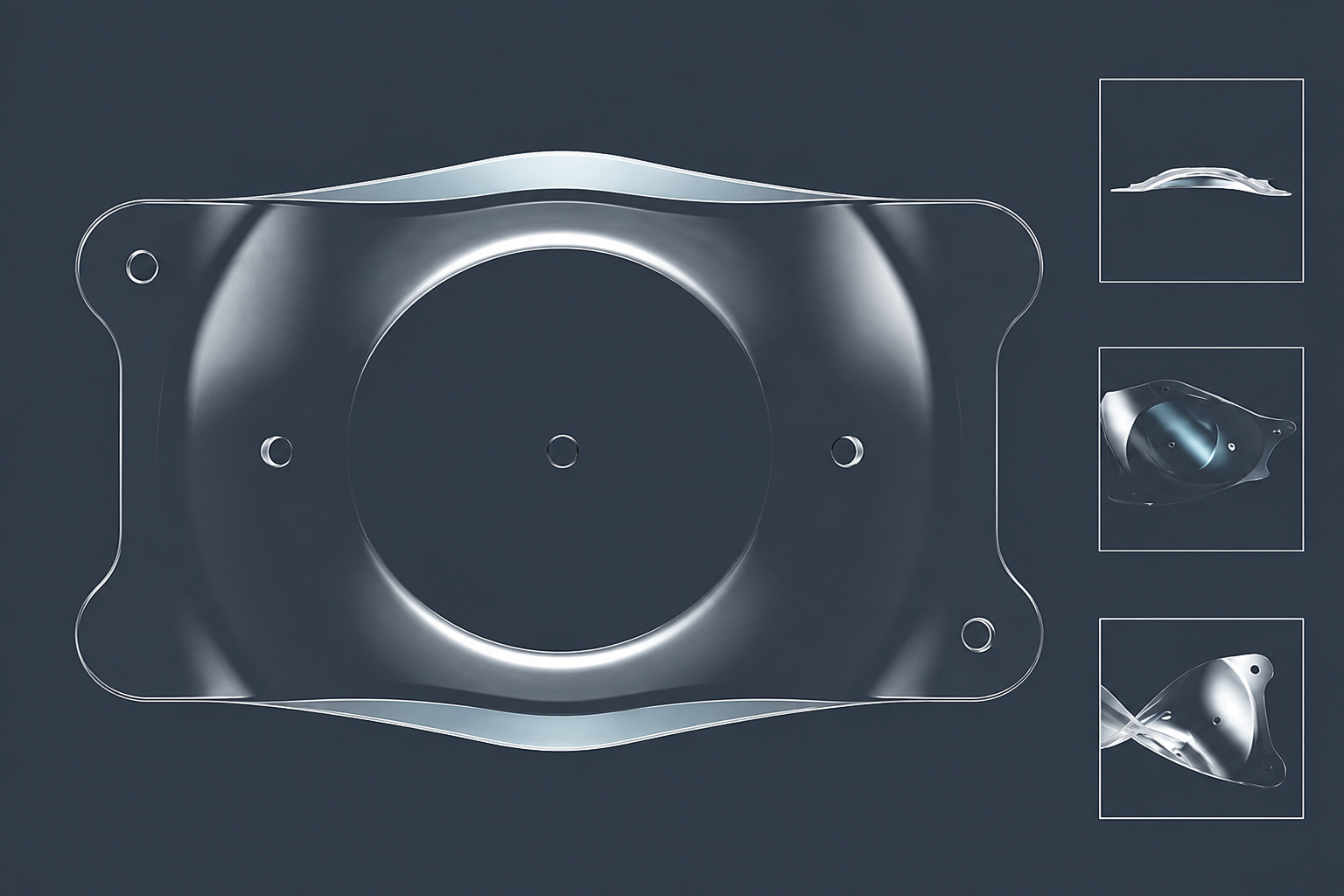
Phakic ICL (Implantable Collamer Lens) is a permanent, flexible lens implanted inside the eye, between the iris and your natural lens, to correct myopia and astigmatism. Unlike LASIK, it does not require reshaping the cornea or removing corneal tissue, making it an ideal option for patients with thin corneas, dry eyes, or high myopia.
Think of EVO ICL as a high-tech, invisible contact lens placed inside your eye, providing clear vision without the need for daily maintenance.
Before the Procedure: Consultation & Preparation
Step 1: Consultation
Your journey begins with a comprehensive consultation at the hospital. This appointment includes:
- Comprehensive eye examination
- Corneal mapping (topography)
- Measurement of pupil size, intraocular pressure, and anterior chamber depth
- A discussion of your lifestyle, vision goals, and candidacy for vision correction surgery.
You will receive personalized recommendations on whether Phakic ICL, LASIK, SMILE, or another vision correction procedure is the most suitable option for you. If Phakic ICL is recommended, we will create a personalized surgical plan and order your custom lens.
Step 2: Lens Ordering and Surgical Scheduling
Because Phakic ICL lenses are custom-made according to your prescription, they are specially ordered and shipped directly from the manufacturer. This process typically takes 1–2 weeks, during which we will schedule your surgery and provide detailed preoperative instructions.
Step 3: Preoperative Instructions
- Stop wearing contact lenses 3 to 7 days before surgery (depending on the type of contact lenses you use).
- Arrange for someone to drive you home after the procedure.
- Begin using your prescribed eye drops (antibiotic or anti-inflammatory medications, if instructed).
- Have a light breakfast on the morning of surgery and wear comfortable clothing.
The Day of Surgery: What to Expect
Duration: 10–20 Minutes
Phakic ICL surgery is performed in a sterile outpatient operating room. Most patients complete the entire surgical visit within approximately 90 minutes.
The Procedure
- Step 1: Numbing eye drops are applied to keep your eye comfortable throughout the procedure (general anesthesia is not required).
- Step 2: A small incision (less than 3 mm) is made at the edge of your cornea.
- Step 3: The folded ICL is gently inserted behind the iris, where it naturally unfolds into position.
- Step 4: The incision is self-sealing and does not require stitches.
Most patients experience little to no pain or discomfort during the procedure. The actual lens implantation typically takes only a few minutes per eye.
After Surgery and the Recovery Timeline
After surgery, it is normal to experience the following:
- Your vision may appear blurry or hazy, similar to looking through water.
- Mild light sensitivity, tearing, or a slight foreign body sensation is normal.
- You will rest briefly in our recovery area before going home wearing protective eye shields.
Helpful Tip: Plan to rest for the remainder of the day. Take a nap, relax, and avoid screens or bright lights whenever possible.
Day 1: Noticeably Clearer Vision
Most patients wake up the next morning with sharp, clear vision, often close to or even better than 20/20. You will return to the hospital for your first postoperative examination to ensure the lens is well positioned and your eye is healing properly.
Most patients are able to:
- Drive (after receiving approval from their surgeon)
- Return to work (for non-physical jobs)
- Resume screen use and other light daily activities.
Week 1: Ongoing Recovery
- Continue using your prescribed eye drops to prevent infection and inflammation (typically for 1–2 weeks).
- Avoid rubbing your eyes.
- Stay away from dusty environments.
- Do not wear eye makeup or participate in contact sports.
Most patients feel completely comfortable again by days 3–5.
Weeks 2–4: Return to Normal Activities
By this stage, your eyes have healed sufficiently for you to resume exercising, wearing eye makeup, swimming (while wearing goggles), spending extended periods in front of screens, and driving at night.
Note: Some patients may experience temporary halos or glare at night, but these symptoms usually resolve within a few weeks.
Conclusion
Phakic ICL implantation is a safe, comfortable, and life-changing vision correction procedure. With its rapid recovery, outstanding visual outcomes, and the ability to preserve the natural corneal tissue, it is no surprise that more people are choosing Phakic ICL in 2026.

 14/10/2026










 0916.741.763
 Appointment