

 vi
 19-Oct-2026
 2,755
What Is the Retina?
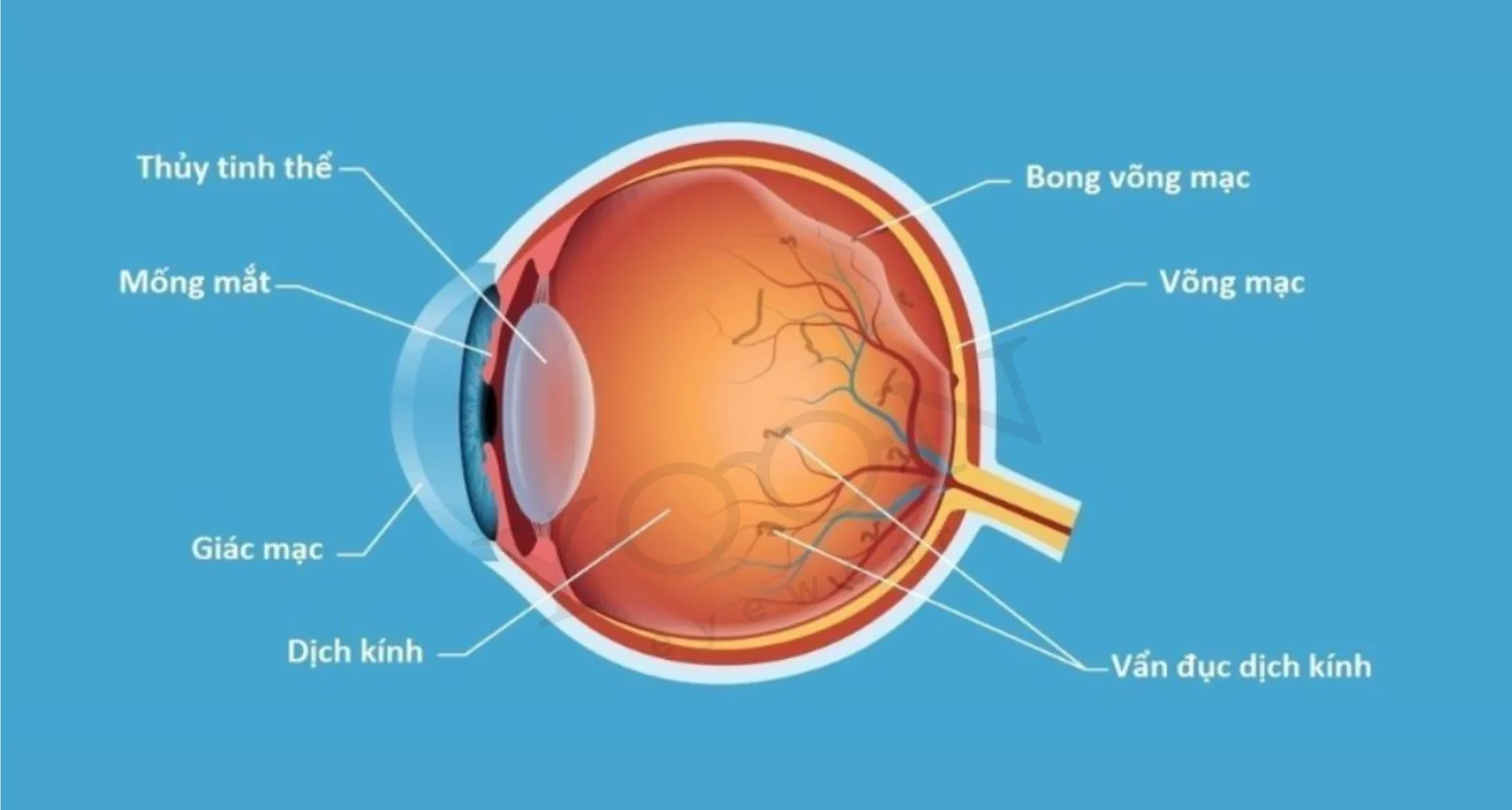
Structure of the retina
The retina is a thin layer of tissue at the back of the eyeball. It works like the “film” of a camera: it receives light, converts it into nerve signals, and sends them to the brain so we can see. When this delicate tissue becomes inflamed, the images it transmits can become distorted or interrupted. Vision may gradually decline and can even be lost permanently if the disease is not detected and treated in time.
What makes retinitis hard to recognize is that it rarely originates in the eye alone. The cause often lies in broader problems elsewhere in the body. Understanding where the disease comes from helps you know whether you belong to a risk group and when you should see an eye doctor early.
Where Does Retinitis Usually Begin?
The retina is nourished by a dense network of blood vessels, so it is easily affected when harmful agents circulate in the bloodstream. This is also why retinitis often occurs together with choroiditis (inflammation of the vascular layer right beneath the retina). In general, the causes fall into four groups: infections, immune disorders, genetic factors, and environmental factors.
1. Infections
Viral infections
- Cytomegalovirus (CMV): This is the classic “culprit” in people with weakened immunity, especially those with late-stage HIV whose CD4 cell count has dropped very low. When the immune barrier weakens, a virus that was “sleeping” in the body can become active again and attack the retina. Thanks to modern antiretroviral therapy for HIV, this rate has dropped significantly compared with the past.
- Herpes simplex virus (HSV) and varicella-zoster virus (VZV): These two viruses cause chickenpox, shingles, and herpes. They can cause acute retinal necrosis, which progresses quickly and requires urgent treatment.
- Dengue and West Nile virus: Retinitis can appear after a fever, when the immune system overreacts or the virus affects the retinal blood vessels. In Vietnam, where dengue fever is fairly common, you should not be complacent if your vision becomes unusually blurred after recovering from a fever.
Bacterial infections
Many bacteria that cause systemic disease can travel through the bloodstream to the eyes, most notably syphilis (Treponema pallidum), tuberculosis (Mycobacterium tuberculosis), and Lyme disease (Borrelia burgdorferi). Sometimes, damage in the eye is the first sign that helps doctors discover an underlying disease that has been progressing silently.
Fungal infections
Candida and Aspergillus usually attack when the body is weakened: people with weakened immunity, people taking long-term antibiotics, or patients who have been hospitalized for a long time. Prolonged antibiotic use disrupts the balance of the body’s microbiome, allowing fungi to grow and travel through the blood to the eyes.
Parasitic infections
Toxoplasma gondii is a parasite, not a bacterium, and is the leading cause in this group. It is commonly transmitted through contact with cat feces or by eating undercooked meat. Notably, the disease can also occur in people with normal immunity. In addition, the dog and cat roundworm (Toxocara canis) can also cause the disease, especially in young children who often play in soil and sand and come into contact with pets.
2. Immune Disorders
In this group, no foreign agent invades the body. The immune system malfunctions and mistakes the body’s own tissue for an enemy, causing prolonged inflammation that tends to recur.
- Behçet’s disease: A systemic vasculitis, often accompanied by recurrent mouth ulcers, skin lesions, and joint pain. It is more common in men and in countries stretching from Asia to the Mediterranean.
- Systemic lupus erythematosus: Damage to small blood vessels and microscopic blood clots leave the retina short of blood supply and inflamed.
- Rheumatoid arthritis and chronic inflammatory bowel disease: These can be accompanied by posterior uveitis, which spreads and affects the retina.
- Sarcoidosis: Inflammatory granulomas form in the eye, damaging retinal tissue.
If you have an autoimmune disease, regular eye exams are essential, because damage in the eye can progress silently even when other symptoms are under control.
3. Genetic Factors
- Retinitis pigmentosa: Despite the “itis” in its name, this is actually a group of inherited retinal degenerative diseases. The light-sensing cells gradually weaken and die, causing vision to narrow slowly, often beginning with night blindness. It can be inherited in a dominant, recessive, or X-linked pattern.
- Usher syndrome: A genetic disorder combining retinitis pigmentosa with hearing loss or deafness.
- Vogt-Koyanagi-Harada (VKH) disease: An autoimmune inflammatory disease linked to genetic factors, more common in people of Asian and Hispanic descent. It mainly causes uveitis and can affect the retina.
If someone in your family has an inherited retinal disease, you should get screened early rather than wait for symptoms to appear.
4. Environmental Factors and Medications
- Chemicals and heavy metals: Long-term exposure or overdose can directly damage retinal tissue or trigger an inflammatory reaction. People who work in industrial or chemical environments should be especially careful.
- Long-term medications: Corticosteroids, immunosuppressants, and some cancer drugs can lower the body’s resistance, creating conditions for opportunistic eye infections. This does not mean you should stop taking your medication on your own. Attend your follow-up appointments on schedule and tell your doctor right away if your vision changes.
Who Is More Likely to Develop Retinitis?
The disease can occur at any age, but some groups are at higher risk:
- People with HIV/AIDS or weakened immunity
- Organ transplant recipients and people taking immunosuppressive drugs
- Newborns, because their immune systems are still immature
- People with autoimmune diseases
- People with a history of eye inflammation or a family member with an inherited retinal disease
How Is Retinitis Treated?
Because the causes of the disease vary so widely, there is no single medication for every case. The doctor must first identify the “culprit” (a virus, bacterium, parasite, or immune disorder) and only then choose the appropriate treatment. Treating the right cause for the full duration is the deciding factor in preserving vision.
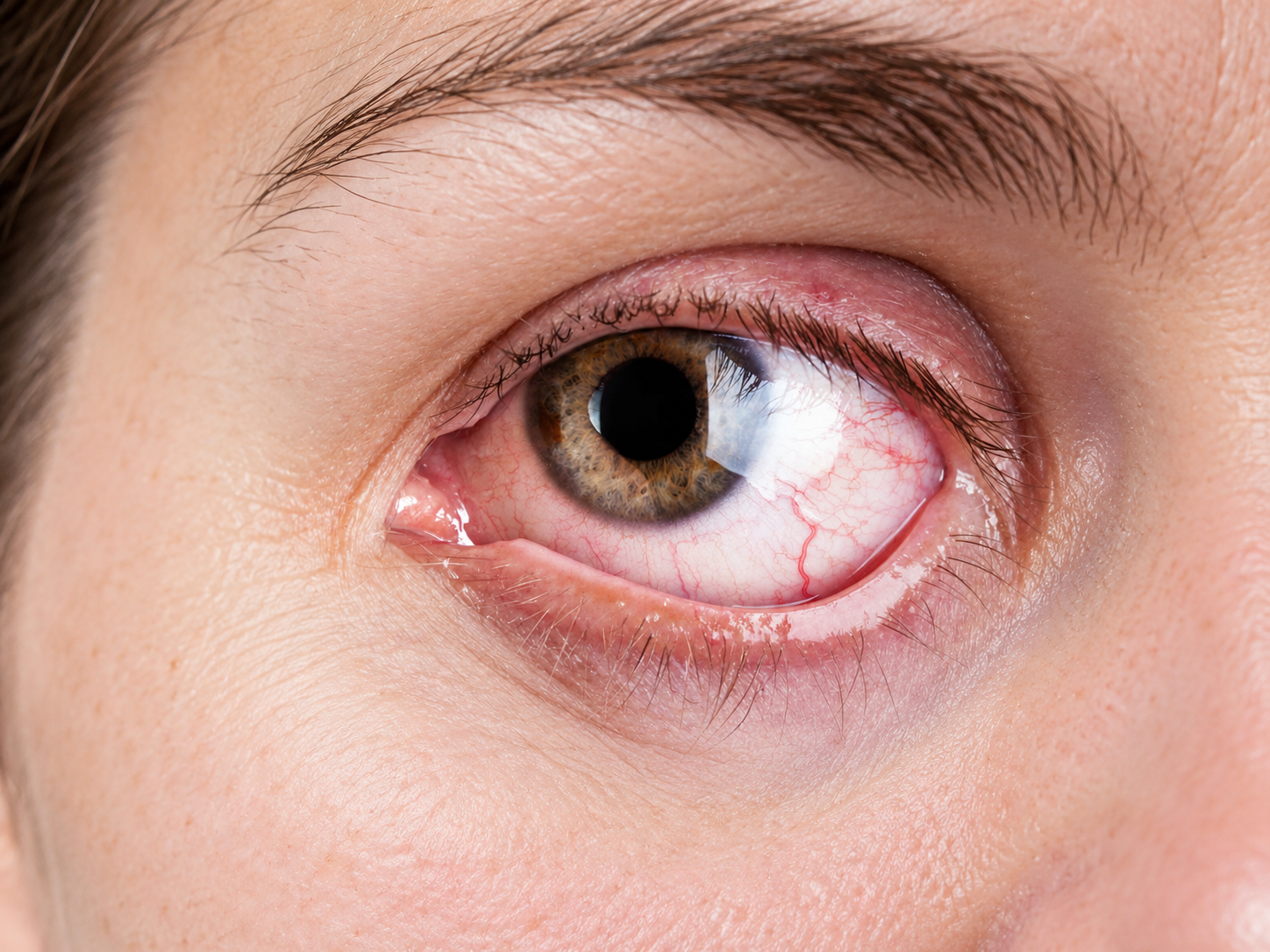
How is retinitis treated?
1. Medication Based on the Cause
Viral retinitis
- CMV: The main drugs are ganciclovir or valganciclovir. They can be given intravenously, taken orally, or injected directly into the eye in severe cases. For people with HIV, treating HIV at the same time to restore immunity is just as important.
- Herpes simplex and shingles (VZV): Acyclovir or valacyclovir is usually used. Severe cases may require intravenous infusion for about 10-14 days.
Bacterial retinitis
- Syphilis: Penicillin G is the mainstay, usually given intravenously for about 10-14 days.
- Lyme disease or Rocky Mountain spotted fever: Doxycycline or ceftriaxone is used.
- Tuberculosis: Requires a combination anti-tuberculosis regimen with several drugs, lasting many months.
Parasitic retinitis
- Toxoplasma: Trimethoprim-sulfamethoxazole is usually used for about 6 weeks to control the disease and reduce the risk of recurrence.
- Dog and cat roundworm (Toxocara): Albendazole is used, often combined with corticosteroids to reduce inflammation.
Retinitis caused by immune disorders (Behçet’s, lupus, sarcoidosis…)
The goal is to “cool down” the immune system’s inflammatory response:
- Corticosteroids (prednisone, methylprednisolone) work quickly, but long-term use can cause increased eye pressure or cataracts, so close monitoring is needed.
- Immunosuppressants (azathioprine, methotrexate, cyclosporine, mycophenolate) are used when corticosteroids are not effective enough or when long-term treatment is needed.
- Anti-TNF-α biologic drugs (infliximab, adalimumab) are for severe cases, especially those caused by Behçet’s disease.
2. Other Interventions When Needed
- Eye injections: Delivering medication directly to the damaged area achieves a higher concentration in the retina, suitable for severe inflammation.
- Laser: Used to reinforce weakened areas of the retina and to prevent or manage the risk of retinal detachment.
- Surgery: Needed when the retina has detached, when there is contracting scar tissue, or when cataracts develop from prolonged inflammation.
3. Daily Eye Care and Protection
These measures do not replace medication, but they support recovery and reduce the risk of recurrence:
- Wear sunglasses when going outdoors to reduce glare and discomfort caused by light sensitivity.
- Eat a balanced diet: Prioritize leafy greens, carrots, fatty fish such as salmon, and walnuts, foods rich in vitamins A, C, E, lutein, and omega-3.
- Keep your hands clean and avoid rubbing your eyes with unwashed hands, especially when the cause is an infection.
- Wear protective goggles if you work in an environment with chemicals or dust.
- Get regular eye exams if you belong to a high-risk group, such as people with HIV, diabetes, autoimmune disease, or a history of eye inflammation.
Important Notes
- Do not buy medication on your own. Antivirals, antibiotics, or corticosteroids taken in the wrong type or dose can worsen the disease or cause serious side effects.
- Complete the full course of treatment and keep your follow-up appointments, even when your eyes feel better. People with weakened immunity or autoimmune disease often need maintenance treatment because the disease tends to recur.
- Retinitis pigmentosa (genetic) is different from the inflammatory forms above. It belongs to the group of retinal degenerative diseases, and there is currently no complete cure. Treatment mainly consists of regular monitoring, eye protection, managing complications (such as cataracts), and genetic counseling for the family.
When Should You See a Doctor for Retinitis?
See an eye specialist early if you notice any of the following signs:
- Vision that gradually blurs, or dark areas appearing in your field of view
- Many dark spots or faint streaks “floating” before your eyes
- Red, painful eyes with sensitivity to light
- Narrowing of your field of vision or loss of central vision
The most important thing is to identify the right cause, because each cause needs its own treatment approach: antivirals, antibiotics, antiparasitic drugs, or immune-modulating drugs. Early detection minimizes complications and protects your vision in the long term.
Conclusion
Retinitis is not a disease of the eyes alone. It often reflects what is happening throughout the body, from infections and the immune system to genetics and the living environment. Keeping underlying conditions under control, maintaining good hygiene, eating cooked food and drinking boiled water, and getting regular eye exams are simple but effective ways to protect the eyes of you and your family.
This article is for reference only and does not replace diagnosis and advice from a specialist doctor.
 18/10/2026









 0916.741.763
 Appointment
