

 vi
 18-Oct-2026
 1,710
We often use eye drops based on how our eyes feel: tired eyes, we put drops in; red eyes, drops; gritty or uncomfortable, one more drop. In reality, how many times a day you should use eye drops depends on the type of medication, your reason for using it, and the condition of your eyes at that moment. This article explains the key principles so you can use eye drops correctly, effectively and safely.
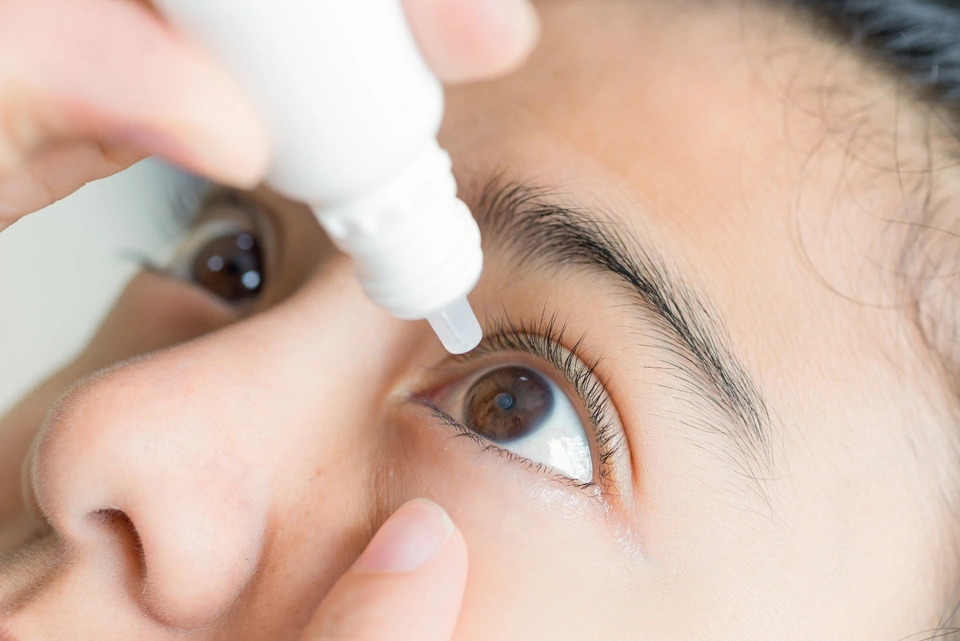
How many times a day should you use eye drops?
Why does the number of eye drops per day vary?
Eye drops are not one uniform group of products. Some simply moisten the surface of the eye, some contain antibiotics to kill bacteria, some contain corticosteroids to reduce inflammation, some relieve allergies, and others are used to manage chronic conditions such as glaucoma. Each type has its own active ingredient, concentration and duration of action, so the dosing schedule differs as well.
Even for the same medication, a doctor may prescribe different schedules depending on the severity of the condition, your age, and whether you are taking other medications. That is why you should never copy the eye drop schedule of an acquaintance, even if your symptoms sound similar.
Typical eye drop frequency by medication group
The figures below are only meant to give you a general idea. Your actual dosage must always follow your doctor’s prescription or the manufacturer’s instructions.
Using artificial tears (dry eyes, digital eye strain)
Using eye drops with artificial tears is the gentlest category, typically about 2-4 times a day or whenever your eyes feel dry. If you need eye drops more than 4 times a day, choose a preservative-free option (usually packaged in single-use vials), because frequent exposure to preservatives can further irritate the ocular surface.
If dry eye persists, don’t just keep putting drops in for temporary relief. See an eye doctor to find the cause, such as insufficient tear production, blepharitis or blocked meibomian glands.
Using eye drops for allergies
Medication for eye allergies is usually applied about 2-3 times a day. Some long-acting types only need 1-2 doses. This group works best when used consistently throughout the allergy episode, not just when the itching is intense and then stopped.
Using eye drops for conjunctivitis, infections or after surgery
Antibiotic and anti-inflammatory eye drops are usually prescribed about 2-4 times a day, and possibly more often in the early stage if the condition is severe. With this group, keep two things in mind:
- Do not stop the medication on your own once your eyes look less red. The infection may not be fully cleared and can easily return.
- Corticosteroid eye drops should only be used as prescribed and for the duration set by your doctor. Prolonged use or increasing the dose yourself can lead to high eye pressure and cataracts.
Using eye drops to treat glaucoma
Glaucoma medication usually needs to be applied only 1-2 times a day, but it must be taken regularly, on time and long term. Forgetting doses or stopping on your own can allow the disease to progress silently and affect your vision before you even notice.
Using pain-relief or numbing eye drops
This is a group you should not use on your own. Numbing eye drops are meant for medical facilities or for use under a clear prescription. Misuse can mask pain symptoms, delay your visit to the doctor and damage the cornea.
Benefits and risks of eye drops
When used correctly, eye drops are very convenient: they soothe dryness and burning, relieve allergic itching, control inflammation and treat infections quickly without complicated procedures.
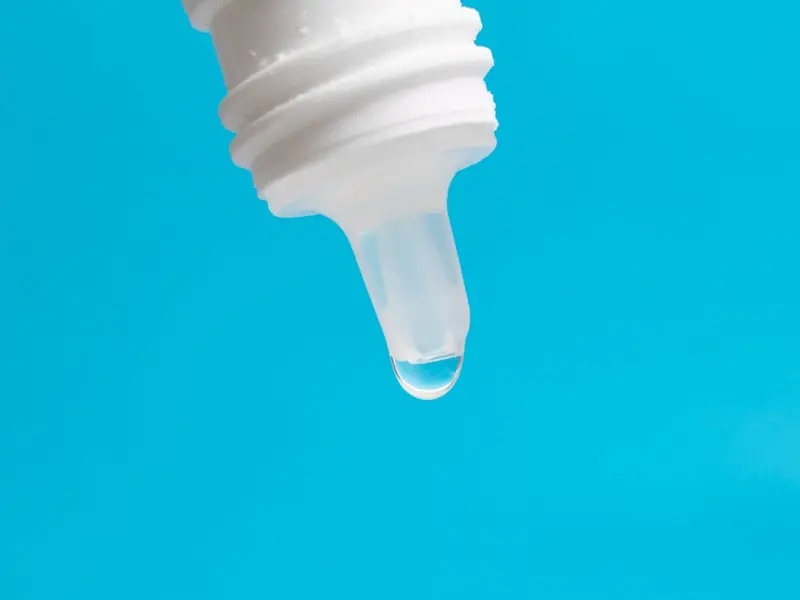
Benefits and risks of eye drops
However, if you use eye drops incorrectly, you may experience:
- Eye irritation: using drops too often can leave your eyes redder, itchier or stinging more than before.
- Infection: letting the bottle tip touch your hand or eyelid, or using expired medication, gives bacteria a way in.
- Systemic side effects: some medications can be absorbed through the eye and cause nausea, dizziness or changes in heart rate with long-term use.
- Rebound redness: “whitening” eye drops constrict blood vessels so your eyes look brighter, but with frequent use your eyes may become redder once you stop. It is easy to fall into a vicious cycle of needing drops constantly.
7 habits for using eye drops correctly
- Wash your hands thoroughly before using eye drops to avoid introducing bacteria into your eyes.
- Do not let the bottle tip touch your eye, eyelid or any other surface, because a contaminated tip can spoil the entire bottle.
- Use only one drop. The eye can hold only a very small amount, and extra liquid simply spills out without adding any benefit.
- Close your eyes gently for 1-2 minutes after applying, and you may lightly press the inner corner of the eye near the nose so the medication stays longer and drains less into the nose and throat.
- Wait 5-10 minutes between different medications if you need to use several types of eye drops. Ointments should be applied last.
- Check the expiry date and how long the bottle can be used after opening. Once opened, a bottle should only be used for the period stated on the packaging, usually a few weeks, and stored in a cool, dry place.
- Do not share eye drops with others. Everyone’s eye condition is different, and sharing can spread infection and cause unwanted effects.
If you wear contact lenses, ask your doctor or pharmacist when you need to remove them before using eye drops, as some medications and preservatives are not suitable while lenses are in place.
Common mistakes when using eye drops
- Choosing medication based on symptoms alone. Red eyes can result from allergies, inflammation, infection or many other causes. Using the wrong type of drops can make the condition worse, especially corticosteroid drops used for an infection that has not been diagnosed.
- Using eye drops instead of seeing a doctor. If symptoms do not improve or keep getting worse, continuing to use drops only wastes valuable treatment time.
- Touching the bottle tip to the eye. This habit is very easy to fall into, especially when you are in a hurry or using drops in front of a mirror. Gently pull down your lower eyelid, hold the bottle a short distance from your eye and drop the medication into the lower conjunctival pouch.
- Using expired medication or a bottle that has been open too long. The medication may lose effectiveness and become a favorable environment for bacteria to grow.
- Applying drops repeatedly without enough time between doses. Doses placed too close together wash out the previous one, which wastes medication and reduces its effect.
When should you see a doctor instead of continuing to use eye drops?
See an ophthalmologist if you have any of the following signs:
- Red eyes accompanied by significant pain, sensitivity to light, blurred vision or halos around lights.
- Heavy discharge, pus or severe eyelid swelling.
- Symptoms that do not improve after a few days of treatment.
- You notice that you need to use eye drops constantly to feel comfortable.
- Eye injury, chemical exposure or a foreign object in the eye.
- Your child shows any unusual signs in the eyes. For children, never choose eye drops yourself without a doctor’s prescription.
Conclusion: how many times a day is enough for eye drops?
The answer depends on the type of medication and the condition of your eyes. Artificial tears can be used flexibly as needed, while therapeutic eye drops must follow the exact number of doses, timing and duration prescribed. More important than the number itself is how you use eye drops: keep things hygienic, use the right medication, avoid overuse, and never extend or stop treatment on your own.
When in doubt, the safest approach is to read the instructions on the packaging carefully, ask a pharmacist, or see an ophthalmologist. You only have one pair of eyes, so take good care of them.
 19/10/2026










 0916.741.763
 Appointment
