

 vi
vi 31-Mar-2026
 36,290
 In clinical practice, many patients come to doctors due to difficulties with contact lenses: dry eyes, discomfort, lens misalignment, or even lenses falling out during physical activity. In addition, many people who are eligible for laser surgery still hesitate. A survey in the UK showed that nearly 48% of contact lens wearers do not want to undergo laser procedures due to concerns about safety and permanent changes to the eye. And that is why another option is gaining increasing attention: Phakic ICL (EVO ICL).
An expanded solution for a wide range of refractive errors
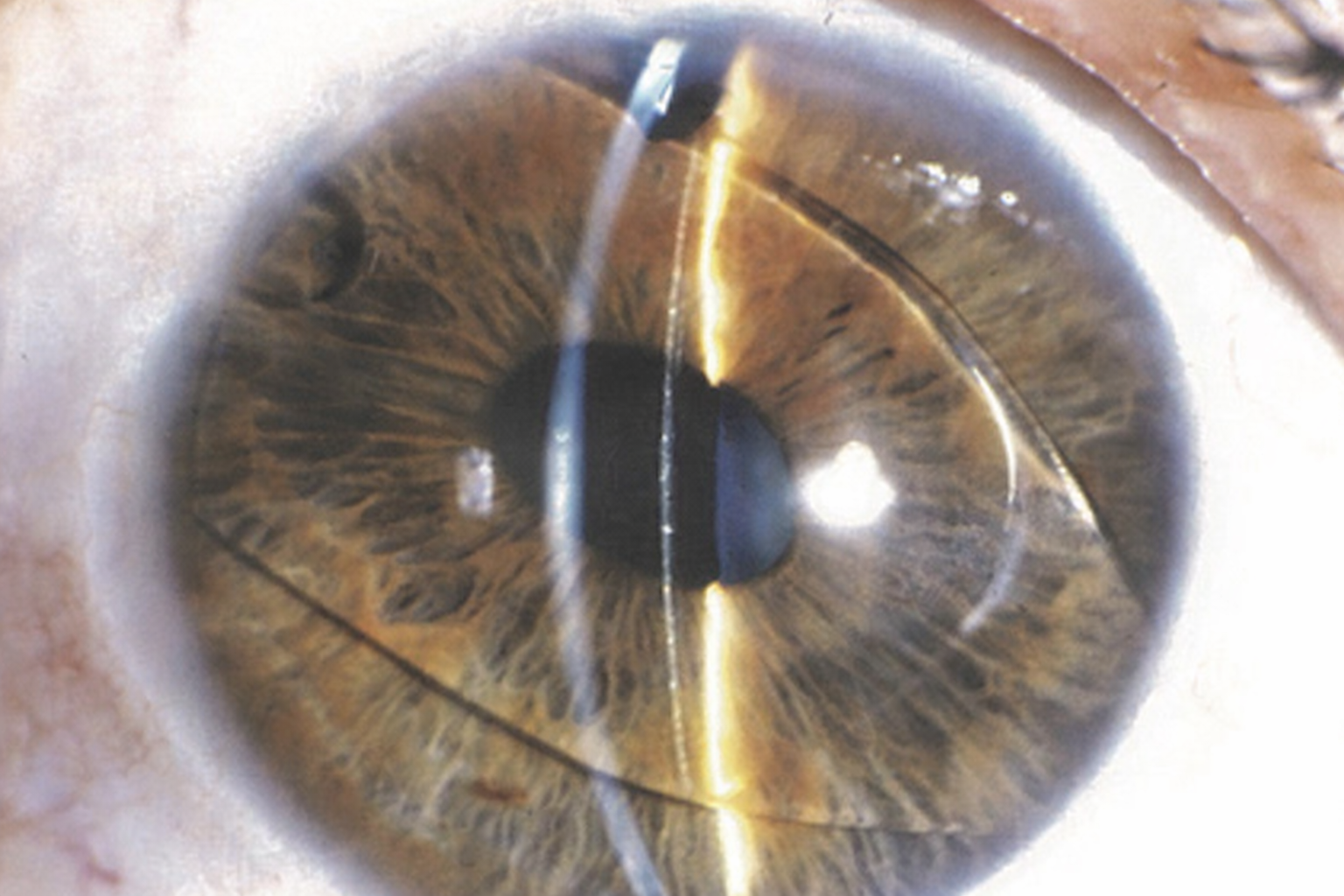
Phakic ICL solution for a wide range of refractive errors
Phakic ICL can correct myopia from mild to very high levels, ranging from -0.5D to -20D, while also treating astigmatism up to 6.0D. Therefore, this method is no longer reserved only for difficult cases or those unsuitable for laser surgery as it once was.
One of the reasons Phakic ICL is increasingly chosen is its ability to deliver sharp and stable vision after surgery, while preserving the corneal structure, which is essential for long-term eye health. In addition, this method does not worsen dry eye conditions and helps maintain consistent visual quality over time.
Clinical data also show that the rate of serious complications with Phakic ICL is very low when patients are properly evaluated, correctly indicated, and closely monitored.
Treatment for a professional athlete
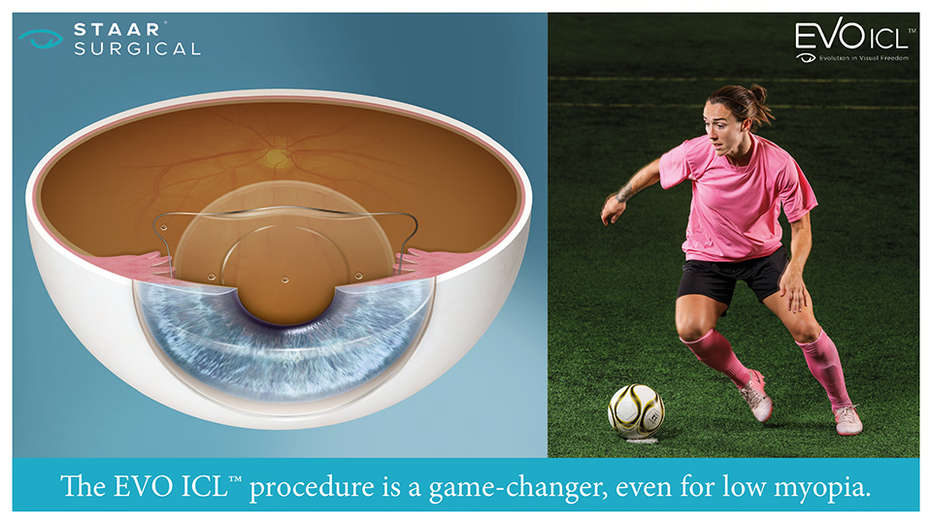
Treatment for a professional athlete with Phakic ICL
Real-life experience after surgery

Post-surgery experience of Lucy Bronze with Phakic ICL
The procedure took less than 30 minutes. She quickly achieved 20/20 vision without glasses and was very satisfied with the results. Close coordination with an ophthalmologist was essential, as in all cases involving intraocular lens (IOL) implantation in eyes with a natural lens.
Lucy returned to training and professional competition within just a few weeks and became a strong advocate for this method, sharing her positive experience with Phakic ICL and the meaningful impact it had on her life and career.
A suitable option for mild myopia
Although traditionally, ICL implantation was more common in patients with higher myopia, thinner corneas, or contraindications to laser vision correction, there is now a growing trend of using this technology for lower degrees of myopia as well.
More and more people with mild to moderate myopia are choosing this method to preserve their cornea. The ICL procedure does not limit or complicate future refractive treatments, such as cataract surgery with premium lenses or refractive lens exchange.
“Why I chose EVO ICL”
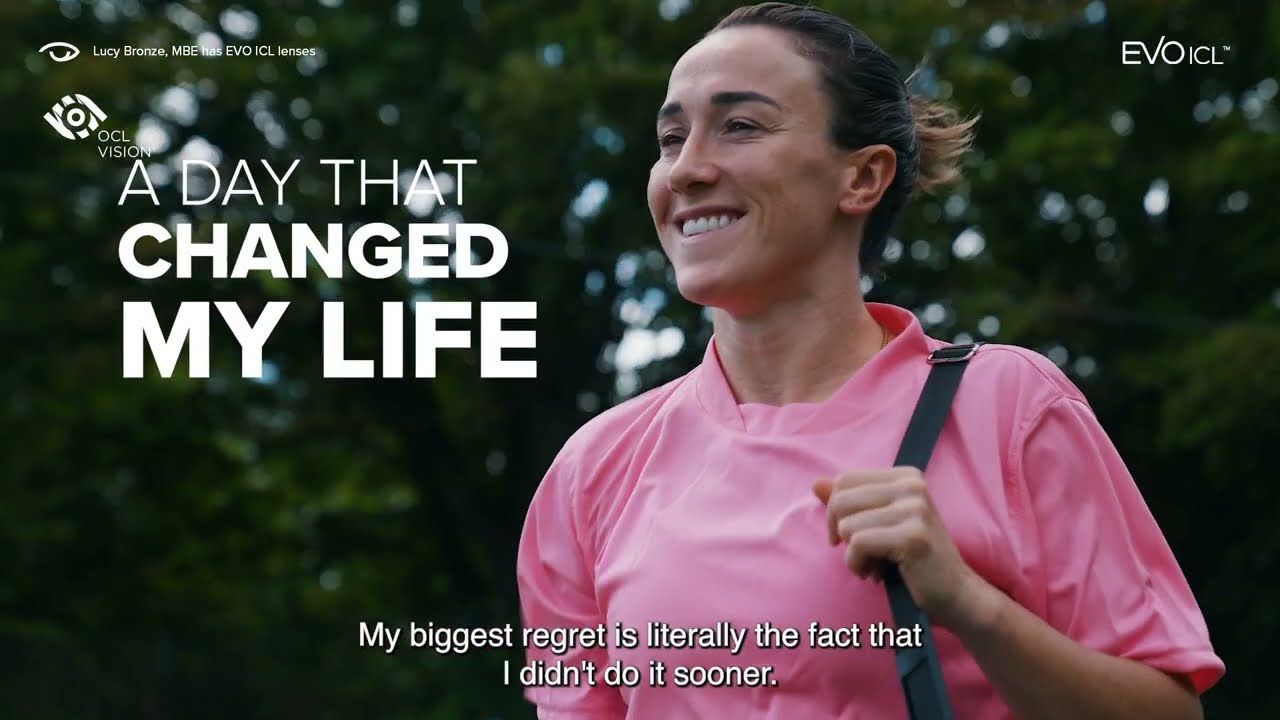
Lucy Bronze sharing her experience after Phakic ICL surgery
Article by Lucy Bronze, professional football player, UEFA Women’s EURO Champion 2025 & 2022.
“As a professional football player, my vision is extremely important. I need sharp vision to perform at my best. I wore contact lenses for many years, but over time, they became more of a burden. During training sessions and matches, I started experiencing dry eyes, irritation, and even lenses falling out. By the end of the day, I just wanted to take them off as quickly as possible. I knew it was time for a change.”
“I had heard about laser eye surgery, but I was still hesitant. The idea of implanting a reversible lens like Phakic ICL instead of permanently reshaping the cornea with laser made much more sense to me. I liked that it is reversible and would not cause dry eye issues like contact lenses or LASIK.”
“Even though I was a candidate for LASIK, Mr. Wilkins understood why I preferred Phakic ICL and agreed that it was a very good option for me.”
“The procedure was quick and painless. I remember being surprised at how clear my vision was almost immediately. Now, whether I’m training, traveling, or competing, I no longer have to worry about my vision. Phakic ICL has given me a level of freedom I didn’t even realize I was missing.”

 14/10/2026











 0916.741.763
 Appointment