

 vi
vi 31-Mar-2026
 50,445
 Repeated eye rubbing over a prolonged period can alter the microstructure of the eye and create conditions for various ocular conditions to develop silently.
How does eye rubbing harm your eyes?

How does eye rubbing harm your eyes?
Eye rubbing is a reflex that occurs when the ocular surface is irritated, commonly associated with tear film instability (dry eyes), small foreign particles, or prolonged visual strain from screen use. Although the force applied by the hand may feel minimal, it actually creates direct pressure on highly sensitive structures such as the cornea, conjunctiva, and the intraocular fluid system.
When this action is repeated multiple times throughout the day, the mechanical stress accumulates, leading to changes not only on the surface but also in overall visual function.
1. Corneal abrasion and surface damage
The cornea is the transparent front layer of the eye, playing a crucial role in focusing light. Its surface is covered by a very thin epithelial layer that protects the eye and maintains a smooth optical surface.
When rubbing the eyes, especially when dust, eyelashes, or microscopic debris are present, friction causes these particles to scrape directly against the corneal epithelium. This can lead to micro-abrasions, resulting in symptoms such as stinging, a gritty sensation, tearing, and increased light sensitivity.
If this behavior occurs frequently, the collagen structure within the cornea may be affected. Collagen is the key component that maintains the cornea’s shape and stability. When weakened, the cornea can become thinner and more prone to deformation, altering how light is refracted and gradually reducing visual quality over time.
2. Triggering inflammation and a persistent itch cycle

Eye rubbing triggers inflammation and a persistent itch cycle
Itching in the eyes is often linked to mild inflammation or allergic responses. Mechanical stimulation from rubbing activates mast cells in ocular tissues, leading to the release of histamine.
Histamine acts as a chemical mediator that dilates blood vessels and stimulates sensory nerves, intensifying the sensation of itching. This creates a physiological loop: the more you rub your eyes, the more histamine is released, and the longer the itch persists.
At the same time, hands carry a significant number of bacteria and pathogens. Direct contact with the eye surface—an area with a delicate protective barrier—allows microorganisms to enter the conjunctiva or tear ducts, increasing the risk of conjunctivitis, eyelid inflammation, or eye infections.
3. Effects on intraocular pressure and the optic nerve
Intraocular pressure (IOP) refers to the pressure of the fluid inside the eye and must remain stable to support proper optic nerve function. When rubbing the eyes, compression of the eyeball can cause a sudden increase in IOP, even if only temporarily.
In healthy individuals, this temporary increase may not cause immediate damage. However, when repeated frequently, especially in those at risk of glaucoma, these pressure fluctuations can affect the optic nerve head, which is highly sensitive to pressure changes.
Damage to the optic nerve caused by elevated intraocular pressure is one of the leading causes of irreversible vision loss in ophthalmology. Therefore, minimizing factors that increase IOP, including the habit of eye rubbing, plays an important role in long-term vision protection.
4. Altering corneal shape and contributing to myopia progression
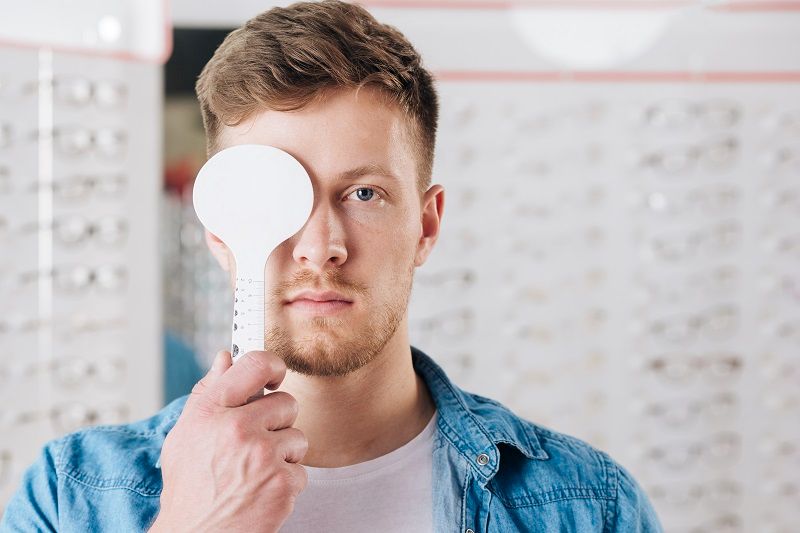
Mechanical pressure from eye rubbing can alter corneal shape over time
In individuals with myopia, the eyeball is typically elongated, causing light to focus incorrectly. Additional mechanical pressure from eye rubbing can further influence corneal shape, both temporarily and over time.
With repeated stress, the cornea may become irregular, leading to astigmatism or worsening myopia. In some cases, chronic and forceful eye rubbing has been associated with keratoconus – a condition where the cornea becomes thin and bulges forward, significantly impairing vision.
5. Accelerating periocular aging and affecting appearance
The skin around the eyes is extremely thin, with lower levels of collagen and elastin compared to other areas of the face. These two components are essential for maintaining skin elasticity and resilience.
Repeated pulling and friction from eye rubbing stretch these fibers, gradually reducing skin elasticity. As a result, fine lines appear earlier, the eyelids may sag, and dark circles become more pronounced.
Beyond cosmetic concerns, these changes also reflect reduced microcirculation in the periocular area, which can contribute to increased eye fatigue and reduced comfort in daily activities.
Safe alternatives to eye rubbing
Eliminating the habit of eye rubbing requires addressing the underlying causes of discomfort. When experiencing dryness or irritation, lubricating eye drops can help restore moisture and cleanse the ocular surface. Saline solution or specialized eye drops can gently remove dust and irritants.
In cases of minor foreign particles, blinking repeatedly can stimulate natural tear flow, helping to flush out debris without causing mechanical damage.
If itching is related to inflammation or allergies, proper treatment under medical guidance is necessary instead of relying on eye rubbing to relieve symptoms.

 14/10/2026










 0916.741.763
 Appointment