

 vi
vi 24-Apr-2026
 151,525
 What Does Refractive Surgery Treat?
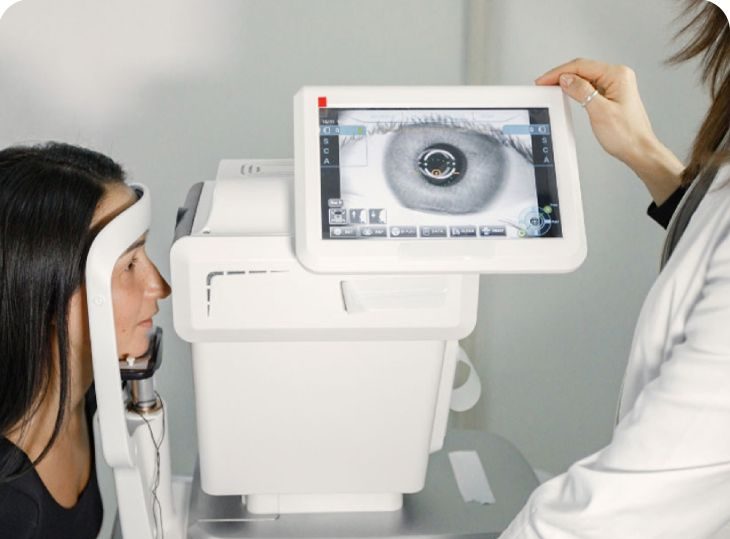
What Does Refractive Surgery Treat?
This procedure addresses three main refractive errors:
- Nearsightedness (Myopia): The eyeball is too long or the cornea is too curved, causing light to focus in front of the retina.
- Farsightedness (Hyperopia): The eyeball is too short or the cornea is too flat, causing light to focus behind the retina.
- Astigmatism: The cornea has an irregular shape (more like a football than a perfectly round ball), resulting in blurred vision at all distances.
Refractive surgery is an effective solution for reducing dependence on glasses. However, not everyone with myopia is a suitable candidate. To ensure both safety and the best possible visual outcomes, you must meet the strict eligibility criteria and technical requirements outlined below.
Age and Refractive Stability
Before undergoing surgery, your eyes must reach biological stability.
- Ideal Age: Between 18 and 40 years old. By age 18, the anatomical structures of the eye are typically fully developed, significantly reducing the risk of myopia returning due to continued eye growth after surgery.
- Refractive Stability: Your prescription should not change by more than 0.50 diopters over a continuous period of 6 to 12 months.
This criterion helps confirm that your myopia is no longer progressing. Performing surgery on eyes with an unstable prescription may lead to less predictable long-term results.
Safe Corneal Parameters
This is one of the most important parts of your preoperative evaluation. Based on these measurements, your surgeon will determine whether you are a suitable candidate for ReLEx SMILE, Femto-LASIK, or whether a Phakic ICL may be a better option.
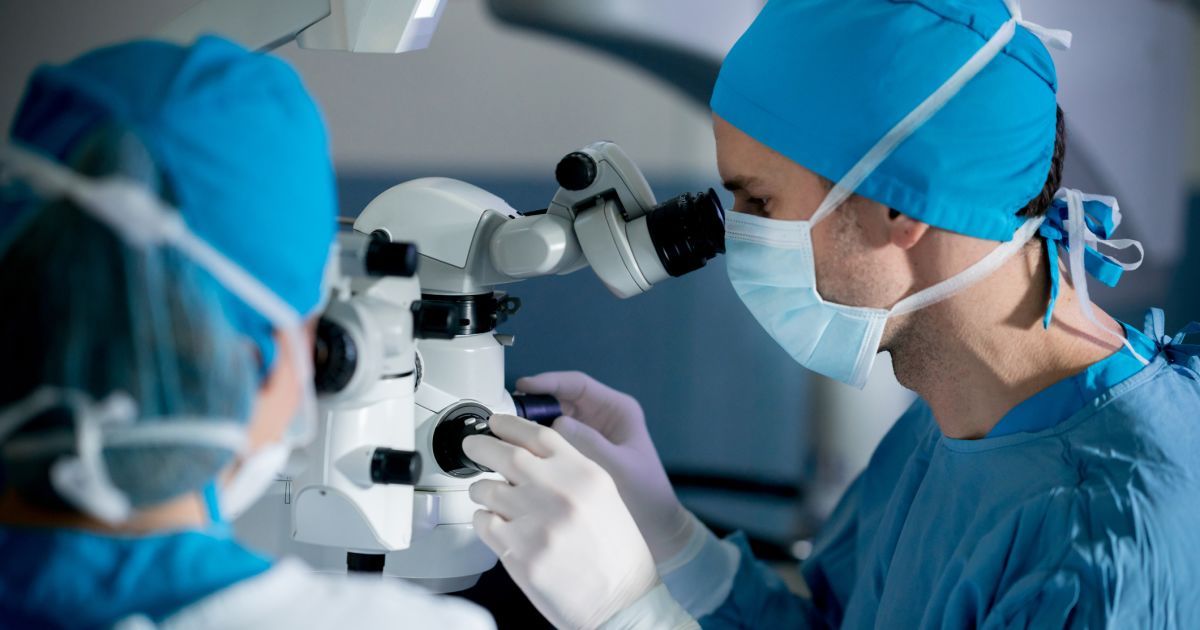
Safe Corneal Parameters for Vision Correction Surgery
1. Central Corneal Thickness (CCT)
- Safe Range: Typically between 530 and 550 microns.
- Caution Threshold: If the cornea is thinner than 500 microns, extra caution is required. Below 480 microns, traditional laser procedures are often not recommended due to the increased risk of corneal ectasia.
- Residual Stromal Bed: After laser reshaping, the remaining corneal tissue must be greater than 250–300 microns, depending on the procedure.
2. Corneal Shape (Corneal Topography)
- The cornea must have a regular dome-shaped contour.
- Contraindication: Patients with keratoconus are not candidates for laser vision correction due to the high risk of severe complications.
3. Corneal Curvature (Keratometry – K Value)
- Normal Range: Usually between 40.00 D and 47.00 D.
- Significance: An excessively steep cornea may be an early sign of keratoconus. An overly flat cornea can make LASIK flap creation more challenging and may increase the risk of complications.
4. Asphericity (Q-Value)

Healthy Eyes Require a Strong Foundation Before Vision Correction
- Typical Value: Usually negative (average around -0.23), indicating an elliptical corneal shape that is steeper centrally and flatter toward the periphery.
- Clinical Importance: This parameter strongly influences night vision quality. Maintaining a stable Q-value after surgery helps minimize glare and halos in low-light conditions.
Eye Health and General Health
Healthy vision begins with a strong foundation of overall eye and systemic health.
Important Preparation Before Your Comprehensive Evaluation
To ensure the most accurate measurements—especially corneal thickness and corneal mapping—you must follow these instructions:
- Stop Wearing Soft Contact Lenses: At least 3 to 7 days before your exam.
- Stop Wearing Rigid Gas Permeable or Ortho-K Lenses: At least 2 to 4 weeks before your exam. Contact lenses can temporarily alter corneal shape, affecting test accuracy.
- Mental and Physical Preparation: Avoid alcohol or stimulants, and do not wear eye makeup on the day of your consultation.
Options If You Are Not a Candidate for Laser Vision Correction
If your corneas are too thin or your prescription is too high (typically over -10.00 D), there are still excellent alternatives available:
- Phakic ICL Surgery: An ultra-thin implantable lens is placed behind the iris. This procedure does not damage the cornea, making it ideal for patients with high myopia or thin corneas.
- Refractive Lens Exchange: Commonly recommended for patients over 40, especially those with presbyopia or early cataracts.
- Dry Eye Treatment: If severe dry eye prevents surgery, a customized treatment plan for 1 to 3 months may help you become eligible later.
Expert Advice: A comprehensive preoperative evaluation typically takes 2 to 3 hours and involves multiple advanced diagnostic tests. Choose a reputable eye hospital or clinic to ensure the most accurate diagnosis and the safest treatment plan.
We hope this guide has helped you better understand the requirements for laser vision correction. Are there any specific eye measurements or eligibility criteria you would like to learn more about?

 14/10/2026










 0916.741.763
 Appointment