

 vi
 23-Oct-2026
 665
When vitamin A is mentioned, almost everyone immediately thinks of the eyes, and there is a clear scientific basis for this. Vitamin A helps produce light-sensitive pigments in the retina, enabling the eyes to see in low-light conditions, while keeping the cornea, the transparent layer at the front of the eyeball, moist and healthy. Prolonged vitamin A deficiency can cause night blindness, dryness and burning, and, in severe cases, corneal damage. Beyond vision, this nutrient also contributes to immune function and the body’s development.

Vitamin A is an important nutrient for the eyes
The good news is that you do not necessarily have to rely on supplements. A varied, balanced diet can meet your daily requirements. This article explains how much vitamin A each person needs, how to eat for optimal absorption, and which foods are worth including in meals for the whole family.
Recommended vitamin A intake
Before choosing what to eat, you should know how much your body needs. Vitamin A requirements vary by age, sex, and physiological status and are measured in micrograms (mcg) per day. Below are suggested reference intakes for each group.
Children
- Under 6 months old: 375 mcg/day
- 6 to 11 months old: 400 mcg/day
- 1 to 3 years old: 400 mcg/day
- 4 to 6 years old: 450 mcg/day
- 7 to 9 years old: 500 mcg/day
Adolescents
- Boys aged 10 to 18: 600 mcg/day
- Girls aged 10 to 18: 600 mcg/day
Adults
- Men aged 19 and older (including those over 60): 600 mcg/day
- Women aged 19 to 60: 500 mcg/day
- Women over 60: 600 mcg/day
Breastfeeding women
During this stage, requirements increase to around 850 mcg/day because some vitamin A is transferred through breast milk to nourish the baby. “More” does not always mean “better.” Preformed vitamin A from animal foods and dietary supplements can accumulate in the body, so prolonged excessive intake can cause toxicity. Pregnant women, people with liver disease, or those taking specialized medications should consult a doctor before taking high-dose supplements on their own.
How to get the most out of vitamin A-rich foods
Eating the right foods is only half the story; the other half is eating them in a way that maximizes absorption.
Understand the two dietary sources of vitamin A. Animal foods such as liver, fish, eggs, and milk contain the active form of vitamin A (retinol), which the body can use immediately. Orange, red, and dark green fruits and vegetables contain carotenoids, particularly beta-carotene, which is “provitamin A”: the body gradually converts it into vitamin A as needed. Conversion rates vary from person to person, so combining both sources is the safest and most effective approach.
Always include healthy fats. Vitamin A dissolves in fat, not water. If you eat carrots or leafy greens but your meal contains almost no fat, much of the nutrient will not be absorbed. A spoonful of olive oil, a few slices of avocado, or a handful of nuts is enough to make a significant improvement.
Cook moderately. Light cooking helps break down plant cell walls and release beta-carotene, sometimes making it easier to absorb than when eaten raw. Conversely, prolonged cooking at high temperatures or deep-frying causes nutrient losses. Steaming, brief boiling, or stir-frying over medium heat are worthwhile options.
Simple food combinations:
- A salad of leafy greens, shredded carrots, and bell peppers dressed with olive oil: provides both carotenoids and fats that support absorption.
- A mango smoothie with yogurt or whole milk: mango provides beta-carotene, while milk adds active vitamin A and fat.
- Carrots or pumpkin stewed with meat and bones: a familiar dish that also makes good nutritional sense.
Which foods contain vitamin A?
Below are familiar foods that are easy to buy and prepare, grouped by type to help you plan your meals.
Animal liver

Animal liver is rich in vitamin A, which is beneficial for the eyes
This is the “champion” in terms of vitamin A content: just about 85 g of beef liver contains over 6,500 mcg of vitamin A, more than ten times an adult’s daily requirement. Liver is also rich in protein, iron, folate, and vitamin B12. Because it is so concentrated, you should eat only small amounts, about once a week or less, and pregnant women should avoid eating large amounts of liver.
Sweet potatoes
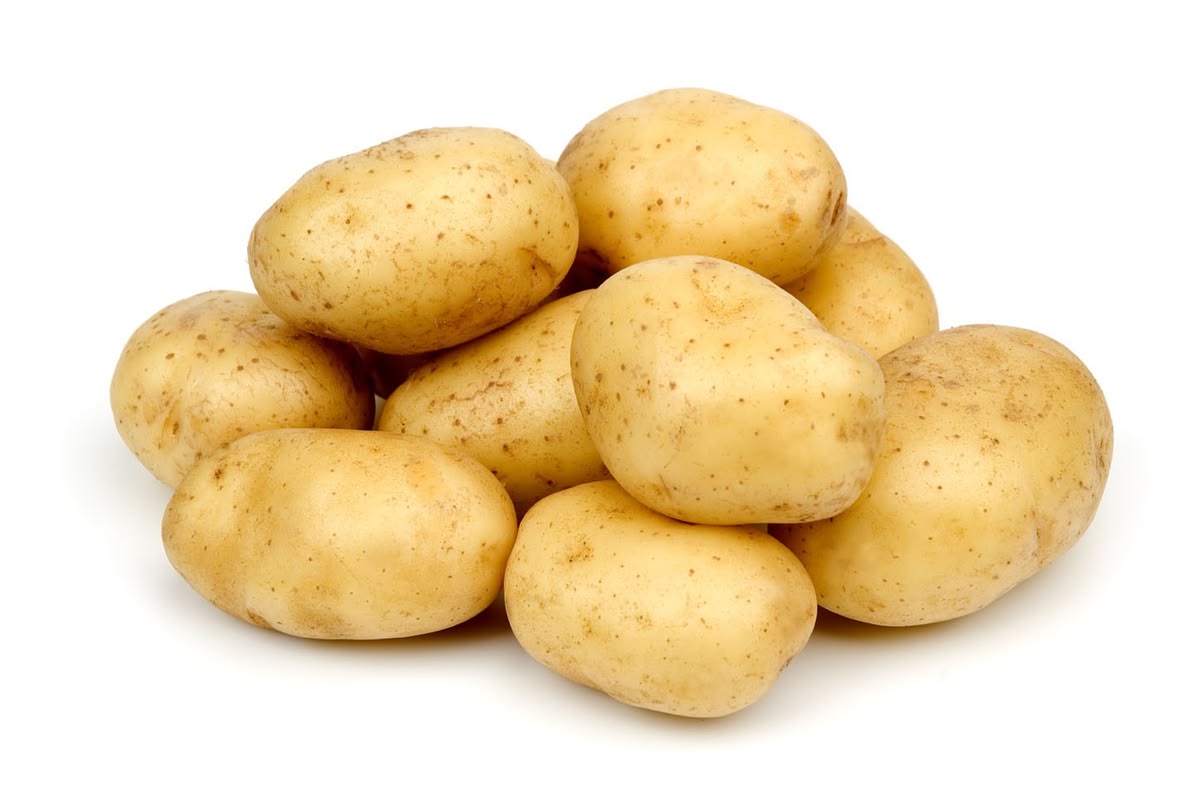
Sweet potatoes contain beta-carotene, which the body converts into vitamin A to support eye health
One medium baked sweet potato provides around 1,400 mcg of vitamin A in the form of beta-carotene, well above the daily requirement. Sweet potatoes are also high in fiber, keep you feeling full longer, and are low in fat. Eating them with a little oil or a food containing fat helps the body make better use of these nutrients.
Carrots
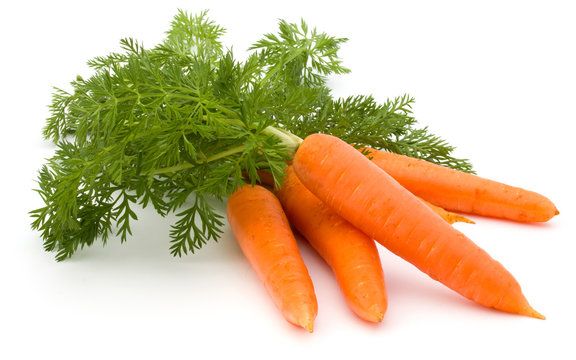
Carrots provide beta-carotene, a vitamin A precursor essential for the eyes
Just half a cup of raw carrots contains around 460 mcg of vitamin A and is rich in beta-carotene (a precursor to vitamin A), helping the body produce rhodopsin—a pigment essential for clear vision in low-light conditions and the prevention of night blindness. However, carrots should only be eaten about 2 – 3 times per week (equivalent to 100g per serving for adults). Eating too much can cause yellowing of the skin. Cooking carrots with a little fat helps the body absorb beta-carotene better than eating them raw.
Spinach
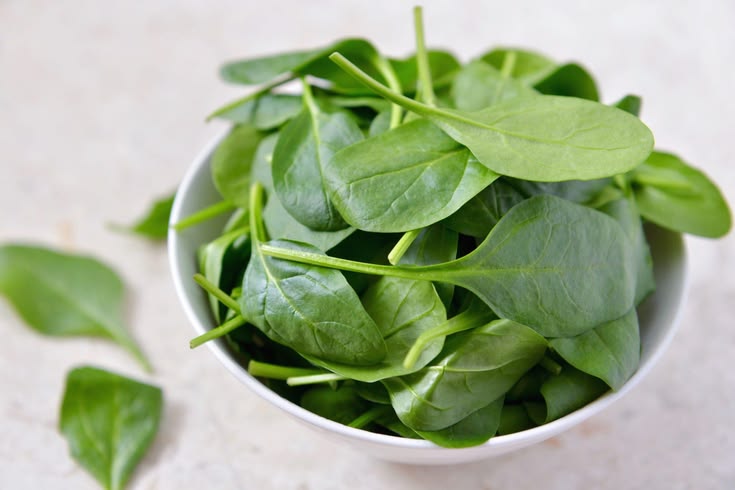
Spinach provides vitamin A precursors, helping maintain eye health
Half a cup of boiled spinach provides around 570 mcg of vitamin A. This vegetable also contains lutein, an antioxidant valuable for the retina, along with potassium and iron. Spinach benefits visual health, particularly in relation to cataracts. You should cook it (by boiling, stir-frying, or adding it to soup) rather than eating it raw to improve nutrient absorption and digestion.
Pumpkin
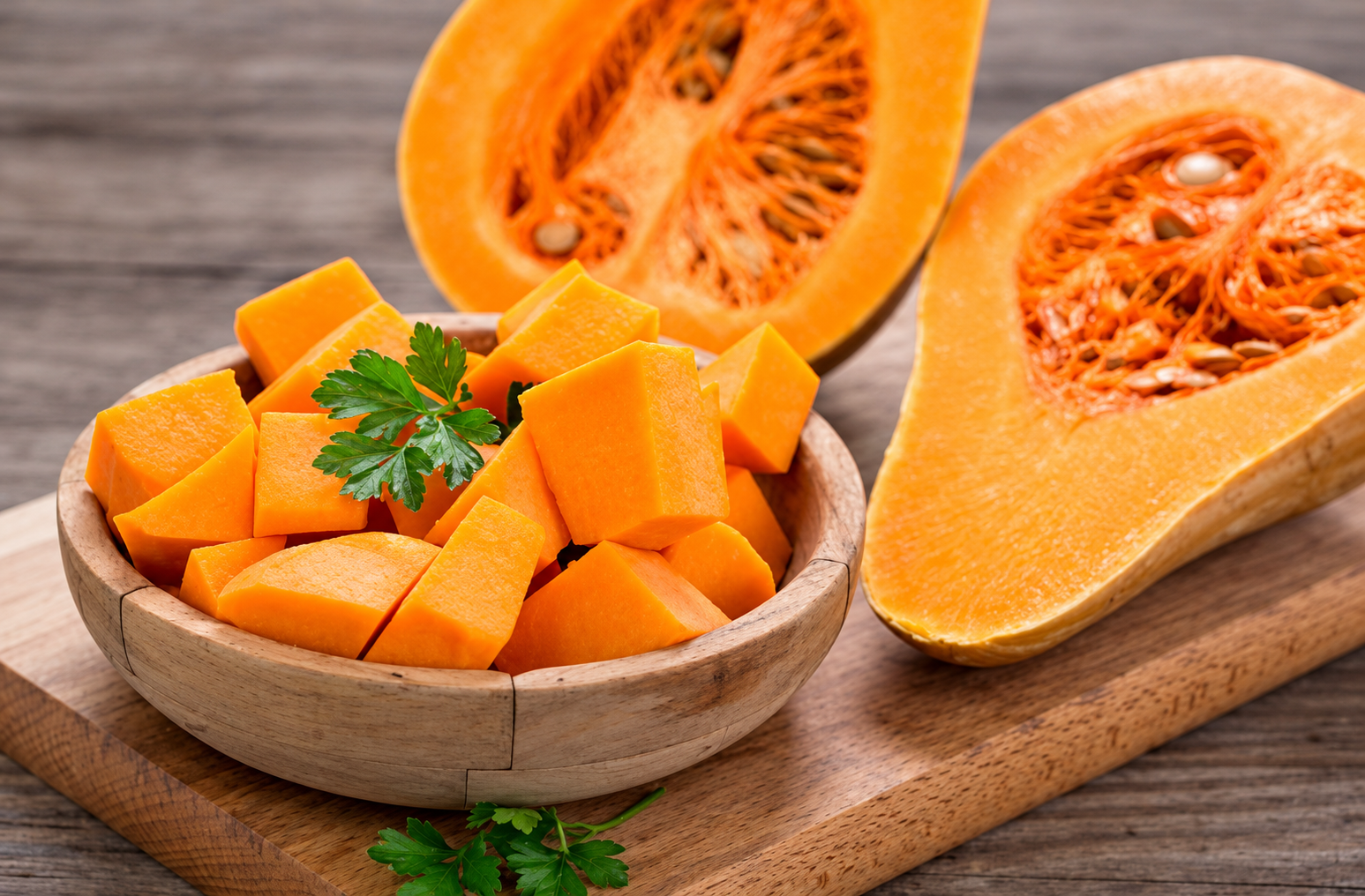
Pumpkin contains beta-carotene, a source of provitamin A that is beneficial for the eyes
The deep orange color of pumpkin indicates its high beta-carotene content. Pumpkin also contains lutein and zeaxanthin, two compounds that help filter blue light and protect the eye’s macula. Vitamins C and E in pumpkin help maintain moisture in the eye’s surface membrane, reducing eye fatigue and dryness.
However, eating too much pumpkin continuously over a long period can cause excess beta-carotene to accumulate, leading to mild yellowing of the skin (this is harmless and resolves when you reduce your intake). Eat it about 2–3 times per week alongside a variety of other foods such as dark leafy greens, fish, and eggs.
Bell peppers
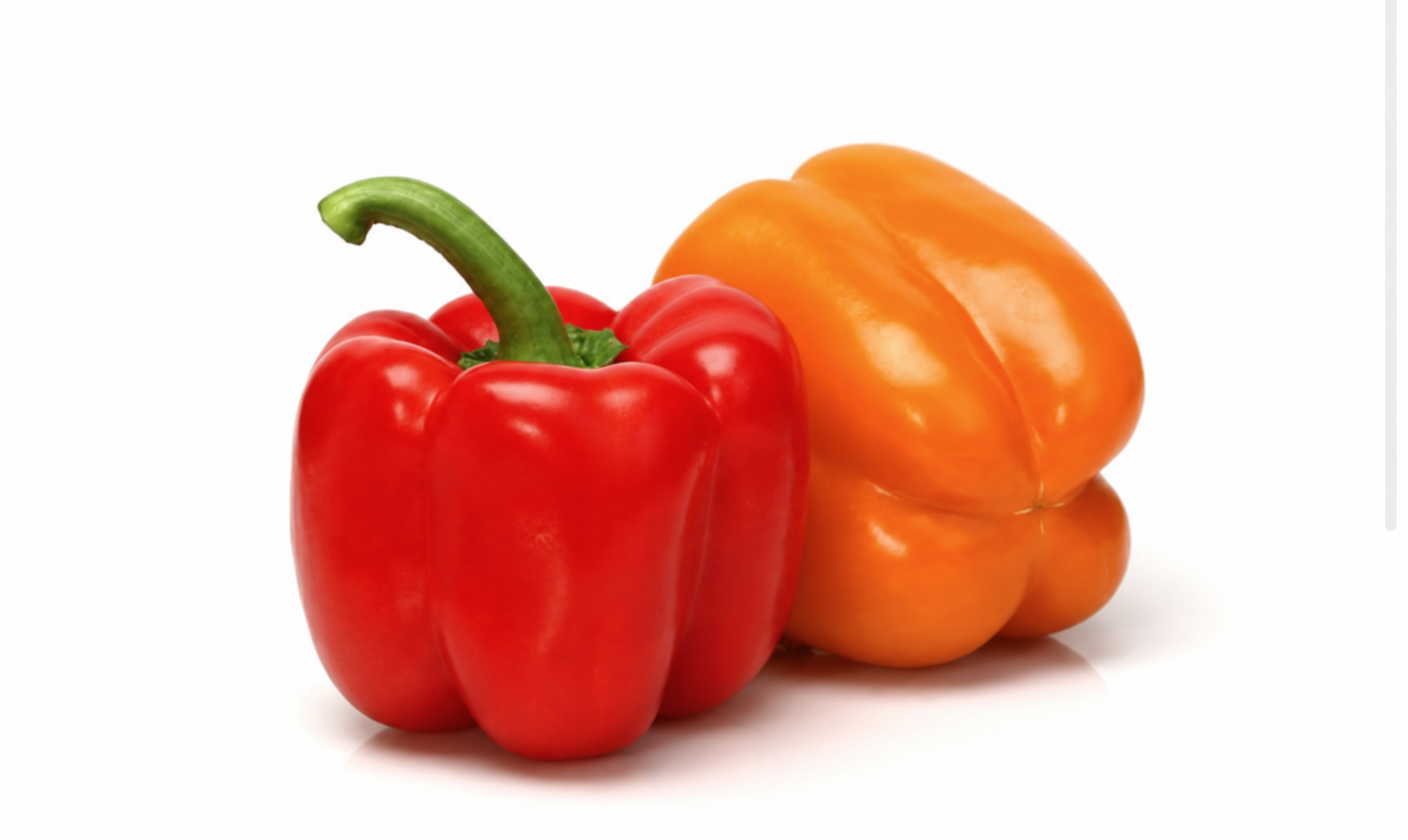
Red and orange bell peppers provide vitamin A precursors to support eye health
Bell peppers, especially red and orange varieties, provide carotenoids and plenty of vitamin C while being low in calories. Vitamin A and beta-carotene in bell peppers help maintain corneal health and improve vision.
You can eat them raw (in salads), stir-fry them briefly over high heat, or pan-sear them to retain as much vitamin C and other nutrients as possible. Vitamin A is fat-soluble, so pair bell peppers with olive oil, nuts, or salmon to help your body absorb eye-supporting nutrients more effectively. If you dislike their slightly pungent taste when raw, try briefly stir-frying or roasting them for a milder, sweeter flavor. Eat about 1 bell pepper per day (or keep your daily intake below 200g); people with stomach conditions should limit their consumption of raw bell peppers.
Tomatoes
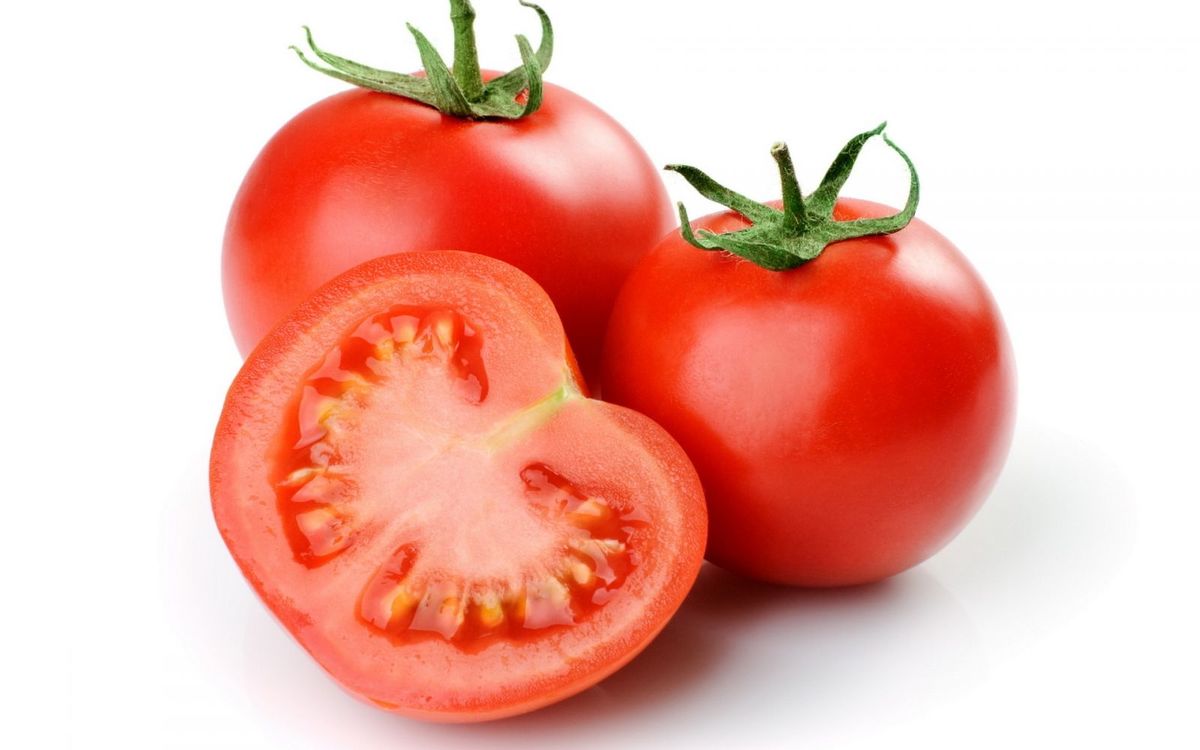
Tomatoes provide vitamin A precursors, contributing to eye health
Tomatoes contain moderate amounts of beta-carotene along with lycopene, lutein, and zeaxanthin, all of which are beneficial for the eyes, helping protect the retina and eye cells from damage caused by ultraviolet (UV) rays in sunlight and reducing the risk of cataracts and macular degeneration. Cooking tomatoes with a little oil helps improve the absorption of these compounds compared with eating them raw.
Broccoli
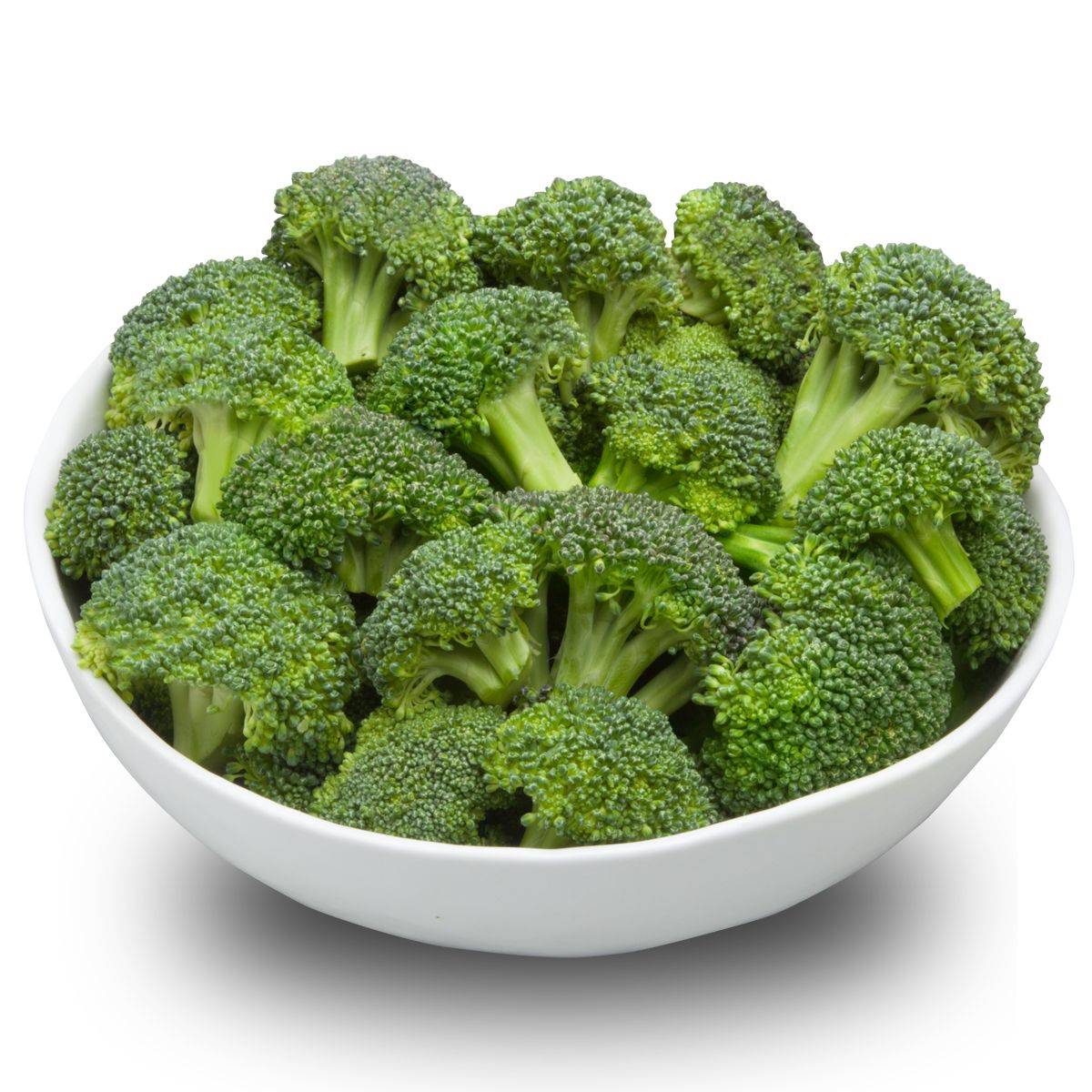
Broccoli provides vitamin A precursors that help maintain eye health
Broccoli is a highly nutritious food, providing around 60 micrograms of vitamin A per serving. In addition to vitamin A, broccoli provides vitamin B2, which helps reduce eye fatigue and blurred vision and prevent sensitivity to light, as well as sulforaphane, a potent antioxidant that helps combat inflammation and protect eye cells. Broccoli should be steamed or briefly boiled to retain its green color and crispness.
Note: If you are taking blood-thinning medication or have a thyroid condition, consult your doctor before eating excessive amounts of broccoli, as this vegetable may interact with your medication or condition.
Final thoughts
In conclusion, vitamin A-rich foods are varied and readily available in most household kitchens. Rather than relying heavily on a single food, rotate colorful vegetables, small amounts of animal foods, and healthy fats into your meals. This approach both protects your eyes and supports overall health.
The information in this article is for reference only and does not replace advice from a doctor or nutrition professional. If you experience signs of night blindness or persistent dry eyes, or wish to take vitamin A supplements, seek an examination and professional advice first.

 23/10/2026















 0916.741.763
 Appointment
