

 vi
 23-Oct-2026
 950
Can eye drops cure myopia?
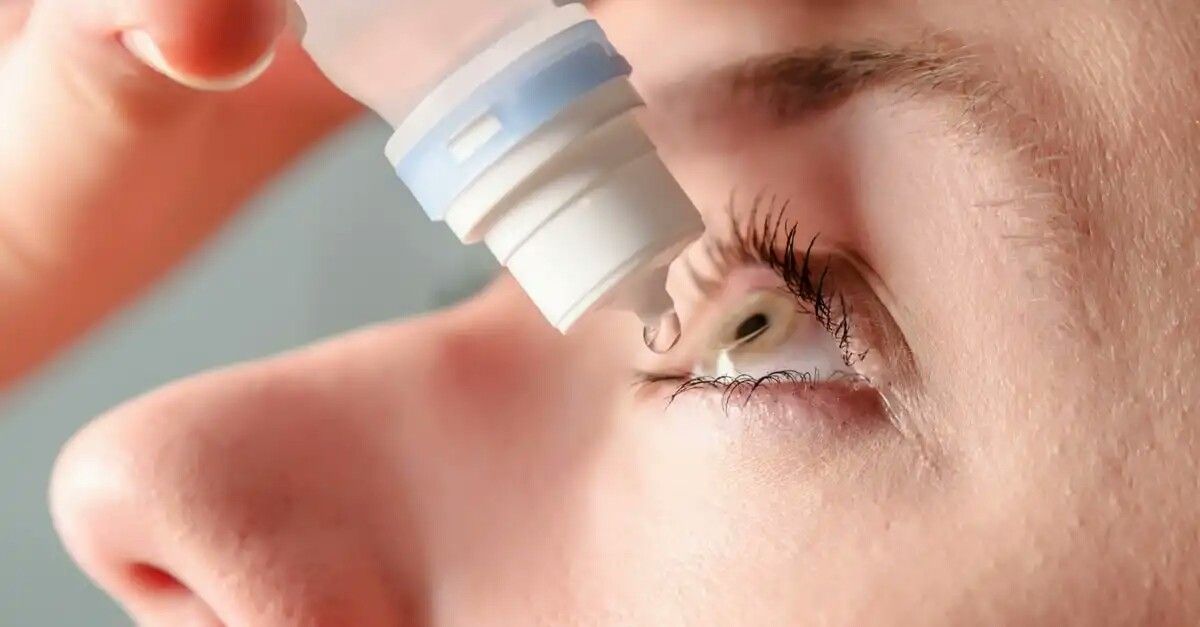
Eye drops cannot cure myopia at all. Myopia occurs when the eyeball is longer than normal or the eye’s light-focusing power is too strong, causing images to focus in front of the retina rather than directly on it. Ordinary eye drops sold at pharmacies cannot change this structure, so they cannot reduce the degree of myopia.
Can eye drops cure myopia?
“Eye drops for myopic eyes” should be understood as drops that help people with myopia feel more comfortable: moisturizing dry eyes, soothing tired eyes, and washing away dust and debris. This is symptom management, not treatment of the underlying cause.
There is one exception worth knowing about: low-dose atropine (usually 0.01% – 0.05%) is an eye drop that has been studied for slowing the progression of myopia in children. However, it is a prescription medication that requires an ophthalmologist to examine the child, prescribe the dosage, and conduct regular follow-ups. You should not buy and use it on your own.
Why do people with myopia often experience dry and tired eyes?
- Blinking less during near work. When focusing on a screen or a page, blinking decreases significantly, causing tears to evaporate faster and the eye surface to become dry more easily.
- The focusing muscles work continuously. Prolonged near work requires sustained contraction of the ciliary muscle, leading to aching and fatigue around the eyes, sometimes accompanied by headaches.
- Wearing contact lenses. Contact lenses can make the tear film less stable, leaving the eyes feeling gritty and more uncomfortable toward the end of the day.
- The environment. Air-conditioned rooms, wind, dust, and vehicle exhaust can all make the eye surface more prone to irritation.
Common categories of eye drops
Before looking at individual products, you should distinguish between the 4 main categories, as each addresses a different problem:
- Artificial tears: add moisture and lubricate the eye surface, making them the most suitable option for dry eyes.
- Vitamin eye drops: help relieve eye fatigue and often contain vitamins B, E, or cyanocobalamin (B12).
- Multipurpose eye drops and eyewashes: used for mild discomfort and to remove dust, debris, and eye discharge.
- Cooling and redness-relief eye drops: provide quick comfort, with some containing additional vasoconstrictor ingredients.
15 popular eye drops
Category 1: Artificial tears for dry eyes
1. Systane Ultra (Alcon) An artificial tear product trusted by many office workers. The drops create a lubricating layer on the eye surface, temporarily relieving burning and irritation caused by dryness. Instill 1 – 2 drops each time your eyes feel dry.
2. Tears Naturale II Used to relieve stinging and discomfort caused by dry eyes, as well as mild irritation from exposure to wind and sunlight. Doctors may also consider this category of eye drops for certain medical conditions involving dry eyes, such as Sjögren’s syndrome. Instill 1 – 2 drops into the affected eye.
3. Optive UD (Allergan) Supplied in disposable single-dose vials to lubricate the eyes and relieve dryness. Doctors also often recommend these drops to soothe the eyes after surgery. If you have recently undergone eye surgery, use them exactly as directed by your doctor.
4. Cationorm An eye drop emulsion rather than a solution, helping protect and stabilize the tear film. An advantage is its compatibility with all types of contact lenses, making it particularly suitable for people with myopia who wear contact lenses for long hours. Instill 1 – 2 drops as needed.
Category 2: Vitamin supplementation for eye fatigue relief
5. Sancoba 0.02% The main active ingredient is cyanocobalamin (vitamin B12). It is indicated for accommodative eye fatigue, which occurs when the eye muscles strain to focus on close objects for too long. The usual dosage is 1 – 2 drops in each eye, 3 – 5 times daily, or as directed by your doctor.
6. Eyelight Vita Contains B vitamins such as B1, B2, and PP, and is used for tired, itchy, red, watery, or dry eyes. The product also helps cleanse and moisturize the eye surface. Instill 1 – 2 drops in each eye, 3 – 4 times daily.
7. V.Rohto Vitamin Provides vitamins B6 and E, along with ingredients that help the eyes recover after a stressful day. These drops are suitable for tired, itchy eyes or discomfort caused by dust, sweat, or swimming. Instill 2 – 3 drops each time, 5 – 6 times daily.
8. Eyemiru 40 EX A Japanese product that helps relieve eye fatigue, redness, itching, and discomfort associated with wearing rigid contact lenses. The suggested dosage is 1 – 3 drops in each eye, 3 – 6 times daily, or as directed by your pharmacist.
Category 3: Multipurpose eye drops and eyewashes
9. Osla Can be used for various symptoms: tiredness, itching, grittiness, stinging, redness, and temporary blurred vision; it can also be used as an eyewash to remove dust, debris, and eye discharge. Suitable for use after being outdoors or working for long periods. The suggested dosage is 2 – 4 drops in each eye, 4 – 6 times daily.
10. Eskar DK Can be used by adults and children over 2 years old. The drops help relieve tiredness, itching, and burning caused by reading, computer use, or exposure to wind, dust, or smoke; they can also be used as an eyewash. Instill 2 – 3 drops in each eye, 2 – 4 times daily.
Category 4: Cooling and redness-relief eye drops
11. Eyelight Cool Moisturizes and provides a cooling sensation, making it suitable for people who frequently stay in air-conditioned rooms or spend long periods looking at screens. An important note: some sources advertise this product as “preventing myopia progression,” but there is no scientific basis for that claim for ordinary eye drops. Consider this an eye-soothing product. Instill 1 – 2 drops, 3 – 4 times daily.
12. V.Rohto Cool Provides an immediate cooling sensation and relieves redness and itching, offering comfort after a long day. Instill 2 – 3 drops each time, 5 – 6 times daily.
13. V.Rohto Lycée Combines vitamins B6 and B12, zinc sulfate, and active ingredients for redness relief and antihistamine action. Because it contains a vasoconstrictor, it quickly makes the eyes look whiter but should not be used for prolonged periods. Instill 2 – 3 drops, 5 – 6 times daily, for a short period.
14. Daigaku Similar to Lycée, Daigaku contains naphazoline, chlorpheniramine, and zinc sulfate, and is used for eye fatigue, conjunctival redness, itching, and blurred vision caused by eye discharge. The suggested dosage is 2 – 3 drops in each eye, 5 – 6 times daily, but use should be short-term.
15. V.Rohto For Kids A product specifically formulated for children to help relieve redness, itching, and eye fatigue, and help prevent irritation caused by dust or swimming. The suggested dosage for children aged 4 months to 15 years is 2 – 3 drops each time, 5 – 6 times daily. For young children, you should still consult a doctor or pharmacist before use.
How to choose suitable eye drops

How to choose suitable eye drops
- Identify your main problem. For dry eyes, prioritize artificial tears; for eye fatigue caused by near work, consider vitamin eye drops; for dust and debris, choose an eyewash.
- Read the ingredients carefully. Active ingredients such as sodium hyaluronate, glycerin, and polyethylene glycol provide effective moisture retention. Vitamins B6 and B12 help relieve eye fatigue.
- Be cautious with preservatives. If you use eye drops frequently, prioritize products without benzalkonium chloride (BAK) or those supplied in single-dose vials, as BAK can cause irritation with prolonged use.
- Do not overuse redness-relief eye drops. Products containing naphazoline or tetryzoline constrict blood vessels, making the eyes look whiter immediately, but continuous use can cause rebound redness. If you use them daily just to “make your eyes look better,” that is a sign you should have your eyes examined.
- If you wear contact lenses, choose the right type. Ask your pharmacist whether the drops can be used while wearing contact lenses, or remove your lenses before instilling them.
How to use eye drops correctly for effective results
- Wash your hands thoroughly before using the drops.
- Tilt your head back slightly and pull down your lower eyelid to form a small “pocket.”
- Instill the drops into this pocket without allowing the bottle tip to touch your eye or eyelid.
- Gently close your eyes for 1 – 2 minutes; you may gently press the inner corner of your eye near your nose to prevent the drops from draining into your throat.
- If you use more than one type of eye drop, leave about 5 minutes between them.
- Replace the cap immediately and record the date the bottle was opened; generally, the bottle should be discarded about 1 month after opening unless the label states otherwise.
Conclusion
Eye drops do not reduce the degree of myopia, but choosing the right type can make your hard-working eyes feel more comfortable. Choose artificial tears for dry eyes, consider vitamin eye drops for eye fatigue, and use redness-relief eye drops only for short periods. Most importantly, maintain healthy visual habits and have regular eye examinations.
The information in this article is for reference only and does not replace a doctor’s diagnosis or treatment instructions. Consult an ophthalmologist or pharmacist before using any eye drops.

 23/10/2026










 0916.741.763
 Appointment
