

 vi
vi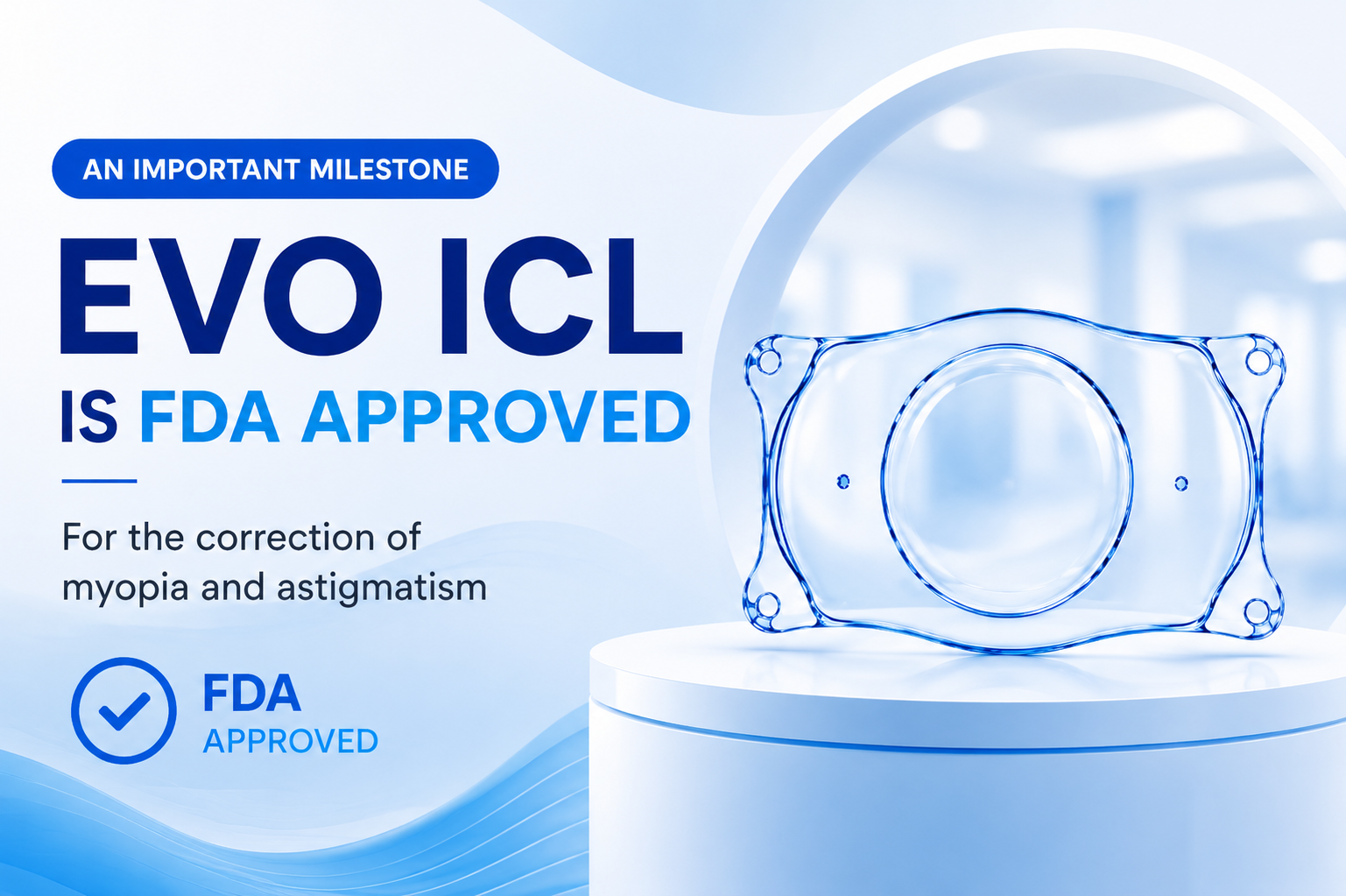
 10/06/2026
 226.3K
FDA Approval of EVO ICL Marks an Important Milestone in Myopia and Astigmatism Correction
EVO ICL is one of the modern refractive vision correction technologies that has gained increasing attention among people with myopia and myopic astigmatism. In March 2022, the U.S. Food and Drug Administration, commonly known as the FDA, approved the EVO/EVO+ Visian Implantable Collamer Lens and the EVO/EVO+ Visian Toric Implantable Collamer Lens by STAAR Surgical. […]
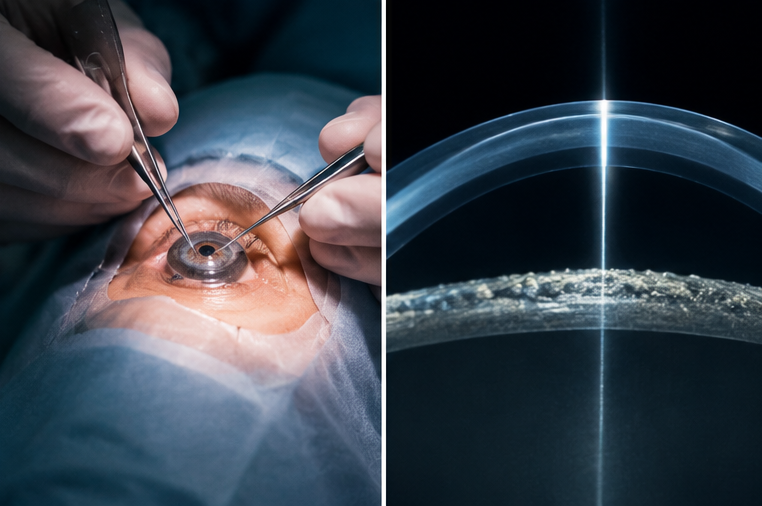
Treatment Method for Myopia in Patients with Thin Corneas
Over the past decades, refractive surgery has helped millions of people worldwide reduce or eliminate their dependence on eyeglasses and contact lenses. However, not everyone with myopia is a suitable candidate for traditional laser-based procedures. One of the most common reasons patients are deemed ineligible for LASIK or similar techniques is a thin cornea. What […]

How Actress Truc Anh Preserves Her “Dreamy Eyes” After Phakic ICL Surgery
Audiences across Vietnam were captivated by Trúc Anh’s sparkling, expressive eyes in the beloved film Dreamy Eyes. However, for the actress herself, beautiful eyes must first and foremost be healthy eyes with clear vision. That is the true priceless asset worth cherishing and protecting every day, both for her artistic career and her daily life. […]
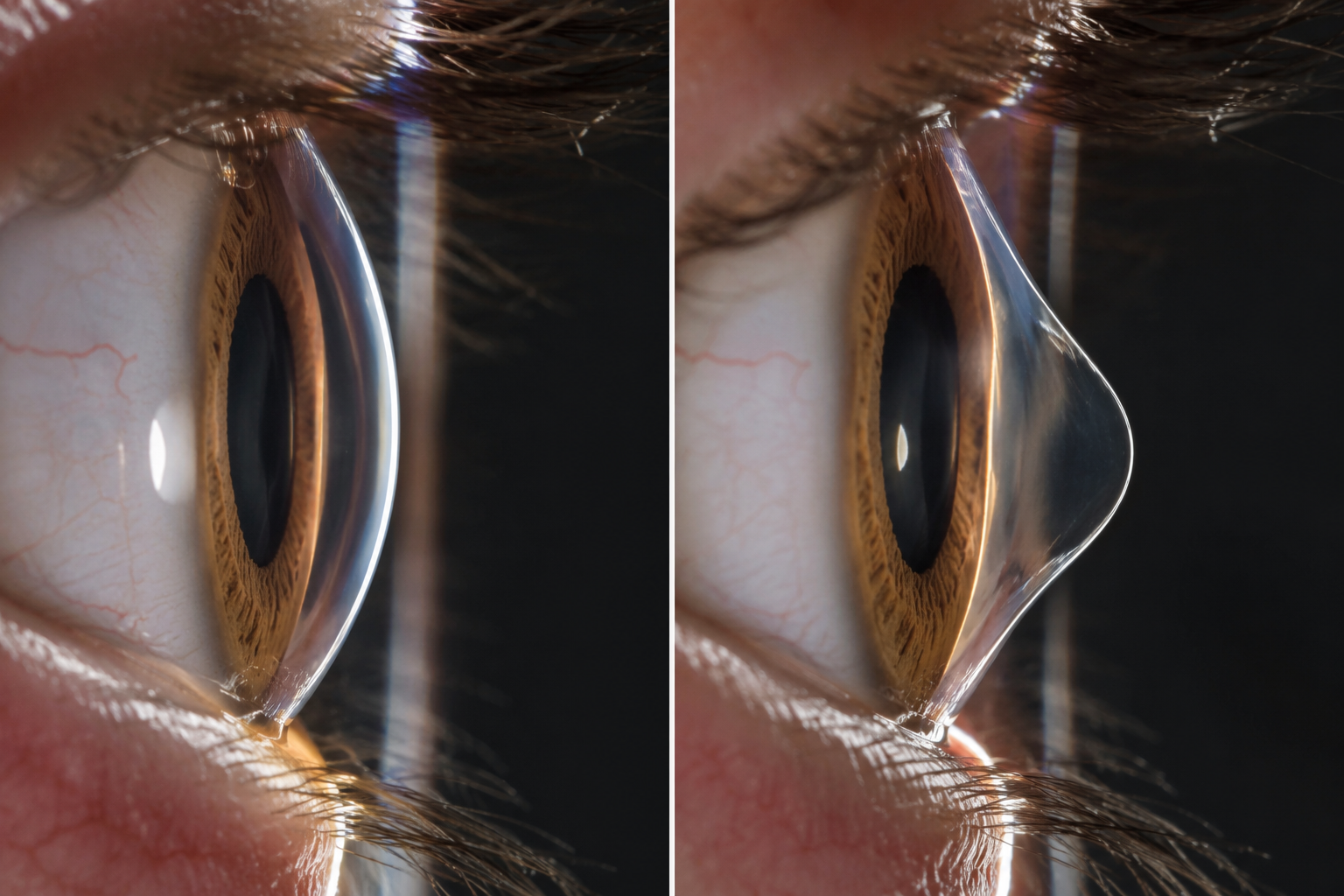
Thin Cornea and Keratoconus: What’s the Difference?
Understanding Thin Corneas What Is a Thin Cornea? The cornea is the transparent tissue located at the front of the eye and is responsible for approximately 65–75% of the eye’s refractive power. According to numerous ophthalmic studies, the average central corneal thickness in adults typically ranges from 520–550 µm. Some individuals have thinner-than-average corneas while […]

Night Halos vs. Glare vs. Dazzle: Key Differences Explained
Overview of Night Vision Disturbances To understand why these visual phenomena occur, it is important to examine how the eye adapts to darkness. When ambient light decreases, the pupil (the dark center of the eye) dilates to allow as much light as possible to enter. However, when the pupil enlarges, light rays pass through the […]

Can Thin Corneas Be Treated with Refractive Surgery?
What Is a Thin Cornea? The cornea is the transparent tissue located at the front of the eye, acting as a “natural lens” that helps focus light onto the retina. In healthy adults, the average central corneal thickness typically ranges from 520–550 micrometers (µm). When corneal thickness falls below the average range, doctors may classify […]

Sudden Blurry Vision: When Should You Be Concerned?
What Is Sudden Blurry Vision? Sudden blurry vision is defined as a rapid loss of image sharpness and clarity that occurs in one or both eyes. Unlike nearsightedness, farsightedness, or presbyopia, which develop gradually over many years, sudden blurry vision occurs unexpectedly without a long-term warning period. Patients often feel as though a thick fog […]

11 Careers That Benefit Most from Refractive Eye Surgery
What Is Refractive Eye Surgery? Refractive eye surgery is a medical term that refers to surgical procedures performed on the eye, most commonly involving the cornea or the crystalline lens, to alter the way light is focused so that images are projected accurately onto the retina. As a result, people with myopia can restore clear […]

Required Screenings Before Refractive Surgery
What Is Refractive Surgery? To understand why screening is necessary, we first need to understand the nature of refractive surgery. Refractive surgery is a medical term that refers to surgical procedures (typically using laser technology or implantable intraocular lenses) designed to alter the focusing power of the eye’s optical system (including the cornea and crystalline […]

Stages of chronic dry eye progression
What Is Dry Eye? Dry Eye Syndrome is a disorder of the tear film that occurs when the eyes do not produce enough tears or when tear quality is inadequate, preventing proper lubrication and nourishment of the ocular surface. The tear film consists of three closely coordinated layers: Lipid Layer (outermost): Produced by the Meibomian […]


