

 vi
vi 08-May-2026
 34,200
 In modern life, our eyes are constantly working under high intensity and facing countless harmful environmental factors. Did you know that every time you step outside, your eyes are exposed to millions of fine dust particles, bacteria, and harmful radiation?
What Is Eye Hygiene and Why Is It So Important?

How to clean your eyes after being outdoors
Eye hygiene refers to a combination of cleaning methods used to remove dirt, toxins, and disease-causing microorganisms from the surface of the eyeball, eyelids, and surrounding skin. The goal is to maintain a relatively sterile environment and support the stable function of the tear glands and oil glands.
The eyes are among the most sensitive organs in the body. According to ophthalmology studies, the eyes have a very large exposure area to the environment despite frequent blinking.
- Protection against environmental factors: Fine dust (PM2.5), vehicle exhaust, and airborne bacteria are leading causes of eye irritation.
- Maintaining vision: Clean eyes help reduce eye strain, dry eyes, and ensure optimal visual information processing.
- Preventing eye diseases: Poor eye hygiene is one of the fastest routes to chronic infections that may lead to corneal scarring and blindness.
Warning Signs That Your Eyes Need Cleaning
If you experience the following symptoms after returning from outside, your eyes may need immediate cleaning:
- A gritty or burning sensation, as if there is sand inside the eyes.
- Red eyes caused by dilated conjunctival blood vessels due to irritation.
- Excessive tearing, which is the eye’s natural response to flush out foreign particles.
- Increased eye discharge, especially yellow or green discharge, which may indicate bacterial infection.
- Temporary blurred vision caused by disruption of the tear film due to dust and debris.
According to a survey conducted in major urban areas, up to 65% of motorbike riders experience dry and red eyes after long-distance travel without proper eye protection or post-travel cleaning.
Dangerous Eye Conditions Related to Poor Eye Hygiene
Neglecting eye hygiene after being outdoors may lead to serious consequences:
- Conjunctivitis (Pink Eye): Caused by bacteria or viruses entering the eyes when dirt remains for too long.
- Blepharitis: Oil glands at the base of the eyelashes become clogged by dust and chemicals, leading to swelling and eyelash loss.
- Corneal Ulcers: A small dust particle that is not properly removed and is rubbed aggressively may scratch the cornea, allowing fungi and bacteria to penetrate deeper.
- Dry Eye Syndrome: Dust and smoke accelerate tear evaporation, leaving the eyes chronically dry.
Detailed Guide to Proper Eye Cleaning
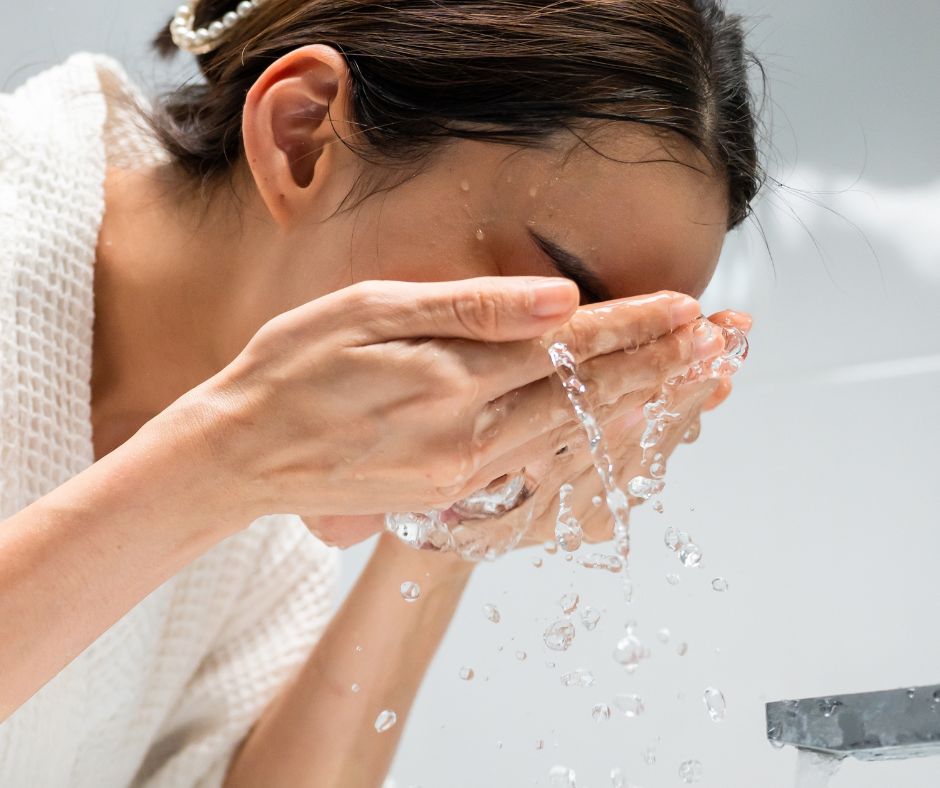
Detailed guide to eye cleaning
1. Daily Eye Cleaning After Being Outdoors
This is the most basic process to remove road dust:
- Wash your hands: Always begin by thoroughly washing your hands with antibacterial soap. Dirty hands are one of the fastest ways to transfer bacteria to the eyes.
- Use saline solution: Apply 1–2 drops of 0.9% NaCl saline solution to rinse away fine dust from the eye surface.
- Clean gently: Use sterile gauze or a clean cloth soaked in saline to gently wipe from the inner corner toward the outer corner of the eye.
- Eyelid care: Use a cotton swab dipped in saline solution to gently clean the lash line and remove trapped debris.
2. Handling Dust or Larger Foreign Objects
- Never rub your eyes, as this may push the foreign object deeper into the cornea.
- Pull the eyelid gently and blink repeatedly so natural tears can help flush the object out.
- Rinse the eyes using a bowl of clean water or a dedicated eye wash cup, blinking continuously for about 15 minutes.
3. Cleaning Eyes Exposed to Chemicals (Industrial Smoke, Cleaning Agents, etc.)
If your eyes come into contact with chemicals, rinse them immediately under gently running water for at least 15–20 minutes.
Note: If you wear contact lenses, remove them immediately before rinsing. Then seek medical attention at the nearest healthcare facility as soon as possible.
4. Cleaning Eyes with Pus or Mucus
This situation commonly occurs when the eyes are already infected. You should:
- Apply a warm compress over the eyes for 2–3 minutes to soften hardened discharge.
- Use a separate gauze pad for each eye to avoid cross-contamination.
While the eyes are producing a lot of discharge, patients should avoid touching their eyes with their hands and should not share towels, pillows, or eye cosmetics with others to reduce the risk of spreading bacteria.
Common Dangerous Mistakes and Expert Warnings
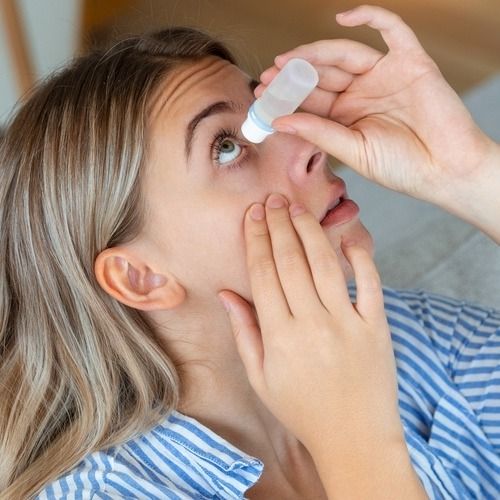
Another dangerous mistake is using corticosteroid eye drops without medical supervision
1. Making Homemade Saline Solution
Many people mix table salt with water to wash their eyes. However, incorrect salt concentration and non-sterile water may cause eye membrane burns or worsen infections.
Therefore, experts recommend using only medically approved 0.9% saline solution with a clear expiration date.
2. Sharing Towels
Sharing face towels, eye towels, wash basins, or eye cosmetics is one of the most common reasons pink eye spreads rapidly within families, schools, and workplaces. Bacteria and viruses can survive on towel surfaces for hours or even days.
If the eyes show signs of redness, discharge, or irritation, each person should use separate towels, wash them frequently, and dry them in a clean, ventilated area.
3. Using Corticosteroid Eye Drops Without Guidance
Another dangerous mistake is purchasing “quick redness relief” or “instant whitening” eye drops without knowing they contain corticosteroids. Although they may temporarily soothe the eyes, prolonged misuse of corticosteroids can lead to glaucoma, cataracts, corneal infections, and optic nerve damage.
In particular, many cases of Glaucoma progress silently due to improper medication use and are only detected after significant vision loss has already occurred.
How to Protect Your Eyes Long-Term
To avoid complicated eye cleaning routines, proactively protect your eyes with the following habits:
- Wear protective glasses or sunglasses when going outside. Glasses not only block UV rays but also act as a shield against dust and insects. Choose glasses that fit closely around the face.
- Helmets with visors are also an excellent option for long-distance motorbike riders.
- Consume foods rich in Vitamins A, C, E, and Omega-3 such as salmon, carrots, broccoli, and nuts. One study found that people who consume enough Omega-3 reduce their risk of dry eye syndrome by 30%.
- You should have an eye examination at least once a year. Ophthalmologists can detect tiny corneal damage caused by long-term dust accumulation that may not be visible to the naked eye.
Start building the habit of proper eye hygiene today, especially after returning from dusty roads. Healthy eyes are the foundation of a high-quality and energetic life.
Note: This article is for reference purposes only. If you experience severe eye pain or sudden vision loss, seek immediate medical attention at a specialized eye hospital.

 14/10/2026










 0916.741.763
 Appointment