

 vi
vi 05-May-2026
 49,400
 The decision to undergo refractive surgery (vision correction) is not only a turning point for your eyesight but also a significant investment in your quality of life. In the context of rapidly advancing medical technology in 2026, eye hospitals commonly introduce the concept of an “all-inclusive vision correction package cost.”
So what does “all-inclusive” actually cover? Are there any hidden fees you might not be aware of? Let’s break down each cost component in detail so you can be financially prepared.
Pre-operative examination & testing costs

What does an all-inclusive vision correction package include?
Before stepping into the operating room, your eyes must undergo a comprehensive and rigorous examination. This is the most critical step to ensure both safety and effectiveness after surgery.
-
Advanced examination and imaging diagnostics: You will undergo automated refraction measurement, objective visual acuity testing, corneal topography (to detect keratoconus), corneal thickness measurement, and fundus imaging to screen for retinal conditions.
-
Blood tests: More invasive procedures such as Phakic ICL may require blood tests to ensure baseline health indicators are within safe limits.
-
Professional consultation: Based on your results, the doctor will advise which method (SMILE Pro, Femto LASIK, or Phakic) is most suitable for your eye structure and budget.
These examinations help doctors rule out risks such as thin cornea, potential keratoconus, or retinal diseases. Importantly, choosing the right method from the beginning helps you avoid additional costs for corrective procedures or complications later.
Some clinics refund the examination fee if you proceed with surgery, which may cause some people to underestimate its importance. However, for doctors, this step determines up to 70% of the surgery’s success.
Typically, pre-operative examination costs range from 500,000 VND to 2,000,000 VND. However, many hospitals now offer refunds or deduct this fee directly from the surgery cost if you register for the procedure immediately afterward.
Surgery cost (largest portion)
This is the largest component of the total cost, reflecting both the level of technology and medical expertise.

Surgery costs also reflect technological level and medical expertise.
Surgical technology
Costs depend entirely on the method you choose.
- LASIK/Femto LASIK: Uses laser to create a corneal flap.
- ReLEx SMILE / SMILE Pro / CLEAR: Flapless technology with a very small incision and fast recovery.
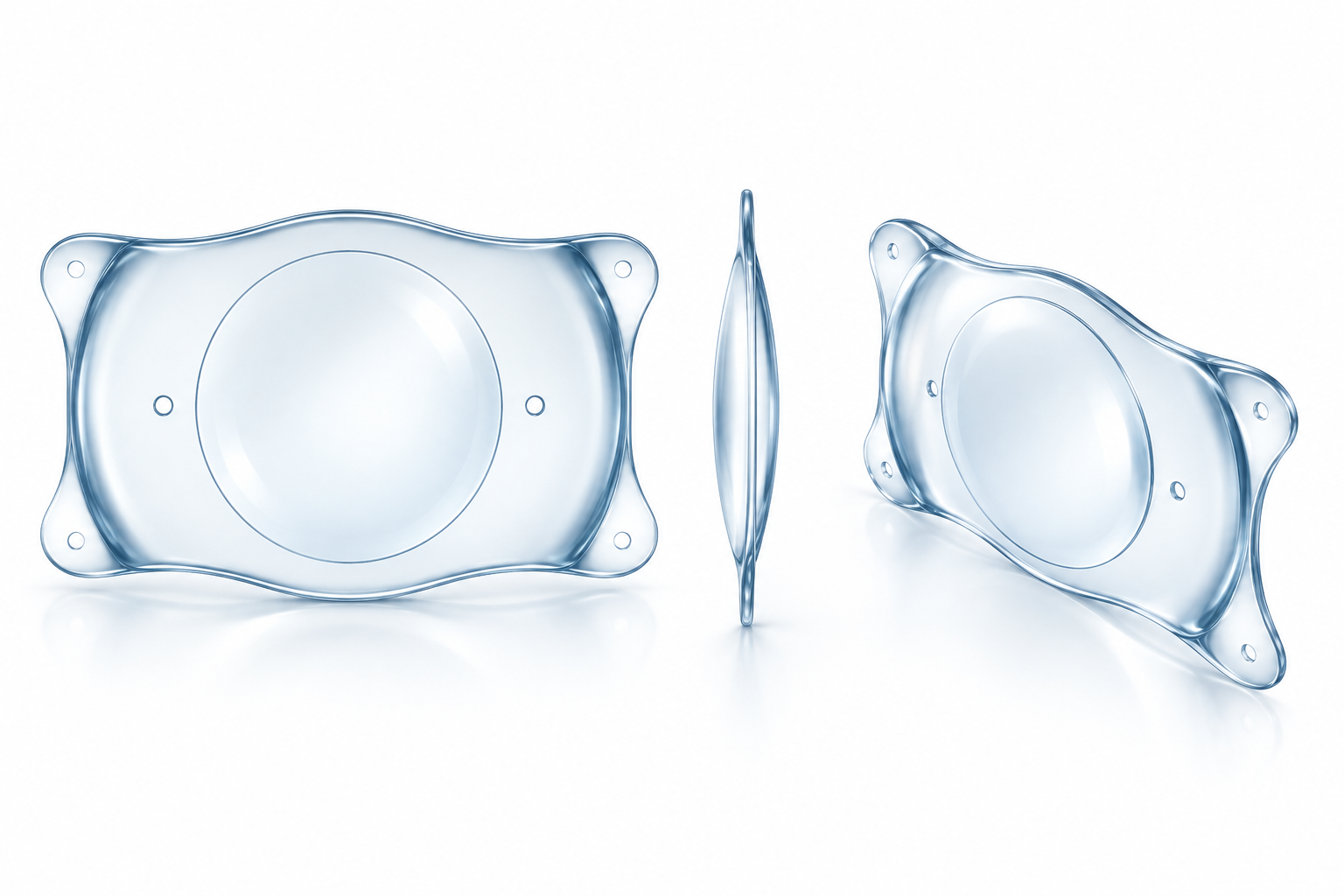
- Phakic ICL: Implantation of an intraocular lens (typically the most expensive due to custom lens manufacturing for each individual).
Materials and equipment systems
Each surgery requires a single-use sterile surgical kit, antiseptic medications, and especially the licensing fee (key) to activate the laser machine for each eye.
-
Positive-pressure operating room system: This cost ensures a fully sterile environment, controlled temperature, and humidity for optimal laser performance.
-
Doctor’s qualifications and expertise: If you request surgery by a medical director or leading experts with tens of thousands of successful cases, the fee may be higher than standard packages.
Post-operative care & follow-up costs
A true “all-inclusive” package ensures that you won’t need to pay extra for essential needs after leaving the operating room.
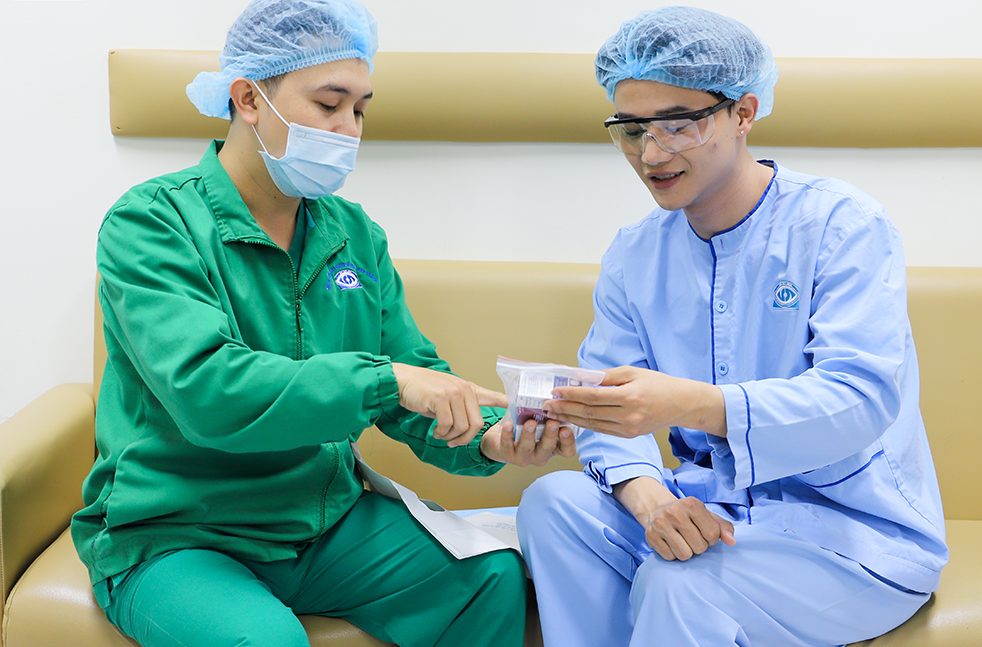
Post-operative care costs for vision correction
Post-surgery medication
This package usually includes a medication kit: antibiotic eye drops, anti-inflammatory drugs, and especially preservative-free artificial tears used during the first 1–3 months to prevent dry eyes.
Care kit
- Protective glasses (sunglasses) to shield against dust and UV rays.
- Eye shields worn during sleep in the first week to avoid accidental rubbing.
Scheduled follow-up visits
Most hospitals offer free follow-up visits within the first 12 months after surgery (at intervals: 1 day, 1 week, 1 month, 3 months, 6 months, and 1 year). This is essential for monitoring vision stability.
Costs typically NOT included in all-inclusive packages
To avoid misunderstandings, you should be aware of items usually excluded from the package:
-
Special medications: If you have sensitive eyes or develop conditions such as severe infections or prolonged dry eye requiring specialized treatment beyond standard medications.
-
Treatment of rare complications: Although complication rates are very low, additional interventions in case of issues are usually charged separately or covered by health insurance.
-
Post-warranty examinations: After 12 months (or depending on hospital policy), routine eye check-ups will be charged as standard consultations.
-
Enhancement surgery: In cases of regression or suboptimal results (rare), some hospitals offer free enhancement, while others may charge for consumables. You should clarify the warranty or retreatment policy before signing.
Advice when choosing a vision correction package
In 2026, refractive surgery pricing has become more competitive, but be cautious of “surprisingly cheap” offers. Ask consultants the following questions:
-
Does this price include the laser licensing fee?
-
Do I need to purchase additional artificial tears in the first month?
-
What is the warranty policy and how are cases of vision regression after one year handled?
An ideal all-inclusive vision correction package is not just about a number—it is about peace of mind from the initial consultation to full visual recovery. Hopefully, this article has helped you understand where your money goes, so you can confidently move forward on your journey to clearer vision.

 01/10/2026










 0916.741.763
 Appointment