

 vi
vi 16-Jun-2026
 60,990
 How Does Natural Light Affect the Eyes?
When natural light enters the eyes, it undergoes a complex series of refraction and signal conversion processes.

How Does Natural Light Help Protect the Eyes?
The Process of Light Refraction in the Eye
First, light passes through the cornea, continues through the anterior chamber and pupil, is focused by the crystalline lens, and travels through the vitreous humor so that the focal point falls precisely on the retina located at the back of the eye. Here, natural light stimulates two primary groups of photoreceptor cells: rod cells, which are responsible for vision under low-light conditions, and cone cells, which are responsible for daytime vision and detailed color perception.
In addition, studies from the U.S. National Eye Institute (NEI) have highlighted the role of a group of intrinsically photosensitive retinal ganglion cells containing the pigment melanopsin. These cells play a key role in detecting natural light intensity and transmitting signals directly to the suprachiasmatic nucleus of the hypothalamus to regulate biological functions.
The Biological Mechanism of the Eye
The most important biological mechanism through which natural light helps prevent myopia is the stimulation of the release of the neurotransmitter dopamine within the retina, a process widely recognized as the Retinal Dopamine Pathway.
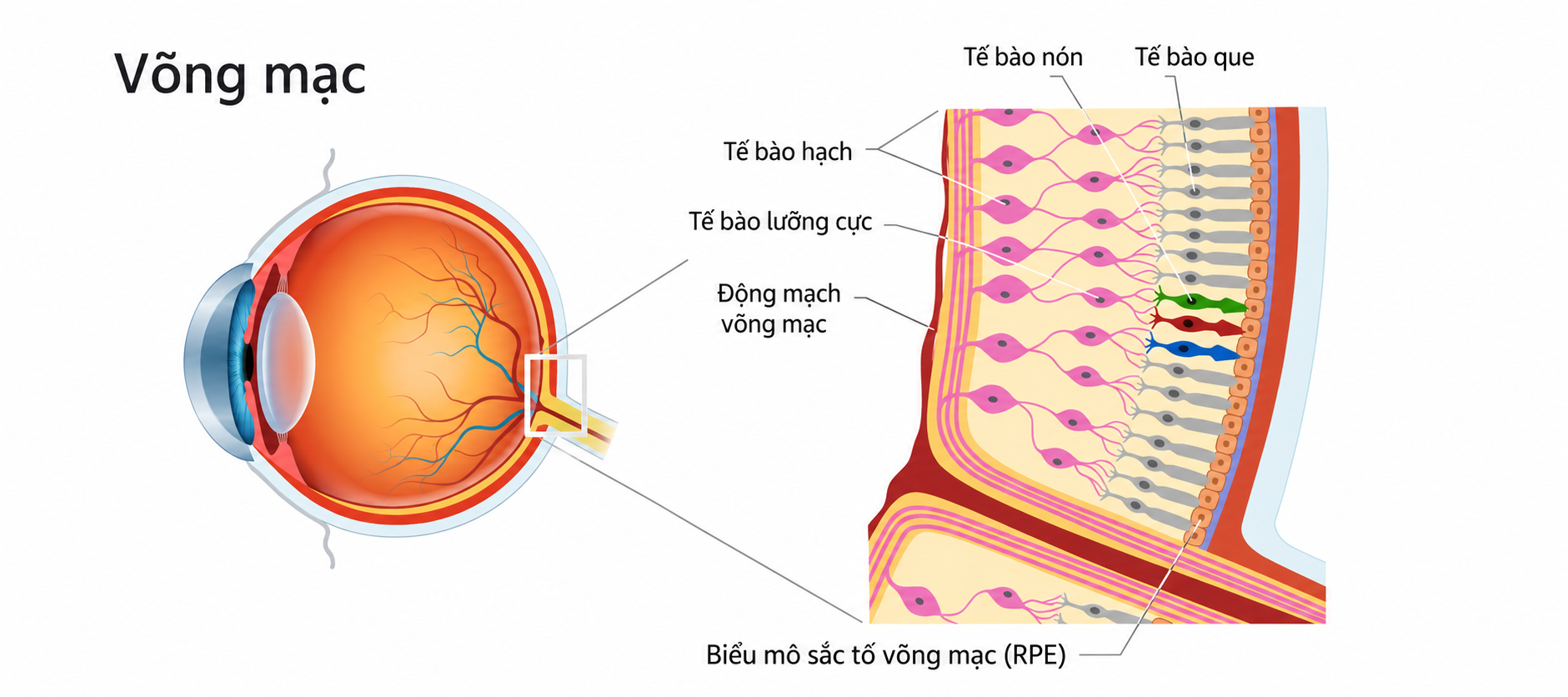
Anatomy of the Human Retina
Sunlight is extremely intense, ranging from 10,000 lux to more than 100,000 lux on a clear day, whereas artificial lighting in classrooms and offices typically reaches only about 100 to 500 lux.
This enormous difference in light intensity activates amacrine cells in the retina, increasing the synthesis and release of dopamine into the extracellular environment.
Retinal dopamine acts as a natural biological inhibitor of scleral growth.
When dopamine levels are maintained at a high level through adequate exposure to natural light, this neurotransmitter binds to dopamine receptors (particularly D2 receptors) on retinal and choroidal cells, slowing extracellular matrix synthesis and collagen remodeling within the sclera. As a result, the elongation of the eyeball’s axial length is regulated and maintained within a normal physiological range, effectively preventing the progression of myopia.
Why Are Children Who Spend More Time Outdoors Less Likely to Become Myopic?
The causal relationship between outdoor activity and a reduced incidence of myopia in children has been demonstrated through numerous large-scale clinical studies worldwide, particularly in East Asian countries.
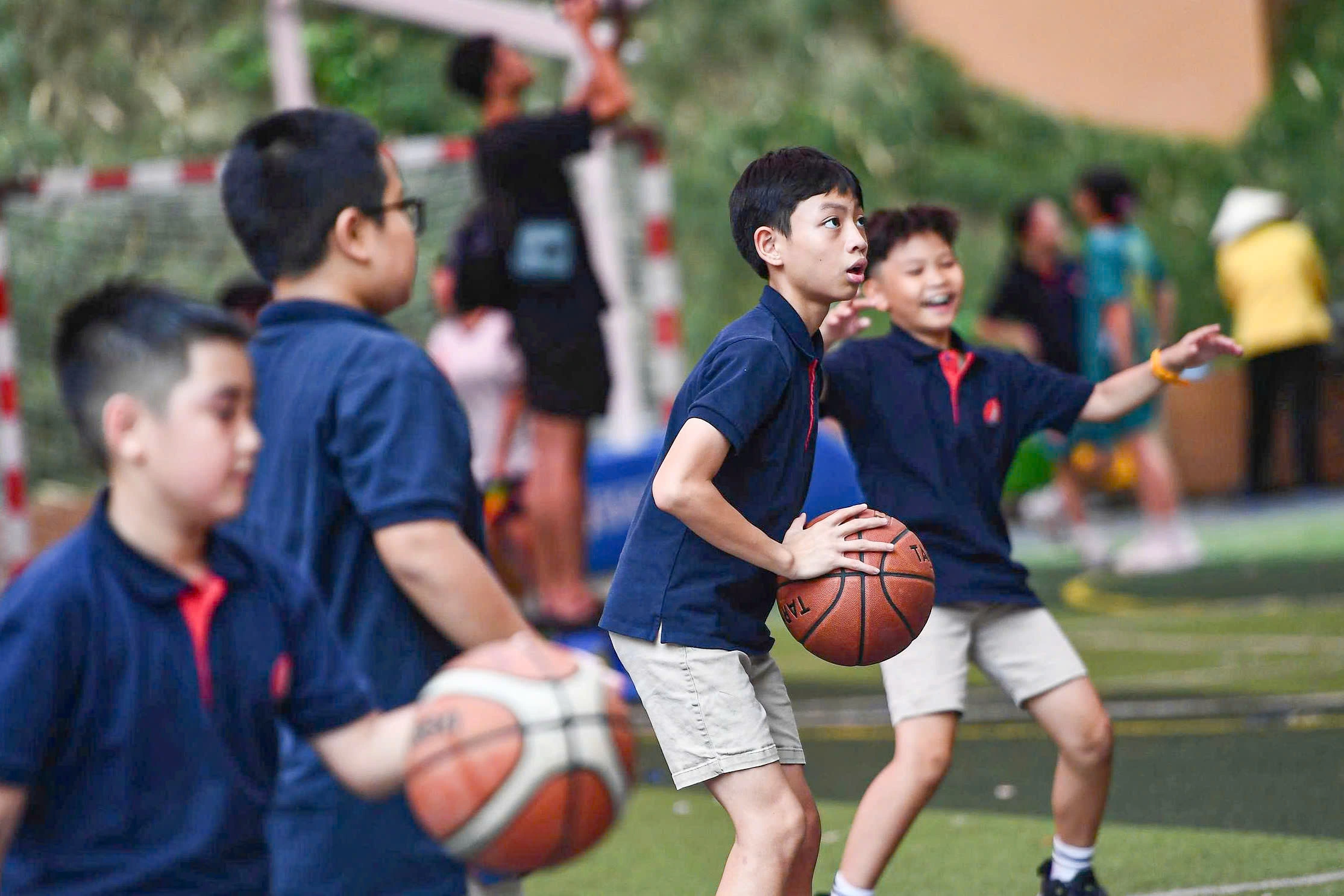
Outdoor Activities Help Reduce the Risk of Myopia
International Clinical Research Findings
One of the most representative examples comes from Taiwan’s National Myopia Prevention Program, known as the 711 Campaign and later the Tian-Tian Outdoor 120 Initiative.
Clinical research published in Ophthalmology showed that when elementary schools required students to leave the classroom during every recess period to accumulate a total of 120 minutes outdoors per day, the incidence of new-onset myopia in the intervention group decreased by as much as 50% compared with the control group that did not implement the program.
Similarly, in Singapore, long-term studies from the STARS project (Singapore Cohort Study of the Risk Factors for Myopia) confirmed that regardless of a child’s reading habits or parental genetics, increased outdoor playtime was consistently inversely associated with the progression of myopia.
This protective mechanism is most effective during the emmetropization period and the rapid developmental phase of the eye between the ages of 6 and 14 years.
Other Comprehensive Benefits of Natural Light for Visual Health
Beyond its role in controlling axial eye growth to prevent myopia, natural light provides many additional biological benefits for the entire visual system and overall human health.
1. Regulation of Circadian Rhythms
First and foremost, natural light is the primary factor regulating circadian rhythms by stimulating retinal ganglion cells to send signals to the brain, which controls the production cycle of two opposing hormones: cortisol (which promotes daytime alertness) and melatonin (which promotes restful sleep at night).
A stable circadian rhythm ensures that ocular tissues, particularly retinal pigment epithelial cells, have sufficient time to rest and regenerate overnight, helping maintain a stable tear film and reducing the risk of cellular degeneration caused by oxidative stress.
2. Reducing Digital Eye Strain
Natural light helps reduce digital eye strain. When working under artificial lighting and staring at screens for extended periods, the eyes are continuously exposed to screen flicker and uneven glare, which can lead to accommodative spasm.
Sunlight provides an environment with naturally high contrast and a full-spectrum color profile, allowing the pupil to constrict naturally. This improves image sharpness and reduces accommodative stress on the ciliary muscle.
As the pupil responds dynamically to outdoor light conditions, the intraocular muscular system is trained, improving the lens’s adaptability and accommodative flexibility.
3. Reducing Dry Eye Symptoms
Outdoor activities significantly reduce the risk of dry eye associated with prolonged use of smartphones and computers. In natural environments, airflow, humidity, and frequent changes in focal distance stimulate the lacrimal glands to maintain more stable tear production. At the same time, the warm sunlight helps activate the Meibomian glands along the eyelid margins to secrete a healthier lipid layer, preventing excessive tear film evaporation.
How Much Natural Light Is Enough?
To achieve optimal eye-protective benefits without causing adverse effects to the body, determining the appropriate duration of natural light exposure is critically important.
The World Health Organization (WHO), in collaboration with the International Myopia Institute (IMI), has issued standardized recommendations based on epidemiological and experimental biological research.
Table. Recommended Outdoor Activity Duration by Age Group
| Target Group | Recommended Daily Duration | Primary Vision Protection Goal |
| Preschool Children (3–5 years old) | 2.0 to 3.0 hours/day | Support comprehensive visual development, promote the natural emmetropization process, and build flexible visual reflexes. |
| Elementary School Students (6–11 years old) | 2.0 hours/day (Mandatory) | Prevent the onset of new myopia and stimulate dopamine release to regulate axial eye growth. |
| Adolescents (12–18 years old) | 1.5 to 2.0 hours/day | Slow the progression of myopia and reduce the risk of developing high myopia and its associated complications. |
| Office Workers & Adults | 45 to 60 minutes/day | Restore accommodative function, reduce digital eye strain, stabilize the tear film, and regulate circadian rhythms. |
How Should You Be Exposed to Natural Light Correctly?
Although natural light is a free and invaluable remedy for the eyes, improper exposure can not only reduce its protective benefits but may also damage ocular structures.
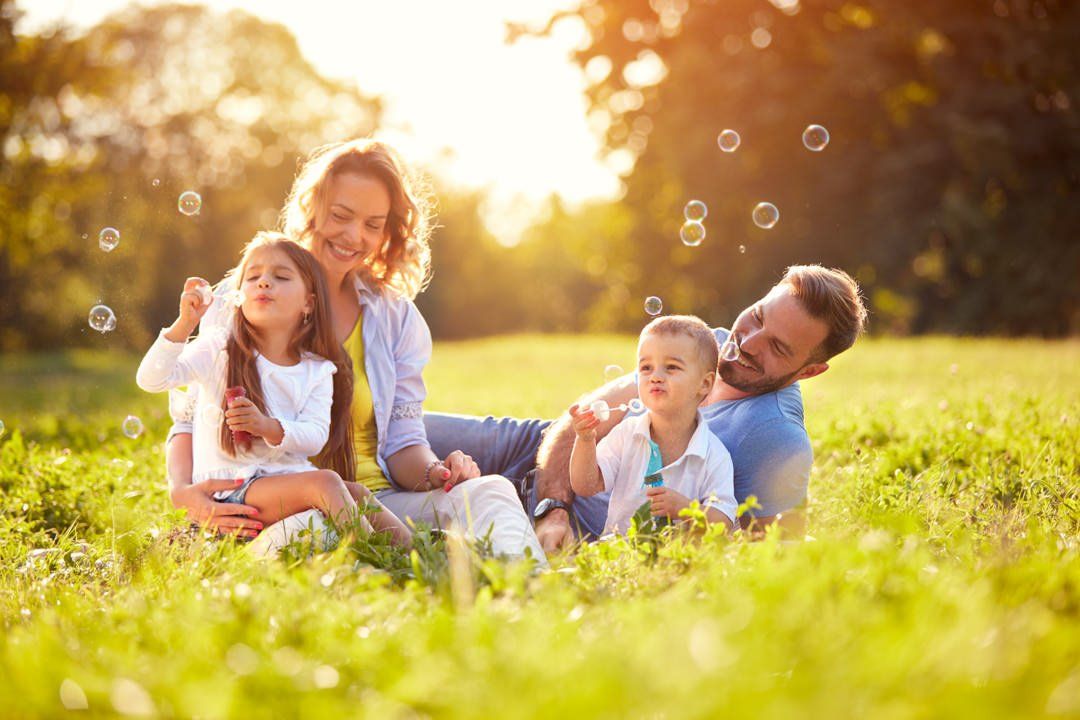
The Ideal Time to Be Exposed to Outdoor Light
The Ideal Time of Day
The best times to be exposed to sunlight are early in the morning (before 9:00 AM) and late in the afternoon (after 4:00 PM). During these periods, the ultraviolet index (UV Index) is typically low to very low (below 3), ensuring complete safety for the cornea and crystalline lens, while visible light intensity remains more than sufficient to stimulate dopamine production within the retina.
Morning sunlight exposure also provides the added benefit of resetting the body’s biological clock, helping maintain energy and alertness throughout the day.
Choosing the Right Outdoor Environment
Engaging in vigorous outdoor sports is not required to achieve eye-protective benefits. The essence of this approach lies in retinal light exposure and visual relaxation through distance viewing.
Therefore, ideal environments include parks, schoolyards with abundant tree cover, and open outdoor spaces. Standing under the shade of large trees or beneath a canopy during the daytime can fully meet the recommended light intensity standards (approximately 10,000 lux) while allowing the eyes to focus comfortably at a distance. Natural shade from leaves also helps filter excessive glare and potentially harmful bright light.
Common Mistakes to Avoid
One very common misconception is that studying beside a closed glass window throughout the day provides sufficient natural light exposure. In reality, modern window glass is designed to block most ultraviolet radiation and a significant portion of beneficial short-wavelength light. Furthermore, measured light intensity behind glass is typically 5 to 10 times lower than in an open outdoor environment. Therefore, sitting next to a window cannot replace actual outdoor exposure.
Another common mistake is participating in outdoor activities between 11:00 AM and 2:00 PM without adequate protection. During this period, UVB radiation reaches extremely high levels and may cause corneal epithelial burns, promote pterygium formation, and accelerate lens aging.
Finally, looking directly at the sun at any time is a dangerous practice and is absolutely contraindicated in ophthalmology, as it may cause solar retinopathy, resulting in irreversible damage to cone photoreceptor cells within the macula.
Taking Action for a Sustainable Visual Future
Participating in outdoor activities provides tremendous benefits for both physical and mental health across all age groups.
For children and young people, it offers an excellent opportunity to develop physical fitness, strengthen social skills, and explore the world around them. For adults and older individuals, spending time in nature helps reduce stress, maintain mobility, and improve overall quality of life.
Therefore, regardless of your age, make an effort to step outside, stay active, and enjoy the fresh air to build a healthier, more energetic lifestyle every day.

 14/10/2026











 0916.741.763
 Appointment