

 vi
vi 06-Apr-2026
 41,040
 Phakic ICL Implantation
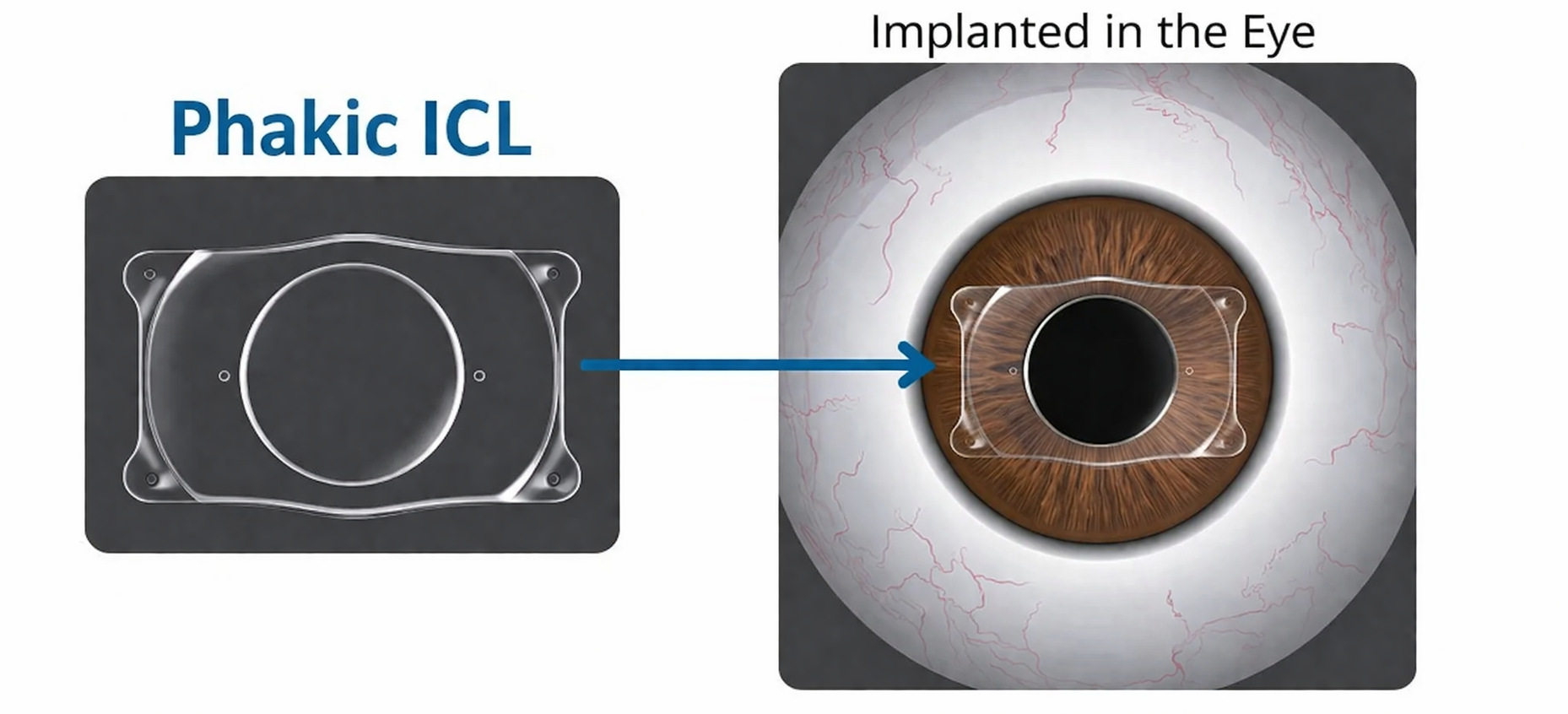
Discover the latest Phakic ICL vision correction method
Among the latest vision correction surgeries, Phakic ICL (Implantable Collamer Lens) is considered a “lifesaver” for patients who are not eligible for laser procedures such as LASIK or SMILE.
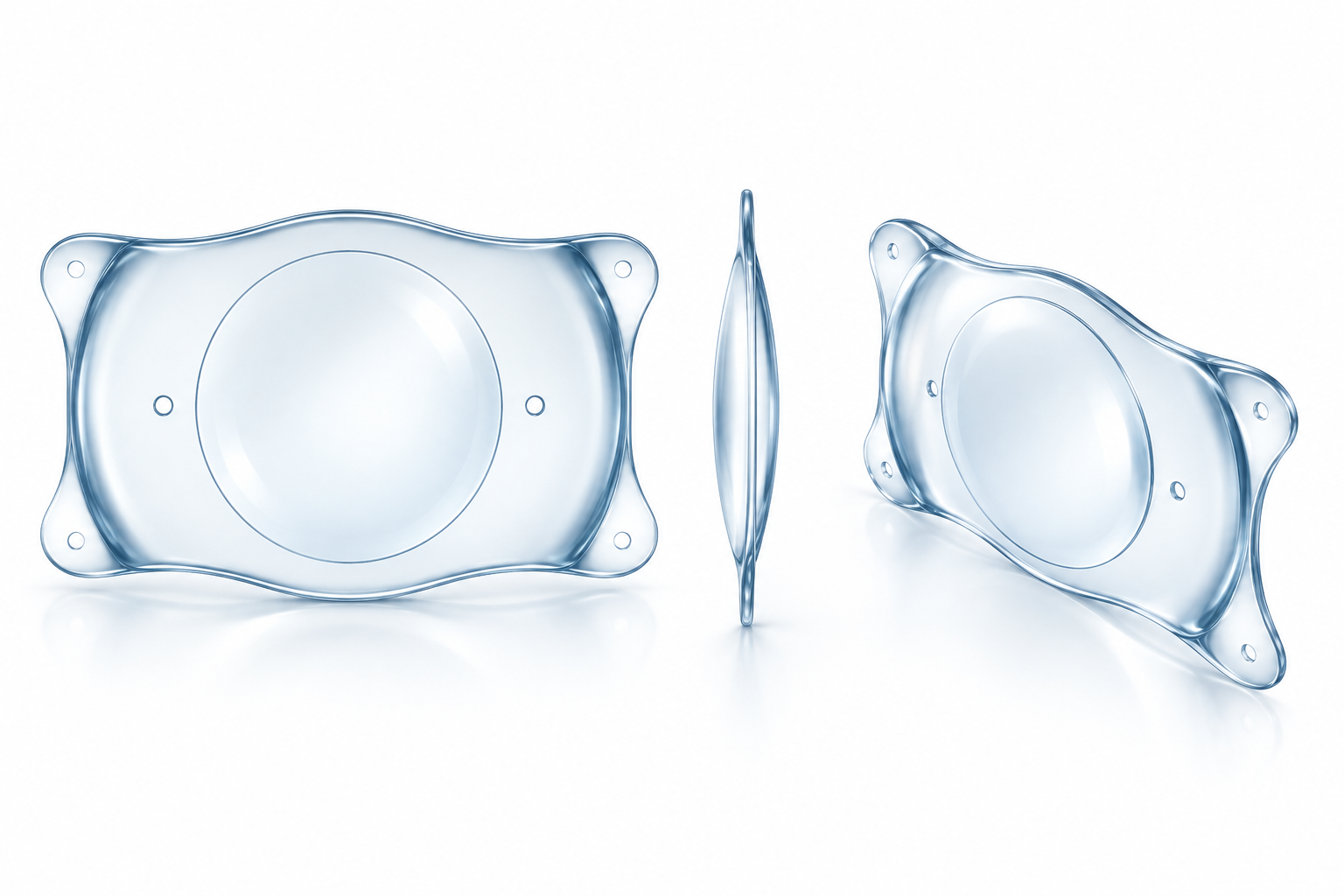
Instead of reshaping the cornea, this method places a biocompatible lens inside the eye to correct refractive errors, functioning like a “permanent contact lens” but with greater stability and precision.
According to a meta-analysis published in the Journal of Cataract & Refractive Surgery, patient satisfaction rates after Phakic ICL surgery reach 94–99%.
Comparative studies show that ICL often delivers “20/20 vision” or better compared to glasses, as it eliminates optical aberrations caused by thick lenses (image minification in high myopia).
1. Mechanism of Action of ICL
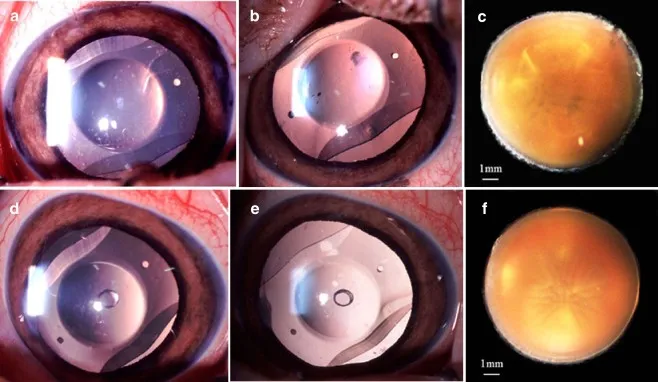
How Phakic ICL works
ICL is made from Collamer, a highly biocompatible material. The lens is placed behind the iris and in front of the natural lens, allowing light to focus accurately on the retina.
- No corneal cutting, preserving natural structure
- Lens is completely invisible inside the eye
- Can be removed if needed, unlike permanent laser procedures
According to the American Academy of Ophthalmology (AAO), ICL is suitable for myopia from -3D to -20D, including cases with astigmatism or thin corneas.
2. Advantages of ICL Among Modern Vision Correction Methods
- Proprietary material: Collamer is a combination of polymer and purified collagen.
- Significance: Because it contains collagen, the body does not recognize it as a “foreign object,” helping reduce inflammatory reactions.
- UV protection: The material has built-in UV-blocking properties, protecting the retina from sunlight—an advantage not found in laser procedures.
- Suitable for high myopia and weak corneas
- Low optical aberration, improved contrast sensitivity
- Reduced risk of dry eye since the cornea is not affected
- Can be removed or replaced when necessary
ICL has been FDA-approved (USA) since 2005. Long-term studies over 10 years show minimal corneal endothelial cell loss (less than 2% per year, similar to natural aging), confirming its safety for eye structures.
This is why ICL is increasingly preferred in complex vision correction cases.
3. Limitations and Considerations
Despite its advantages, ICL should still be carefully evaluated:
- Higher cost compared to laser procedures
- Intraocular surgery requiring experienced surgeons
- Risk of increased intraocular pressure or cataracts (rare)
- Requires sufficient anterior chamber depth
According to Mayo Clinic, the rate of serious complications is low when performed with proper indications at reputable eye centers.
4. Surgical Procedure and Recovery
The ICL procedure typically includes:
Step 1: Comprehensive eye examination
- Measure corneal thickness, anterior chamber depth, intraocular pressure
- Evaluate overall eye structure
Step 2: Surgery
- Create a small incision at the corneal edge
- Insert the folded lens and position it correctly
Step 3: Postoperative care
- Use anti-inflammatory and antibiotic eye drops
- Monitor intraocular pressure
Step 4: Recovery
- Vision improves rapidly within 1–2 days
- Return to normal activities quickly
Important Considerations When Choosing Vision Correction Surgery
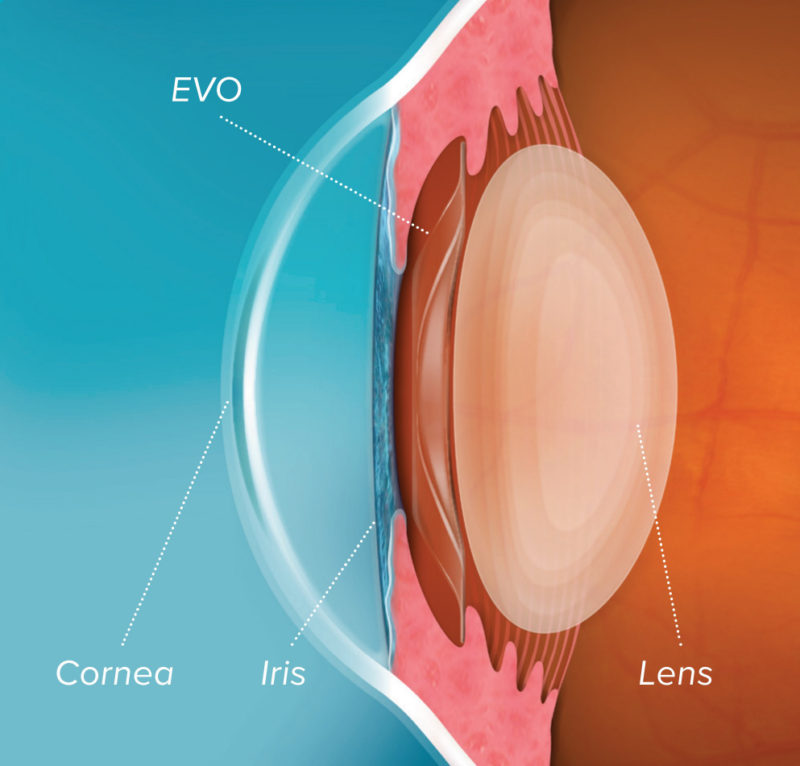
Considerations when choosing Phakic ICL
Choosing a vision correction method should not follow trends but must be personalized for each individual eye. Even small differences in indications can significantly impact visual outcomes.
1. Corneal Characteristics, Refractive Error, and Related Conditions
Corneal thickness and shape
Thin or abnormal corneas (such as mild keratoconus) are usually not suitable for LASIK.
In these cases, doctors may:
- Switch to SmartSurfACE
- Or prioritize ICL for safety
Degree of myopia and astigmatism
- Mild to moderate myopia: LASIK, SMILE are effective
- High myopia (> -8D): ICL is often safer and more effective
Excessive corneal ablation can weaken biomechanical strength, so careful evaluation is required.
Ocular surface and dry eye condition
If dry eye or ocular surface disease is present:
- LASIK may worsen symptoms
- Less invasive options are preferred
Screening for glaucoma and uveitis is also necessary before surgery.
2. Age and General Health
Age and refractive stability
- At least 18 years old
- Stable prescription for 1–2 years
Early surgery may increase the risk of regression.
General health condition
Conditions such as uncontrolled diabetes, autoimmune diseases, or recurrent eye inflammation may affect recovery.
Expectations and compliance
Outcomes depend not only on technique but also on:
- Proper use of medications
- Regular follow-up visits
- Avoiding eye impact after surgery
Technical Comparison Table
| Category | ICL | LASIK / Contoura Vision / SMILE |
|---|---|---|
| Function | Implants a thin lens inside the eye, in front of the natural lens. | Uses laser to reshape the cornea to focus light correctly on the retina. |
| Cornea | Does not remove or reshape corneal tissue, preserving structure. | Permanently alters corneal shape; not reversible. |
| Reversibility | The lens can be removed or replaced if needed. | No implant inside the eye. |
| Power range | Suitable for high refractive errors beyond LASIK safety limits. | Best for mild to moderate myopia with adequate corneal thickness. |
| Corneal profile | Ideal for thin or irregular corneas. | Preferred for patients wanting external laser treatment only. |
| Patient preference | Patients seeking high-quality vision and willing to undergo intraocular surgery. | Patients preferring faster recovery without intraocular implantation. |
For patients with high myopia (the primary group for ICL), careful screening for peripheral retinal degeneration before surgery is crucial to reduce the risk of retinal detachment later on.

 01/10/2026












 0916.741.763
 Appointment