

 vi
 20-Nov-2026
 570
Glaucoma is also known as the silent thief of sight, and by the time patients notice that their visual field has narrowed, some of the optic nerve damage is already irreversible. This makes the question “How can glaucoma be prevented?” particularly important. In reality, medical experts have not yet found a reliable way to completely prevent glaucoma, but there are ways to monitor and potentially reduce intraocular pressure, thereby lowering the risk of vision loss.

Glaucoma is known as the silent thief of sight
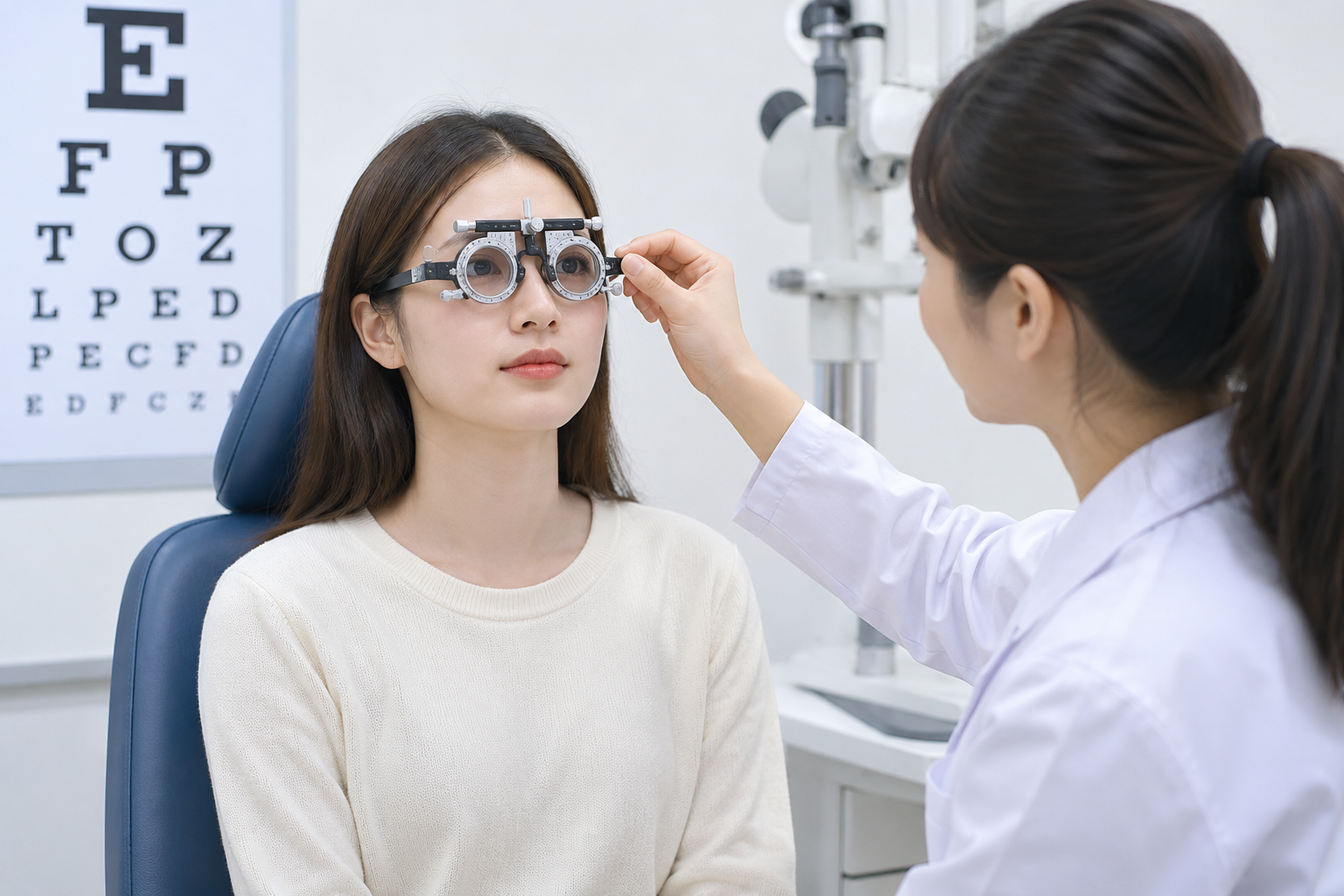
Regular Eye Examinations
This is the most valuable habit because it makes it possible to detect a silent disease at an early stage. The most reliable way to prevent vision loss from glaucoma is to undergo regular eye examinations. Ophthalmologists can identify signs of the disease even before patients notice any symptoms, allowing timely intervention to stop or slow its progression.
Suggested eye examination frequency by age:
- Under 40 years old: Every two to four years.
- Ages 40 to 54: Every one to three years.
- Ages 55 to 64: Every one to two years.
- Over 65 years old: Every year.
People whose parents or siblings have glaucoma, or those in high-risk groups such as individuals with diabetes or high myopia, should undergo annual eye examinations after age 35 or follow their ophthalmologist’s recommendations. The examination should include intraocular pressure measurement, fundus examination, and visual field testing, as relying on a single measurement may fail to detect the disease.
Exercise Regularly at a Moderate Intensity
Aerobic activities such as brisk walking, light jogging, cycling, swimming, and yoga can help lower intraocular pressure. Some studies have shown that IOP may decrease after just five minutes of exercise, with greater reductions observed during longer sessions. Maintaining a consistent routine of approximately three moderate-intensity exercise sessions per week is a commonly suggested approach.

Moderate-intensity physical activity may help control intraocular pressure and improve overall health.
There are two important considerations to ensure that exercise is truly beneficial:
- The reduction in intraocular pressure from exercise is relatively modest, approximately 1 to 2 mmHg according to some reviews. Exercise is a supportive measure and cannot replace medication or laser treatment when prescribed by an ophthalmologist.
- Heavy weightlifting, particularly when accompanied by breath-holding during exertion, can temporarily increase intraocular pressure. People with progressive glaucoma should consult their doctor before performing these exercises.
Avoid Positions Where the Head Is Lower Than the Heart
When the body is inverted, blood flows toward the head, causing intraocular pressure to rise sharply. During certain inverted yoga poses, such as headstands, IOP may increase to two or three times its baseline level for a short period. Although this increase is usually temporary, people who already have glaucoma or are at high risk are generally advised to avoid repeatedly performing these positions.
Yoga remains beneficial for both physical and mental health. You can simply replace inverted poses with stretching, breathing exercises, and balance exercises performed while standing or sitting. Inform your yoga instructor about your condition or risk factors. Similarly, be cautious about habits that involve keeping your head lowered for extended periods or increasing pressure around the neck and face, such as wearing an excessively tight necktie or playing wind instruments that require strong blowing pressure.
Protect Your Eyes from Injuries and Ultraviolet Radiation
A direct impact to the eye can damage the internal fluid drainage system and lead to secondary glaucoma years later. Therefore:
- Wear protective eyewear when playing sports involving fast-moving balls, such as badminton or baseball, and when gardening, mowing lawns, grinding, drilling, or performing home repairs.
- For motorcycle riders, windshields and protective eyewear that fully cover the eyes help prevent exposure to dust, insects, and foreign objects.
- When swimming, choose larger swimming goggles, as smaller goggles that press tightly against the eye sockets may cause a slight increase in intraocular pressure.
Wearing UV-protective sunglasses and a wide-brimmed hat outdoors is a sensible habit because ultraviolet radiation can damage various structures of the eye. Direct evidence linking UV exposure to glaucoma is not as strong as the evidence for conditions such as cataracts. Nevertheless, these protective measures are inexpensive, easy to adopt, and generally harmless.
Use Corticosteroid Medications with Caution
Corticosteroids, also known as steroids, are powerful anti-inflammatory medications used to treat severe allergies, arthritis, asthma, skin diseases, and many other conditions. These medications can increase intraocular pressure in some individuals, whether taken orally, injected, inhaled, applied to the skin, or used as eye drops. The risk becomes more significant with prolonged use exceeding two weeks or with high doses.

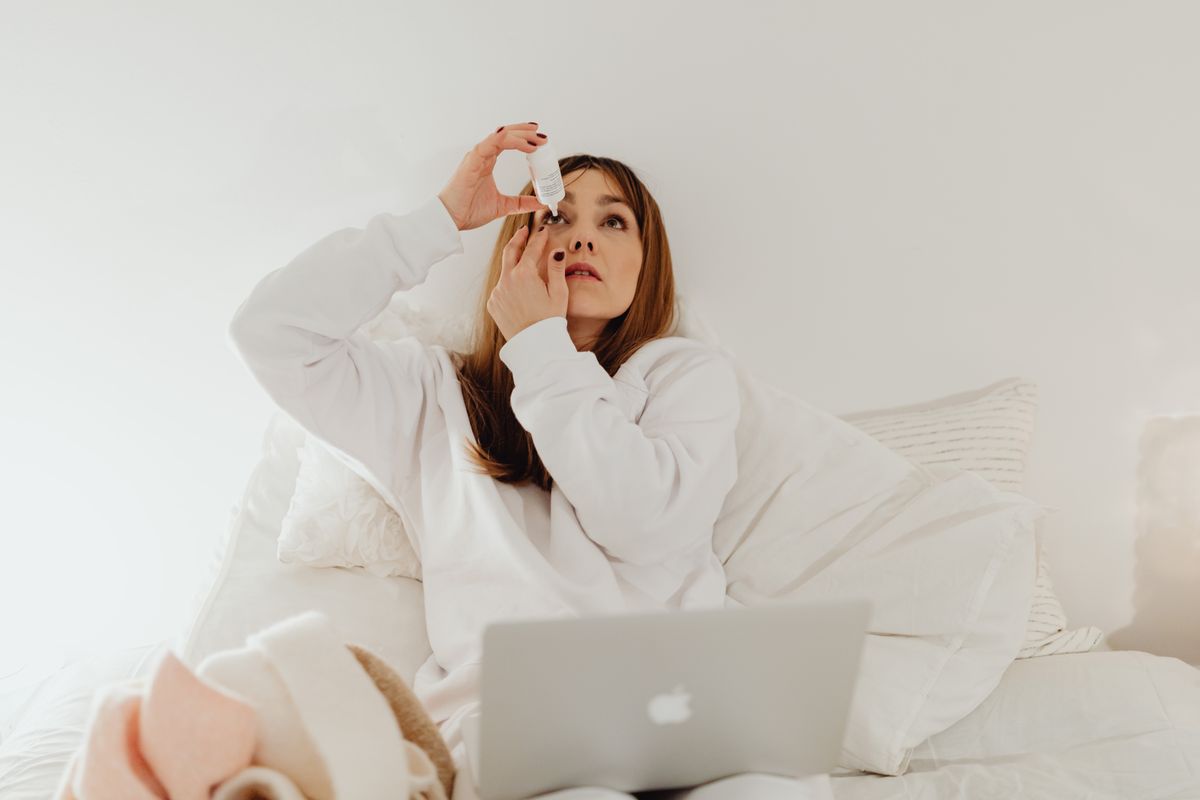
People at risk of glaucoma should use eye drops cautiously, particularly those containing corticosteroids.
Therefore, do not purchase corticosteroid eye drops based solely on informal recommendations or advertisements. Inform your treating physician if you have a family history of glaucoma or belong to a high-risk group before using corticosteroids for an extended period. If steroid treatment is required for more than two weeks, ask your ophthalmologist about an appropriate schedule for monitoring intraocular pressure during treatment.
Do not stop taking prescribed medication on your own. Consult your doctor to carefully weigh the treatment benefits against potential risks to your eyes.
Control Your Caffeine Intake
Caffeine can cause a mild, temporary increase in intraocular pressure after consumption. For most healthy individuals, moderate caffeine intake does not cause lasting harm. Some studies suggest that drinking five or more cups of caffeinated coffee per day may increase the risk of developing glaucoma. For people with elevated intraocular pressure, advanced glaucoma, or a family history of the disease, more cautious recommendations are often suggested, typically limiting intake to approximately two cups per day.
Caffeine is also found in tea, energy drinks, carbonated soft drinks, and chocolate, so total daily consumption should be considered. Drinking weaker coffee or spreading caffeine intake throughout the day may be gentler on the eyes than consuming one large, concentrated cup in the morning.
Get Enough Sleep and Maintain a Balanced Diet
The optic nerve depends on an adequate blood supply to function properly. Therefore, anything that damages blood vessels or causes an abnormal drop in blood pressure may affect its health.
Untreated high blood pressure has been associated with glaucoma. Conversely, excessively low blood pressure, particularly at night, can reduce blood flow to the optic nerve and potentially contribute to disease progression even when intraocular pressure is controlled. If you take blood pressure medication, inform your ophthalmologist and do not change the timing of your medication or stop taking it without consulting your doctor.
In addition, obstructive sleep apnea, which is often associated with loud snoring, excess weight, and daytime sleepiness, has been linked to glaucoma. People who suspect they may have this condition should undergo a sleep evaluation.
A balanced diet containing leafy green vegetables, fruits, fatty fish, and nuts supports vascular health and overall well-being. However, evidence that omega-3 fatty acids or any specific micronutrient can slow glaucoma progression remains limited. Therefore, nutrition should be considered a supportive measure rather than a treatment. Patients should also consult their doctors before taking dietary supplements or herbal products, as some may interact with prescribed medications.
Finally, excess body weight is associated with higher intraocular pressure, while diabetes increases the risk of several eye diseases, including glaucoma. Smoking also deserves special attention. Tobacco use has been associated with temporary increases in intraocular pressure and damage to blood vessels, so quitting smoking is beneficial for both eye health and overall health.
The information provided in this article is for general educational purposes only and does not replace professional eye examinations, medical advice, or treatment recommendations from an ophthalmologist.

 20/11/2026









 0916.741.763
 Appointment
