
 vi
 19-Nov-2026
 855
Many people have worn glasses since their school years, but as they enter the workforce, glasses can become increasingly inconvenient: fogging up in the rain, slipping down the nose during sports, or simply not wanting to depend on a pair of glasses every morning. This often raises a common question: How many degrees of myopia are needed to qualify for surgery?
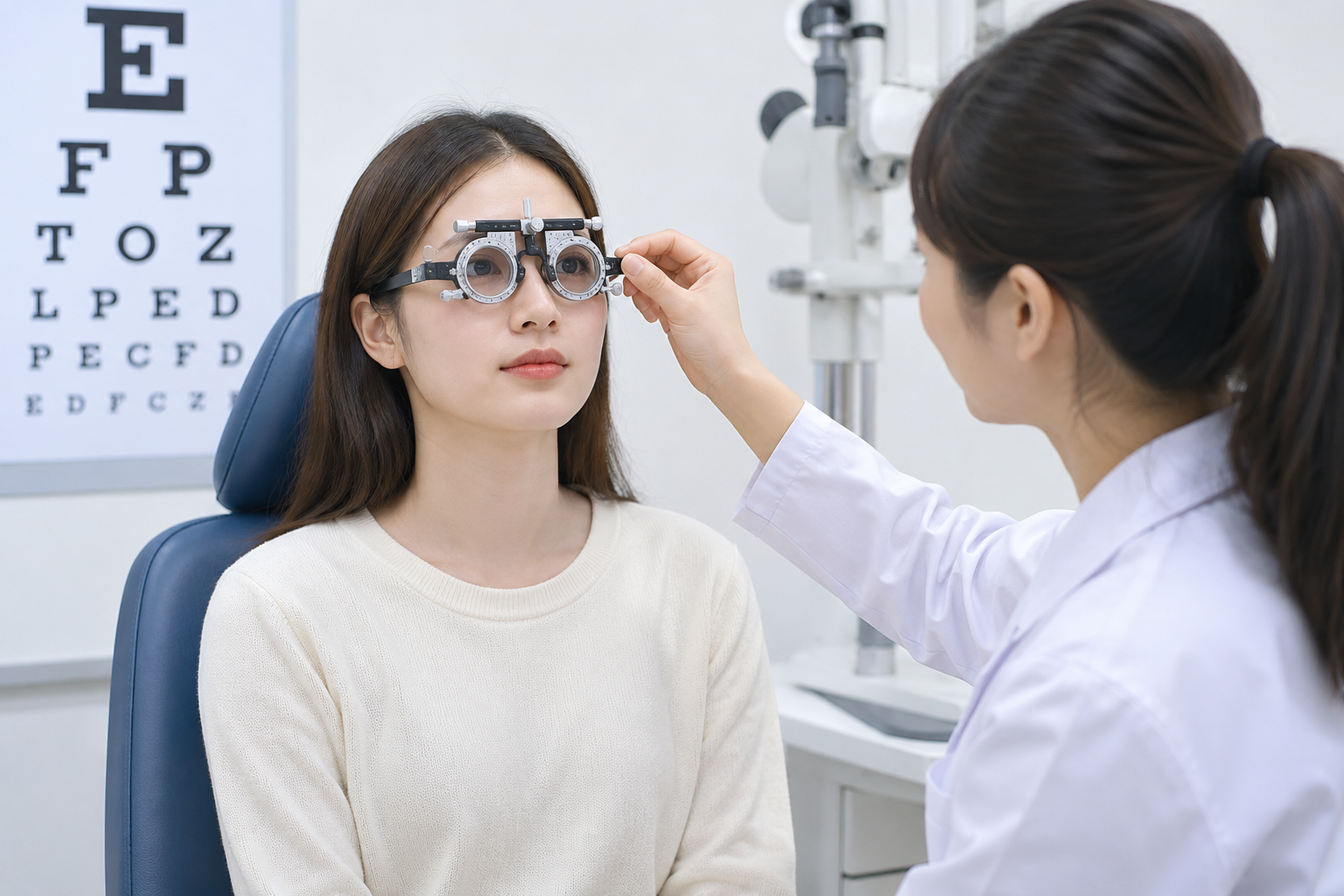
Vision testing and determining the degree of myopia are the first steps in the preoperative evaluation process.
How Is the Degree of Myopia Measured?
Myopia is measured in diopters, commonly referred to as “degrees.” A myopia prescription of -1.00 diopter means the eye requires a diverging lens with a power of -1.00 diopter to see distant objects clearly. The higher the absolute value, the more severe the myopia.
According to a commonly used classification, myopia is divided into three levels:
- Mild myopia: less than 3 diopters.
- Moderate myopia: from 3 to 6 diopters.
- High myopia: over 6 diopters. At this level, the risk of complications involving the back of the eye, such as retinal degeneration, retinal detachment, or glaucoma, is higher than in people without myopia.
Many people wonder whether they can undergo surgery with just 1 or 1.5 diopters of myopia. Technically, laser procedures can correct these low levels of myopia. However, in practice, doctors often carefully consider surgery for this group because the benefits may be relatively limited while the patient must still accept the risks, however small, associated with surgery.
If myopia is mild and barely affects daily activities, many people choose to continue wearing glasses or contact lenses. Conversely, if a profession requires working without glasses, such as being a commercial pilot, athlete, or someone working in environments with high levels of dust and moisture, early surgery may be a reasonable option even when the degree of myopia is not high.
How Does Your Degree of Myopia Determine the Most Suitable Surgical Method?
The degree of myopia plays a major role in selecting a surgical technique because each procedure is considered safe only within a certain correction range. The table below provides commonly used reference ranges, while the final treatment recommendation must be determined by an ophthalmologist after a comprehensive examination.
| Degree of Myopia | Commonly Considered Procedures |
|---|---|
| Below approximately 6 diopters | PRK, LASEK, LASIK, SMILE |
| Approximately 6 to 8 diopters | LASIK, SMILE, or ICL if the cornea is not sufficiently thick |
| Above approximately 8 diopters | ICL (implantable intraocular lens) is generally preferred; refractive lens exchange may be considered in certain cases with special indications |
Laser procedures work by removing corneal tissue to change the curvature of the cornea. The higher the degree of myopia, the more corneal tissue needs to be removed. When the cornea is not sufficiently thick to allow safe tissue removal, doctors may recommend an alternative procedure that does not require reshaping the cornea, known as ICL implantation. This method is commonly used for myopia ranging from approximately 3 to 18 diopters and is particularly suitable for people with high myopia or thin corneas.
5 Important Requirements for Myopia Surgery
For someone with myopia, being eligible for surgery means meeting several conditions simultaneously. Below are the main factors typically evaluated.
1. Appropriate age. Patients undergoing surgery are generally at least 18 years old. The eyes of adolescents are still developing, and myopia may continue to progress, making early surgery more likely to result in recurrent myopia. For ICL implantation, many clinics prefer patients between approximately 21 and 45 years old.
2. Stable myopia prescription. This is a crucial requirement. The degree of myopia should remain relatively stable, typically changing by less than 0.5 diopters over at least 12 months. If surgery is performed while myopia is still progressing, the results may not be long-lasting.
3. Sufficient and regular corneal thickness. Doctors measure corneal thickness and perform corneal topography to ensure that enough residual stromal tissue remains after laser reshaping, typically around 250 to 300 micrometers or more. Corneas showing abnormalities, such as suspected keratoconus, are generally not suitable for laser surgery.
4. Healthy eyes. Patients with active eye infections, severe dry eye, glaucoma, cataracts, or retinal diseases need to have these conditions treated and stabilized first. In many cases, they may not qualify for surgery.
5. Suitable overall health. Women who are pregnant or breastfeeding are generally advised to postpone surgery because hormonal changes may cause fluctuations in their prescription. Certain uncontrolled autoimmune or connective tissue diseases may also impair wound healing.
What Does the Preoperative Eye Examination Include?
A preoperative examination typically takes several hours and includes a series of tests: visual acuity and refraction assessment, intraocular pressure measurement, corneal topography, corneal thickness measurement, dry eye evaluation, and a dilated fundus examination.

Eye examinations using specialized equipment help doctors assess vision before selecting the most appropriate treatment method.
An important note about contact lenses: Contact lenses can temporarily alter the shape of the cornea, so patients should stop wearing them before the examination, typically for about one to two weeks for soft contact lenses and longer for rigid lenses. Continuing to wear contact lenses until shortly before the examination may lead to inaccurate measurements.
Who Should Consider Myopia Surgery Early?
In addition to those who want to eliminate their dependence on glasses for cosmetic or lifestyle reasons, certain groups may benefit significantly from surgery:
- People with a large difference in myopia between the two eyes, making prescription glasses uncomfortable to wear.
- People with high myopia or significant astigmatism whose thick, heavy glasses make images appear smaller or distorted.
- People who cannot tolerate contact lenses due to allergies or contact lens-related dry eye.
- People whose professions have specific requirements for unaided vision.
When Should Myopia Surgery Be Postponed or Avoided?
Conversely, there are situations in which surgery should be delayed or avoided:
- Being under 18 years old or having myopia that continues to increase each year.
- Having a cornea that is too thin for laser surgery or showing signs of keratoconus.
- Having an uncontrolled, progressive eye disease.
- Having unrealistic expectations, such as expecting perfect vision for the rest of one’s life.
The final point deserves particular attention. Refractive surgery helps people see clearly without glasses, but it does not prevent presbyopia. From around the ages of 40 to 45, people may begin to need reading glasses, even after successful myopia surgery. This is a natural aging process rather than a sign that the surgery has failed.
Will Your Eyes Be Completely Healthy After Myopia Surgery?
Surgery changes how light focuses on the retina, but it does not restore the eyeball to its normal shape. This means that people with high myopia may still face a long-term risk of retinal degeneration even after they no longer need glasses. Therefore, people who have undergone myopia surgery, especially those with myopia exceeding 6 diopters, should continue to have regular retinal examinations approximately every 6 to 12 months, as recommended by their ophthalmologist.

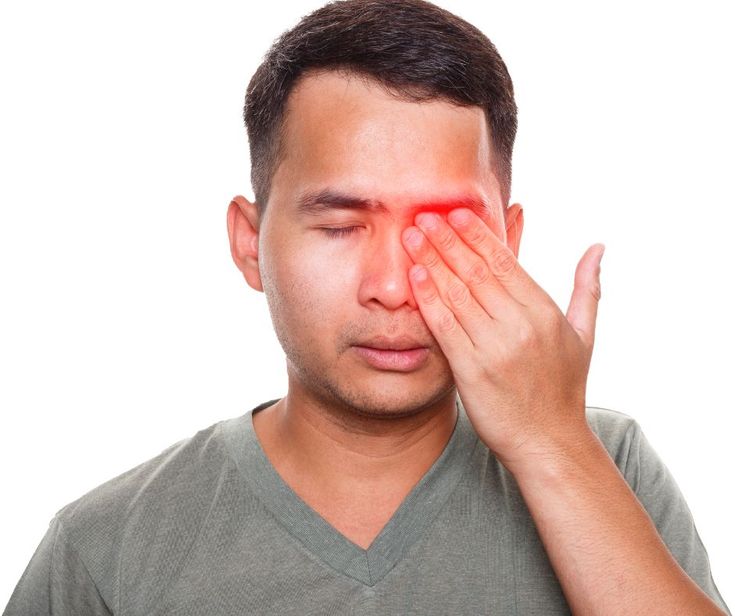
Regular eye examinations are an important part of monitoring eye health before and after surgery.
After surgery, some patients may experience dry eyes, glare, or halos around lights at night during the first few weeks. These symptoms often improve gradually. Following the prescribed eye drop regimen and attending scheduled follow-up appointments are essential for successful recovery.
To make the requirements easier to remember, patients can use the “Rule of Three”: appropriate age, stable prescription, and healthy eyes. Once these three conditions are met, the degree of myopia primarily helps determine which surgical method is most suitable rather than whether surgery is possible.
Finally, patients should undergo an examination at a reputable eye care facility equipped with comprehensive diagnostic technology. A good ophthalmologist will not only explain when surgery is possible but also be willing to advise against it when the conditions are not yet safe. For a procedure that directly affects vision, careful preoperative evaluation is always more valuable than rushing into surgery based solely on a prescription number.

 19/11/2026











 0916.741.763
 Appointment
