

 vi
 19-Nov-2026
 760
Whenever the seasons change, eye clinics tend to become busier than usual. Patients often describe the same symptoms: itchy, irritated, red, and watery eyes, along with a gritty sensation as if there were sand in their eyes. After a few days of medication, the symptoms subside, only to return the following season. This is the typical pattern of seasonal allergic conjunctivitis, a generally mild but recurrent condition that can significantly affect quality of life if not properly managed.
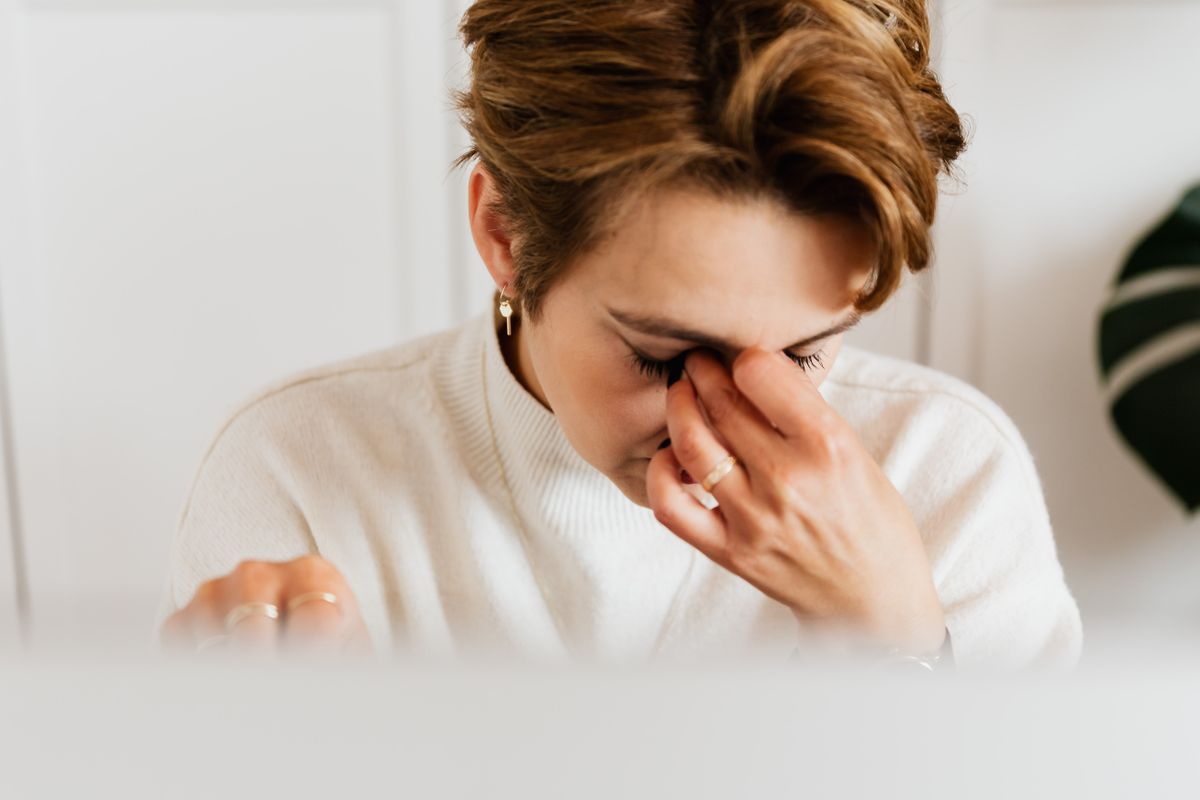
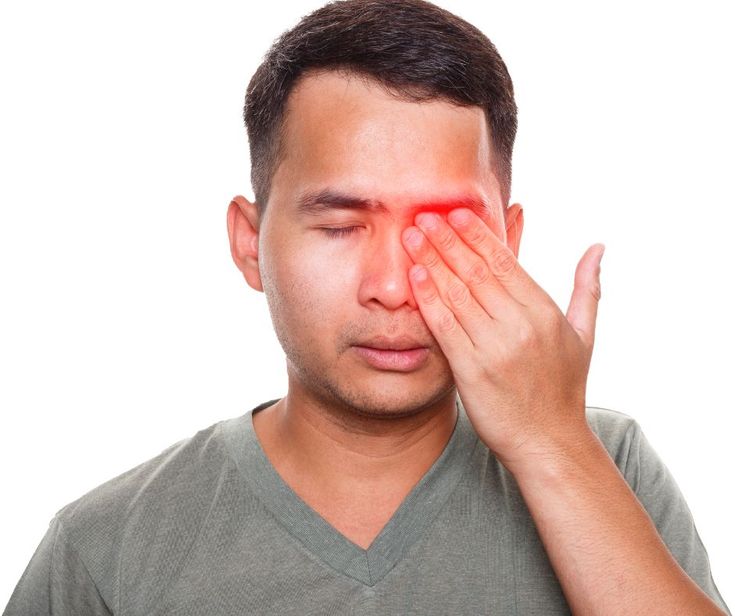
Itching, redness, and eye discomfort are common symptoms of seasonal allergic conjunctivitis.
What Is Allergic Conjunctivitis?
The conjunctiva is a thin, transparent membrane that covers the inner surface of the eyelids and the white part of the eyeball. Because it is constantly exposed to the air, this membrane is among the first parts of the eye to encounter environmental substances such as pollen, dust, and mold spores. In people with allergies, the immune system overreacts to substances that are normally harmless. Mast cells in the conjunctiva release histamine, a chemical that causes blood vessels to dilate, swelling, and itching. Histamine is the main reason why itching is the most prominent symptom of this condition.
The condition is divided into two main types. Seasonal allergic conjunctivitis occurs at specific times of the year when pollen or mold levels are high. Perennial allergic conjunctivitis is associated with allergens that are consistently present indoors, such as dust mites and pet dander. This article focuses on the seasonal form, although many of the preventive measures discussed below also apply to both types.
Why Does Allergic Conjunctivitis Flare Up During Seasonal Changes?
Weather conditions can act as triggers for allergic symptoms. In Vietnam, three groups of factors are commonly involved:
- Pollen: Pollen levels increase significantly during spring and periods of dry, windy weather, particularly in northern provinces.
- Mold and high humidity: The rainy season and humid weather encourage mold spores to develop on walls, clothing, air conditioners, and household furniture.
- Fine dust and air pollution: These factors do not directly cause allergies but can make the conjunctiva more sensitive to other allergens.

Pollen is one of the environmental allergens that can trigger seasonal allergic conjunctivitis in sensitive individuals.
People living in Ho Chi Minh City, where the rainy season typically lasts from approximately May to November, often experience flare-ups associated with mold and high humidity. In Hanoi and other northern provinces, symptoms commonly peak during the transition from late winter to spring.
Recognizing the Symptoms of Allergic Conjunctivitis
Allergic conjunctivitis has a fairly characteristic set of symptoms:
- Eye itching, often intense, is the main symptom.
- Eye redness, usually affecting both eyes at the same time.
- Clear, watery discharge with minimal eye mucus, sometimes appearing as thin white strands.
- Mild eyelid swelling and conjunctival swelling that may resemble a translucent, jelly-like layer.
- Accompanying symptoms such as sneezing, nasal congestion, or a runny nose in many patients.
Vision is usually unaffected. If patients experience sharp eye pain, blurred vision, or significant sensitivity to light, other eye conditions should be ruled out.
How to Distinguish Allergic Conjunctivitis from Infectious Pink Eye
Both allergies and infections can cause red eyes, but their treatments are completely different. The comparison table below helps identify the key differences:
| Criteria | Allergic Conjunctivitis | Viral Conjunctivitis | Bacterial Conjunctivitis |
|---|---|---|---|
| Main Symptoms | Intense itching | Gritty sensation, irritation, and redness | Heavy discharge and sticky eyelids |
| Eye Discharge | Clear, watery discharge with stringy mucus | Clear or mucus-like discharge | Yellow or green pus |
| Eyes Affected | Both eyes | Usually starts in one eye and spreads to the other | One or both eyes |
| Contagiousness | Not contagious | Highly contagious | Can be contagious |
| Associated Symptoms | Sneezing and nasal congestion | Fever, sore throat, and swollen lymph nodes in front of the ears | Eyelids stuck together upon waking |
Allergic conjunctivitis does not spread from person to person, so patients do not need to isolate themselves or follow the same towel-sharing precautions required for viral conjunctivitis.
How to Treat Allergic Conjunctivitis
The goal during an active flare-up is to relieve itching and reduce inflammation. Several immediate measures can help:
Cold compresses. Soak a clean cloth in cool water and place it over closed eyelids for a few minutes. The low temperature helps constrict blood vessels and quickly relieves itching.
Rinsing and soothing the eyes. Preservative-free artificial tears help wash away allergens from the eye surface. Keeping the bottle in the refrigerator can provide an additional cooling effect.

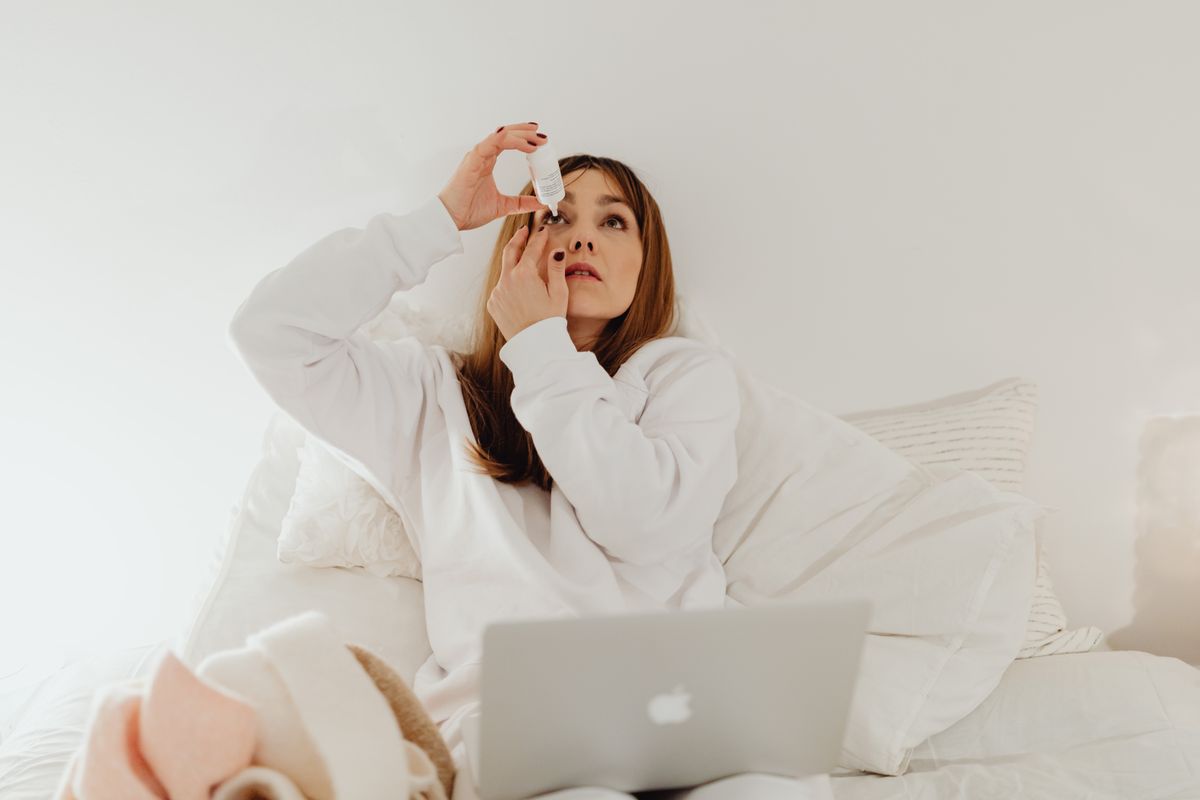
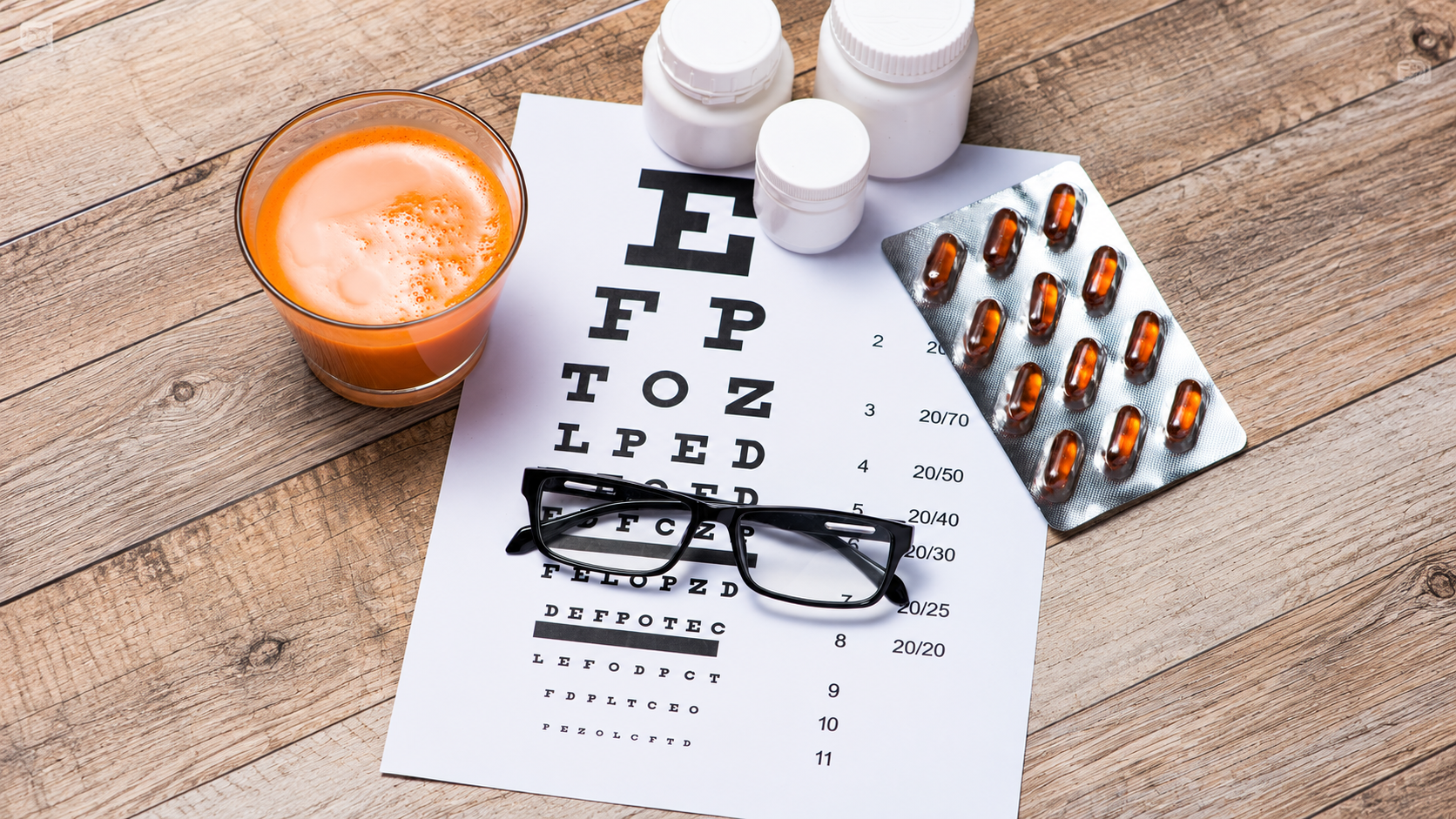
Using eye drops correctly according to a doctor’s instructions can help relieve discomfort and support eye care during allergic conjunctivitis.
Avoid rubbing your eyes because rubbing stimulates mast cells to release more histamine, worsening the itching and creating an uncomfortable cycle. Vigorous rubbing can also cause corneal abrasions.
Temporarily stop wearing contact lenses and switch to prescription glasses until the eyes have recovered.
Use medications as prescribed. Common medications recommended by doctors include:
- Antihistamine eye drops, such as olopatadine, ketotifen, and azelastine, which provide rapid relief from itching.
- Mast cell stabilizers, such as cromolyn, which help prevent allergic reactions but require regular use to become effective.
- Dual-action medications that combine antihistamine and mast cell-stabilizing effects, often offering the greatest convenience for long-term use.
- Oral antihistamines when nasal or throat symptoms are also present.
Important note: Corticosteroid eye drops can rapidly reduce inflammation, but prolonged or unsupervised use may increase intraocular pressure, cause cataracts, and worsen infections. These medications should only be used for short periods under the supervision of an ophthalmologist. Buying eye drops based on informal recommendations at pharmacies is a leading reason why mild conditions can develop into complications.
How to Prevent Recurrent Allergic Conjunctivitis
To prevent the condition from returning every year, patients need to shift from “treating symptoms when they occur” to “preventing symptoms before they begin.” Using preventive medication at the right time is important. For people with a clear history of seasonal allergies, doctors may recommend starting mast cell stabilizers or dual-action eye drops approximately one to two weeks before the peak allergy season. When the immune system has been “prepared,” allergic reactions are often milder and shorter. This approach is generally more effective than waiting until the eyes begin to itch before using medication.
Reducing exposure to allergens is the foundation of any long-term management plan. Recommended habits include:
- Wear sunglasses or protective eyewear outdoors on windy days or when dust and pollen levels are high.
- Wash your face and hair in the evening to remove pollen from your skin and hair, preventing it from transferring to your pillow.
- Wash bed sheets and pillowcases in hot water at least 55 to 60 degrees Celsius once a week to eliminate dust mites.
- Maintain indoor humidity at approximately 40 to 50 percent and use a dehumidifier during periods of high humidity or prolonged rain.
- Clean air conditioners, fans, and curtains regularly because dust and mold can accumulate in these areas.
- Keep windows closed during peak pollen periods, often in the early morning and on dry, windy days.
- Avoid allowing pets on the bed if pet dander is an allergy trigger.
An air purifier equipped with a HEPA filter is a worthwhile investment for households with members who have severe allergies, especially in bedrooms.
Patients should record when flare-ups occur, where they were, and what activities they were doing beforehand. After one or two allergy seasons, these records can often reveal the main triggers, helping doctors develop a personalized prevention plan. In persistent or difficult-to-control cases, allergen testing may be considered.
Special Considerations for Children
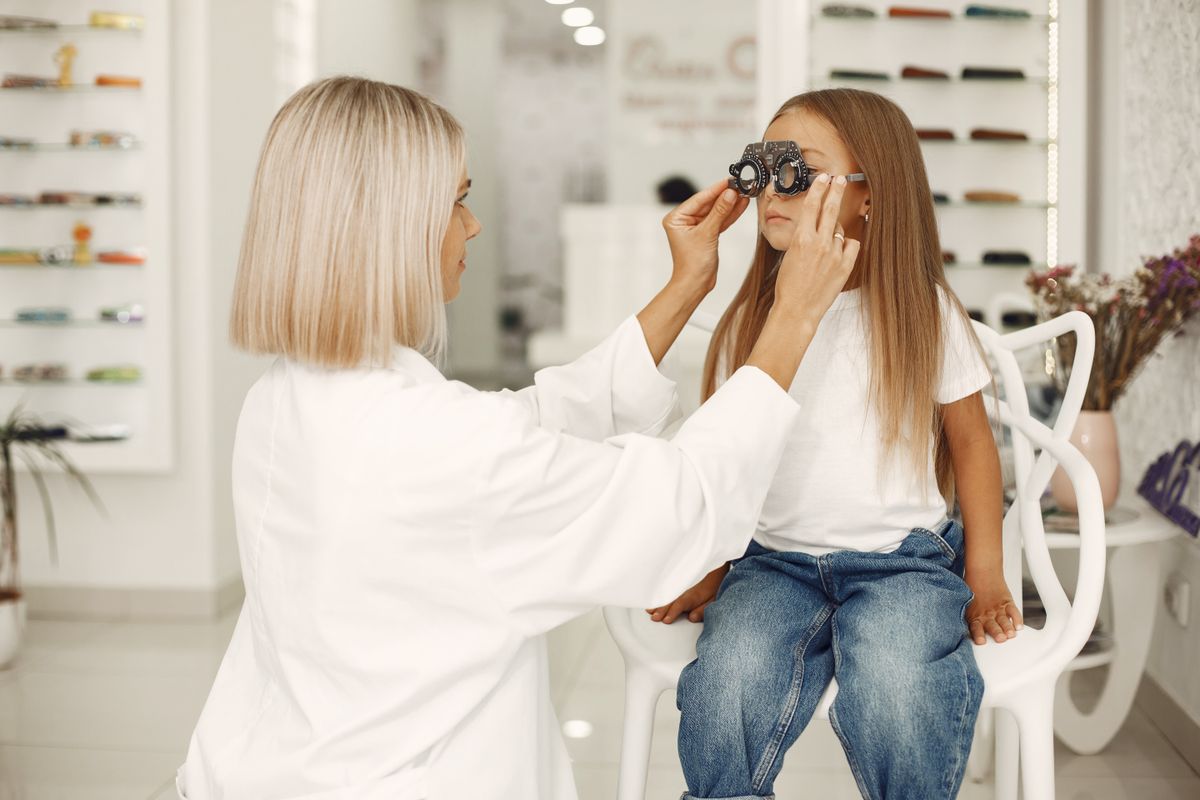
Young children may develop a more severe condition called vernal keratoconjunctivitis, which is more common among school-aged boys. Symptoms include intense seasonal itching, thick and stringy mucus discharge, sensitivity to light, and sometimes small bumps on the inner surface of the upper eyelids. This condition can damage the cornea and affect vision if not treated promptly. Therefore, children who experience recurring symptoms every year should be examined by an ophthalmologist rather than simply monitored at home.
Conclusion
Seasonal allergic conjunctivitis rarely threatens vision, but its yearly recurrence can cause prolonged discomfort. The key to effective management comes down to three essential steps: correctly identifying the condition, using medications properly under a doctor’s guidance, and proactively reducing exposure to allergens before each peak allergy season. When these three measures are maintained, patients can get through seasonal changes while keeping their eyes comfortable.
 19/11/2026










 0916.741.763
 Appointment
