

 vi
vi 14-Mar-2026
 39,710
 Proper eye care right at your desk not only helps reduce eye strain but also contributes to protecting your vision in the long term. Below are simple eye care methods that are easy to follow and can provide noticeable benefits when practiced regularly.
1. Apply the 20–20–20 rule to reduce eye strain
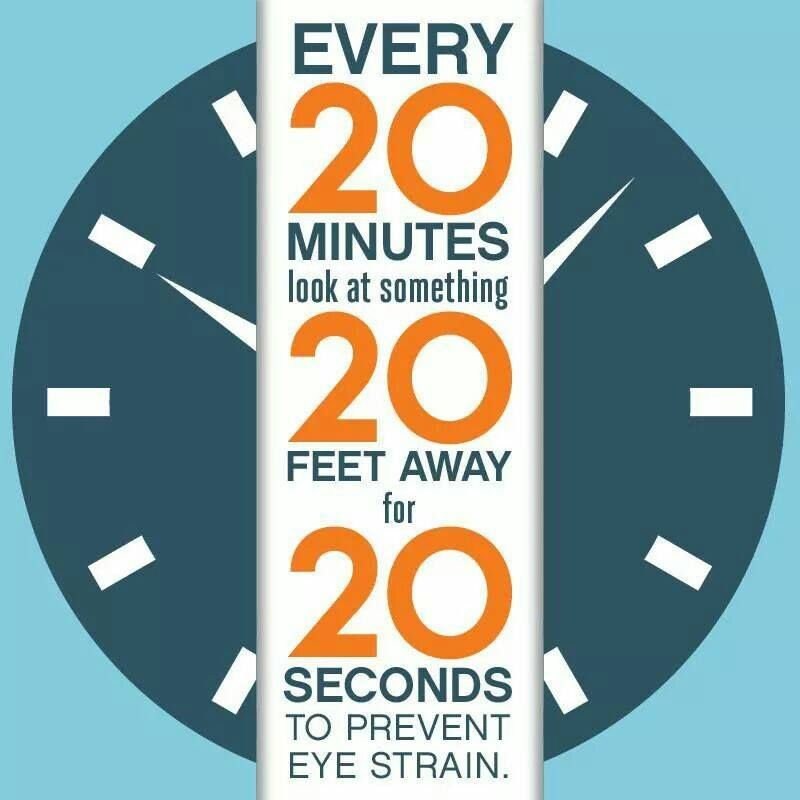
Simple eye care guidance at the desk using the 20/20/20 rule
The 20–20–20 rule is one of the eye care methods recommended by ophthalmology experts when working with screens.
How to do it
- After every 20 minutes of work, take your eyes off the screen.
- Look at an object about 20 feet away (approximately 6 meters).
- Maintain your gaze for at least 20 seconds.
This rule should be applied continuously throughout the time you work on a computer. When focusing on nearby objects for long periods, the eye’s focusing muscles must work constantly. Looking into the distance for a few seconds helps reduce strain on these muscles, limit eye fatigue during long work sessions, and improve concentration.
Notes
- Do not just glance quickly and return to the screen.
- Make sure to truly focus on a distant point so your eyes can properly relax.
2. Blink frequently to prevent dry eyes
A common issue when working with screens is reduced blinking frequency. Studies show that when people focus on screens, they may blink nearly half as often as they normally would.
This causes the tear layer on the eye surface to evaporate faster and can lead to dry eyes.
How to do it
To improve eye care, you should consciously blink slowly and completely. You can practice a blinking exercise: gently close your eyes for 2 seconds, open them again, and repeat this 10–15 times every 20–30 minutes while working on a computer.
Notes
Avoid squinting too hard and blink naturally to keep the surface of the eyes moist.
3. Adjust screen brightness appropriately

One important principle of eye care is ensuring the screen brightness is balanced with the surrounding environment.
Inappropriate screen brightness is one reason many people experience eye strain or headaches while working. One important principle of eye care is ensuring that the light from the screen is balanced with the surrounding environment.
How to do it
- Adjust the screen brightness to match the room lighting.
- Turn on the blue light filter if you have to work at night.
- Increase text size to reduce strain on the eyes.
You should check and adjust the brightness when starting work or whenever the lighting environment changes.
Notes
Avoid using a screen that is too bright in a dark room, and do not set the screen too dim, as your eyes will have to work harder to focus.
4. Place the screen at the correct distance and position
Posture and viewing distance also significantly affect eye health. If the screen is too close or too high, your eyes must constantly adjust, which can easily lead to eye fatigue.
The ideal distance is about 50–70 cm between your eyes and the screen, and the top edge of the screen should be at or slightly below eye level.
How to do it
- Position the screen about 10–15 degrees below your eye level.
- Sit upright and keep your head and neck in a natural position.
Adjust the screen position when setting up your workspace and check it periodically.
Notes
Avoid leaning too close to the screen and avoid looking at screens while lying down or tilting your head.
5. Take eye breaks every 1–2 hours
Besides the 20–20–20 rule, giving your eyes a real break after long working periods is also very important for proper eye care. After every 1–2 hours of work, leave your desk, walk around lightly, or look into the distance. A break of about 3–5 minutes is enough to help your eyes relax.
Taking breaks helps reduce strain on the eye muscles, improve blood circulation around the eyes, and lower the risk of prolonged eye fatigue.
6. Maintain eye moisture during long working hours
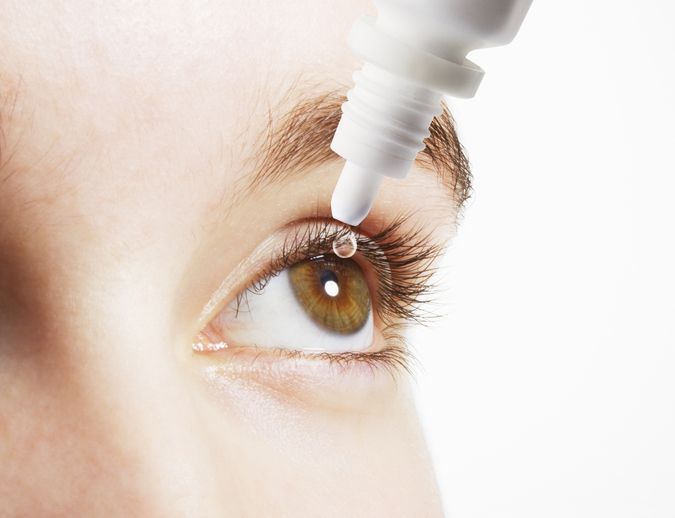
Maintain eye moisture during long working hours
Air-conditioned environments or closed rooms can easily cause dry eyes. This is why many people feel irritation or discomfort when working with computers for long periods.
Some effective eye care practices include drinking enough water daily, using artificial tears when necessary, and avoiding direct airflow from fans or air conditioners toward the face. Artificial tears may be used 2–4 times per day according to a doctor’s instructions.
Notes
Do not overuse eye drops without medical advice. If dry eyes persist, consult an eye specialist.
7. Eye massage for quick relaxation
Eye massage is a simple eye care method that helps relieve tension quickly after many hours of work.
How to do it
- Wash your hands thoroughly.
- Close your eyes gently.
- Use your fingertips to massage the area around the eye sockets in circular motions.
- You can also gently place warm palms over your eyes for about 1 minute.
Perform this 2–3 times per day or whenever your eyes feel tired.
Notes
Do not press directly on the eyeball. Massage gently to avoid causing eye injury.
If you frequently experience dry eyes, blurred vision, eye pain, or difficulty concentrating while working, you should proactively schedule regular eye examinations to receive proper evaluation and suitable eye care advice.

 14/10/2026










 0916.741.763
 Appointment