

 vi
vi 17-Mar-2026
 36,195
 What is myopia?
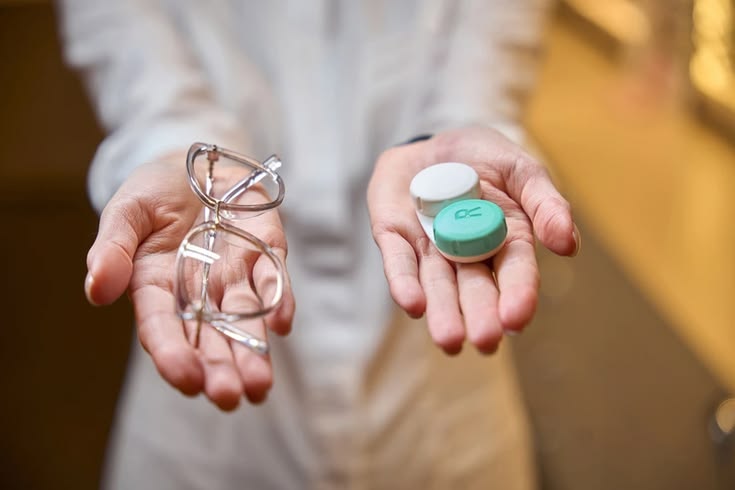
Myopia surgery and what you need to know
Myopia is one of the most common refractive errors today. People with myopia can see clearly at near distances but have difficulty seeing far away because images are focused in front of the retina instead of directly on it.
This condition is increasingly common, especially among young people, office workers, and those who frequently use digital devices.
What is myopia surgery?
Myopia surgery is a procedure that corrects refractive errors and improves vision without the need for glasses or contact lenses.
The main mechanisms include:
- Reshaping the cornea using laser
- Or implanting an intraocular lens to adjust how light enters the eye
Depending on the degree of myopia, corneal thickness, and overall eye condition, the doctor will recommend the most suitable method.
Benefits of myopia surgery
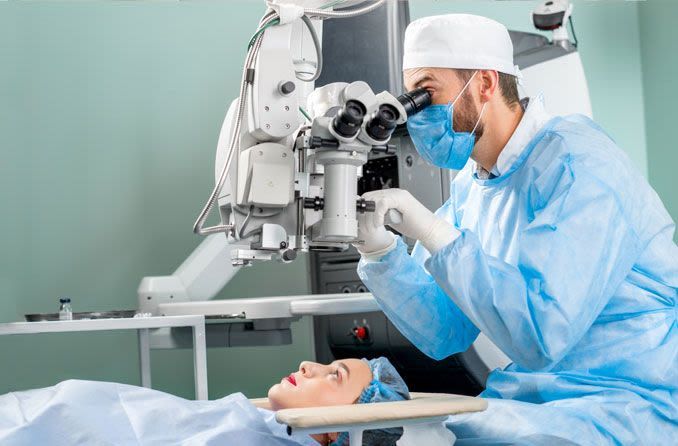
Benefits of myopia surgery
Myopia surgery offers several clear advantages:
- Rapid vision improvement, with many patients seeing clearly within 24–48 hours
- No longer dependent on glasses, improving daily convenience
- Enhanced quality of life, especially for athletes or specialized professions
- Improved aesthetics and greater confidence
- Reduced risk of infection or inconvenience from contact lens use
Possible risks
After myopia surgery, some temporary symptoms may occur:
- Dry eyes during the first 1–3 months
- Light sensitivity, glare, or halos at night
- Mild redness due to affected blood vessels during surgery
- Risk of myopia regression, especially in high myopia or excessive eye use after surgery
Most of these symptoms will gradually improve with proper care and regular follow-up visits.
Common myopia surgery methods today
| Method | Key features |
|---|---|
| Phakic ICL | An intraocular lens implantation method suitable for high myopia, thin corneas, or patients not eligible for laser surgery. Phakic ICL does not damage the cornea and can be removed when necessary. |
| SMILE Pro | Advanced femtosecond laser technology with extremely fast laser time, minimally invasive and quick recovery. |
| CLEAR | Corneal tissue extraction through a small incision (~2mm), preserving corneal structure and reducing dry eye risk. |
| ReLEx SMILE | No corneal flap creation, reducing flap-related complications and suitable for active individuals. |
| Femto LASIK | Combines two laser technologies for improved precision and safety compared to traditional LASIK. |
| SmartSurfACE | Non-contact surface treatment, suitable for patients with thin corneas. |
| LASIK | A long-established method using a microkeratome to create a corneal flap. |
Typical myopia surgery process
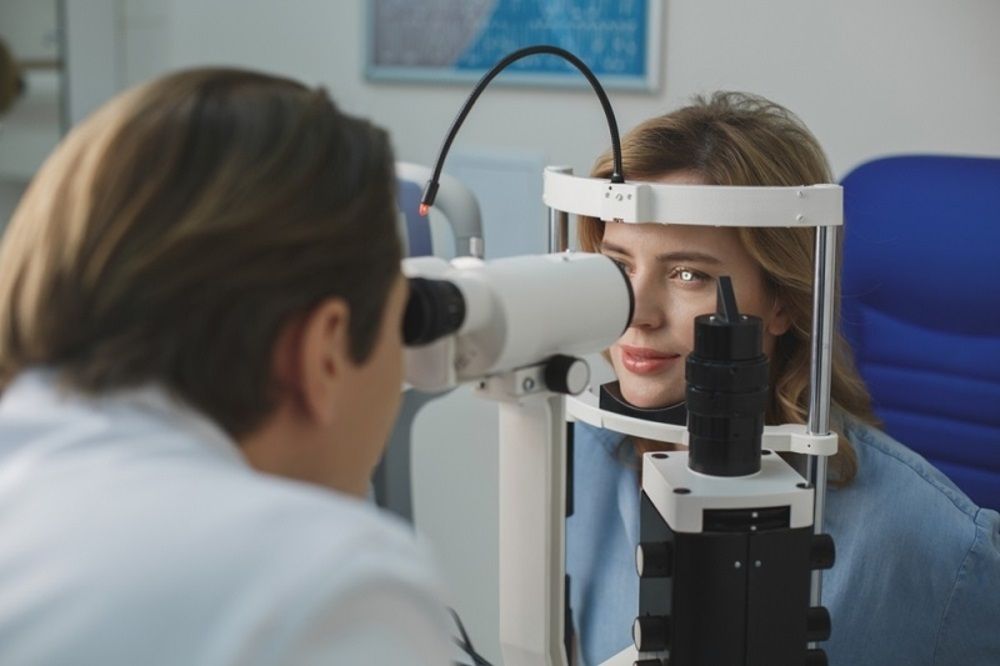
Typical myopia surgery process
1. Pre-operative comprehensive examination
The doctor will assess overall eye health, including stability of myopia, corneal thickness, and any related eye conditions. This step is essential to ensure safety and optimal results.
2. Surgery procedure
- Quick procedure, typically 10–15 minutes
- Patient remains awake with anesthetic eye drops
- No pain during the procedure
3. Post-operative care
- Rest and limit screen time
- Use medications as prescribed
- Attend follow-up appointments
Post-operative care plays a key role in recovery speed and visual outcomes.
Frequently asked questions about myopia surgery
Should you have myopia surgery?
Myopia surgery is an effective way to improve vision. However, a thorough eye examination is necessary to determine if you are a suitable candidate.
Can high myopia be treated?
Patients with high myopia can still undergo surgery. If laser is not suitable, options like Phakic ICL provide a wider treatment range.
Is surgery recommended for mild myopia?
Even with mild myopia, surgery is an option if you want to eliminate glasses or meet job-specific vision requirements.
Is myopia surgery painful?
Most modern procedures are painless thanks to anesthetic eye drops. Mild discomfort may occur after surgery but resolves quickly.
How long does recovery take?
Can myopia return after surgery?
With Phakic ICL, the risk of myopia regression is very low compared to laser procedures. This is because:
- Phakic ICL does not alter the cornea but places a lens inside the eye to correct refractive error
- Vision is corrected by the implanted lens rather than removing corneal tissue
Myopia surgery is a modern solution that quickly improves vision and enhances quality of life. To achieve the best results, it is important to choose the right method, undergo treatment at a reputable clinic, and follow proper post-operative care instructions.

 14/10/2026










 0916.741.763
 Appointment