

 vi
vi 12-Sep-2026
 29,260
 Myopia surgery is not entirely risk-free. Its safety depends on the condition of the eyes, the selected procedure, preoperative screening results, surgical technique, and postoperative care. If the eyes do not meet the criteria for a particular procedure, the ophthalmologist may recommend postponing surgery or considering a more suitable alternative.
What is myopia surgery?
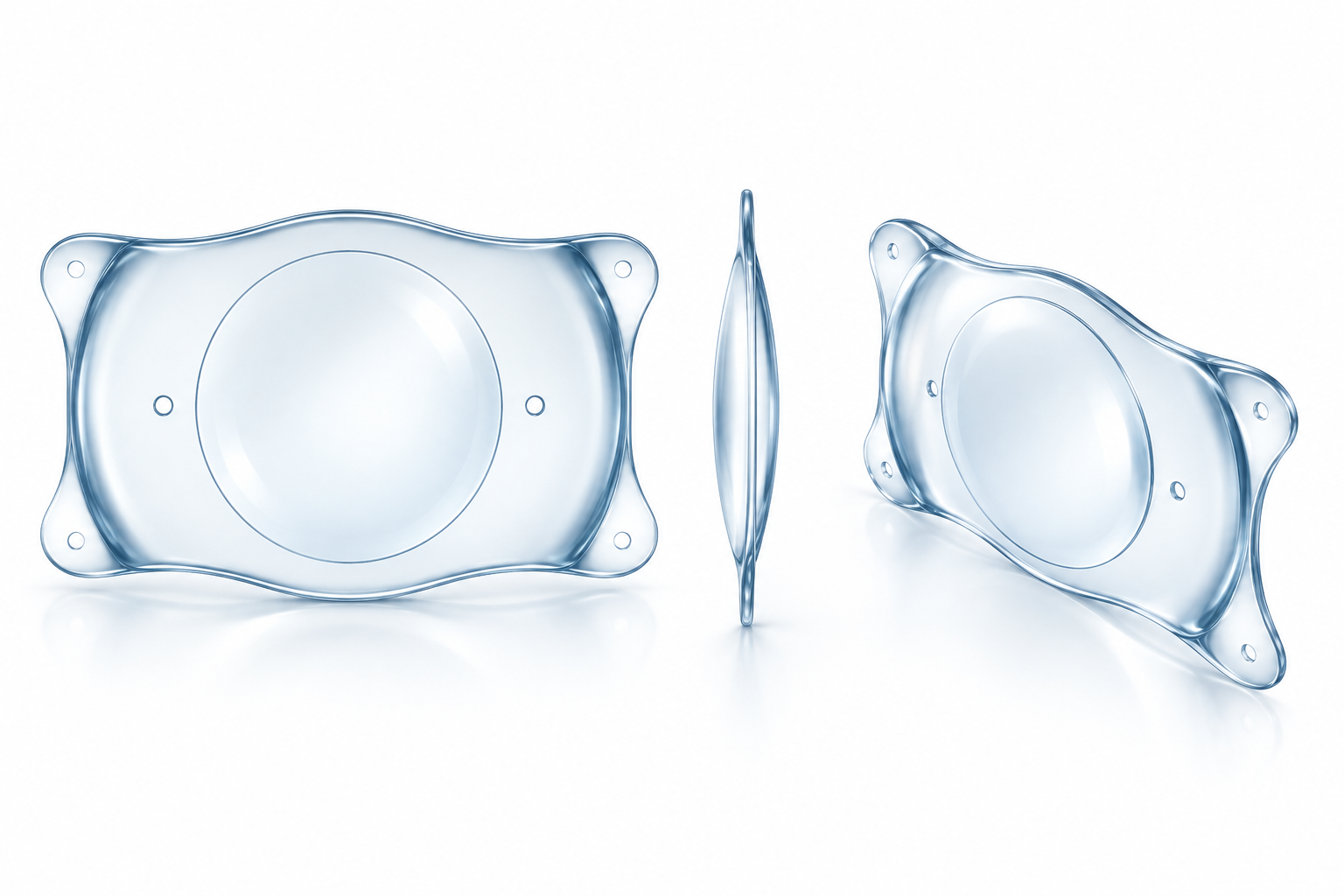
Myopia surgery, also known as refractive surgery, refers to a group of procedures designed to correct refractive errors and reduce dependence on glasses or contact lenses. Depending on the technique, the ophthalmologist may reshape the cornea with a laser or use an intraocular lens to modify how light is focused inside the eye.
Common procedures include Phakic ICL, LASIK, Femto LASIK, ReLEx SMILE and SMILE Pro. Each procedure works differently and has its own eligibility criteria, so the choice should not be based solely on the degree of myopia or the desire for faster recovery.

Is myopia surgery dangerous?
Is myopia surgery dangerous?
Myopia surgery does involve risks, but the level of risk is not the same for every patient. A person whose preoperative examination confirms suitability for the selected procedure will have a different risk profile from someone with an abnormal cornea, unstable refractive error, or an existing eye condition.
For this reason, “safe myopia surgery” should not be interpreted as surgery with zero possibility of complications. What matters is identifying the right candidate for each procedure and detecting potential risk factors before surgery is performed.
What risks can occur after myopia surgery?
Potential postoperative issues vary depending on the procedure and the condition of the eyes. Some concerns commonly discussed with patients include:
Dry eye: dryness, a gritty sensation, or discomfort may occur after certain refractive procedures. The severity and duration can vary from person to person.
Glare or halos at night: some patients may notice halos around lights or increased discomfort when looking at bright light sources, particularly during the early postoperative period.
Residual refractive error: the refractive outcome after surgery may not always match the initial target exactly. Some patients may still have residual myopia, hyperopia, or astigmatism.
Refractive regression: the refractive status of the eye may change again over time in some patients after surgery.
Corneal ectasia: this is an important potential complication in procedures that alter corneal tissue. Corneal topography and structural assessment before surgery help ophthalmologists identify patients who may be at increased risk.
Healing-related problems or infection: follow-up examinations and proper use of prescribed medications are important so the ophthalmologist can monitor the recovery process.
No refractive surgery procedure is suitable for everyone. A technique that is appropriate for one patient may not be the right choice for another.
What determines the safety of myopia surgery?
Preoperative screening helps the ophthalmologist determine whether a patient is suitable for refractive surgery and which procedure should be considered. The assessment is not based on the degree of myopia alone.
The refractive error should be sufficiently stable. If the prescription is still changing, the ophthalmologist may recommend further monitoring before proceeding with surgery.
The thickness and shape of the cornea need to be assessed. Patients with thin corneas, abnormal corneal shape, or suspected keratoconus require careful evaluation before any procedure that alters corneal tissue is considered.

Factors that determine the safety of myopia surgery
Eye health should be carefully evaluated. Active eye diseases or inflammatory conditions may affect both the decision to operate and the appropriate timing of treatment.
Overall health should also be reviewed. Patients should inform the ophthalmologist about any medical conditions being treated, medications currently being used, pregnancy or breastfeeding, and other health issues that could affect healing.
Because of these strict eligibility requirements, the 10-step preoperative eye examination, including refractive measurement, corneal thickness assessment, corneal topography, and retinal examination, is considered an essential step before deciding to undergo myopia surgery.
Do Phakic ICL, LASIK and SMILE carry the same risks?
No. Refractive surgery procedures do not affect the eye in the same way, so the factors that need to be assessed before surgery also differ.
| Procedure group | Approach | Factors to assess before surgery |
|---|---|---|
| Phakic ICL | Implants an additional intraocular lens instead of using a laser to remove corneal tissue | Internal ocular anatomy and whether the eye meets the anatomical requirements for lens implantation |
| SMILE / SMILE Pro | Corrects refractive error by removing a small amount of corneal tissue | Corneal structure, refractive error, and overall eye condition before surgery |
| LASIK / Femto LASIK | Corrects refractive error by reshaping the cornea | Corneal shape, corneal thickness, ocular surface condition, and factors related to healing |
The table above only highlights differences in how these procedures work. The most suitable option should be determined by a comprehensive eye examination rather than by the name of the technology alone.
Who should be cautious before deciding on myopia surgery?
Patients with unstable refractive error, thin or abnormal corneas, active eye disease, or health conditions that could affect healing should undergo careful evaluation before surgery.
This does not mean that every patient in these groups is unable to undergo refractive correction. Someone who is not suitable for a laser-based procedure may still be considered for another option if the examination results meet the relevant criteria.
How should the eyes be cared for after myopia surgery?
The outcome of surgery does not depend solely on what happens in the operating room. Postoperative follow-up allows the ophthalmologist to monitor vision, assess healing, and detect any abnormal signs early.
Patients should use medications exactly as prescribed, avoid changing or stopping them without medical advice, refrain from rubbing the eyes, and attend follow-up appointments as scheduled. If eye pain increases, vision decreases unexpectedly, or other concerning symptoms develop, the patient should contact the treating eye care facility for assessment rather than attempting to manage the problem at home.
Should you undergo myopia surgery?
The decision to undergo myopia surgery should not be based solely on the degree of myopia or the desire to stop wearing glasses. The more important questions are whether the eyes are suitable for surgery and which procedure offers an appropriate balance of benefits and risks for the individual condition.
Anyone considering surgery should undergo a comprehensive examination at an ophthalmology facility with a refractive surgery specialist. After assessing refractive error, corneal parameters, and other necessary ocular structures, the ophthalmologist will have enough information to recommend an appropriate option.
Frequently asked questions about myopia surgery
Can myopia return after surgery?
Yes, it can. The refractive status of the eye may change after surgery in some patients. This is why refractive stability should be assessed before surgery, and regular eye examinations are still recommended after treatment.
Is myopia surgery painful?
The level of discomfort depends on the procedure and the individual patient. Different sensations may occur during and after surgery, so patients should ask their ophthalmologist about anesthesia, recovery, and the expected symptoms associated with the selected procedure.
Can someone with thin corneas undergo myopia surgery?
Having thin corneas does not automatically mean that refractive correction is impossible. The ophthalmologist needs to assess corneal thickness, shape, and other relevant parameters before determining whether a laser-based procedure is appropriate or whether another option should be considered.
Is Phakic ICL a laser vision correction procedure?
No. Phakic ICL corrects refractive error by implanting an intraocular lens rather than removing corneal tissue with a laser. A comprehensive eye examination is still required to determine whether the eye meets the eligibility criteria for this procedure.
Does blurred vision after myopia surgery mean that myopia has returned?
Blurred vision alone is not enough to conclude that myopia has returned. Vision after surgery can be affected by several factors during the recovery period. If vision decreases or changes unexpectedly, the patient should return for an examination so the ophthalmologist can determine the cause.

 01/10/2026










 0916.741.763
 Appointment