

 vi
vi 22-Aug-2026
 17,005
 Advancing Knowledge – Sharing Experience – Promoting Professional Collaboration
As part of his professional activities in Vietnam, Dr. Scott met and exchanged insights with ophthalmologists and experts on phakic intraocular lens surgery, including EVO ICL—a solution used to treat certain cases of myopia and astigmatism.
The discussions focused on key clinical aspects of the treatment process, including eye examinations, ocular assessment, determination of indications, patient selection, surgical procedures, and postoperative follow-up. The experts also shared clinical experience in managing different cases and discussed the role of standardized protocols and technology in supporting treatment safety and effectiveness.
Professional Exchange and Updates on Clinical Practice
The meeting provided an opportunity for Vietnamese and international experts to exchange information, review advances in ICL surgery, and discuss clinical practice requirements.





ICL surgery should only be recommended following a comprehensive eye examination and an individualized assessment. Factors such as refractive status, ocular anatomy, corneal health, intraocular pressure, medical history, and patient expectations must be carefully considered before a treatment decision is made. Patients should also receive comprehensive counseling regarding the potential benefits, limitations, risks, and postoperative follow-up requirements.
EVO ICL is a type of phakic intraocular lens implanted in the eye without removing the natural crystalline lens. However, this treatment is not suitable for everyone with a refractive error. The choice of treatment should be based on an ophthalmologist’s recommendation after all necessary examinations have been completed.
Strengthening Connections within the Ophthalmology Community
The professional exchange between Dr. Scott and Vietnamese ophthalmology experts helped strengthen professional connections, facilitate the sharing of clinical experience, and provide updates in the field of refractive error treatment.
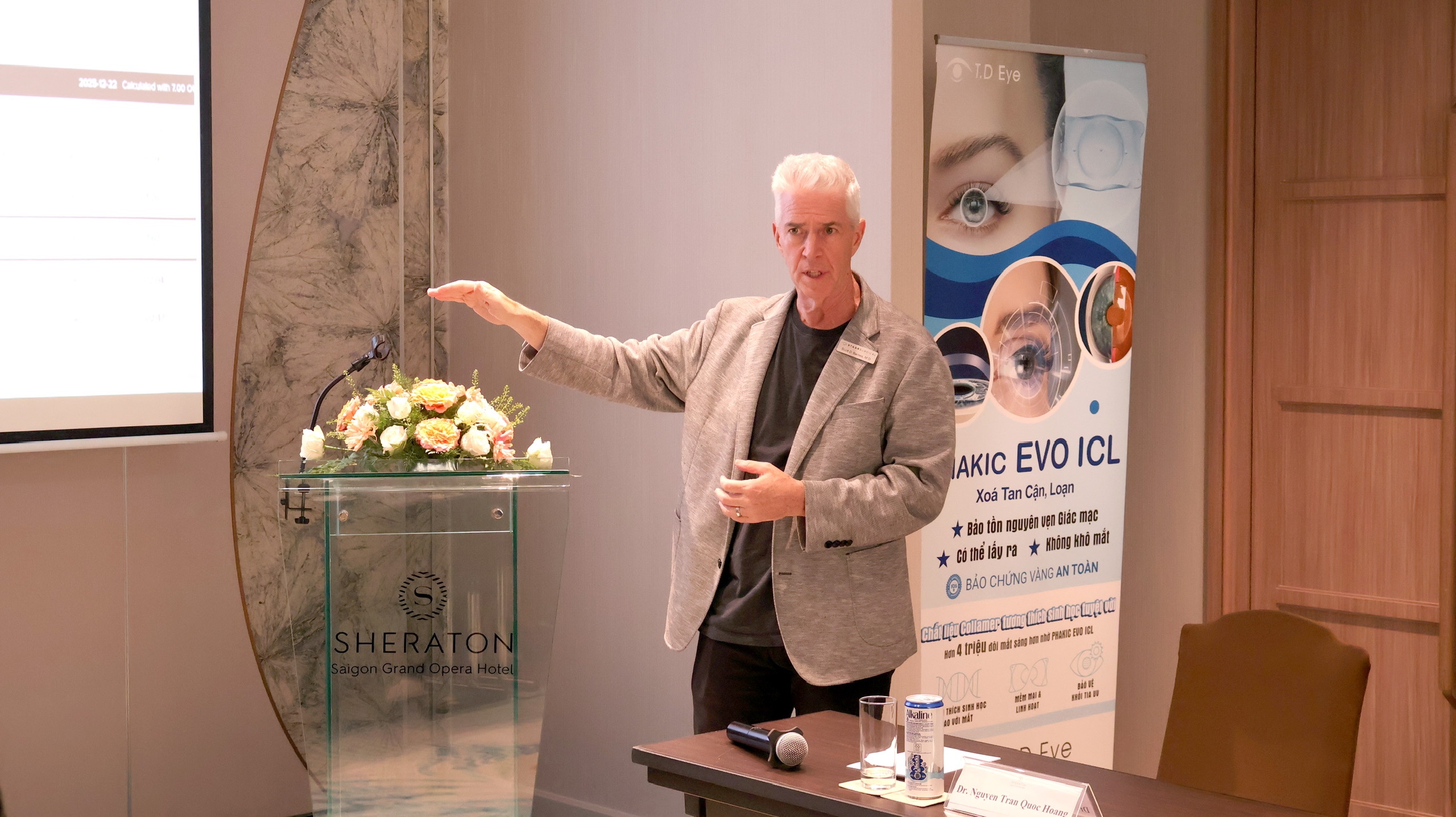




Professional exchange programs such as this help physicians gain access to diverse clinical perspectives while encouraging adherence to assessment, surgical, and follow-up protocols tailored to each patient.
Advancing Evidence-Based Treatment Practices
In refractive error treatment, technology represents only one component of the overall process. Treatment outcomes depend on multiple factors, including appropriate indications, the physician’s clinical expertise, the capabilities of the medical facility, surgical protocols, and the patient’s adherence to the recommended follow-up schedule.




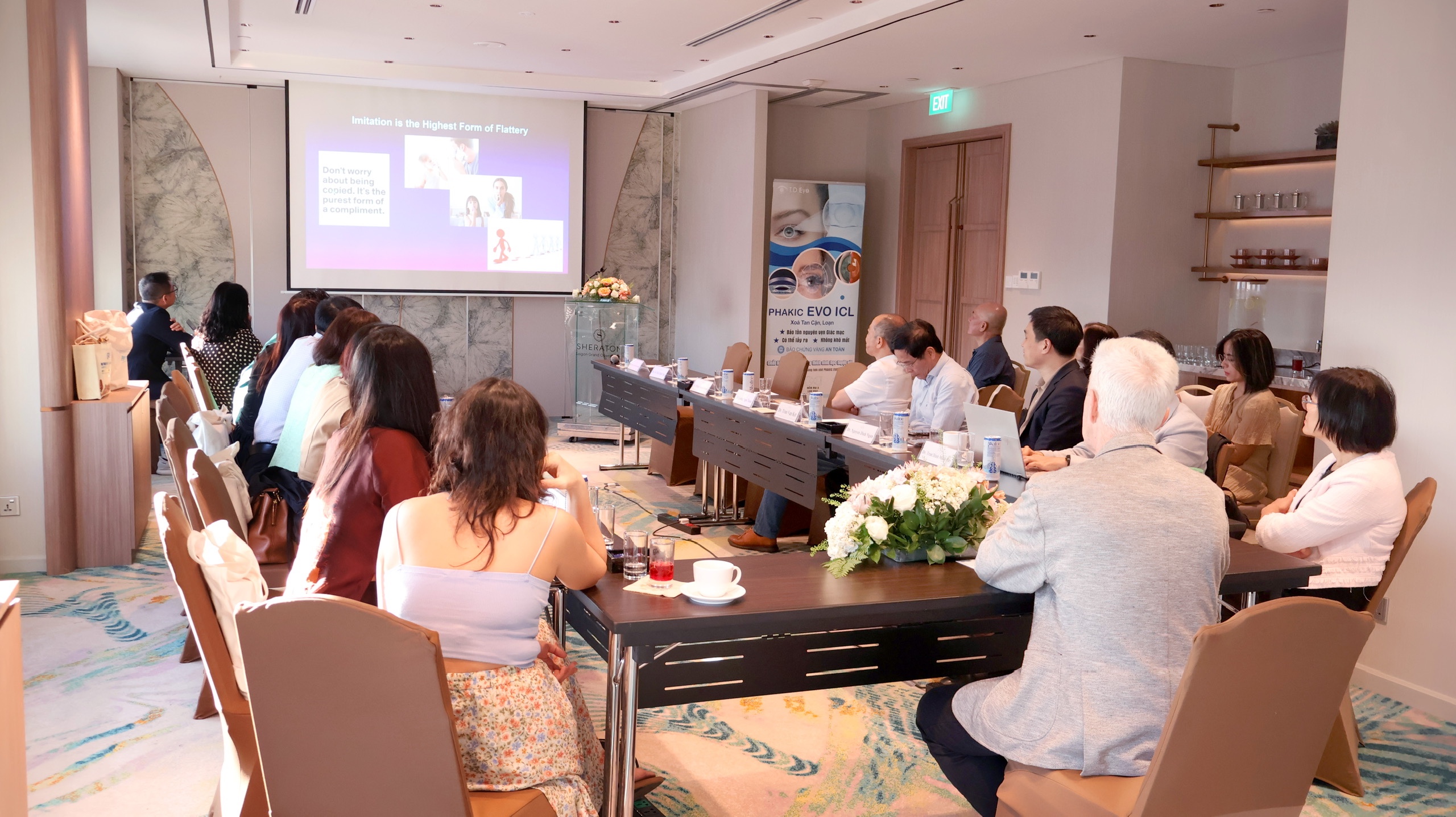


Through professional development and knowledge-sharing activities, ophthalmology teams have additional opportunities to exchange experience, enhance the quality of clinical practice, and provide patients with comprehensive, accurate, and objective information when considering ICL surgery.
 03/10/2026












 0916.741.763
 Appointment