

 vi
vi 30-Apr-2026
 33,345
 Why Is Nighttime Important for Your Eyes?

Why is nighttime important for visual health?
Vision is the eye’s ability to distinguish fine details, shapes, and the distance of objects. This process is carried out through the complex coordination of the cornea, lens, retina, and optic nerve, which transmits signals to the brain.
According to ophthalmology research, sleep is the only time of day when the eye muscles can fully relax. It is also when the tear film is regenerated and the optic nerve cells undergo self-repair after damage caused by light exposure and oxidation during the day. Maintaining poor nighttime habits directly interrupts this process, leading to potentially serious consequences.
Bad Nighttime Habits That Harm Your Vision
1. Using Electronic Devices in the Dark
This is the most common habit today. When you use your phone or computer in a dimly lit environment, your pupils dilate to allow more light to enter.
Blue light has a short wavelength and high energy. When it shines directly into your eyes at close range in the dark, it penetrates the eye’s natural filters and directly affects the retina.
A survey by the American Academy of Ophthalmology found that exposure to blue light at night can reduce melatonin production (the sleep hormone) by up to 50%, harming not only your eyes but also disrupting your circadian rhythm.
Advice: Never use your phone after turning off the lights. If you must, keep the room lights on and enable “Night Shift” mode to reduce blue light exposure.
2. Staying Up Late and Chronic Sleep Deprivation
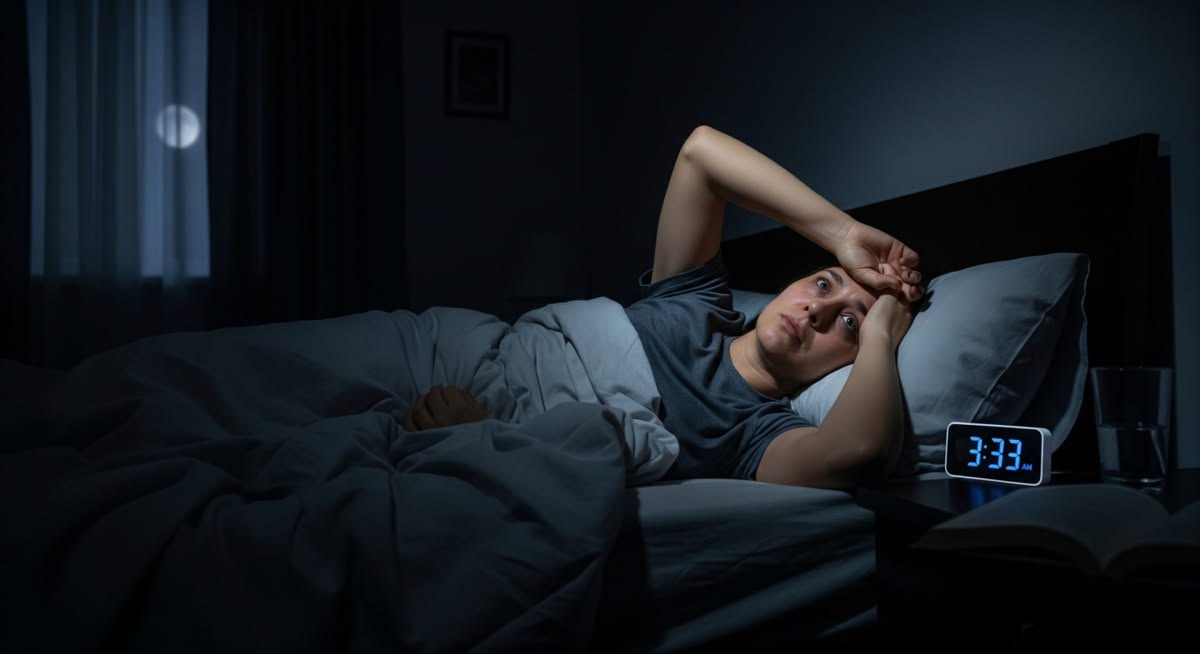
Chronic sleep deprivation can seriously affect eye health
Sleep and eye health are closely connected. Lack of sleep prevents your eyes from having enough time to lubricate and recover, leading to dryness, redness due to dilated blood vessels (conjunctival injection), and irritation. Prolonged sleep deprivation can also cause eyelid twitching (myokymia) and increased intraocular pressure.
In particular, people who sleep fewer than five hours per night are three times more likely to develop glaucoma than those who sleep seven to eight hours. Deep sleep between 11 PM and 3 AM is especially important, as this is when the liver detoxifies the body, indirectly supporting brighter, healthier eyes.
3. Reading or Working Under Dim Lighting
Many people enjoy reading under a soft bedside lamp before sleeping. However, this forces the eye’s focusing muscles to work excessively to maintain clear vision. Over time, this habit can accelerate myopia progression, especially in children, and contribute to chronic eye strain accompanied by frontal headaches.
4. Rubbing Your Eyes When Tired
The reflex to rub your eyes when sleepy can cause significant mechanical damage. Vigorous rubbing may scratch the cornea or rupture tiny blood vessels, leading to subconjunctival hemorrhage.
Even more concerning, frequent eye rubbing is a leading cause of Keratoconus, a condition in which the cornea thins and bulges into a cone shape, causing distorted vision that cannot be fully corrected with regular glasses. Instead of rubbing your eyes, try blinking repeatedly or using artificial tears to relieve discomfort.
5. Failing to Remove Eye Makeup Before Bed
Mascara, eyeshadow, and accumulated debris left on the eyelids overnight can become a breeding ground for bacteria. This can block the Meibomian glands, which produce the oily layer of tears, leading to blepharitis, styes, chalazia, and severe dry eye.
Serious Eye Conditions Associated With Vision Loss

Serious eye conditions associated with vision loss
If these habits are not changed, your eyes may face the following conditions:
- Age-Related Macular Degeneration (AMD): Accumulated blue light damages the light-sensitive cells in the macula, leading to central vision loss. It is one of the leading causes of blindness.
- Cataracts: Oxidative stress caused by chronic sleep deprivation can denature the proteins in the lens, making vision appear cloudy, as though looking through fog.
- Computer Vision Syndrome (CVS): Causes eye strain, double vision, dry eyes, and neck and shoulder pain.
- Glaucoma: Increased eye pressure due to insufficient sleep can permanently damage the optic nerve.
How to Protect Your Vision Effectively
1. Follow the 20-20-20 Rule
Whether during the day or at night, when using screens, remember this simple rule: Every 20 minutes, look at something 20 feet (about 6 meters) away for at least 20 seconds. This allows your eye muscles to relax immediately.
2. Nourish Your Eyes With Proper Nutrition
Healthy vision starts from within. Include these essential nutrients in your daily diet:
- Lutein and Zeaxanthin: Found in kale and spinach, these nutrients help filter harmful blue light before it reaches the retina.
- Omega-3 Fatty Acids: Found in salmon and chia seeds, they improve tear film quality and help prevent dry eyes.
- Vitamins A, C, and E: Found in carrots, oranges, and avocados, they provide antioxidant protection and may help prevent cataracts.
3. Use Eye Drops Correctly
- Never overuse eye drops containing corticosteroids or vasoconstrictors (which quickly whiten the eyes) without a doctor’s prescription. Improper use can lead to blindness from glaucoma.
- Choose preservative-free artificial tears (single-use vials) to keep your eyes comfortably lubricated at night.
Essential Preventive Steps and Healthy Habits
To maintain optimal eye health, follow this routine:
- Set a Device Curfew: Disconnect from your phone and other screens at least one hour before bedtime.
- Practice Thorough Eye Hygiene: Use gentle makeup remover pads and saline solution to clean your eyelids every evening.
- Eye Massage: Before sleeping, rub your palms together until warm, then gently place them over your closed eyes for 30 seconds to improve blood circulation.
- Schedule Regular Eye Exams: Have your eyes checked every six months to detect silent retinal damage early.
Value your eyes by giving them the rest they deserve. Going to bed early not only helps you stay mentally sharp but also keeps your eyes bright, healthy, and radiant.
We hope this article has provided valuable insights and practical guidance to help you protect your precious vision!

 14/10/2026










 0916.741.763
 Appointment