

 vi
vi 16-Apr-2026
 67,165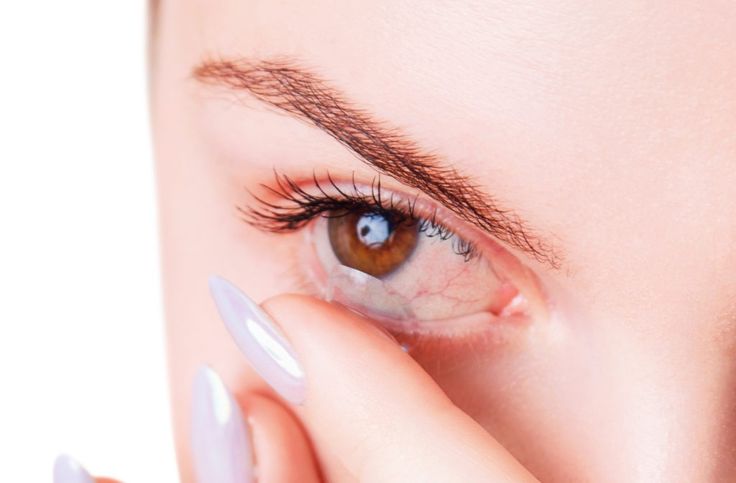
Contact lenses, though seemingly harmless, can become an ideal surface for parasites to attach to, or get trapped between the lens and the eye, allowing them to penetrate deeper into the cornea.
Contact lenses are a popular choice for improving vision and enhancing appearance. However, even a small habit such as wearing lenses while showering or improper hygiene can lead to serious consequences.
One of the most dangerous complications is Acanthamoeba keratitis – a rare parasitic infection that can cause permanent blindness.
The real story of Teresa Sanchez
Teresa Sanchez was in Mexico for a medical procedure when she began to feel dryness and a poking sensation in her right eye. She assumed it was a familiar issue from wearing contact lenses, possibly a torn lens, dry eyes, or simply fatigue.
But three months later, she discovered something far more serious was happening. A microscopic parasite had invaded her eye, attacking the cornea and causing intense, burning pain that radiated throughout her head.
Light became unbearable. She couldn’t even open her blinds because any exposure to light would immediately trigger severe pain.
Only after researching on her own did Sanchez realize her symptoms matched Acanthamoeba keratitis, a rare but highly dangerous condition. This was later confirmed by an eye specialist.
What is Acanthamoeba keratitis?

Acanthamoeba, in its active form, is a microscopic organism invisible to the human eye
Acanthamoeba is a single-celled organism found in water (tap water, swimming pools, etc.) and soil, and it does not require a host to survive. When it adheres to the surface of the eye, especially when there are tiny corneal abrasions caused by contact lenses, it can penetrate deeper into the eye tissue.
Once inside, it essentially erodes the cornea, causing inflammation, tissue damage, and in many cases leading to permanent vision loss.
When it enters the eye, particularly through abrasions caused by contact lenses, it can:
- Attach to the cornea
- Penetrate deeper into eye tissue
- Cause inflammation and corneal damage
Although rare, 85–95% of cases are linked to contact lens use.
Why are contact lens wearers at higher risk?
Contact lenses, though seemingly harmless, can become an ideal surface for parasites to attach to, or get trapped between the lens and the eye, allowing them to penetrate deeper into the cornea.
Risky habits that can lead to this condition include:
- Wearing contact lenses while showering or swimming
- Rinsing lenses with tap water
- Not replacing solution regularly
- Sleeping with contact lenses
Grace Jamison, a 20-year-old, went through a similar experience simply because of what many consider a harmless habit: wearing contact lenses while showering. After returning home from her trip, she was misdiagnosed and given inappropriate treatment.
Within just one week, her vision deteriorated to near blindness and remained that way for two months.
A long, painful and complex treatment process
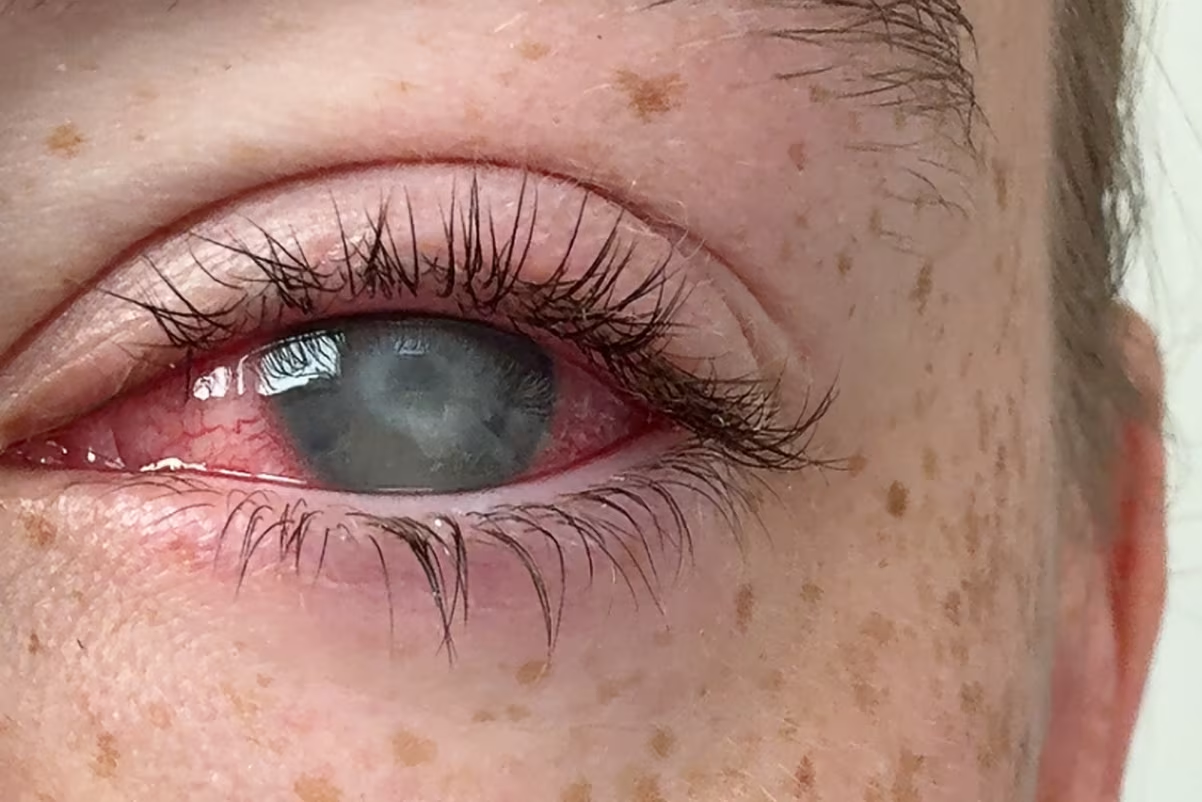
A parasitic disease clouds Grace Jamison’s vision.
Diagnosing Acanthamoeba keratitis is not easy. Because it is rare, many doctors may confuse it with more common conditions such as conjunctivitis or viral keratitis.
If misdiagnosed, patients may receive ineffective treatment while the parasite continues to damage the cornea.
Symptoms often begin with eye pain, blurred vision, light sensitivity, and a sensation of something in the eye. What stands out is that the level of pain is often far more severe than what appears externally.
Treatment is equally challenging:
- Patients must use specially compounded eye drops without preservatives, which must be kept refrigerated
- Some keep a mini fridge by their bed and carry insulated bags to maintain continuous treatment
- Drops must be applied every 30 minutes to an hour, for days, even months
The pain from treatment itself can be exhausting. One patient shared: “The drops are extremely painful, like the surface of my eye is severely damaged.”
Treatment can last for months to years. In severe cases, when the cornea becomes scarred or damaged, a corneal transplant may be necessary.
When is a corneal transplant needed?
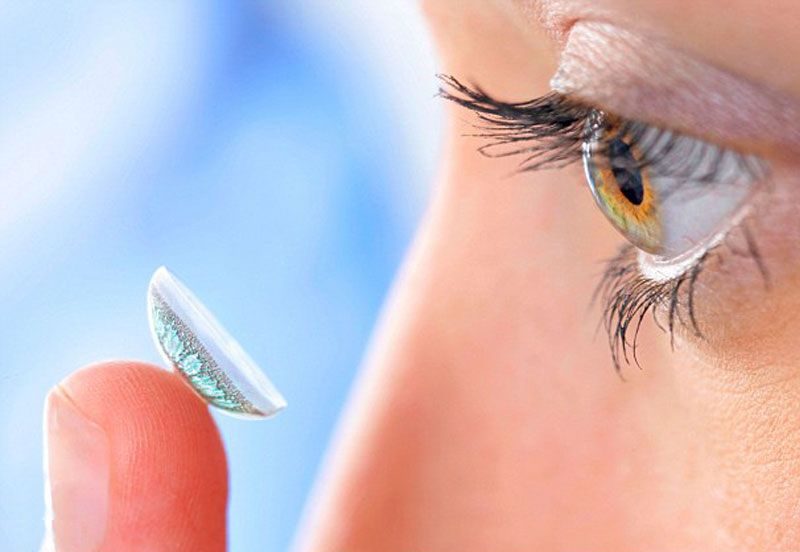
Contact lenses are not dangerous if used properly.
In severe cases, the disease can cause corneal scarring, thinning, or even perforation. At this stage, a corneal transplant may be required.
However, doctors must ensure the eye has been stable for a sufficient period before performing the transplant, as the parasite can remain dormant and reactivate later, damaging the new cornea.
Jamison is still undergoing treatment that may last about a year. Her vision has improved slightly, but remains very limited. She can only see light or blurred shapes, has to bring objects very close to read, and cannot drive.
Even with a corneal transplant, vision may not fully return to normal. Some patients require two to three years to achieve stable vision after surgery.
Meanwhile, Sanchez is among the few with a positive outcome. After a corneal transplant and cataract surgery, she achieved 20/20 vision, though her journey lasted more than two and a half years.
Patients who have gone through this condition share the same advice: be patient and trust your doctor. Treatment cannot be rushed, and each person’s journey is different, so avoid comparing yourself to others.
Long-term consequences
Even after successful treatment, patients may still experience:
- Incomplete vision recovery
- Inability to drive
- Dependence on vision aids such as scleral contact lenses
Contact lenses are not inherently dangerous if used correctly. However, even a small mistake such as exposing them to water, poor hygiene, or sleeping with lenses can lead to serious complications.
Should you consider alternatives to contact lenses?
If you frequently experience discomfort or are concerned about risks, you may consider:
- Eyeglasses
- Prescription swimming goggles
- Modern vision correction methods such as Phakic ICL
Among the most advanced vision correction solutions, Phakic ICL stands out for its ability to significantly improve vision and potentially eliminate the need for contact lenses, while preserving the cornea and offering flexibility for future decisions, especially for patients with high myopia.
We hope this article has provided you with useful insights to better protect and care for your vision.

 03/10/2026









 0916.741.763
 Appointment