

 vi
vi 12-May-2026
 52,155
 Overview

Why dry eye patients should choose Phakic ICL instead of LASIK?
For individuals living with chronic dry eye, choosing a refractive surgery method requires careful consideration of safety and the ability to preserve the ocular surface.
While traditional methods such as LASIK still have certain limitations for this group, Phakic ICL technology is emerging as an optimal solution thanks to its superior mechanism of action.
Below is an in-depth analysis explaining why Phakic ICL is the top choice for dry eye patients.
Corneal nerve preservation mechanism
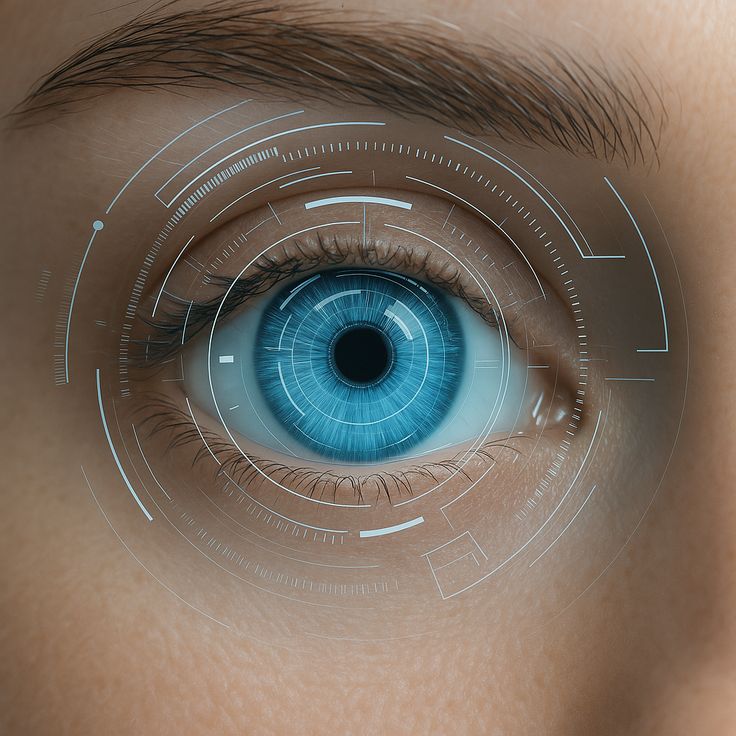
Corneal nerve preservation mechanism of Phakic ICL
The fundamental difference between the two methods lies in how they interact with the eye’s biological structure.
Phakic ICL: This procedure uses a tiny intraocular lens implanted through an extremely small incision (under 3mm) at the edge of the cornea.
It does not invade deeper stromal layers or sever the sensory nerve network on the corneal surface. As a result, the natural tear reflex remains stable, preventing any worsening of pre-existing dry eye.
LASIK: This method requires creating a corneal flap and using a laser to reshape the tissue. This process inevitably cuts a large portion of corneal nerves, which are responsible for signaling tear production.
Disruption of this reflex arc is the main reason why over 90% of patients experience dry eye symptoms in the early stages after LASIK.
Preservation of corneal thickness
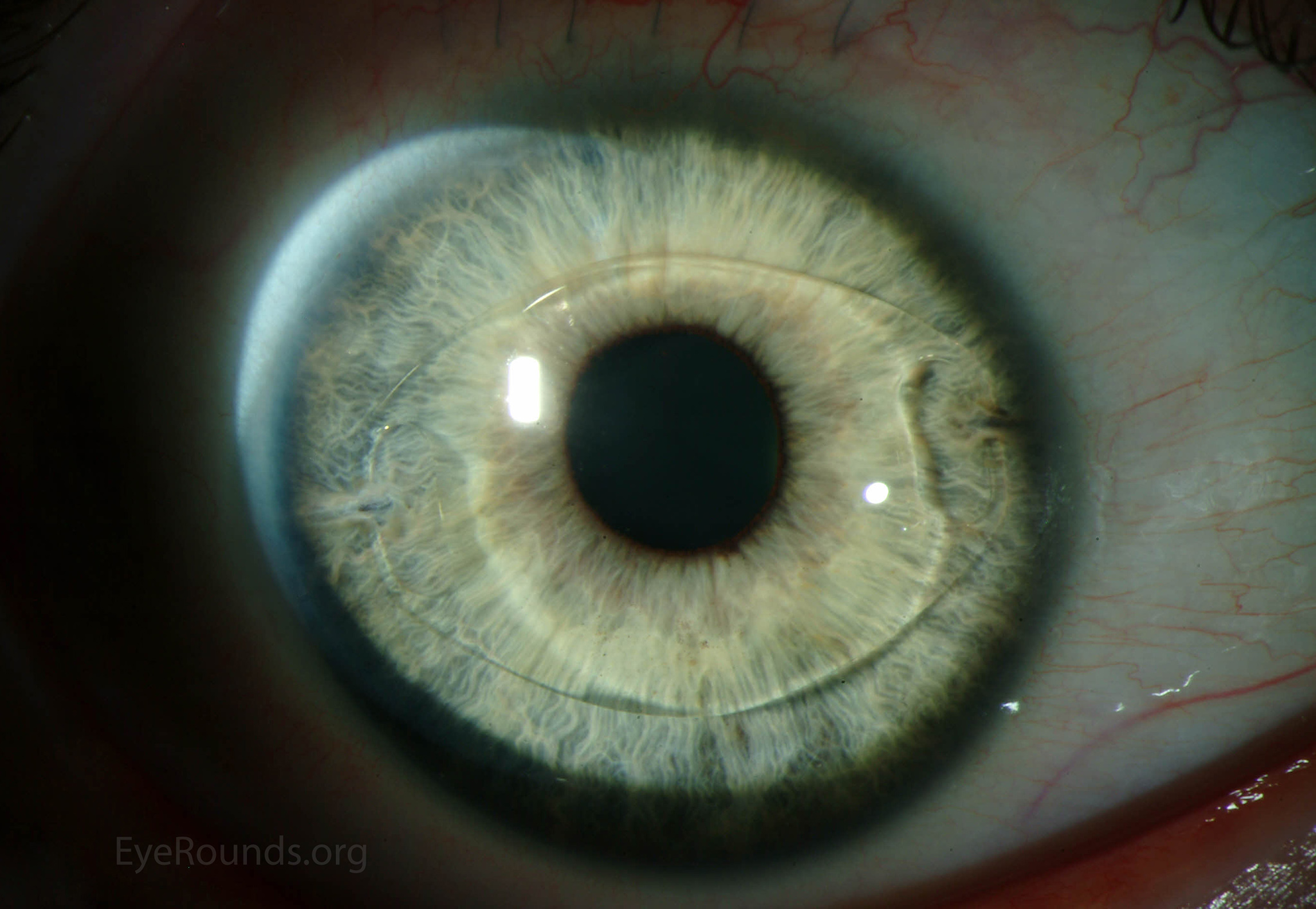
Beyond protecting tear function, Phakic ICL also delivers superior visual outcomes, especially for patients with high myopia and astigmatism.
Corneal thickness and curvature directly affect tear film distribution.
Phakic ICL: No corneal tissue is removed. Preserving the natural corneal structure not only maintains biomechanical strength but also ensures an ideal environment for an even tear film distribution. This is especially beneficial for patients with thin corneas who are not eligible for laser procedures.
LASIK: Requires removal of corneal tissue to correct refractive errors. Postoperative changes in corneal shape can alter tear distribution, making it harder for the eye to maintain stable moisture.
Superior visual quality and wider treatment range
Beyond protecting tear function, Phakic ICL also delivers outstanding visual performance, particularly for patients with high myopia and astigmatism.
In terms of clarity, the ICL lens provides crisp, high-definition vision while minimizing visual disturbances such as glare and halos at night—issues that are more common with laser procedures for high prescriptions.
Treatment range: Phakic ICL can correct myopia up to -18 or even -20 diopters, far exceeding the safe limits of LASIK.
Flexibility and reversibility
One of the most unique advantages of Phakic ICL compared to laser-based surgeries is its reversibility.
Because the ICL is lens placed inside the eye, it can be removed or replaced if the patient’s condition changes or if newer technologies become available in the future.
In contrast, LASIK permanently alters the corneal structure and cannot be reversed to its original state.
With its combination of corneal nerve preservation, structural integrity, and high-quality vision outcomes, Phakic ICL is a safe and effective solution for those seeking freedom from glasses while being concerned about dry eye.
A comprehensive eye examination and consultation with an ophthalmologist will help determine the most suitable treatment plan based on your unique eye condition.

 14/10/2026







 0916.741.763
 Appointment