

 vi
 27-Oct-2026
 760
Adequate nutrition helps maintain retinal function, protect the ocular surface, and support visual health. However, taking more vitamins does not necessarily mean better eyesight. Learn about the role of each nutrient so you can supplement appropriately, avoid waste, and minimize unwanted effects.

Vitamins and nutrients that support eye health
Why do your eyes need enough nutrients?
Your eyes need various nutrients to detect light, transmit visual signals, and maintain healthy tissues. Deficiencies in certain vitamins can affect these functions and may even cause eye damage if prolonged.
However, eye diseases are often associated with multiple factors, including age, genetics, underlying medical conditions, and the living environment. It is therefore necessary to distinguish between supplementation to correct a deficiency and taking vitamins to prevent or treat eye diseases. The benefits of treating a deficiency do not mean that taking additional vitamins will improve vision in people who already have adequate nutrition.
Vitamin A
Vitamin A is involved in forming visual pigments in the retina, helping the eyes function in low-light conditions. This nutrient is also essential for maintaining a healthy ocular surface. Vitamin A deficiency can cause night blindness, dry eyes, and, in severe cases, corneal damage.
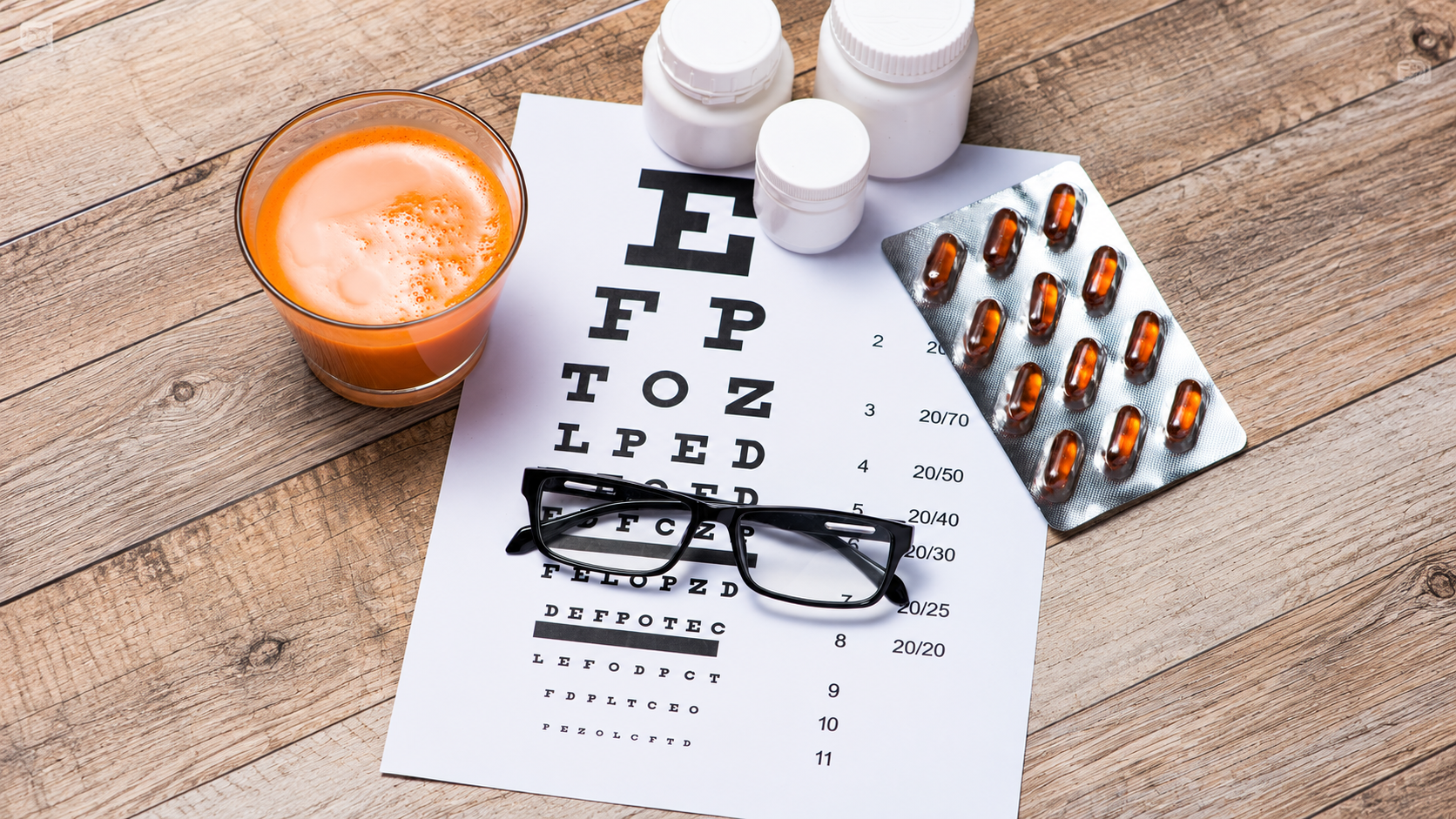
Deficiencies in certain vitamins can affect various eye functions
Foods that provide vitamin A include eggs, milk, and certain animal-based foods. Carrots, sweet potatoes, pumpkin, and dark leafy greens provide carotenoids, including beta-carotene, which the body converts into vitamin A. Do not take high-dose vitamin A without medical guidance, especially during pregnancy, because excess preformed vitamin A can be harmful.
Vitamin B1
Vitamin B1, also known as thiamin, helps the body convert food into energy and maintain normal nervous system function. These roles are fundamental to overall health, including the systems involved in processing visual information. Severe B1 deficiency can cause neurological disorders. However, B1 supplements should not be considered a way to self-treat eye symptoms. Food sources of B1 include pork, whole grains, and legumes. A varied diet usually helps meet daily requirements.
Vitamin B2
Vitamin B2, or riboflavin, is involved in energy metabolism and many biochemical reactions in the body. Severe, prolonged deficiency can affect eye health; information from the U.S. National Institutes of Health notes that cataracts may develop in this situation. However, taking additional B2 will not completely prevent cataracts in people who are not deficient. Milk, yogurt, eggs, and lean meat are sources of B2 that are easy to incorporate into meals.
Vitamin B3
Vitamin B3, also known as niacin, helps form coenzymes involved in energy metabolism, cellular function, and the antioxidant defense system. Although it is an essential nutrient, its biological roles alone are not enough to conclude that B3 supplementation can prevent all eye diseases. Do not take high-dose niacin on your own to “support eye health,” as it may cause unwanted effects. Poultry, fish, peanuts, and whole grains are options for obtaining B3 through food.
Vitamin C
Vitamin C helps protect cells against the effects of free radicals and is essential for collagen production (an important component of connective tissue). Despite its antioxidant role, vitamin C is not a treatment for cataracts. Studies have not consistently demonstrated that taking vitamin C alone helps prevent this condition. You can obtain vitamin C from guavas, oranges, mandarins, kiwifruit, bell peppers, and broccoli. Prioritize fresh, appropriately prepared foods rather than assuming you need a daily supplement.
Vitamin D
Vitamin D supports calcium absorption, bone maintenance, and immune function. The body can produce vitamin D when the skin is exposed to sunlight; dietary sources include fatty fish and vitamin D-fortified products. Vitamin D cannot cure myopia or eliminate blurred vision. In particular, avoid prolonged sun exposure to increase vitamin D, as ultraviolet radiation can damage the skin.
Vitamin E
Vitamin E is an antioxidant that helps protect cells against the effects of free radicals. Common food sources include almonds, sunflower seeds, and vegetable oils. Vitamin E is also an ingredient in the AREDS2 supplement formula for certain people with age-related macular degeneration. However, taking high-dose vitamin E on its own may increase the risk of bleeding and interact with medications.
Omega-3
Omega-3s are a group of fatty acids, including DHA, which is present at high concentrations in the retina. Salmon, sardines, and herring provide EPA and DHA; flaxseeds, chia seeds, and walnuts provide omega-3 in the form of ALA. The role of omega-3s in the body differs from the effectiveness of fish oil supplements. A large trial funded by the U.S. National Eye Institute did not find oral omega-3 supplements to be better than a placebo at improving dry eye in the patients studied. Therefore, fish oil cannot be considered an effective treatment for dry eye in everyone.
How should you supplement to support eye health?
If you eat a balanced, healthy diet, you may get all the nutrients your body needs. However, if you are deficient in any vitamins, supplements may benefit your overall health and your eyes. However, you should consult your doctor before taking them to choose the appropriate type and dosage and avoid unwanted effects from excessive supplementation.
Yes. Excessive intake of certain vitamins can cause unwanted effects or interact with medications.

 26/10/2026














 0916.741.763
 Appointment
