

 vi
vi 09-Jun-2026
 55,195
 Over the past decades, refractive surgery has helped millions of people worldwide reduce or eliminate their dependence on eyeglasses and contact lenses. However, not everyone with myopia is a suitable candidate for traditional laser-based procedures. One of the most common reasons patients are deemed ineligible for LASIK or similar techniques is a thin cornea.
What Is a Thin Cornea and Why Does It Affect Myopia Treatment?
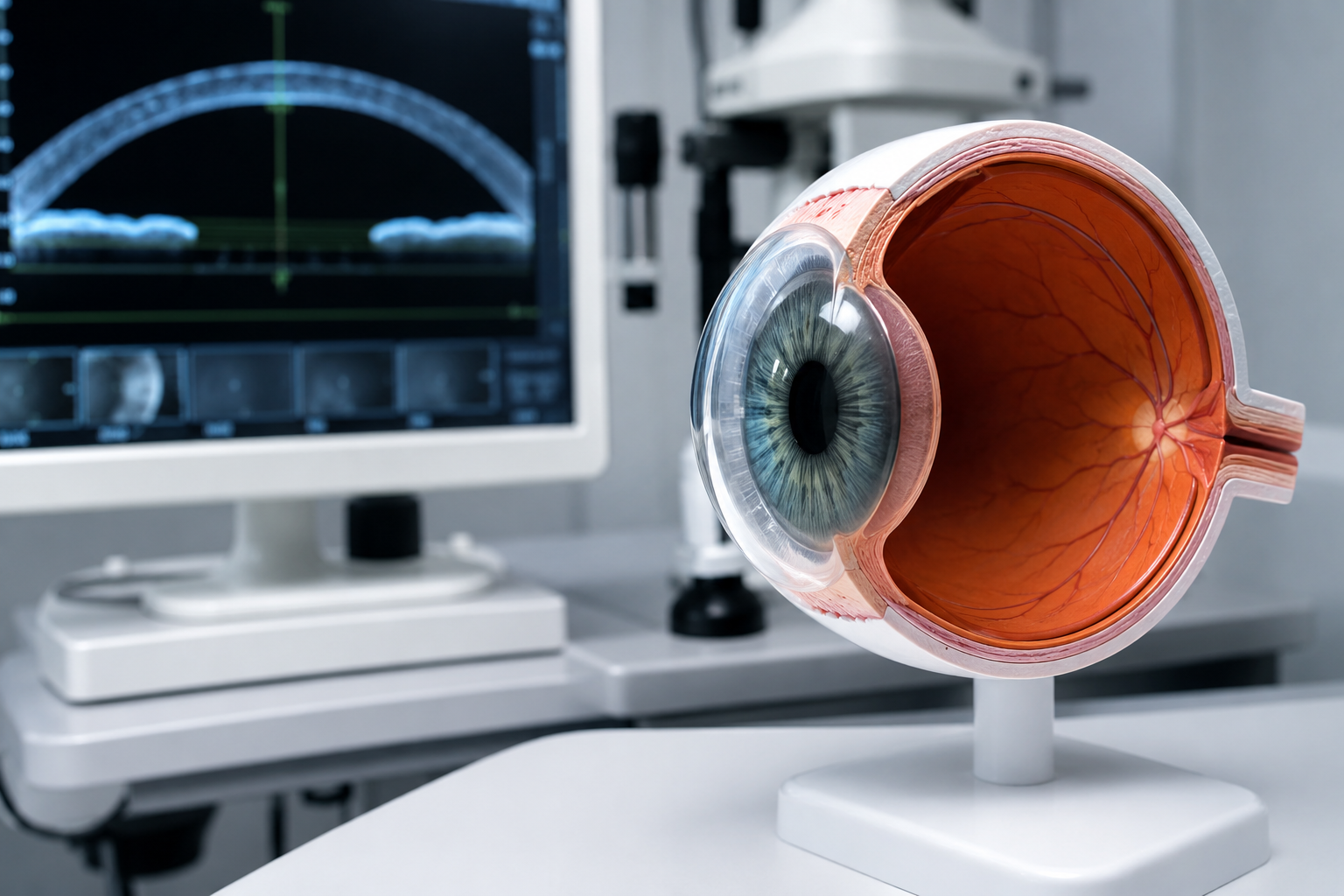
Evaluating thin corneas with advanced ophthalmic technology before myopia treatment
The cornea is the transparent tissue located at the front of the eye. It functions as a “natural lens,” helping focus incoming light onto the retina. The average corneal thickness in adults typically ranges from 520–550 micrometers (µm). However, corneal structure can vary significantly from one individual to another.
A cornea is considered thin when its thickness falls below the average range. This characteristic requires careful evaluation, especially when laser vision correction is being considered. Procedures such as LASIK and Femto LASIK rely on laser energy to reshape the cornea. After surgery, sufficient corneal tissue must remain to maintain long-term structural stability.
If the remaining corneal tissue is excessively thin, the risk of developing corneal ectasia may increase.
Causes and Risk Factors Associated with Thin Corneas
Not all cases of thin corneas are considered pathological. Some individuals are simply born with naturally thinner corneas. Common causes include:
- Genetic factors inherited from family members that result in a thinner-than-average corneal structure from birth.
- Keratoconus or other progressive forms of corneal ectasia.
- Previous eye injuries or ocular surgery.
- Certain connective tissue disorders affecting corneal collagen structure.
- Chronic and frequent eye rubbing, especially in individuals with eye allergies.
High-Risk Groups
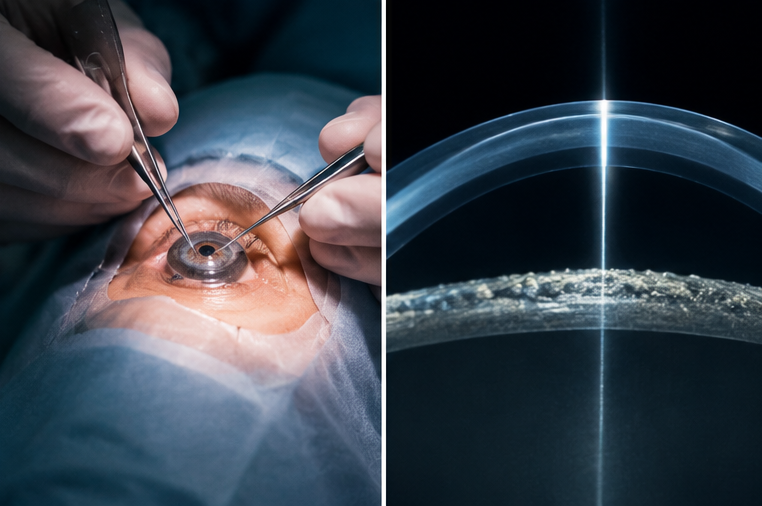
High-risk groups for thin corneas and keratoconus requiring early ophthalmic screening
- Individuals with high myopia greater than -6.00 diopters.
- Individuals with a family history of keratoconus.
- People who frequently rub their eyes vigorously.
- Individuals with chronic allergic conjunctivitis.
- Patients who have previously undergone corneal surgery.
Several studies published in Cornea and Ophthalmology over the past five years suggest that keratoconus may affect approximately 1 in 375 to 1 in 2,000 individuals depending on the population studied, which is considerably higher than earlier estimates.
Current Diagnostic Approaches for Thin Corneas
Thanks to modern ophthalmic technology, eye specialists can comprehensively evaluate corneal structure before recommending a treatment option. Commonly used diagnostic methods include:
- Corneal thickness measurement (Pachymetry).
- Corneal Topography.
- Corneal Tomography.
- Higher Order Aberration analysis.
- Anterior chamber depth measurement.
- Corneal endothelial cell assessment.
Table 1. The Role of Pre-Treatment Diagnostic Tests for Myopia Correction
| Test | Purpose |
|---|---|
| Pachymetry | Accurately measures corneal thickness |
| Corneal Topography | Evaluates corneal surface curvature |
| Corneal Tomography | Detects early or subclinical keratoconus |
| Corneal Endothelial Assessment | Evaluates endothelial cell health |
| Anterior Chamber Depth | Determines suitability for Phakic ICL |
| Wavefront Analysis | Analyzes visual quality and optical aberrations |
Treatment Trends for Myopia in Patients with Thin Corneas
In 2026, treatment strategies are no longer focused solely on eliminating the need for glasses. Instead, they emphasize a broader goal: preserving corneal structure—especially in individuals with naturally thin corneas—while maintaining long-term visual quality.
Phakic ICL
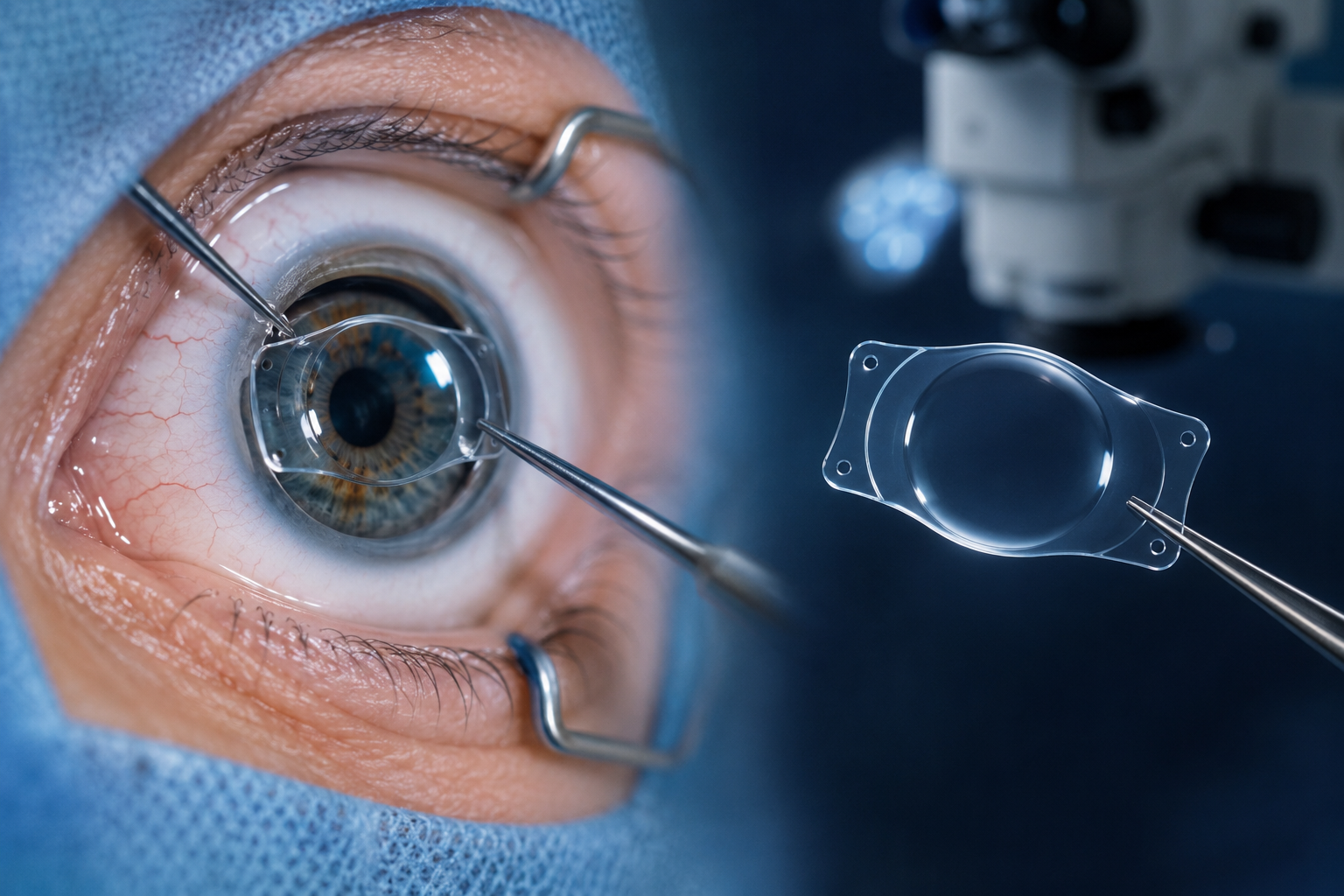
Phakic ICL surgery for myopia correction in patients with thin corneas using a Collamer intraocular lens
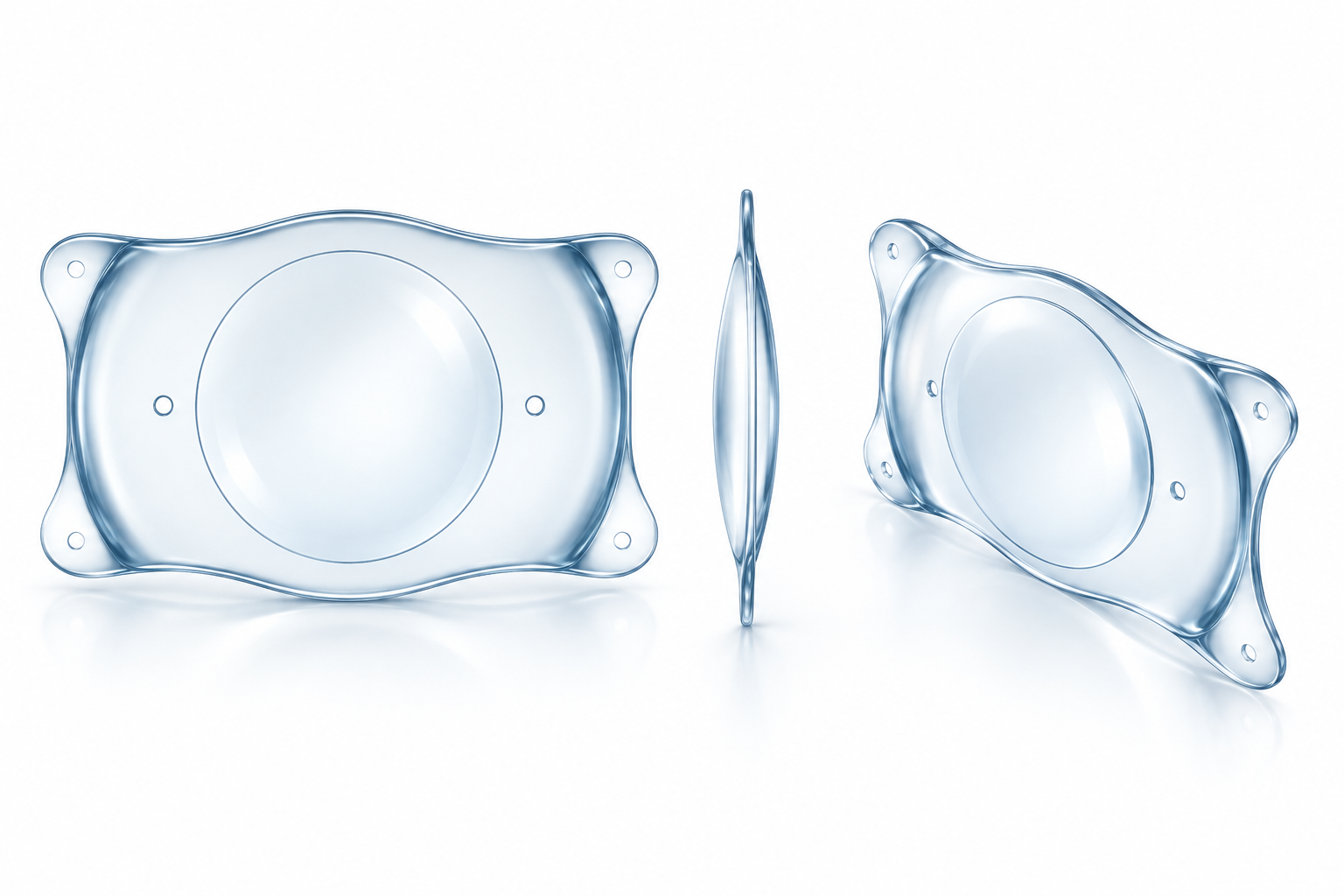
Phakic ICL (Implantable Collamer Lens) is an intraocular lens implanted inside the eye to correct refractive errors without removing corneal tissue. It has emerged as one of the most prominent treatment options for patients with thin corneas because of its excellent biocompatibility with ocular tissues while preserving the eye’s natural corneal structure.
Why Is Phakic ICL Suitable for Patients with Thin Corneas?
- Does not further thin the cornea.
- Does not cause corneal damage.
- Suitable for individuals with high myopia and thin corneas.
- Reduces the risk of post-treatment corneal ectasia.
- Preserves visual quality in low-light conditions.
- Can be removed if medically indicated.
According to long-term follow-up data published in Clinical Ophthalmology and the Journal of Cataract and Refractive Surgery, patient satisfaction rates with Phakic ICL typically exceed 95%, while most patients maintain stable vision for many years after the procedure.
Table 2. Comparison of Common Myopia Treatment Options
| Criteria | Phakic ICL | ReLEx SMILE | Femto LASIK |
|---|---|---|---|
| Corneal Tissue Removal | No | Yes | Yes |
| Suitable for Thin Corneas | Highly Suitable | Selective Cases | Limited |
| High Myopia Correction | Excellent | Good | Good |
| Postoperative Dry Eye | Low | Low | Moderate |
| Corneal Preservation | High | Moderate | Moderate |
| Night Vision Quality | Excellent | Good | Good |
Potential Complications if Not Properly Evaluated and Treated
When individuals with thin corneas choose an unsuitable treatment method or ignore warning signs, several complications may occur.
Short-Term Consequences
If an inappropriate treatment option is selected for a patient with thin corneas, the visual outcome may fall short of expectations. Some individuals may experience increasing astigmatism, blurred vision, glare, or halos around lights, particularly when driving at night.
Long-Term Consequences
Over time, the cornea may lose its structural stability and progress to corneal ectasia, a serious complication that can lead to worsening visual impairment. In such cases, patients may require specialized rigid contact lenses to improve vision and, in severe situations, corneal transplantation may become necessary.
Impact on Quality of Life
Persistent visual impairment can affect far more than daily convenience. It may reduce the ability to drive safely, perform effectively at work or school, and participate in sports or recreational activities. In addition, long-term monitoring, treatment, and eye care may significantly increase healthcare-related expenses.
How to Protect and Maintain Eye Health
Habits to Maintain
- Have a comprehensive eye exam at least once a year.
- Undergo detailed corneal evaluation if you are considering myopia surgery.
- Wear the correct prescription glasses as recommended.
- Manage eye allergies properly to reduce frequent eye rubbing.
- Maintain a diet rich in omega-3 fatty acids and antioxidants.
Things to Avoid
- Rubbing your eyes forcefully or frequently over a long period of time.
- Using contact lenses of unknown origin without professional guidance.
- Undergoing myopia surgery without a full assessment of corneal structure.
- Ignoring unusual signs of vision deterioration.
Having thin corneas does not necessarily mean myopia cannot be treated. The key is to undergo a comprehensive evaluation with modern diagnostic technologies to determine the most suitable treatment option.

 01/10/2026











 0916.741.763
 Appointment