

 vi
vi 24-Mar-2026
 35,340
 What is Phakic ICL and how does it work?
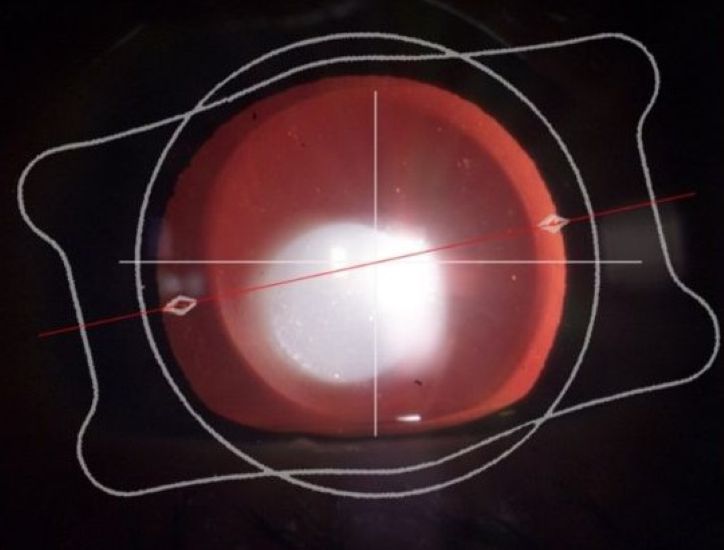
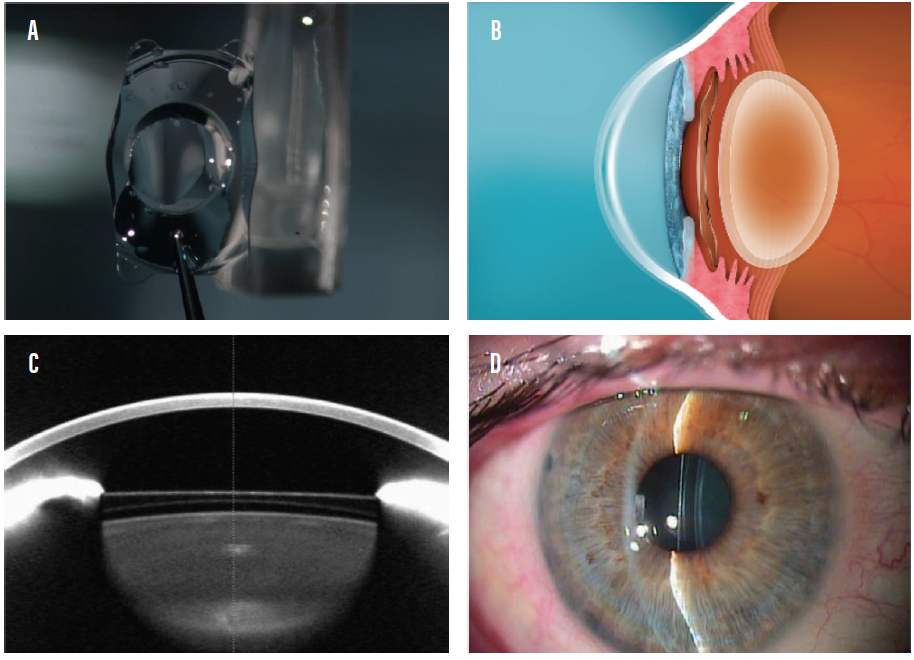
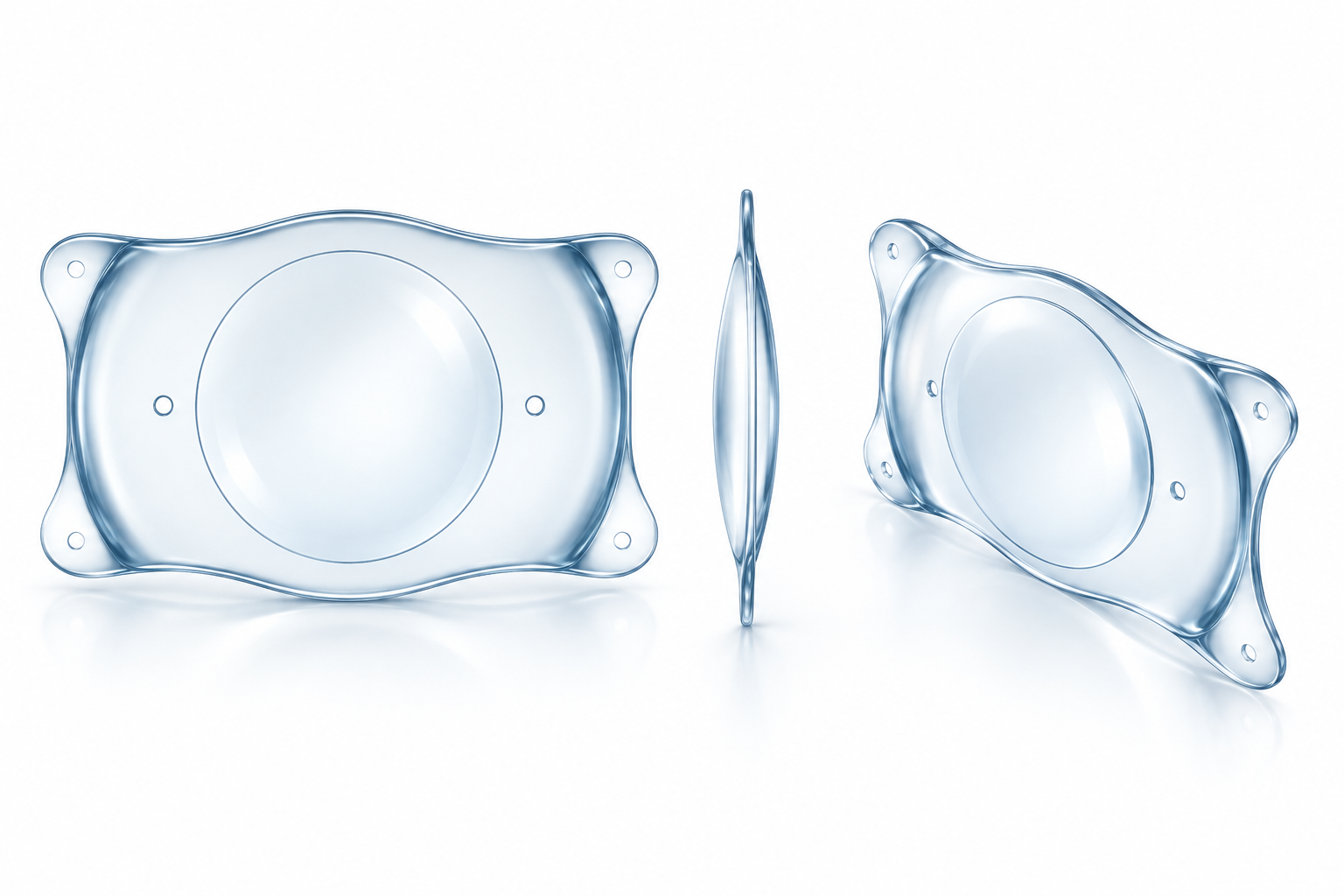
Phakic ICL (Implantable Collamer Lens) is a method that involves placing a biocompatible lens inside the eye, positioned behind the iris and in front of the natural crystalline lens. This lens functions similarly to a contact lens, but at an intraocular position, helping redirect light so it focuses precisely onto the retina.
Why does Phakic ICL have a low risk of myopia regression?
Why does Phakic ICL have a low regression rate?
1. No alteration of corneal structure
With laser-based procedures, the cornea is reshaped by removing tissue to improve vision. Once this corneal tissue is removed, it cannot regenerate to its original state. As a result, the biomechanical strength of the cornea decreases, increasing the risk of subtle deformation over time or, in rare cases, corneal ectasia, which may lead to refractive regression.
Phakic ICL does not cause corneal damage because it does not involve reshaping the cornea. Instead, the ICL lens is inserted into the eye through a small incision and acts as an “additional lens,” helping light focus accurately onto the retina.
2. Superior effectiveness for high myopia
In patients with high myopia (above -8.00D), vision can still be corrected effectively by selecting an appropriate ICL lens power, without being limited by corneal thickness or structure.
In contrast, laser procedures require removing a portion of corneal tissue proportional to the degree of myopia being corrected. For high myopia, more tissue must be removed, resulting in a thinner and potentially weaker cornea after surgery.
Therefore, for patients with high myopia and astigmatism, Phakic ICL is often considered a more optimal solution, delivering more stable long-term visual outcomes compared to laser-based methods.
3. High precision and minimal biological variability

Phakic ICL is considered the method with the lowest regression rate today
Phakic ICL is customized based on detailed individual eye parameters, including:
- Precise myopia and astigmatism correction: ensures the correct lens power is selected for optimal light focusing on the retina
- Anterior chamber depth: ensures there is sufficient safe space for lens implantation
- Eye size measurements (white-to-white, sulcus-to-sulcus): determines the ideal lens size and curvature for a perfect fit
- Pupil diameter and optical characteristics: helps optimize visual quality, especially in low-light conditions
This personalized design minimizes risks such as contact with internal eye structures, increased intraocular pressure, or impact on the natural lens.
Additionally, since the outcome does not depend on corneal healing like laser procedures, results are less affected by individual factors such as healing speed, inflammatory response, or tissue regeneration.
Does Phakic ICL guarantee no regression at all?
Phakic ICL is considered the method with the lowest regression rate today
The answer is: No method can guarantee zero regression.
Phakic ICL significantly reduces the risk of regression, but it cannot fully control factors such as:
- Progressive myopia (especially if surgery is performed before refractive stability)
- Visual habits (prolonged screen use, poor lighting conditions)
- Biological factors (continued axial elongation of the eye)
However, compared to other methods, ICL still offers the highest level of long-term visual stability when properly indicated. Clinical studies show that Phakic ICL delivers durable outcomes with a low rate of additional intervention. In long-term follow-up studies:
- The rate of secondary surgery related to ICL is only about 4–8% over 5–7 years
- Most of these cases are not due to regression, but rather lens repositioning or other factors
This demonstrates the strong long-term stability of refractive outcomes with this method.
Who should consider Phakic ICL?
Phakic ICL is especially suitable for:
- Patients with high or very high myopia
- Thin corneas unsuitable for laser procedures
- Appropriate age (typically 21–45), when refraction is stable
- Stable refractive error for at least 6–12 months
- Eyes meeting safety criteria (adequate anterior chamber depth, sufficient endothelial cell density)
- No progressive eye diseases such as glaucoma, uveitis, or retinal disorders
- Not pregnant or breastfeeding
- Patients with dry eye or contact lens intolerance
- Those who want to minimize the risk of regression
- Those requiring high visual quality (night driving, detailed work, etc.)
Additionally, one advantage of this method is that the lens can be removed by a doctor if necessary in the future, providing long-term flexibility.
Phakic ICL is not a “magic solution” that completely eliminates the possibility of regression, but based on its mechanism and clinical evidence, it is the method with the lowest regression rate available today, especially for high myopia.
If you are looking for a long-term, stable vision correction solution with minimal risk of regression, Phakic ICL is definitely a worthwhile option to consider.

 01/10/2026










 0916.741.763
 Appointment