

 vi
vi 29-Nov-2025
 35,530
 Introduction

A pair of eyeglasses is an essential item in the daily life of many people with myopia.
Prescription glasses are indispensable for people with myopia. Although small, a pair of glasses directly affects vision, learning and work performance, and the daily health of the eyes. However, not everyone knows when to replace their glasses to avoid wearing the wrong prescription — a leading cause of rapid worsening of myopia and persistent eye fatigue.
So how often should you replace your prescription glasses, and what signs indicate you need a new pair right away? This article will help you understand.
Average lifespan of a pair of prescription glasses
The lifespan of a pair of glasses depends on lens quality, frame material, and user habits. Clinically, the following observations apply:
- A pair of glasses typically provides the best performance for 1–3 years.
- High-quality lenses with anti-scratch or blue-light coatings can last longer.
- Frames made of titanium, acetate, or stainless steel also extend usable life.
However, even if the glasses appear fine, you should still have regular eye checks because your prescription can change year to year — especially in children and people who use digital devices extensively.
How often should you replace glasses to avoid wrong prescription?
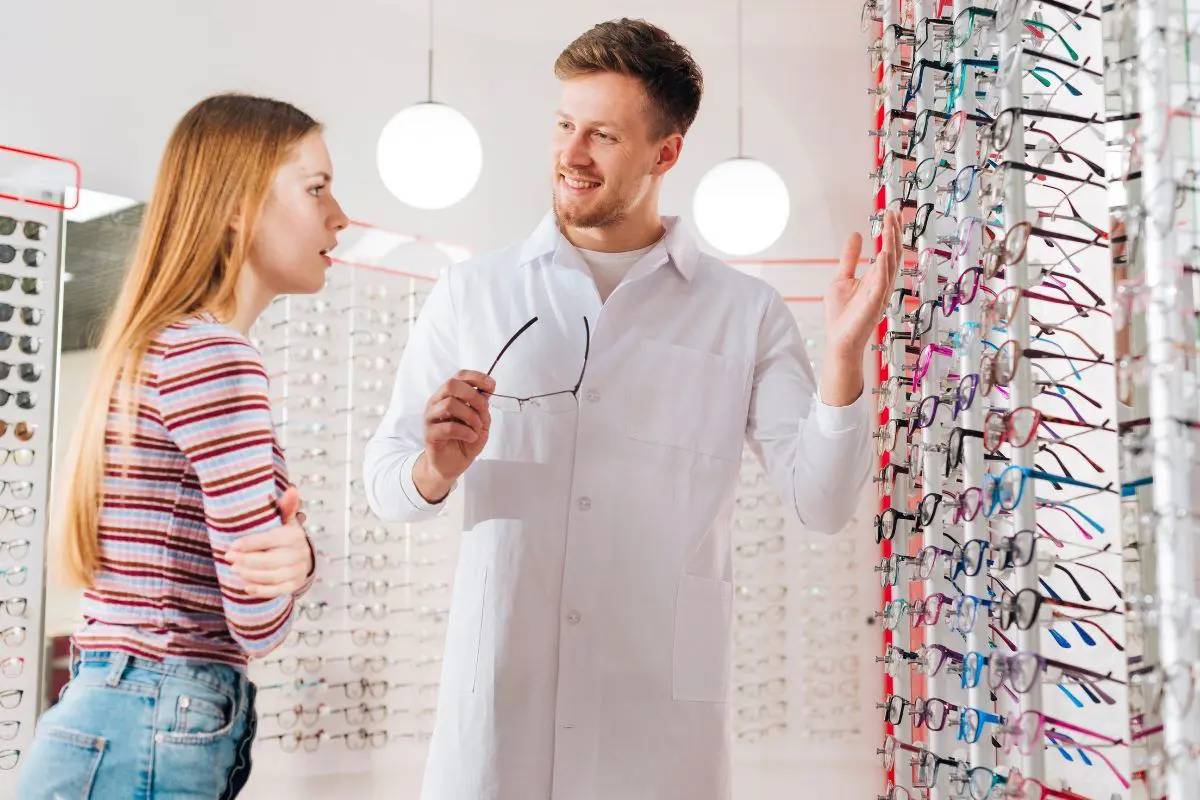
Experts recommend users replace glasses every 1–3 years.
Eye specialists recommend replacing prescription glasses every 1–3 years, or sooner if you notice abnormal symptoms. Below are typical signs that your current glasses are no longer suitable.
Signs you should replace your prescription glasses immediately
Blurry vision or frequent squinting when looking at distant objects
This is the clearest sign that your myopia has progressed. When your vision no longer matches your old prescription, the eyes must accommodate more to regain clarity. Prolonged accommodation can lead to:
- Rapid increase in prescription strength
- Eye strain and eye fatigue
- Risk of amblyopia (especially in young children)
If you frequently squint to read signs, drive, or look at a screen, it’s time to have your eyes reassessed.
Headaches
Typically, the eyes need about 3–7 days to adapt to a new lens. But if after more than a week you still experience dizziness, headaches, eye fatigue, or difficulty seeing clearly,
there is a possibility the prescription was not measured accurately, or you previously wore the wrong prescription. In that case, you should have a refraction check immediately to avoid excessive accommodation.
Scratched or cloudy lenses
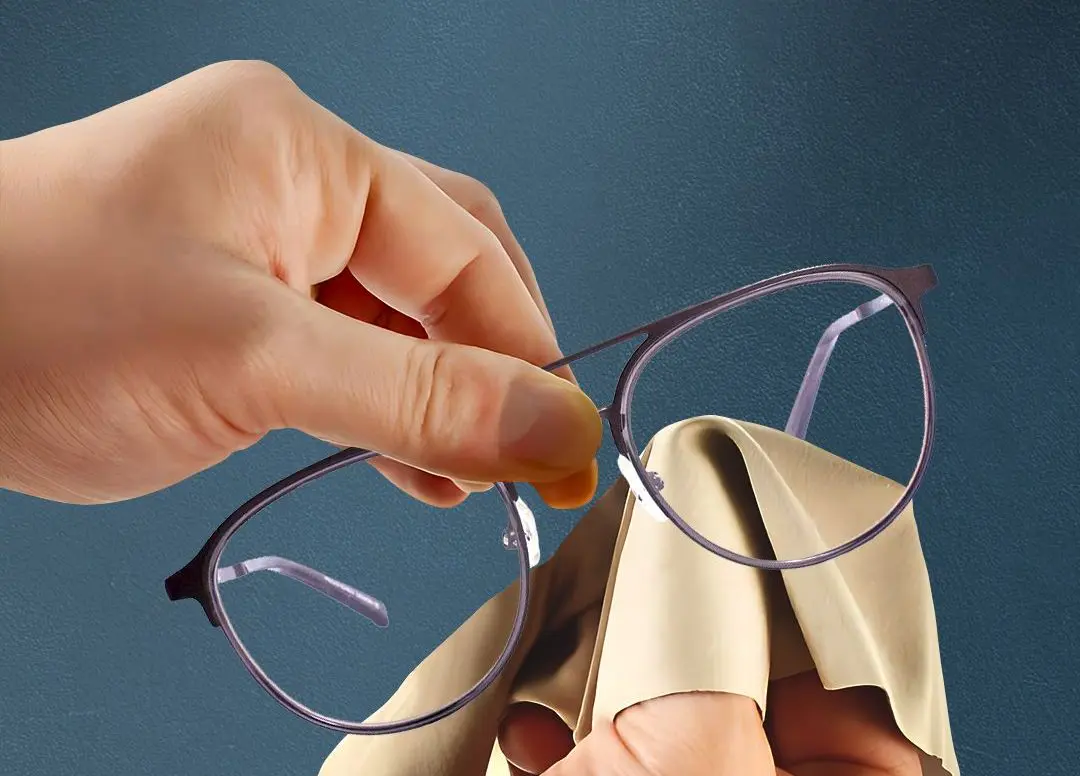
The lifespan of a pair of prescription glasses depends on lens quality and user habits.
During use, lenses can easily become:
- Scratched from impacts
- Cloudy when anti-reflective coatings peel
- Contaminated with metallic dust in certain workplaces
Scratched lenses blur vision and force the eyes to “work harder” to see clearly. This is a subtle but common cause of rapid myopia progression.
If lenses are heavily scratched or you notice a “hazy” view through your glasses, you should replace the lenses immediately.
Misaligned or ill-fitting frames
Poorly fitting frames can cause several issues:
- Headaches and nasal bridge pain
- Frames off the optical center → image enters the eye off-axis → prescription changes
- Children grow quickly, so frames can become too small over time
If you frequently adjust your glasses or they slip when you bend over, have the frame checked or consider getting a new pair.
What can happen if you replace glasses at the wrong time?
Failing to replace glasses or continuing to wear the wrong prescription can lead to:
- Continuous increase in prescription, especially in young people
- Eye fatigue, headaches, reduced concentration
- Accommodation disorders
- Risk of amblyopia in children
- Dry eyes, dizziness with prolonged wear
- Stooped posture to see clearly, causing neck-shoulder-back issues
Therefore, monitoring vision and replacing glasses at the right time is crucial for protecting eye health.
How often should you have an eye exam to check your prescription?
- Adults: every 6–12 months
- Children and students: every 3–6 months
- People who work with screens >6 hours/day: check every 6 months
Even if you have no symptoms, regular re-examination helps detect early increases in myopia, astigmatism, or corneal issues and dry eye, which are common among heavy digital device users.
Having glasses fitted and replaced at a reputable eye clinic
Measuring the eye and making prescription lenses is more than “reading numbers.” At hospitals and eye centers, the fitting process is precise and includes:
Comprehensive vision testing
- 3D visual acuity testing
- +1 and -1 checks to evaluate accommodation
- Binocular vision testing
- Contrast sensitivity testing
- Red-green testing to determine accurate alignment
Many centers use TOPCON autorefractors (USA) for high-precision measurements, reducing measurement errors.
Screening for associated eye conditions
Some prescription changes are not caused by study habits or screen time but by underlying eye conditions such as:
- Astigmatism
- Dry eye
- Accommodation disorders
- Posterior segment abnormalities
Therefore, assessments with slit-lamp examination, corneal topography, and funduscopy are extremely important to ensure correct lens fabrication.
Tips to keep your glasses durable and your eyes healthy
- Clean lenses with a microfiber cloth; avoid using clothing or paper tissues
- Store glasses in their case when not in use
- Avoid placing lenses face-down on surfaces
- Limit wearing glasses during vigorous activities
- Choose lenses with anti-scratch and blue-light coatings if you work on computers a lot
Most importantly: do not increase your prescription on your own without having your eyes re-measured.
You should replace your prescription glasses every 1–3 years, or sooner if you notice blurred vision, headaches, eye fatigue, scratched lenses, or ill-fitting frames. Replacing glasses at the right time helps reduce the risk of prescription progression, protect long-term vision, and improve quality of life.
Maintain a routine of regular eye examinations at a reputable eye clinic to ensure your eyes stay healthy and your glasses always match your vision needs.
 23/01/2026











 0916.741.763
 Appointment