

 vi
vi 26-Jun-2026
 28,310
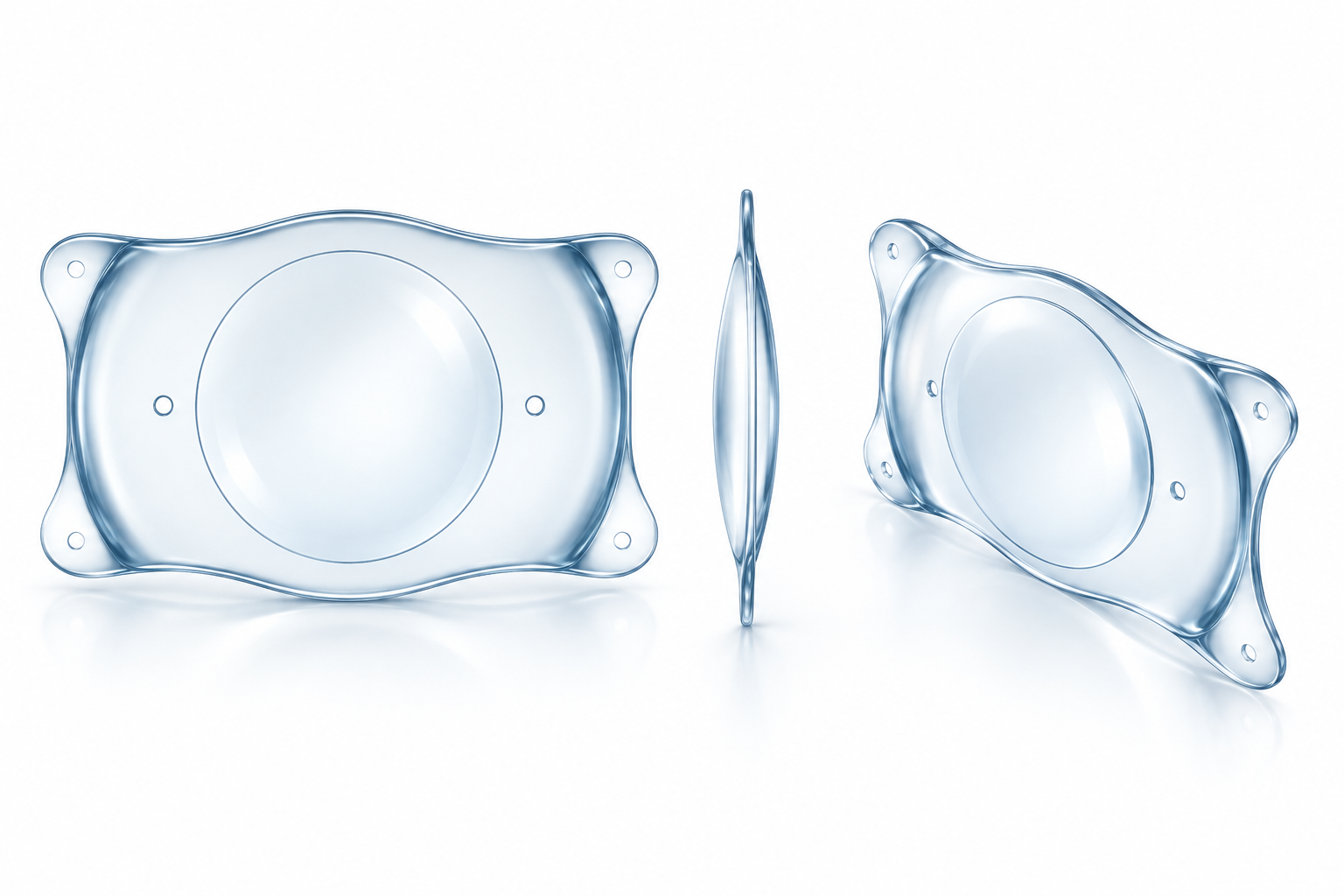
Phakic Intraocular Lens (ICL) is a refractive error correction procedure similar to LASIK or PRK. It is particularly effective for patients who are not suitable candidates for conventional laser vision correction, including those with high myopia/astigmatism, severe dry eye disease, or thin corneas.

How Is Phakic ICL Implant Surgery Performed?
Am I a Candidate for Surgery?
- I am over 21 years of age.
- I currently wear eyeglasses or contact lenses.
- My refractive prescription has been stable.
- I do not have any eye conditions that would contraindicate this procedure.
- I am not taking any medications that could interfere with the surgery.
- No abnormalities were detected during my preoperative examination.
- I am not pregnant or breastfeeding.
Standard Phakic ICL Surgical Procedure
Although the exact process may vary depending on each patient’s medical history and individual clinical condition, the procedure generally consists of the following steps:
1. Initial Consultation
- If you wear contact lenses, please stop wearing them for at least 48 hours before your appointment.
- Refraction Assessment: Your actual visual acuity and precise refractive error (myopia, hyperopia, and astigmatism) will be measured.
- Corneal Mapping: The shape of your cornea and the available anatomical space (anterior chamber depth) will be evaluated to determine suitability for lens implantation.
- One-on-one consultation with an ophthalmologist.
2. Comprehensive Preoperative Examination
Additional diagnostic tests may be performed at any time between your initial consultation and the day of surgery, depending on your individual needs. We conduct a comprehensive preoperative assessment to maximize both the safety and success of the procedure.
3. Surgery Day
Phakic ICL implantation is an outpatient procedure, allowing patients to return home the same day, and typically takes approximately 20 minutes.
Each eye is operated on separately, with a one-week interval between the first and second eye. This staged approach helps optimize both surgical safety and visual outcomes. After surgery, you will remain in the recovery area for approximately 30 minutes before being discharged with one eye protected by an eye shield.
4. Surgical Steps
- Creating the Incision: The surgeon creates a tiny corneal incision to gain access to the inside of the eye.
- Lens Implantation: The Phakic ICL is carefully folded and inserted through the small incision. It is then positioned behind the iris and in front of the natural crystalline lens. The exact lens position is determined based on your preoperative measurements and unique ocular anatomy.
- Incision Closure: Once the lens is securely positioned, the tiny self-sealing incision naturally closes without requiring sutures.
- Your surgeon will prescribe postoperative medications (including antibiotics and anti-inflammatory eye drops) to reduce the risk of infection and inflammation, along with detailed postoperative care instructions.
5. Follow-up Schedule
You will attend six postoperative follow-up visits, scheduled at 1 day, 1 week, and 1 month after each surgery (for each eye individually).
Treatment Outcomes
Phakic ICL implantation typically provides very high patient satisfaction with visual quality. In most cases, patients achieve excellent visual recovery, with vision becoming clear and stable within just a few weeks.
Important Note: Although long-term visual improvement is expected, Phakic ICL surgery is designed to correct refractive errors rather than halt the natural aging process of the eye. As a result, your prescription may still change slightly over time, and additional vision correction may be needed in the future.

 01/10/2026












 0916.741.763
 Appointment