

 vi
vi 13-Feb-2026
 2,280
2,280 
Is Eye Movement During Refractive Surgery a Concern?

Is it dangerous to move your eyes during refractive surgery?
Many patients feel nervous before the day of surgery. They worry that even a slight eye movement could cause the laser to hit the wrong spot. This concern is very common. When the mechanism of the machine is not fully understood, fear is often exaggerated.
In reality, the human body always has tiny natural movements. No one can keep their eyes completely still for several minutes. Modern refractive surgery techniques are designed with this in mind. Slight eye movement during surgery is usually not dangerous.
How Does the Eye-Tracking System Work?
In procedures such as LASIK and PRK, the laser system is integrated with eye-tracking technology. This technology is also known as an eye tracker. The machine monitors the position of the pupil in real time.
If the eye moves within the allowed range, the laser automatically adjusts to the new position. If the movement exceeds the safety threshold, the system stops immediately. The surgeon waits until the eye stabilizes before continuing. This mechanism ensures precise treatment of the targeted area.
Therefore, if you accidentally move your eyes slightly, the machine can still manage the situation. The surgery will not fail because of a small movement.
Does Eye Movement Affect Phakic ICL Surgery?

Does eye movement affect Phakic ICL surgery?
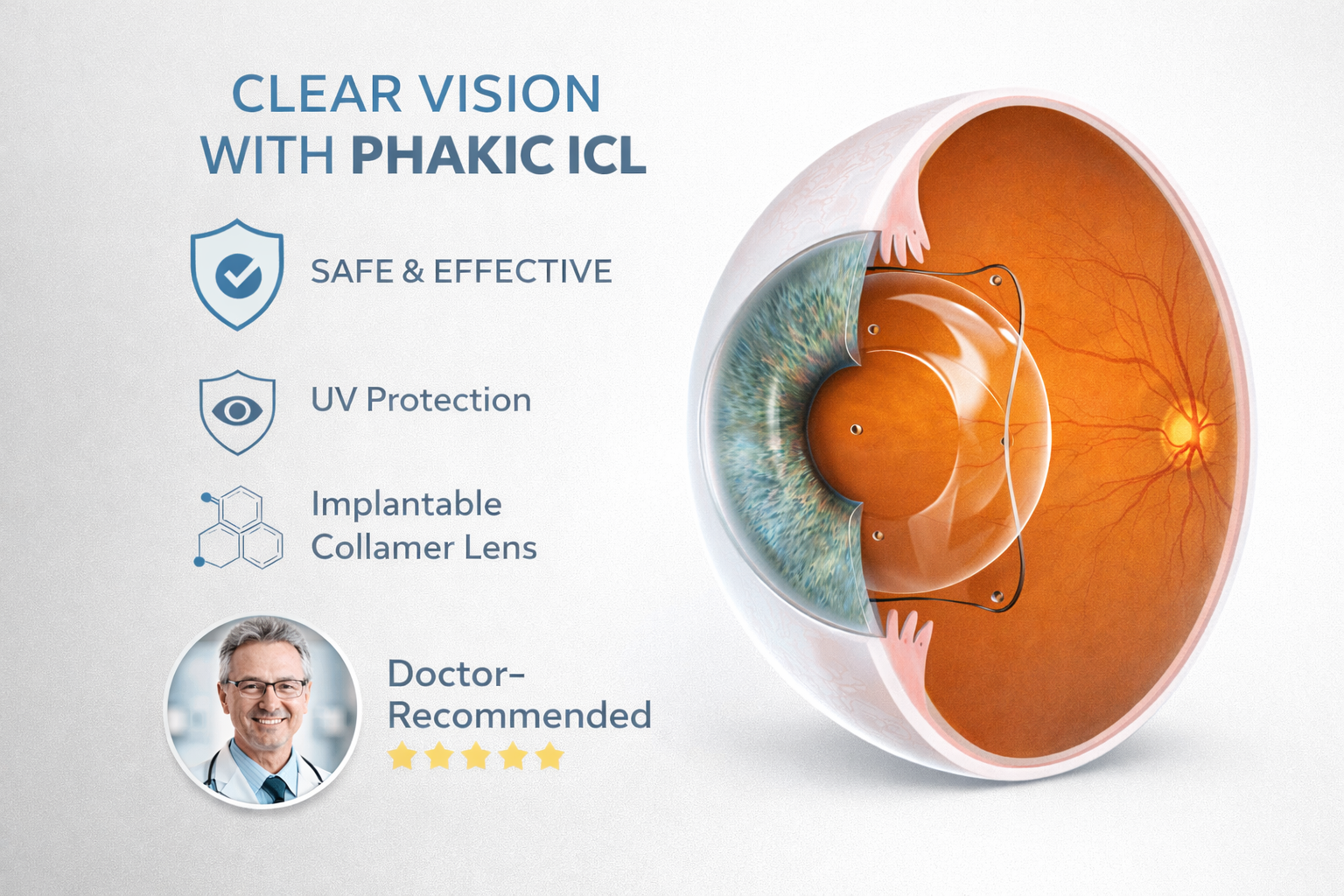
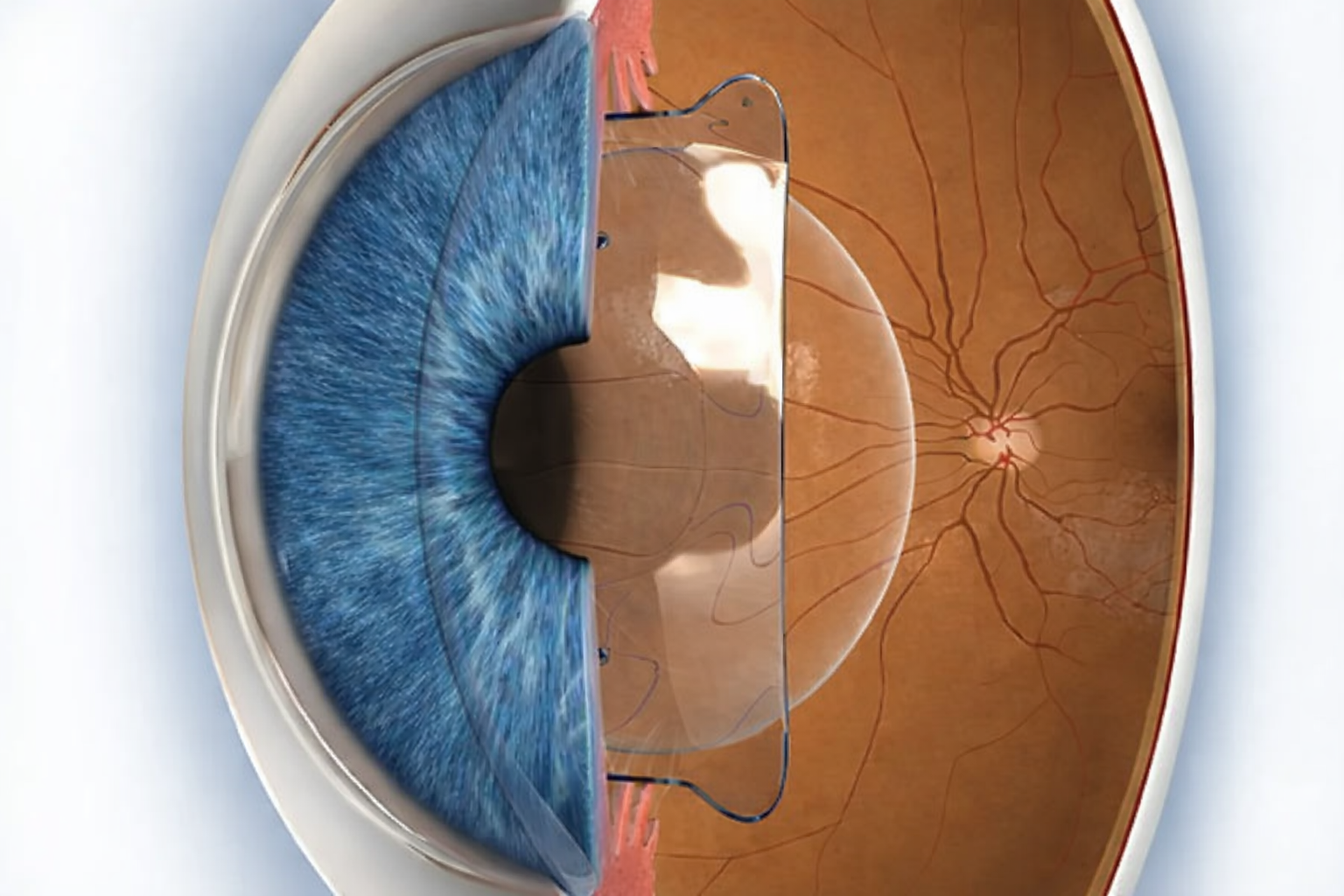
With the PHAKIC ICL EVO procedure using the EVO Visian ICL lens, the principle is completely different from laser surgery. The surgeon creates a small incision at the edge of the cornea and inserts a soft lens into the eye. The lens is placed behind the iris and in front of the natural crystalline lens.
During this process, the head and eye are relatively stabilized. The surgeon operates under a surgical microscope. The eye may still have tiny natural movements. Slight eye movement does not immediately displace the lens. If the patient moves excessively, the surgeon will remind them to stay still and pause for a few seconds to ensure safety.
What Happens If the Eye Moves Too Much?
Frequent or strong eye movements may cause the laser system to stop multiple times. The procedure may take longer than expected. The patient may feel more tense if the surgery is prolonged.
However, the safety system is designed to handle such situations. The laser will not continue firing when conditions are not appropriate. The surgeon constantly monitors the screen and controls the entire process.
You cannot ruin the surgery simply because you moved your eyes once. Surgical outcomes depend on many factors, including proper indication, the technology used, and the surgeon’s expertise.
How Can You Minimize Eye Movement During Surgery?

How can you minimize eye movement during surgery?
Before surgery, the doctor will instruct you to focus on a target light. You only need to look straight at that light. You do not need to force your eyes wide open. You do not need to tense your body.
Topical anesthetic eye drops reduce discomfort. Some facilities may provide a mild oral sedative. You remain awake and able to follow instructions. Steady breathing and a calm mindset help reduce unnecessary eye movement.
Refractive surgery is usually quick. The actual laser time lasts only a few seconds. The total time for each eye is often between 15 and 30 minutes depending on the method. You do not need to maintain a fixed gaze for as long as many people imagine.
Slight eye movement during refractive surgery is not a serious issue. Modern equipment has eye-tracking and automatic stop mechanisms. The surgeon closely monitors and actively manages any unusual movement.
You should focus on the target light and stay calm. Good cooperation between the patient and the surgical team helps the procedure proceed smoothly. When you understand the safety mechanisms, you will feel less anxious about eye movement and more confident in your decision to undergo surgery.

 14/02/2026











 0916.741.763
 Appointment