

 vi
vi 02-Feb-2026
 1,045
1,045 Online Learning with Computer Screens

How do computer screens cause rapid vision decline in children?
Unlike reading printed books, online learning requires children’s eyes to continuously focus on light emitted from screens at a close distance. This forces the eye’s accommodative system to work continuously for long periods of time. According to ophthalmologists, when looking at screens, children blink significantly less often, causing tears to be unevenly distributed across the ocular surface. As a result, dry eyes, eye strain, and temporary blurred vision commonly appear after each study session.
In reality, children’s screen exposure does not stop at study hours. After finishing online classes, many children continue using smartphones and tablets for entertainment. As a result, total daily screen time far exceeds recommended safety levels, leaving the eyes in a constant state of prolonged strain.
Rapidly Increasing Risk of Myopia in School-Age Children
Studies show that the prevalence of myopia in children has increased rapidly in recent years, especially among those who spend extensive time learning online. When children engage in prolonged near work, the axial length of the eyeball tends to elongate, causing images to focus in front of the retina—the primary mechanism leading to myopia.
In addition, a lack of outdoor physical activity further exacerbates this condition. Natural light is considered an important factor in regulating eyeball development. Children who spend too much time indoors in front of screens miss out on the “dose of light” needed for healthy eye development, making myopia progression faster and more difficult to control.
Early Warning Signs of Declining Vision in Children
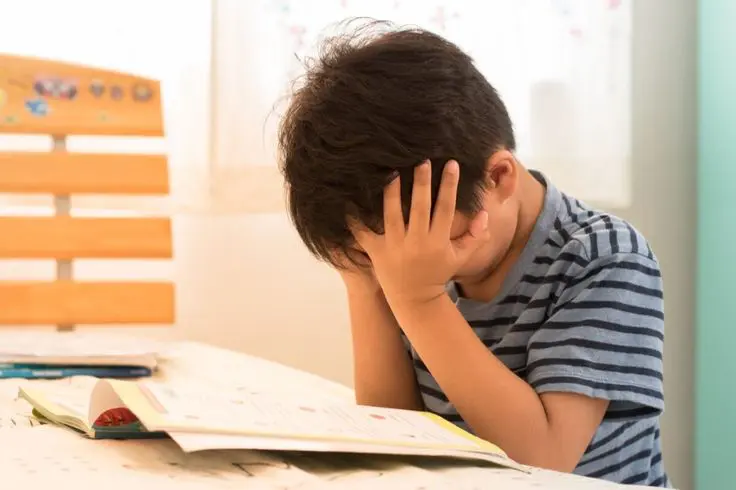
Early warning signs of declining vision in children
Screen-related vision decline often progresses silently and is easily overlooked. Parents should pay close attention if their child shows the following signs:
- Frequent complaints of eye strain or headaches after online classes
- Rubbing the eyes often, excessive blinking, red or irritated eyes
- Difficulty seeing distant objects, squinting when watching the board or television
- Poor concentration and irritability after prolonged computer use
Ophthalmologists warn that if these symptoms persist without early intervention, children may experience true vision loss and a rapid increase in myopia within a short period of time.
Blue Light and Suboptimal Learning Environments
Blue light emitted from electronic screens is another factor that cannot be ignored. This type of light can cause eye strain, disrupt circadian rhythms, and negatively affect sleep quality. Children who go to bed late or experience poor-quality sleep do not allow their eyes sufficient time to recover, worsening eye fatigue and accelerating vision decline over time.
Additionally, many children attend online classes in environments with inadequate lighting, improper posture, or screens placed too close to the eyes. These seemingly minor habits significantly increase the workload on the eye’s accommodative muscles, accelerating the process of vision deterioration.
Doctors’ Recommendations to Protect Children’s Eyes

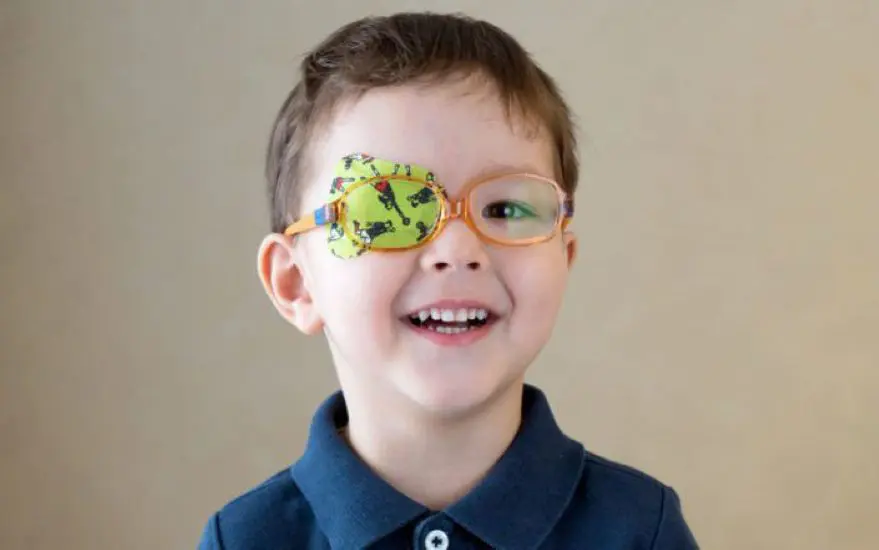
Proper sitting posture and screen distance help reduce eye strain during online learning.
According to experts, protecting children’s vision should begin with simple but consistent changes in daily habits:
- Control screen time: Break study sessions into shorter periods, allow eye breaks between sessions, and apply the 20–20–20 rule (every 20 minutes of screen time, rest the eyes for 20 seconds and look at an object about 6 meters away).
- Adjust study posture: The screen should be placed 50–60 cm from the eyes, slightly below eye level, with sufficient room lighting that does not cause glare.
- Increase outdoor activities: Encouraging daily physical activity and exposure to natural light helps reduce the risk of myopia progression.
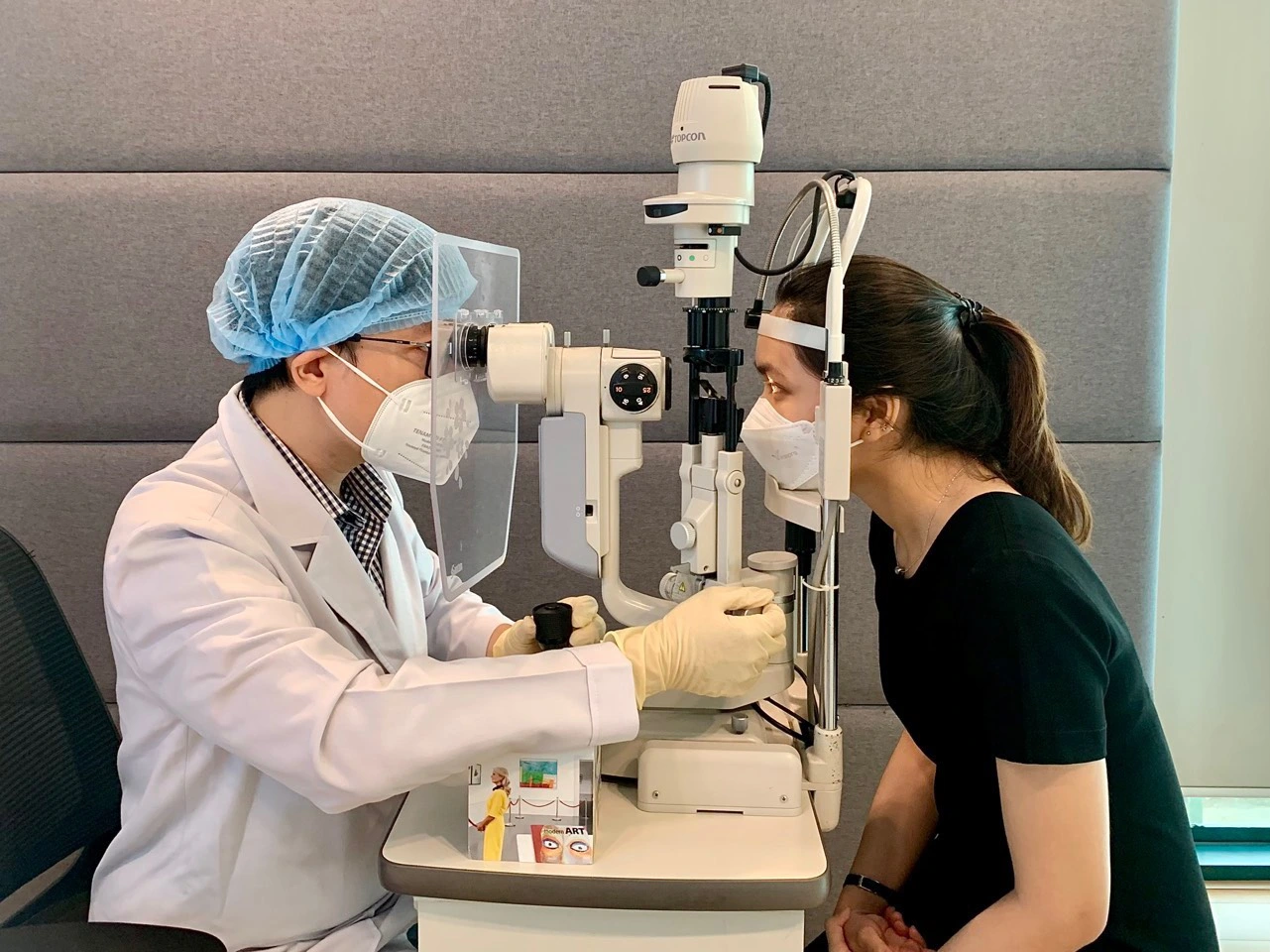
- Regular eye examinations: Routine vision check-ups help detect abnormalities early and allow timely intervention.
Technology and Proper Use
Online learning is an inevitable trend in modern education. However, technology only truly delivers benefits when used appropriately. Parental involvement in managing screen time, establishing healthy study habits, and maintaining a balanced lifestyle helps children adapt to the digital environment while preserving healthy vision.
Protecting children’s vision today is an investment in their long-term learning outcomes and quality of life. Early and appropriate intervention allows children to benefit from online learning without having to compromise their eyesight.

 20/01/2026











 0916.741.763
 Appointment