

 vi
vi 28-Mar-2026
 33,440
 Phakic ICL is particularly suitable for individuals with high myopia, thin corneas, or those who have been evaluated by doctors as not suitable candidates for laser procedures. Although it has been widely applied worldwide, many people still have concerns before choosing this method.
1. What range of myopia and astigmatism can Phakic ICL treat?
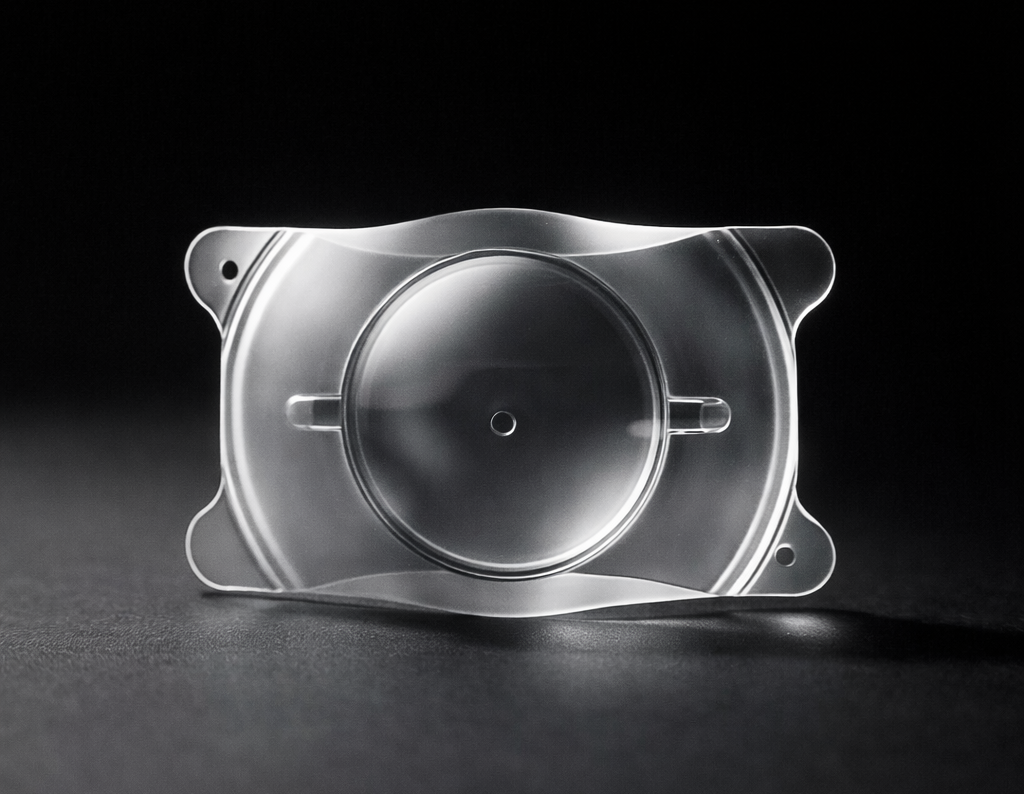
What range of myopia and astigmatism can Phakic ICL treat?
Phakic ICL can correct a wide range of refractive errors, especially effective for high myopia cases. This method can treat myopia up to approximately 18–20 diopters, including cases where glasses no longer provide good visual quality.
For astigmatism, Toric ICL lenses can correct around 4–6 diopters, helping improve image clarity and reduce blurriness or ghosting. In some special cases, ICL can also support hyperopia correction, depending on the doctor’s indication and the type of lens used.
According to professional guidelines, ICL is typically indicated for refractive errors ranging from -3D to -20D depending on the lens design. In cases exceeding this range, doctors may consider combining additional methods to optimize visual outcomes.
2. Can myopia return after Phakic ICL surgery?
Phakic ICL has one of the lowest rates of myopia recurrence today, according to experts, because it does not alter the corneal structure, and therefore does not cause “regression” like laser-based methods.
Because the lens functions like a “contact lens placed inside the eye,” it adjusts how light enters the eye without removing corneal tissue, preserving the eye’s biomechanical strength. At the same time, it reduces the need for constant accommodation as when wearing glasses, helping stabilize refractive error over time.
However, if the surgery is performed when the prescription is not yet stable, or if the eye continues to progress, vision may still change afterward. Therefore, evaluating refractive stability before surgery is extremely important.
3. Does the implanted lens cause discomfort or a foreign body sensation?
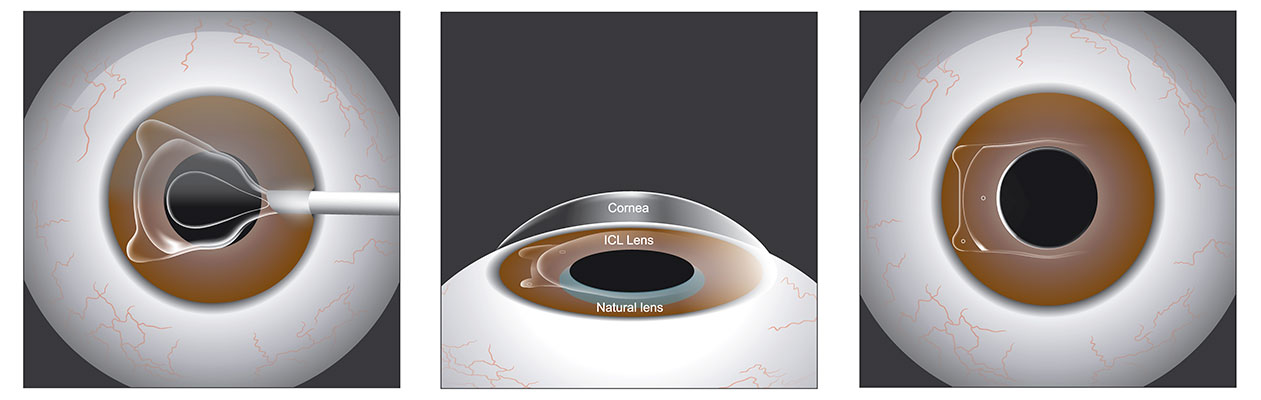
Common questions about Phakic ICL surgery
This is one of the most common concerns among patients, but in reality, discomfort is almost nonexistent.
- The ICL lens is made from Collamer, a highly biocompatible material that contains collagen similar to natural components in the human body.
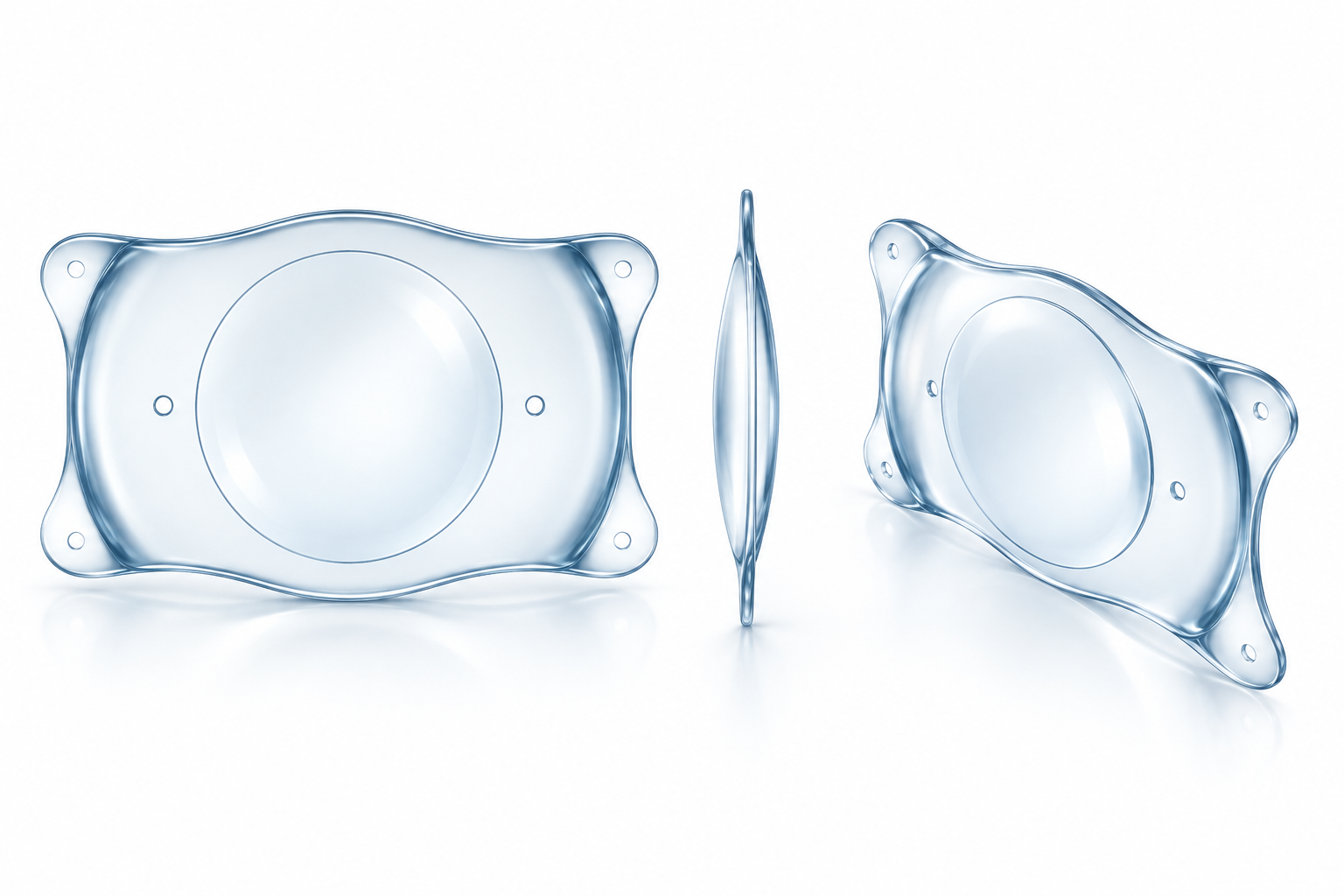
- The lens is very small, soft, and thin (just over 100 microns), and is placed in a natural space behind the iris.
- Once stabilized, patients typically do not feel the presence of the lens at all, even during daily activities or physical movement.
This allows for a very natural postoperative experience, unlike wearing external contact lenses.
4. Can the Phakic ICL lens break?
The ICL lens is designed to remain stable long-term inside the eye and has high durability. Thanks to its soft, flexible, and elastic properties, it does not break like rigid materials. Even with minor impacts during daily activities, the lens structure remains unaffected.
This gives patients greater confidence when participating in sports or normal daily activities after surgery.
5. What level of vision can be achieved after surgery?

Postoperative vision outcomes with Phakic ICL are often excellent and can reach optimal levels depending on the preoperative condition.
Visual outcomes after surgery are typically very positive and can reach optimal levels depending on the condition of the eyes before surgery.
In most cases, postoperative vision is equivalent to the best-corrected vision with glasses before surgery, and many patients can achieve 20/20 vision. If patients were able to see clearly with properly prescribed glasses before surgery, they are highly likely to achieve similar vision without glasses afterward.
However, for patients with amblyopia or other underlying eye conditions, postoperative vision will only reach the maximum level that the eye is biologically capable of achieving.
6. Are there any complications with Phakic ICL surgery?
Like any medical procedure, there are certain risks involved, but Phakic ICL is considered highly safe when properly indicated.
- Some cases may experience temporary increased intraocular pressure immediately after surgery, which is usually well controlled with medication or early intervention.
- A small percentage of patients may notice glare or halos at night, especially during the early postoperative period.
- In the long term, risks such as cataracts or endothelial cell changes may occur, but these are rare and require regular monitoring.
Clinical studies have also reported a small percentage of cases requiring additional procedures or long-term follow-up to ensure safety.
7. Who is not suitable for Phakic ICL?

Who is not suitable for Phakic ICL?
Not everyone is a candidate for this procedure, and thorough preoperative screening plays a crucial role.
- Patients with an anterior chamber depth of less than 3.0 mm or insufficient eye structure to accommodate the lens are not suitable.
- Women who are pregnant or breastfeeding are usually advised to postpone surgery for safety reasons.
- Patients with low endothelial cell counts, corneal conditions such as keratoconus, glaucoma, or cataracts need careful evaluation.
A comprehensive eye examination helps doctors determine the suitability of each individual accurately.
8. Can others see the lens inside the eye?
The Phakic ICL lens is completely “invisible” once properly positioned inside the eye.
- Thanks to its transparent design and placement behind the iris, the lens cannot be seen with the naked eye.
- Even upon close observation, others or optometrists cannot detect the presence of the lens.
This allows the eyes to maintain a completely natural appearance after surgery.
Phakic ICL is a worthwhile option for individuals with high myopia, thin corneas, or those not suitable for laser procedures. This method provides clear, stable vision while preserving the natural structure of the eye.
However, the effectiveness and safety largely depend on thorough preoperative evaluation and regular postoperative follow-up.

 01/10/2026










 0916.741.763
 Appointment