

 vi
vi 11-Apr-2026
 41,420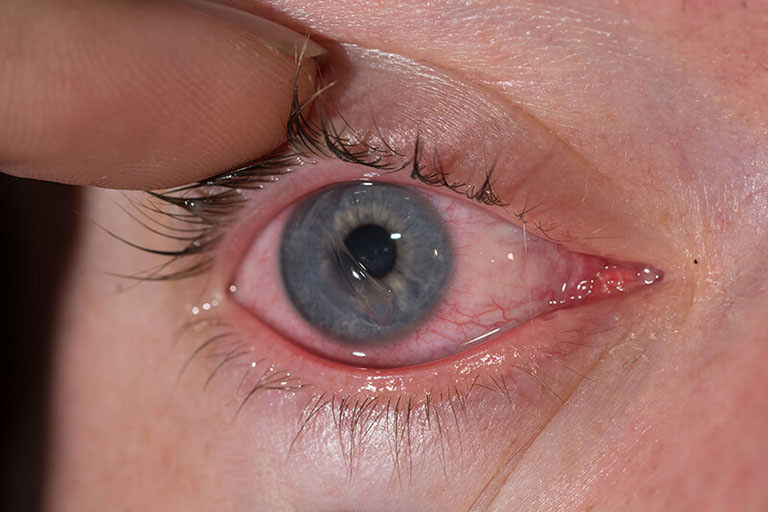
Corneal injuries not only cause pain but also carry a risk of vision loss if not treated promptly.
Corneal injury not only causes pain but also poses a risk of vision loss if not treated in time. Recently, researchers at the University of Pittsburgh School of Medicine (UPMC) announced a groundbreaking discovery: using natural eye bacteria as a “drug-producing factory” to heal wounds.
Challenges of traditional eye drops
Currently, the treatment of ocular surface diseases such as severe dry eye or corneal abrasions mainly relies on liquid eye drops. However, this method faces a major limitation: rapid elimination.
Tears continuously wash away active ingredients, forcing patients to apply drops multiple times a day. This is not only inconvenient but also reduces overall treatment effectiveness.
A solution from “Living Medicine”

Research on experimental biological eye drops for treating corneal wounds
In a study published in Cell Reports in March 2026, the research team led by Dr. Jackie Shane and Associate Professor Anthony St. Leger introduced a completely new approach.
Instead of using chemical drugs, they utilized Corynebacterium mastitidis (C. mast)—a harmless bacterium that naturally resides on the ocular surface.
In a mouse model with corneal injury, treatment with genetically modified bacteria showed faster wound healing compared to treatment with non-modified bacteria or saline solution.
How the genetically modified bacteria work:
- Genetic modification: Scientists engineered C. mast to secrete Interleukin-10 (IL10), a cytokine with strong anti-inflammatory properties.
- Continuous drug delivery: After being applied to the eye, these bacteria colonize the surface and continuously produce IL10 at the injury site, instead of being washed away by tears like conventional eye drops.
- Impressive results: Animal studies showed significantly faster corneal wound healing compared to control groups.
“This is the first time we’ve demonstrated that a microorganism living on the eye can be genetically engineered to deliver a therapeutic effect that improves vision health. It opens the door to the idea of a one-time treatment with long-lasting protection.” – Dr. Anthony St. Leger shared.
Potential application in humans
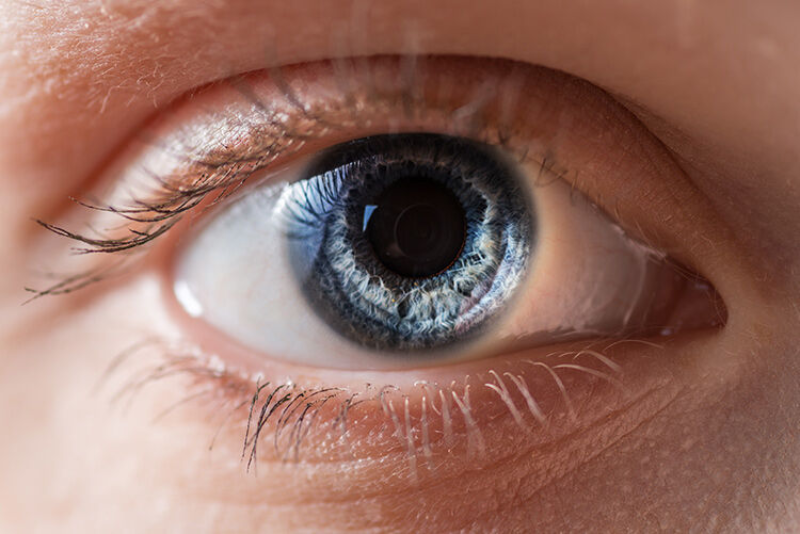
Potential application of biological eye drops in human eyes
Beyond animal models, the researchers also developed a version of bacteria that releases human IL10. Initial results in cultured human corneal epithelial cells showed:
- Improved wound healing capability.
- Reduced inflammatory signaling in immune cells.
Notably, this system has a modular structure. This means that in the future, scientists could replace IL10 with other growth factors or proteins to treat different specialized eye conditions.
Although highly promising, this technology is still in its early stages of development. The next steps will focus on ensuring absolute safety, including a “self-destruct” mechanism to eliminate genetically modified bacteria after treatment is completed.
Conditions such as severe dry eye, ocular surface inflammatory disorders, and corneal injuries affect millions of people in the United States. While current findings have not yet established a clinical therapy, this research provides a strong foundation for further exploration of living biotherapeutics designed to deliver sustained treatment directly to the eye.
If successfully applied in clinical practice, this could become a new hope for millions of patients suffering from chronic ocular surface inflammation and corneal damage.

 03/10/2026













 0916.741.763
 Appointment