

 vi
vi 23-Feb-2026
 1,045
1,045 In cases where patients do not meet the eligibility criteria for LASIK, Phakic ICL is often considered a more suitable and safer alternative.
What is Phakic ICL?
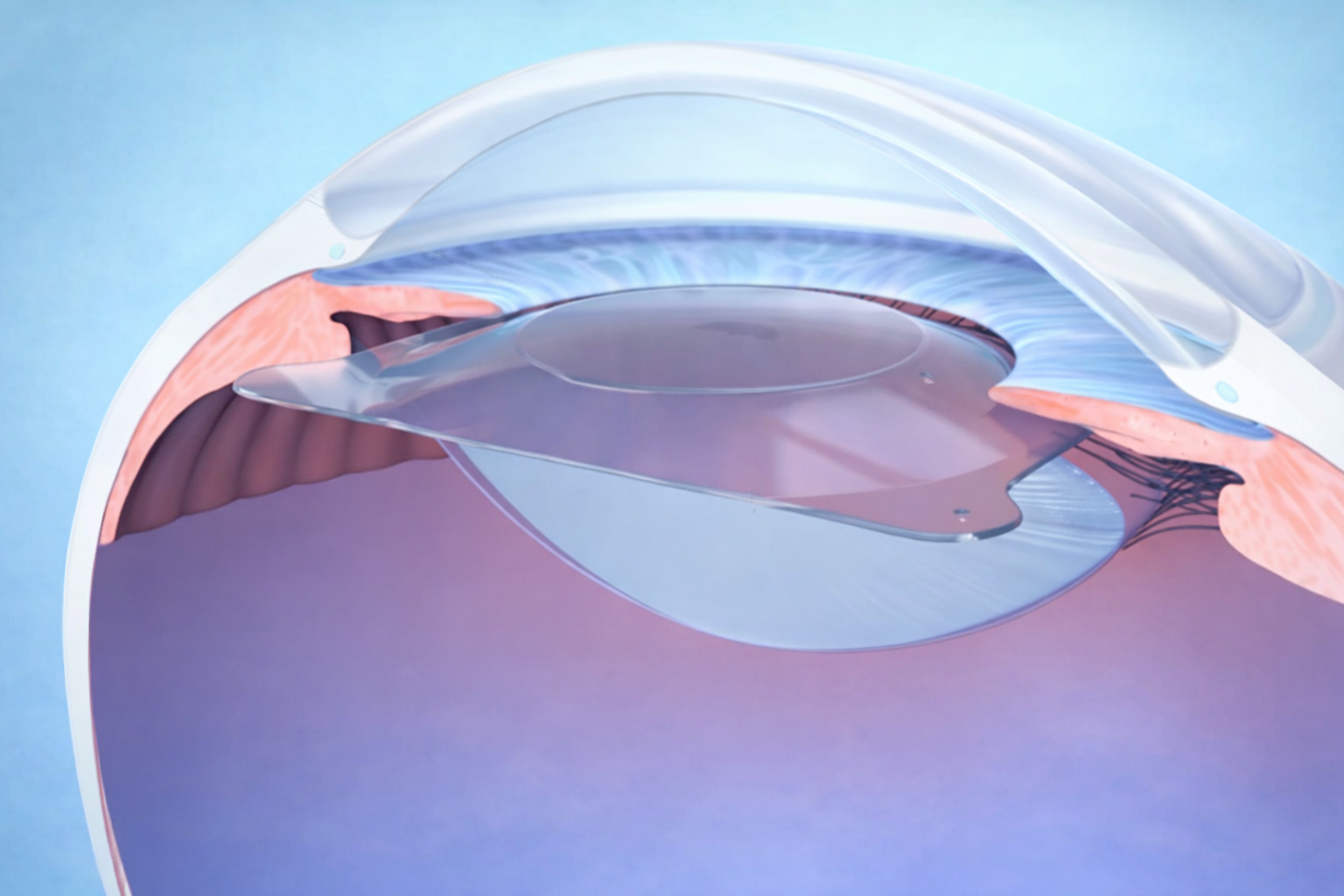
Why ICL is suitable for patients who are not eligible for LASIK
Phakic is a term used to indicate that the natural crystalline lens of the eye is preserved. In Phakic ICL surgery, a soft biocompatible lens is inserted into the eye and positioned behind the iris and in front of the natural lens. This lens functions similarly to glasses or contact lenses but remains fixed inside the eye and is not visible from the outside.
Unlike LASIK, this procedure does not use a laser to remove corneal tissue. The corneal structure is preserved intact. This is the fundamental difference that distinguishes the two methods.
How ICL works
ICL corrects refractive errors by adding a lens with optical power tailored to each individual patient. Light passes through the cornea, then through the ICL lens before focusing precisely onto the retina. Because the corneal shape is not altered, the natural optical quality of the cornea is maintained.
The lens is custom designed based on detailed measurements of each eye. In addition, if necessary, the lens can be removed or replaced, something LASIK cannot offer because corneal tissue is permanently removed.
When does the cornea not meet laser requirements?

When does the cornea not meet laser requirements?
LASIK works by creating a corneal flap and using a laser to reshape the cornea in order to correct refractive errors. This means the cornea must be thick enough and structurally stable. If the cornea is too thin, irregularly shaped, or at risk of post operative ectasia, doctors will not recommend the procedure.
ICL operates through a completely different mechanism. The lens is placed behind the iris and in front of the natural lens without altering the corneal structure. Therefore, patients with thin corneas or less than ideal corneal surfaces may still be considered suitable candidates for surgery.
This difference in mechanism is what makes ICL a safe option for those who once believed they had no opportunity for surgical vision correction.
When does nearsightedness exceed LASIK limits?
LASIK has certain limitations in its corrective range, particularly for high myopia. If the prescription is too strong, removing excessive corneal tissue can weaken the biomechanical strength of the cornea and increase the risk of complications.
ICL does not require corneal tissue removal. The lens is designed according to each patient’s refractive parameters and can effectively correct myopia up to approximately minus twenty diopters in many cases. This provides an opportunity for patients with high myopia who were previously not eligible for LASIK.
Long term advantages of Phakic ICL
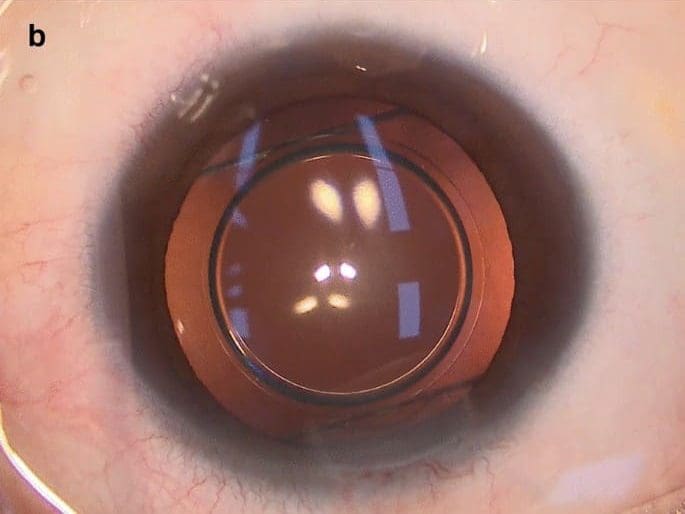
Long term advantages of Phakic ICL
Dry eye is one of the common reasons doctors reconsider LASIK eligibility. Creating a corneal flap and affecting corneal nerves can reduce surface sensation, interfere with tear reflexes, and lead to prolonged dry eye symptoms.
With ICL, the cornea is largely untouched. As a result, the risk of worsening dry eye is lower. This is particularly important for individuals who work extensively on computers, live in air conditioned environments, or have a history of chronic dry eye.
LASIK is a permanent procedure because the removed corneal tissue cannot regenerate. In contrast, ICL can be removed or replaced if necessary. This flexibility provides reassurance for many patients, especially younger individuals whose refractive status may change over time.
Reversibility does not mean the lens needs to be removed frequently, but it does offer a higher safety margin in long term vision care planning.
Initially, ICL was often considered an option reserved for patients who were not eligible for LASIK. However, thanks to advances in materials and design, more and more doctors and patients are proactively choosing ICL even when LASIK remains an option.
This does not mean LASIK is inferior, but rather that each method has its own indications. For individuals with thin corneas, high myopia, dry eye, or a desire to preserve corneal structure as much as possible, ICL offers a safer and more flexible approach.
If you have been told that you are not eligible for LASIK, it does not mean you cannot undergo vision correction surgery. A comprehensive examination and detailed consultation with an ophthalmologist will help determine whether ICL is the right solution for your specific eye condition.

 21/02/2026











 0916.741.763
 Appointment