

 vi
vi 19-Dec-2025
 26,600
 Introduction

Phakic ICL surgery and the visual recovery process of both eyes
After Phakic ICL surgery, many patients notice that vision in the two eyes does not recover in exactly the same way. Some people find that one eye becomes clear relatively early, while the other eye remains slightly blurred or needs more time to stabilize. This often makes patients feel concerned and question whether there is a problem with the surgery or if additional intervention is needed.
In reality, differences in recovery between the two eyes after Phakic ICL surgery are quite common, especially in the early stages. This is usually part of the normal physiological healing process and visual adaptation, rather than a sign of abnormality or surgical failure. Understanding the causes, the recovery timeline, and what to pay attention to can help patients feel more reassured during post-operative follow-up.
Phakic ICL and the visual recovery process
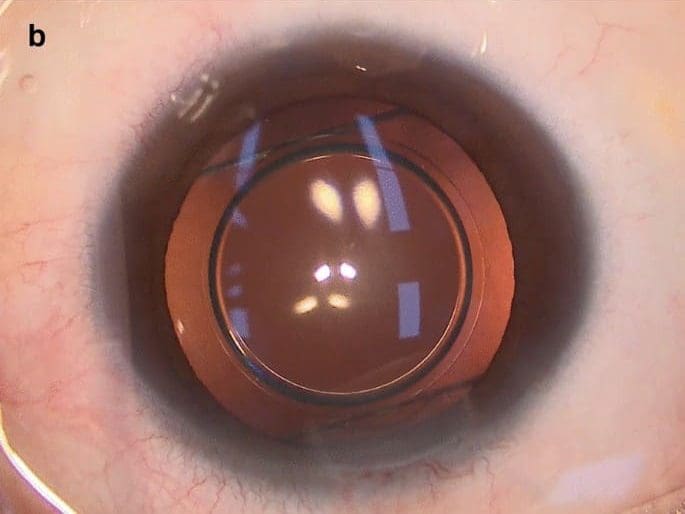
Phakic ICL is a surgical method in which an intraocular lens is implanted behind the iris and in front of the natural crystalline lens to correct refractive errors such as high myopia and astigmatism. Because it does not alter the cornea, this method provides excellent visual quality, particularly for patients with thin corneas or dry eyes.
However, like all intraocular procedures, Phakic ICL surgery requires time for both the eyes and the brain to adapt. Post-operative vision does not always stabilize simultaneously from the very first day, and differences between the two eyes can occur.
Why can the two eyes recover differently after Phakic ICL surgery?

Why do the two eyes recover differently after Phakic ICL surgery?
1. Differences in the physiological recovery speed of each eye
No two eyes are ever completely identical. Differences in anatomical structure, sensitivity of the visual nervous system, response to medications, or mild inflammatory reactions after surgery can all lead to different recovery speeds between the two eyes.
After Phakic ICL surgery, some eyes achieve stable vision very quickly, within just a few days to one week. In contrast, other eyes may need more time to fully adapt to the new lens. This phenomenon is common during the first 1–4 weeks and usually improves gradually over time.
Simply put, vision after Phakic ICL surgery does not stabilize simultaneously but recovers on an eye-by-eye basis, depending on each eye’s individual adaptability.
2. The brain needs time to rebalance binocular vision
Vision does not depend solely on the eyes but also heavily on the brain. After Phakic ICL surgery, the images projected onto the retina change compared to before, especially in patients who previously wore thick glasses or had significant refractive differences between the two eyes.
The brain needs time to relearn how to integrate images from both eyes harmoniously. During this period, patients may perceive one eye as clearer than the other, even though objective visual acuity measurements show only minimal differences.
In such cases, the sensation of blur or clarity may stem from the process of central visual adaptation rather than from an actual structural problem in the eye.
3. Post-operative reactions
After Phakic ICL surgery, each eye may respond differently to medications and mild post-operative inflammation. In addition, several common early factors can affect visual quality, including:
- Temporary dry eye
- Uneven pupil dilation or constriction
- Incomplete stabilization of the intraocular environment
These factors can cause visual quality to differ between the two eyes, especially during the first days or weeks after surgery. This is considered a normal post-operative reaction rather than a complication and usually improves as healing progresses.
4. Very small differences in lens power or astigmatic axis
In some cases, very minor differences in visual acuity or astigmatic axis may still exist between the two eyes after surgery. These differences usually do not require immediate intervention.
Typically, doctors will monitor the eyes for an additional 2–4 weeks to allow vision to stabilize fully before reassessing. This period is considered a monitoring phase for complete visual stabilization, helping to avoid premature intervention while the eyes are still adapting.
The recovery process and timeline after Phakic ICL surgery

The recovery process and timeline after Phakic ICL surgery
The first 24–48 hours
During the first 1–2 days after Phakic ICL surgery, patients may experience mild blurriness, light sensitivity, or a gritty sensation as if sand were in the eye. Vision not being fully clear at this stage is a natural response as the eyes adapt to the new lens. Adequate rest and limiting exposure to strong light are very important during this period.
After 1 week
After about one week, vision usually improves significantly. Patients can begin to return to light activities such as reading or short periods of computer work. However, it is still important to avoid rubbing the eyes, prevent direct impact, and continue using prescribed eye drops as directed by the doctor.
After 1 month
About one month after Phakic ICL surgery, vision in most patients is nearly stable. Daily activities can largely resume as normal. Nevertheless, strenuous activities or those with a risk of eye trauma should still be limited, and attending scheduled follow-up visits remains essential.
After 3–6 months
Within 3–6 months, the eyes fully adapt to the Phakic ICL lenses and vision reaches its optimal level. This is also when the doctor evaluates the final surgical outcome and confirms the long-term stability of vision.
Important points to note during recovery
To ensure a smooth recovery after Phakic ICL surgery, patients should follow several important guidelines:
- Use antibiotic and anti-inflammatory eye drops at the correct dose and schedule
- Avoid rubbing the eyes and avoid strong impacts to the eye area
- Wear protective eyewear outdoors, especially in dusty environments or strong sunlight
- Limit prolonged screen time and allow the eyes to rest adequately
- Avoid eye makeup for at least the first month
- Avoid direct contact between the eyes and unclean water during the first weeks after surgery
When should you be more cautious?
Although most cases only require monitoring and scheduled follow-up visits, patients should contact their doctor promptly if they experience any of the following:
- Vision that does not improve over time or becomes progressively blurrier
- Eye pain, significant discomfort, or pronounced glare
- Persistent redness, excessive tearing, or prolonged discomfort
These signs should be evaluated to ensure that the recovery process remains safe.
Differences in recovery between the two eyes after Phakic ICL surgery are usually part of the natural healing and adaptation process, not a sign of surgical failure. By understanding the underlying causes, following the expected recovery timeline, and adhering to post-operative care instructions, patients can feel more reassured and achieve stable, long-lasting visual outcomes.
 23/02/2026










 0916.741.763
 Appointment