

 vi
vi 14-Jan-2026
 33,060
How does age affect the decision to undergo myopia surgery?
Myopia surgery today is not only about choosing the right method, but also choosing the right timing. For individuals with high myopia, thin corneas, or those who are not suitable candidates for laser procedures, Phakic ICL is considered an effective and safe solution. However, many people still wonder: “At what age should Phakic ICL surgery be considered? Is it still suitable after the age of 30 or even 40?”
The answer does not lie in a fixed number, but rather depends on refractive stability and the physiological condition of the eyes at each stage of life.
How does age affect the decision to undergo myopia surgery?
Age is an important factor because it reflects the natural development and aging process of the eyes. In younger individuals, refractive error may continue to change over time. In contrast, as people get older, physiological changes such as presbyopia or alterations in the crystalline lens begin to appear.
If surgery is performed too early, before refractive error has stabilized, visual outcomes may not be long-lasting. On the other hand, if surgery is performed too late without careful evaluation, patients may not achieve their desired expectations. Therefore, choosing the appropriate age helps optimize both the effectiveness and long-term stability of the procedure.
What is Phakic ICL surgery?
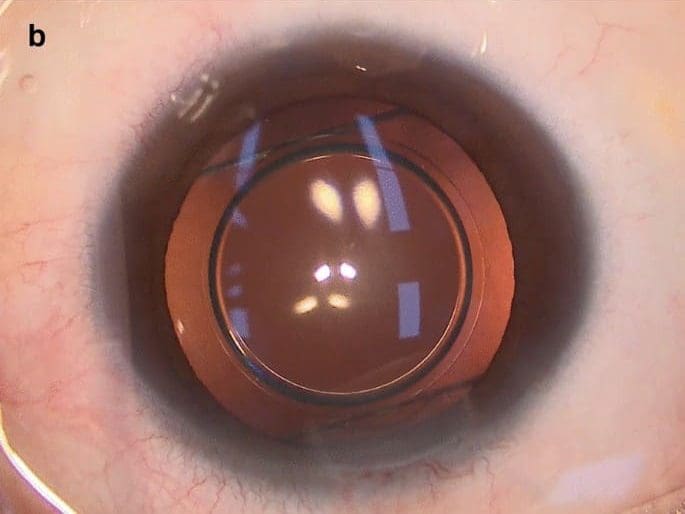
Phakic ICL is a procedure that involves implanting an intraocular lens inside the eye to correct refractive errors. The lens is positioned behind the iris and in front of the natural crystalline lens, improving vision without altering the corneal structure.
Thanks to this mechanism, Phakic ICL surgery is commonly indicated for:
- Patients with high myopia or high astigmatism
- Thin corneas that are not suitable for laser-based procedures
- Individuals seeking stable, long-term visual quality, especially in low-light conditions
Suitable age for Phakic ICL surgery
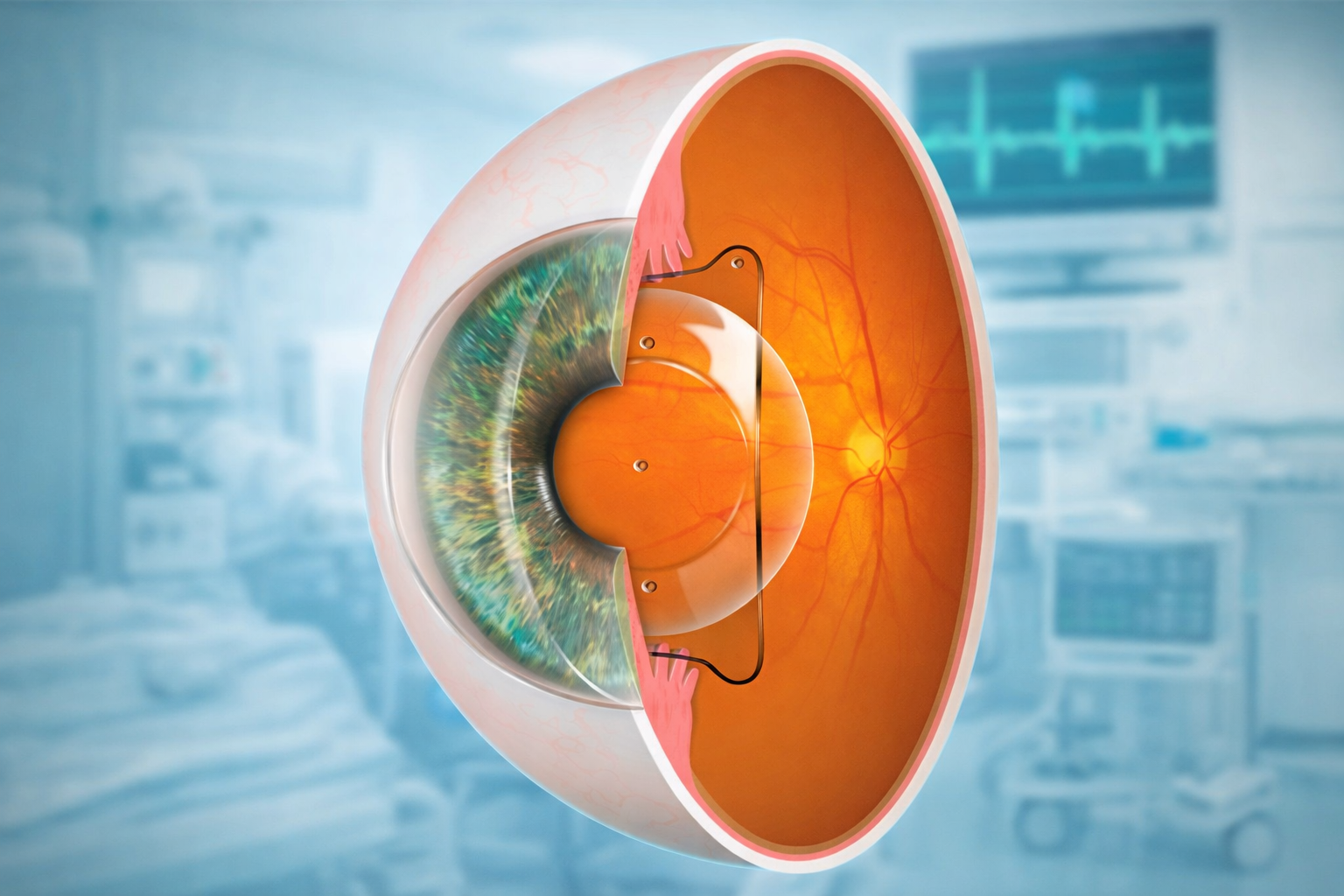
Suitable age for Phakic ICL surgery
Minimum age
In ophthalmic practice, the age of 21 and above is commonly recommended for eye surgery. At this stage:
- The eyes have fully developed
- Refractive error tends to be more stable
- The risk of refractive progression after surgery is significantly reduced
Waiting until refractive stability is achieved helps minimize the likelihood of needing additional interventions in the future.
Ideal age range
The age range of 22–35 is considered the most ideal period for Phakic ICL surgery. During this time:
- Refractive error is stable
- The crystalline lens remains clear
- Presbyopia has not yet developed
- Visual adaptation is excellent
Numerous clinical reports show that patients in this age group achieve long-term visual stability and high satisfaction following surgery.
Why is age so important?
Phakic ICL is designed for long-term use. Implanting the lens at the appropriate time helps maintain stable vision, reduces the risk of refractive changes, and maximizes benefits while minimizing potential risks.
Is Phakic ICL surgery suitable after the age of 30?

Is Phakic ICL surgery suitable after the age of 30?
Phakic ICL surgery can still be suitable after the age of 30, provided the eyes meet all medical criteria. After 30, accommodative ability gradually declines, and some individuals may begin to show early signs of presbyopia, especially those who frequently perform near work.
Benefits
- Significant improvement in distance vision
- Good quality of night vision
- Reduced dependence on glasses in daily activities
Limitations
- Phakic ICL surgery does not prevent the natural aging process leading to presbyopia
- Reading glasses may still be required in the future
Thorough preoperative counseling helps patients develop realistic expectations, thereby increasing postoperative satisfaction.
Phakic ICL surgery after the age of 40
After the age of 40, presbyopia becomes an unavoidable physiological process. Patients often experience difficulty with near vision, even if distance vision remains good. Phakic ICL corrects distance refractive errors only and does not replace reading glasses.
Phakic ICL surgery may be considered for patients with high myopia or astigmatism, especially when laser procedures are not suitable. Key requirements include a clear crystalline lens, healthy eyes without intraocular disease, and a thorough understanding of the limitations of the procedure, allowing for realistic expectations of visual outcomes.
Phakic ICL is not recommended if there are signs of cataract formation or physiological changes that may affect long-term visual quality. In addition, this procedure is not suitable for individuals who expect complete independence from glasses at all viewing distances, particularly near vision, as Phakic ICL does not treat presbyopia and cannot fully eliminate the need for reading glasses.
At this age, the decision to undergo surgery should be individualized based on comprehensive eye examinations.
Other determining factors beyond age
In addition to age, ophthalmologists will assess refractive error, anterior chamber depth, endothelial cell density, retinal health, as well as visual needs, occupation, and lifestyle.
Age is only a reference factor and not the sole determining criterion.
Comparison of Phakic ICL with other methods by age group
| Age group | Phakic ICL | Corneal laser surgery |
|---|---|---|
| 20–30 | Highly suitable, especially for high myopia | Suitable if corneal thickness is adequate |
| 30–40 | Suitable, with presbyopia counseling | Increasing limitations |
| Over 40 | Highly selective | Less preferred |
Phakic ICL is not limited by a fixed age, but the age range of 22–35 offers the most optimal outcomes. After the age of 30 or 40, the procedure may still be appropriate if the eyes are healthy and patients receive proper counseling. Most importantly, comprehensive examinations and personalized evaluations ensure safe decisions and long-lasting visual quality.

 03/03/2026












 0916.741.763
 Appointment