

 vi
vi 12-Dec-2025
 11,780
 Introduction
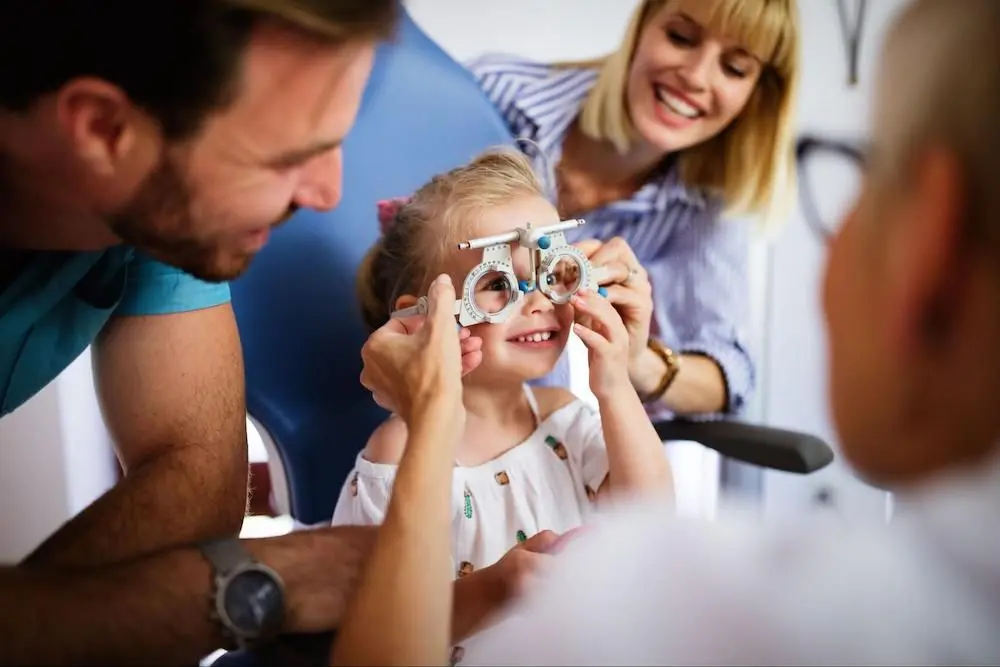
What should parents pay attention to when taking children for an eye exam?
Eye examinations for children are extremely important, yet they are often overlooked in many families. It is usually not until a child complains of blurry vision, eye pain, or declining academic performance due to difficulty seeing the board that parents begin to worry and take their child for an eye exam. However, in reality, many abnormal signs of visual problems appear very early but are easily mistaken for common eye strain caused by studying or prolonged use of electronic devices.
Delaying eye examinations for children not only forces them to live with poor vision for a long time, but also increases the risk of refractive errors progressing to more severe levels, along with complications that can have long-term effects on eye health. Therefore, understanding and doing the right things when taking children for eye exams is something parents need to pay special attention to.
Why do many parents remain complacent about eye examinations for children?
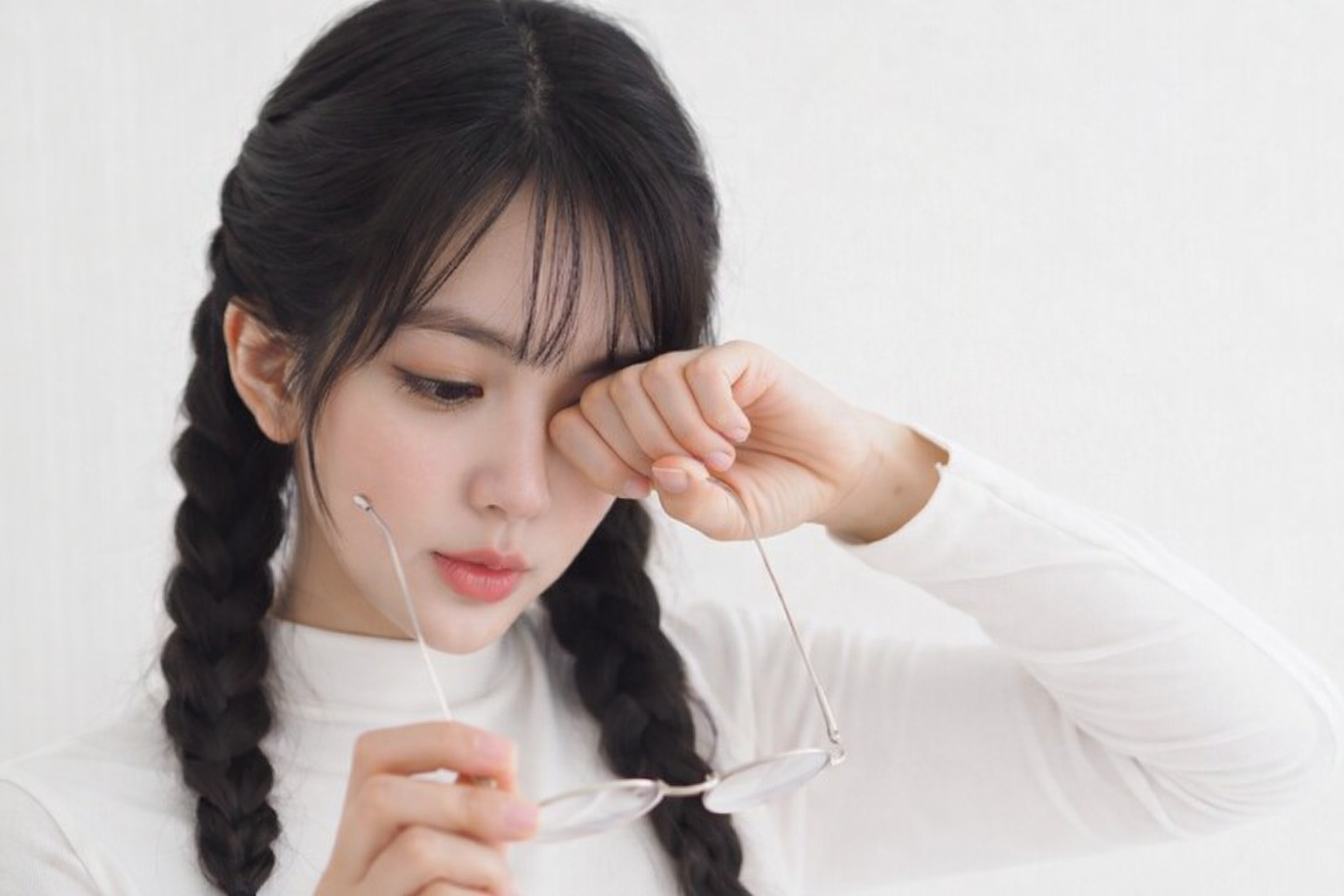
In daily life, many parents notice signs such as frequent eye rubbing, holding books very close when reading, squinting to see distant objects, or complaining of headaches and eye fatigue. However, instead of thinking about having their child’s eyes examined, many assume these symptoms are simply the result of excessive studying, watching television, or using mobile phones for too long.
This complacency often delays the detection of refractive errors in children. When children are finally taken for an eye exam, many are already diagnosed with moderate to high myopia, sometimes accompanied by complications such as strabismus, amblyopia, or even the risk of retinal detachment. At this stage, vision correction with glasses only plays a supportive role and cannot restore a child’s vision to its original state as it might have been if detected earlier.
A notable reality in Vietnam is that very few families have the habit of taking their children for regular eye examinations. Most parents only take action when symptoms become obvious or when children complain about not being able to see clearly. This often leaves parents feeling surprised or even “shocked” when doctors inform them that their child already has severe myopia.
Regular eye examinations for children help detect even minor changes in vision early, including cases where no clear symptoms are present yet. Through comprehensive tests, doctors can accurately assess eye conditions and provide appropriate monitoring and care plans. In many cases, children may not need glasses immediately but can still receive preventive advice to help reduce the risk of worsening vision in the future.
Why shouldn’t children’s eyes be tested at home or glasses purchased online?
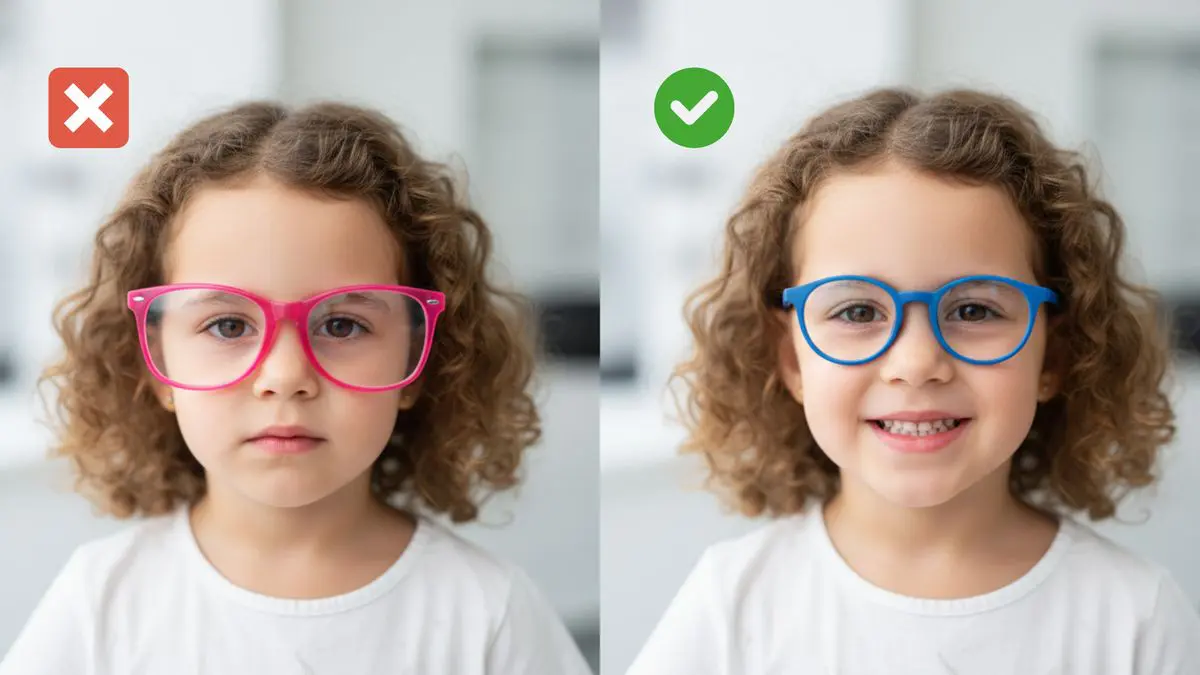
Choosing suitable eyeglasses for children’s eyes
Today, online shopping has become familiar to many families. However, eye examinations and prescription glasses for children are areas where this approach is not appropriate. Vision and refraction testing require specialized equipment, standardized examination procedures, and professional evaluation by doctors or optometrists.
Home eye tests or online glasses purchases often produce inaccurate results, especially for children whose vision is still developing and prone to change. Even for adults, remote eye testing cannot replace an in-person examination. Therefore, parents should not let busy schedules lead them to “convenient” solutions that may pose significant risks to their child’s eyesight.
Choosing a reputable ophthalmology clinic or professional optometry center is the best way to ensure that children receive accurate examinations, correct measurements, and proper advice.
The role of doctors and optometrists in children’s eye examinations
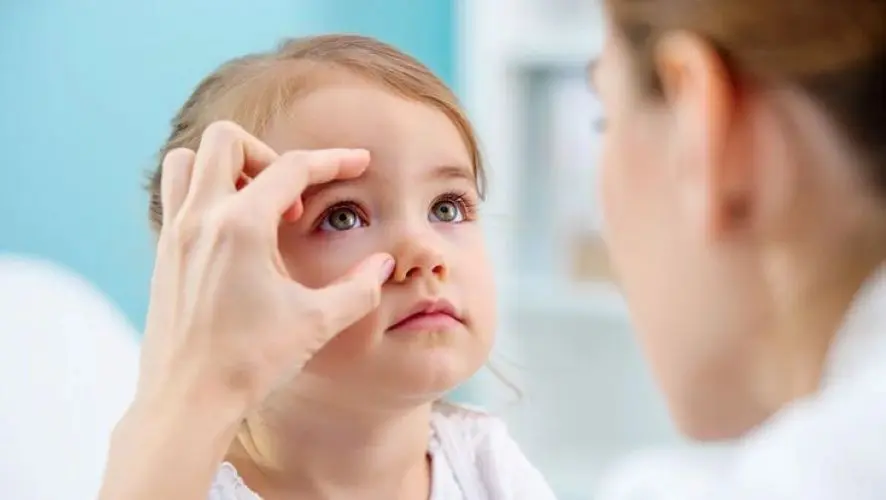
The role of doctors and optometrists in children’s eye examinations
During eye examinations for children, doctors and optometrists do more than simply measure myopia or astigmatism. They also conduct a comprehensive assessment of overall eye health, detect potential risks early, and develop appropriate monitoring plans.
Even when children have not yet developed refractive errors, eye examinations still play an important preventive role. Parents receive guidance on proper eye care, suitable supportive products, and healthy daily habits that benefit children’s visual development.
When children are required to wear glasses
For many children, wearing glasses represents a major change and is not always easy to accept. Therefore, when an eye examination indicates that glasses are necessary, parents should carefully consider the selection of both frames and lenses.
Regarding frames, there are many materials available today, such as metal or plastic. Parents should seek their child’s opinion rather than making decisions entirely on their own. Frames that match a child’s preferences can encourage better cooperation and reduce feelings of being forced to wear glasses daily. At the same time, safety should be a top priority, with a focus on skin-friendly, non-irritating materials and proper sizing to prevent glasses from slipping during physical activities.
Choosing the right lenses for children
Lenses directly affect visual quality and wearing comfort. For children who frequently study on computers, use mobile phones, or are often exposed to sunlight, parents should consider lenses with blue light filtering or UV protection features.
In addition, when reviewing lens pricing, parents should consult specialists about lens refractive index options. For children with moderate to high myopia, high-index lenses that are thinner and lighter can significantly reduce discomfort while providing long-term comfort. Although these lenses may cost more, they represent a necessary investment in protecting a child’s eyesight.
Eye examinations for children are not only a solution when vision has already become blurry, but also a crucial step in long-term eye care and protection. Early detection, regular monitoring, and appropriate eyewear selection help children maintain good vision, study effectively, and avoid unnecessary complications. In addition, attention should also be paid to factors such as reading distance and proper nutrition to support children’s eye health.

 01/02/2026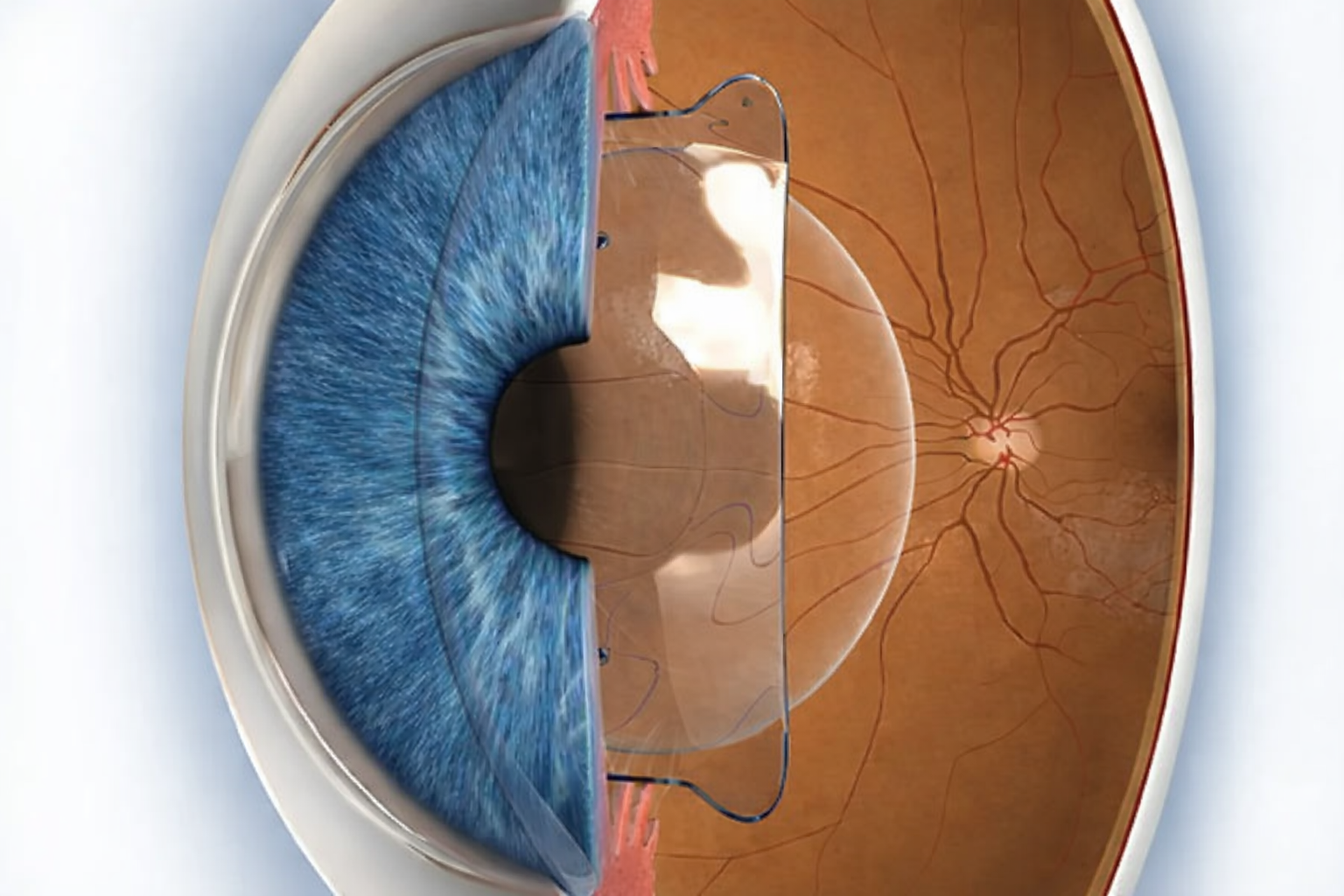










 0916.741.763
 Appointment