

 vi
vi 13-Jan-2026
 27,265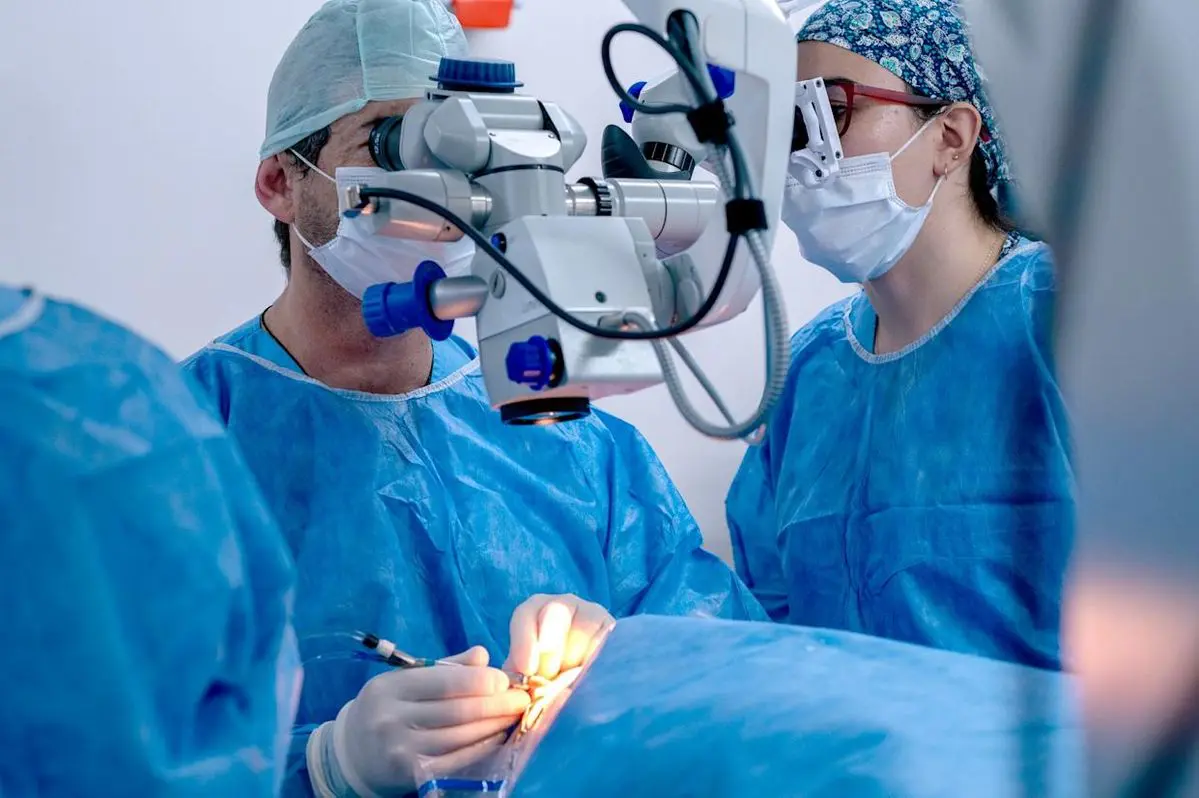
What to eat and what to avoid for faster eye recovery after myopia surgery?
Myopia surgery helps patients significantly improve their vision and reduce dependence on glasses or contact lenses. However, whether visual outcomes remain stable in the long term depends greatly on the post–myopia surgery care phase.
In addition to following medication instructions, avoiding eye rubbing, and attending follow-up visits as scheduled, diet after myopia surgery plays an important role in tissue healing, inflammation reduction, and faster eye recovery. This applies to all current myopia surgery methods, including LASIK, SMILE, and Phakic ICL.
So, what foods should you avoid after myopia surgery, and which foods should you add to help your eyes stabilize sooner?
Why does diet affect recovery after myopia surgery?

Why does diet affect recovery after myopia surgery?
After myopia surgery, the cornea or intraocular structures need time to adapt and recover. Especially with Phakic ICL, although the cornea is not altered, the eye still requires time to stabilize after the intraocular procedure.
An appropriate diet helps to:
- Enhance tissue regeneration
- Reduce inflammatory responses
- Limit dry eye and foreign body sensation
- Support earlier visual stability
Conversely, an improper diet can slow healing and cause prolonged eye fatigue and discomfort.
What should you avoid eating after myopia surgery?
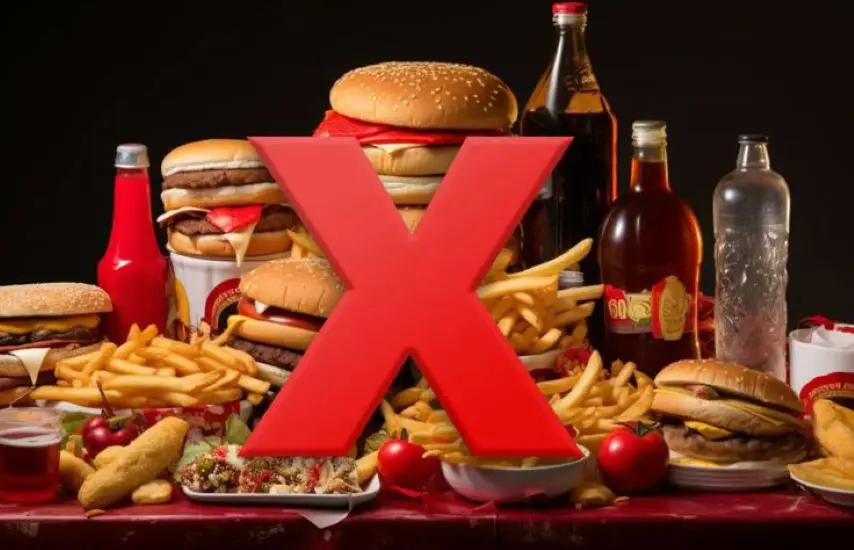
What should you avoid eating after myopia surgery?
During the first 3–4 weeks after myopia surgery, patients should limit the following food groups:
Spicy foods
Chili, pepper, ginger, garlic, and onions can cause internal heat, increase inflammation, and delay eye stabilization. For some people, spicy foods may also increase dryness and eye irritation.
Alcohol and stimulants
Alcohol, strong coffee, and tobacco affect blood circulation and reduce nutrient delivery to the eyes. In addition, alcohol can worsen dry eye symptoms and negatively impact recovery after myopia surgery, including Phakic ICL.
Allergy-prone foods
Seafood, eggs, and strong-smelling foods may cause itching, rashes, or irritation, especially while the eyes are still healing.
Fried foods and unhealthy fats
Fast food and deep-fried dishes contain trans fats that increase inflammation and negatively affect ocular microcirculation.
Sugary foods
Excessive sugar intake raises blood glucose levels, interferes with tissue recovery, and may negatively affect the lens and retina if maintained long term.
Overly salty foods
High salt intake causes water retention, leading to eye swelling and increased pressure on small retinal blood vessels.
What should you eat after myopia surgery for faster recovery?

What should you eat after myopia surgery for faster recovery?
To promote faster healing and stable vision, patients should prioritize the following foods:
Protein-rich foods
Protein plays a critical role in tissue regeneration and wound healing, making it an essential nutrient during the recovery period after myopia surgery. Adequate protein intake helps repair ocular tissues, supports cellular renewal, and contributes to faster stabilization of vision.
Patients are encouraged to include high-quality protein sources such as lean meats, chicken breast, fish, eggs (for those without allergies), tofu, milk, and dairy products in their daily meals to support optimal recovery.
Healthy fats
Healthy fats are vital for maintaining retinal health and supporting tear film stability. They help reduce ocular dryness, which is a common temporary symptom after myopia surgery, and contribute to overall eye comfort during the healing phase.
Beneficial sources of healthy fats include avocados, olive oil, marine fish, and a variety of nuts. Incorporating these fats in moderation can support both eye health and general well-being after surgery.
Omega-3–rich foods
Omega-3 fatty acids are well known for their anti-inflammatory properties and their ability to alleviate dry eye symptoms. They also support the recovery of the ocular surface and improve tear quality, which is especially important in the weeks following myopia surgery.
Natural dietary sources of Omega-3 include salmon, mackerel, sardines, cod liver oil, walnuts, and flaxseeds. Regular consumption of these foods can help promote smoother recovery and improved post-operative comfort.
Dark leafy greens
Green vegetables provide vitamins A, C, and E along with antioxidants such as lutein and zeaxanthin, which help protect the macula and maintain healthy vision after myopia surgery.
Patients should aim to include vegetables such as broccoli, spinach, cauliflower, and water spinach in their meals to support long-term eye health and recovery.
Vitamin-rich fruits
Fruits provide a wide range of vitamins and antioxidants that are beneficial for post-surgical healing. Vitamin C, in particular, supports collagen synthesis, strengthens connective tissue, and accelerates wound healing, while antioxidants help protect ocular cells from damage.
Prioritize oranges, tangerines, pomelos, apples, grapes, and berries such as blueberries and strawberries.
Probiotics
Probiotics contribute to a balanced digestive system and help strengthen the immune response, both of which are important during the recovery period after surgery. A healthy gut can support nutrient absorption and enhance the body’s overall healing capacity.
They can be obtained from yogurt, kimchi, and fermented cabbage in moderate amounts.
When can you return to a normal diet after myopia surgery?
Recovery after myopia surgery typically progresses through three stages:
- First day: Mild foreign body sensation, tearing, and light sensitivity
- After one week: Reduced swelling and gradual visual improvement
- After about one month: Eyes become more stable and diet can return to near normal
After approximately one month, patients can resume normal eating habits. However, maintaining a healthy diet is still recommended to protect long-term eye health.
Proper nutrition after myopia surgery plays a crucial role in faster recovery, reduced discomfort, and stable vision. Regardless of whether myopia is corrected using Phakic ICL or laser methods, building a balanced diet, limiting unsuitable foods, and following your doctor’s instructions will help ensure lasting results for your eyes.
 03/03/2026












 0916.741.763
 Appointment