

 vi
vi 25-Jan-2026
 16,530
What is presbyopia? Symptoms and treatment options
Presbyopia is one of the most common visual changes that occur as people enter middle age. Although it is not a dangerous condition, presbyopia directly affects daily activities such as reading, using mobile phones, working on computers, or performing tasks that require precise near vision. Proper understanding of presbyopia, early recognition of its signs, and choosing appropriate treatment options can help maintain long-term visual quality.
What is presbyopia?
Presbyopia is a condition in which the eyes can still see distant objects clearly but have difficulty focusing on objects at close range. This occurs because the eyes gradually lose their ability to accommodate effectively, preventing light from being accurately focused onto the retina when viewing near objects.
Unlike myopia or hyperopia, presbyopia is not a congenital refractive error but rather a natural aging process of the eye. Most people begin to experience presbyopia after the age of 40, regardless of whether their vision was previously normal or they already had refractive errors such as myopia, hyperopia, or astigmatism.
As aging progresses, the crystalline lens gradually becomes stiffer, and the accommodative muscles surrounding the lens weaken. As a result, the lens can no longer change shape flexibly enough to allow the eye to focus clearly at near distances.
Why does near vision become blurry with age?

Why does near vision become blurry with age?
In younger individuals, the crystalline lens is highly elastic, allowing the eye to easily adjust focus when shifting between distant and near objects. Over time, however, changes in the protein structure within the lens cause it to gradually lose its softness and flexibility.
When the lens can no longer “bulge” sufficiently to converge light from near objects, images are no longer focused accurately on the retina, resulting in blurred vision when reading, using mobile devices, or performing fine-detail tasks.
Key characteristics of presbyopia include:
- Distance vision usually remains clear
- Near vision blur gradually worsens with age
- Both eyes are affected, though severity may differ between them
- The condition typically stabilizes after around the age of 55
In the early stages, many people simply notice that they need to hold their phone or reading materials farther away than usual. Over time, the need for reading glasses or other forms of near-vision support becomes more apparent.
What symptoms indicate that you may have presbyopia?
Presbyopia usually progresses slowly, making it easy to overlook. Common symptoms include:
- Blurred vision when reading, using a phone, or doing near work
- Difficulty reading small print, especially in low-light conditions
- A sensation of hazy or less sharp images
- Needing to squint or hold objects farther away to see clearly
- Eye strain or headaches after reading or prolonged near work
- Reduced ability to maintain visual focus at near distances for extended periods
These symptoms can appear even in individuals who have never worn glasses before. Notably, people who already have myopia, hyperopia, or astigmatism can also develop presbyopia concurrently.
Is presbyopia dangerous?
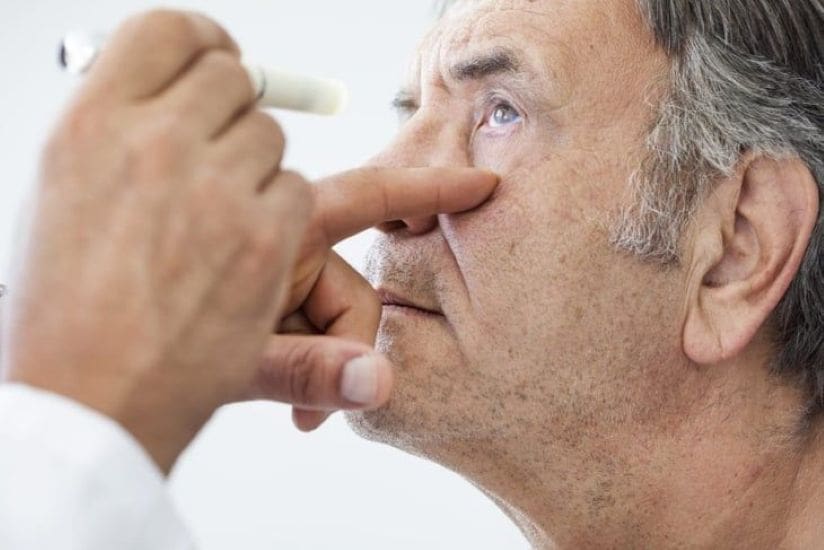
Is presbyopia dangerous?
Presbyopia does not cause blindness and is not a dangerous condition. However, if not properly corrected, it can significantly reduce quality of life, leading to prolonged eye strain, headaches, and decreased work performance.
In addition, self-purchasing reading glasses with incorrect power may force the eyes to accommodate more, worsening eye strain symptoms. Therefore, regular eye examinations and accurate professional advice are essential.
Current treatment options for presbyopia
Depending on visual needs, lifestyle, and overall eye condition, presbyopia can be managed using various approaches.
Reading glasses
This is the simplest and most common solution. Reading glasses help enhance near focusing ability and are suitable for individuals who only require visual assistance at certain times.
However, reading glasses do not address the underlying cause of presbyopia and may be inconvenient due to frequent removal and reapplication.
Progressive glasses or specialized contact lenses
Progressive lenses allow clear vision at multiple distances without the need to switch glasses. Certain multifocal contact lenses are also used in presbyopia management, although not everyone is suitable, particularly individuals with dry eye conditions.
Surgical correction of presbyopia
For individuals seeking to reduce dependence on glasses, modern ophthalmic interventions may be considered after thorough examination:
- Refractive surgery combined with presbyopia correction
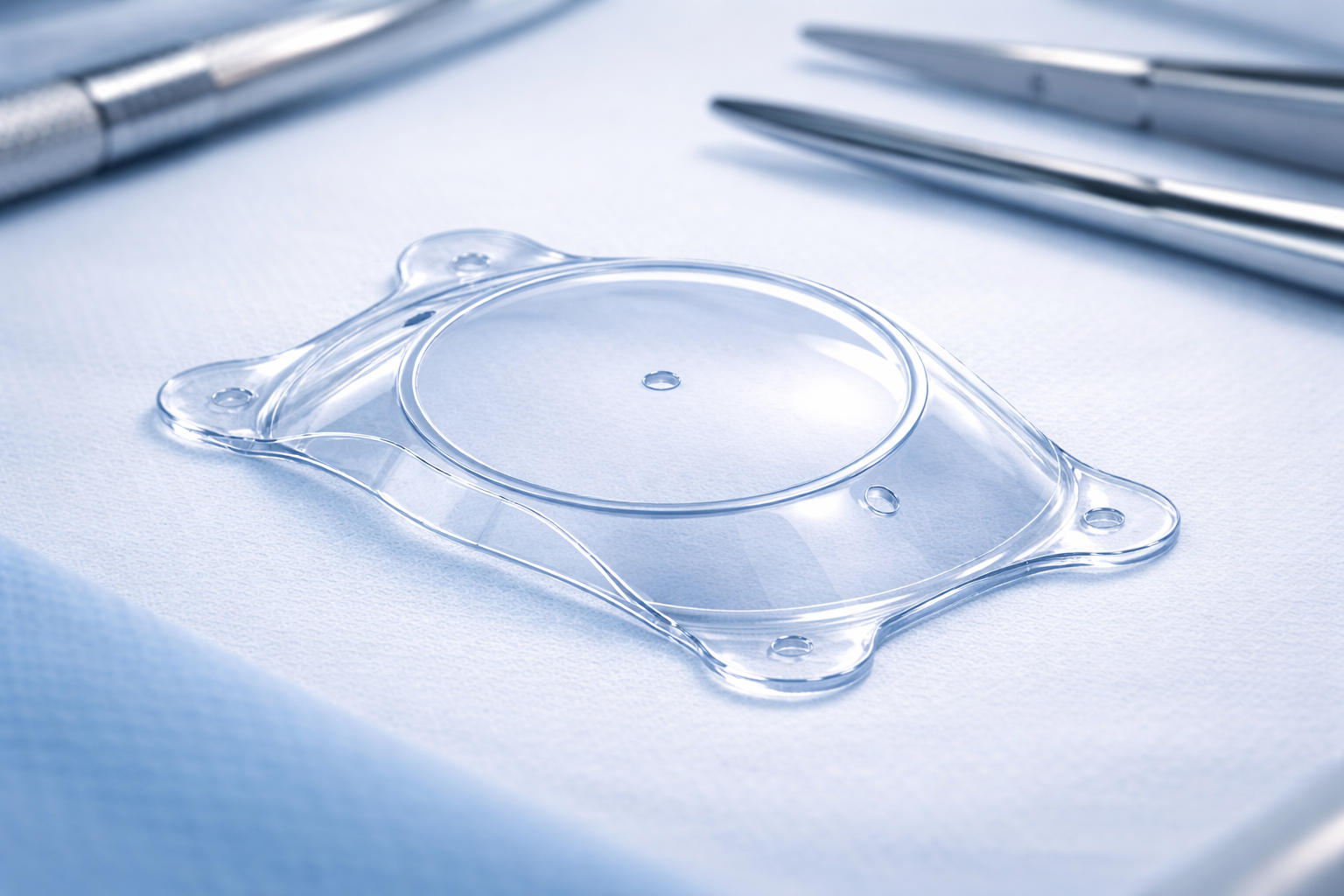
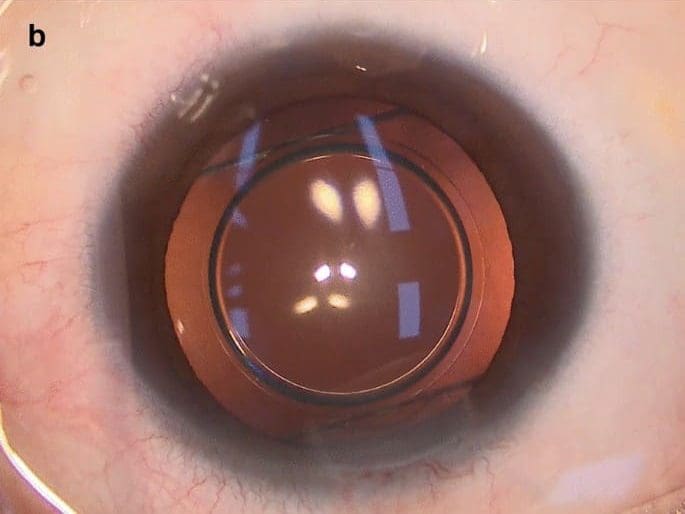
- Artificial lens replacement
- Phakic ICL surgery in selected cases with appropriate indications
Each method has its own advantages and limitations and requires detailed evaluation of ocular structure, age, visual demands, and overall eye health.
When should you see an eye doctor?
You should schedule an eye examination if you:
- Begin experiencing blurred near vision after the age of 40
- Frequently experience eye strain or headaches when reading
- Already wear glasses but still feel uncomfortable
- Wish to receive long-term solutions rather than relying solely on glasses
A comprehensive eye examination helps accurately determine the degree of presbyopia and enables early detection of other age-related eye conditions such as cataracts, glaucoma, or macular degeneration.
Presbyopia is a natural part of the aging process and affects nearly everyone. Although it is not dangerous, it should be properly recognized and managed to avoid negative impacts on daily activities and quality of life.
Choosing an appropriate treatment method should be based on professional consultation with an ophthalmologist rather than self-directed or uncontrolled solutions. Regular eye examinations are the key to maintaining clear and comfortable vision over the long term.
 10/03/2026













 0916.741.763
 Appointment