

 vi
vi 15-Jan-2026
 14,535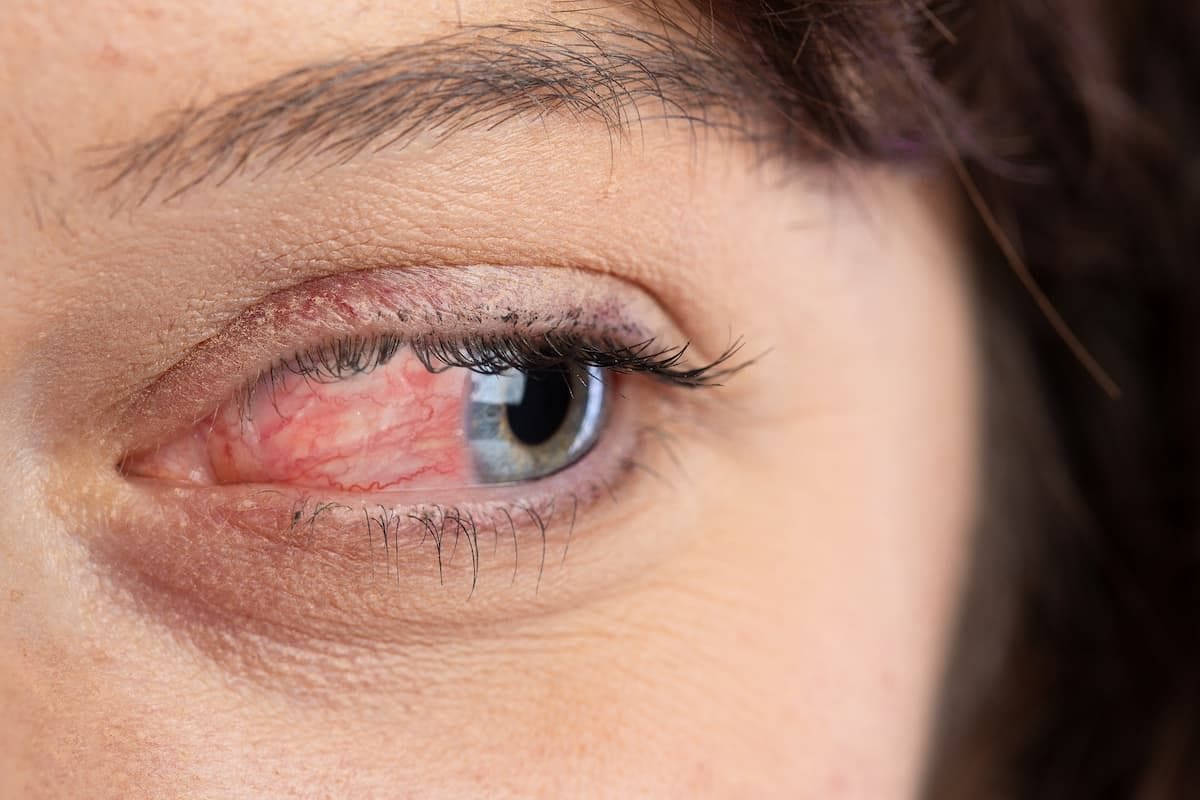
What are the symptoms of eye burns?
Eye burns are among the most dangerous emergencies in ophthalmology and can lead to serious consequences if not treated properly and promptly. Unlike many other injuries, eye burns often affect both eyes, progress rapidly, and the severity of damage can worsen within a very short time. In severe cases, vision may not fully recover and can even result in permanent blindness.
Therefore, early recognition of what eye burns look like, as well as knowing proper first aid measures, plays a crucial role in protecting vision.
What is an eye burn and why is it dangerous?
An eye burn is a condition in which the structures of the eye are damaged by chemicals, high temperatures, radiation, or foreign bodies. These injuries can affect the outer surface such as the eyelids, conjunctiva, and cornea, as well as deeper structures inside the eye including the iris, lens, and uveal tract.
The danger of eye burns lies in the following:
- The injury progresses very rapidly, especially in chemical burns
- It can destroy corneal tissue, leaving permanent scars
- High risk of blindness if treatment is delayed or first aid is performed incorrectly
Common causes of eye burns

Common causes of eye burns
In reality, eye burns can occur in everyday life, not only in heavy or industrial work environments.
1. Chemical eye burns
This is the most common and dangerous cause, including acids, alkalis (lime, caustic soda, detergents, insecticides), and household cleaning solutions.
Typical cases have been reported such as the use of lice treatment chemicals, boiled custard apple seed water for hair washing, or household chemicals accidentally flowing into the eyes, causing severe conjunctival and corneal burns.
2. Thermal eye burns
Thermal eye burns usually occur when the eyes are directly exposed to high temperatures such as boiling water, hot oil or grease, or molten metal. These agents can rapidly damage the eyelids, conjunctiva, and cornea, leading to severe pain and vision loss if not treated promptly.
3. Radiation-related eye burns
Radiation-related eye burns occur when the eyes are damaged by high-energy rays. The most common include ultraviolet (UV) rays from sunlight or strong lamps, welding light in industrial settings, and industrial lasers. This group of causes often leads to keratitis, glare, eye pain, and prolonged light sensitivity.
4. Other causes
In addition, eye burns may result from other causes such as hot foreign bodies directly entering the eye or workplace accidents when appropriate protective equipment is not used. These situations often occur unexpectedly, can cause deep damage, and may lead to severe complications if treatment is delayed.
What are the symptoms of eye burns?

What are the symptoms of eye burns?
Symptoms of eye burns may appear immediately or gradually worsen over time, depending on the cause and severity of the injury.
Common early symptoms
People with eye burns may experience one or more of the following signs:
- Severe eye pain or burning sensation
- Difficulty opening the eyes, light sensitivity
- Excessive tearing
- Foreign body sensation or grittiness in the eyes
- Blurred vision or sudden vision loss
External signs of injury
- Red, swollen eyelids, possibly with blistering
- Damage to the eyelid margin, affecting the tear ducts
- Burns to the surrounding skin around the eyes
Findings on detailed eye examination
During examination at a medical facility, doctors may observe:
- Conjunctiva: congestion, edema, subconjunctival hemorrhage, conjunctival ischemia
- Cornea: mild haze, epithelial defects, or in severe cases a white opaque cornea, obscuring the iris and lens
- Uveal reaction: inflammation, iris adhesions, increased intraocular pressure
- Altered ocular pH in cases of chemical burns
Systemic symptoms
In severe cases, patients may experience:
- Fatigue, anxiety, panic
- Severe pain affecting daily activities
- Risk of shock if combined with extensive systemic burns
Severity and risks of eye burns
Not all cases of eye burns have the same prognosis. The severity depends on:
- The type of burning agent (alkali burns are often more severe than acid burns)
- Duration of exposure
- Initial first aid measures
- Timing of medical treatment
In severe stages, eye burns can result in corneal scarring, leading to irreversible vision loss or even permanent blindness.
Management and first aid for eye burns
Eye burns are considered ophthalmic emergencies; therefore, proper initial management is critical.
Immediate first aid for eye burns
As soon as the accident occurs, rinse the eyes immediately with clean water or saline solution for 15–20 minutes continuously. The goal is to remove as much of the remaining chemical or burning agent as possible.
Notes:
- Do not rub the eyes
- Do not use eye drops without medical instruction
- Do not wait for symptoms to subside before seeking medical care
After first aid, the patient should be taken promptly to an eye specialist hospital. If possible, bring the container or label of the chemical that caused the burn. This helps doctors quickly identify the nature of the burn and determine the most appropriate treatment.
Hospital treatment for eye burns
Depending on the severity of the injury, doctors may prescribe:
- Extensive eye irrigation
- Antibiotics to prevent infection
- Pain relief medications
- Medications to support corneal healing and nourishment
- Monitoring of intraocular pressure and associated complications
In many mild cases, if treated early, vision can gradually improve over time.
Prevention of eye burns
Prevention is always the most effective way to avoid the serious consequences of eye burns.
- Be cautious when using chemicals in daily life
- Avoid unverified folk remedies
- Use protective equipment when working in high-risk environments
- Strictly follow occupational safety regulations
Eye burns are not uncommon but are extremely dangerous if underestimated. Understanding what eye burns look like, recognizing early warning signs, and providing proper first aid can help protect vision and minimize long-term complications.
If there is any suspicion of an eye burn, treat it as an emergency and seek specialized medical care as soon as possible.

 03/03/2026











 0916.741.763
 Appointment