

 vi
vi 04-Feb-2026
 1,900
1,900 What Is Phakic ICL?
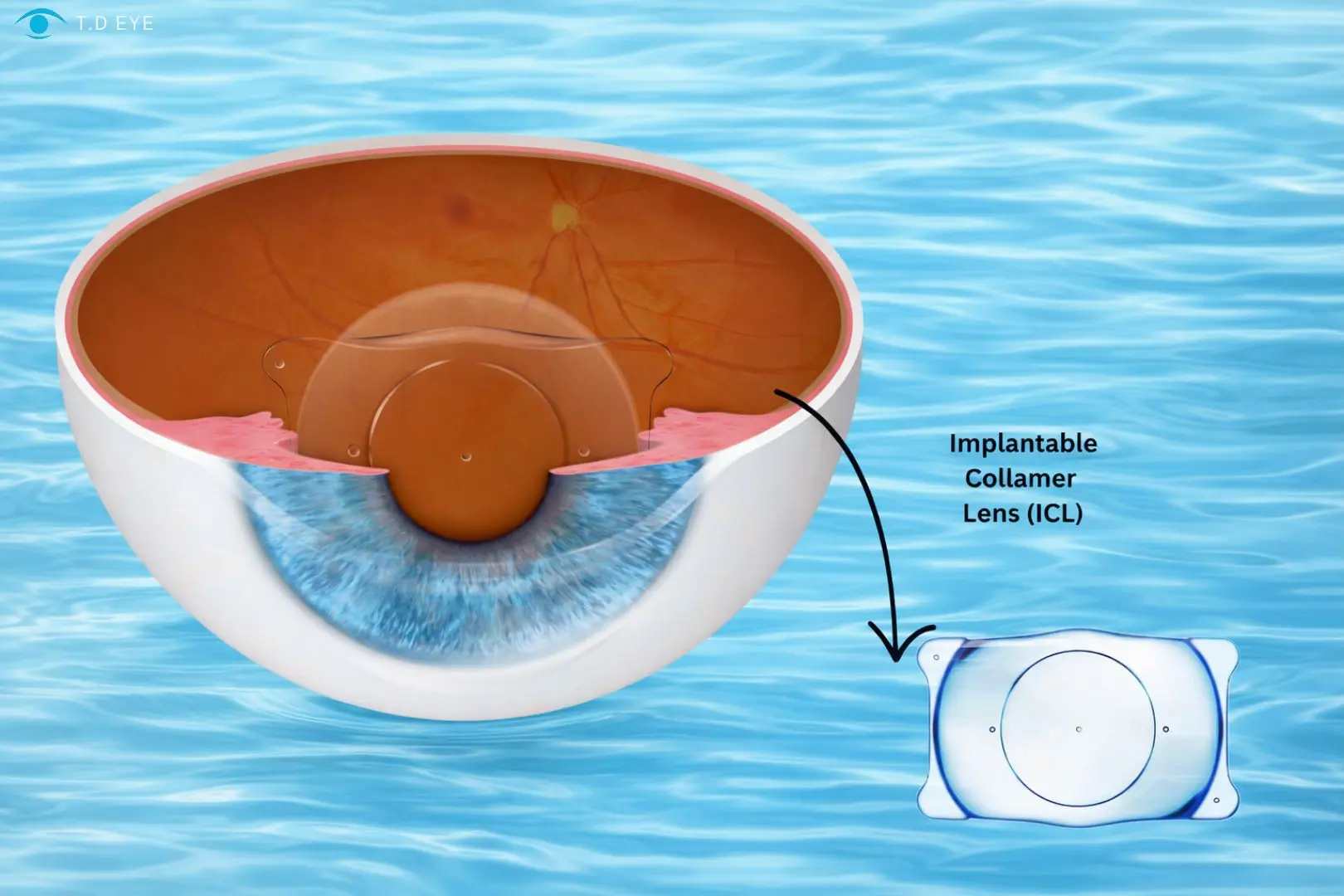
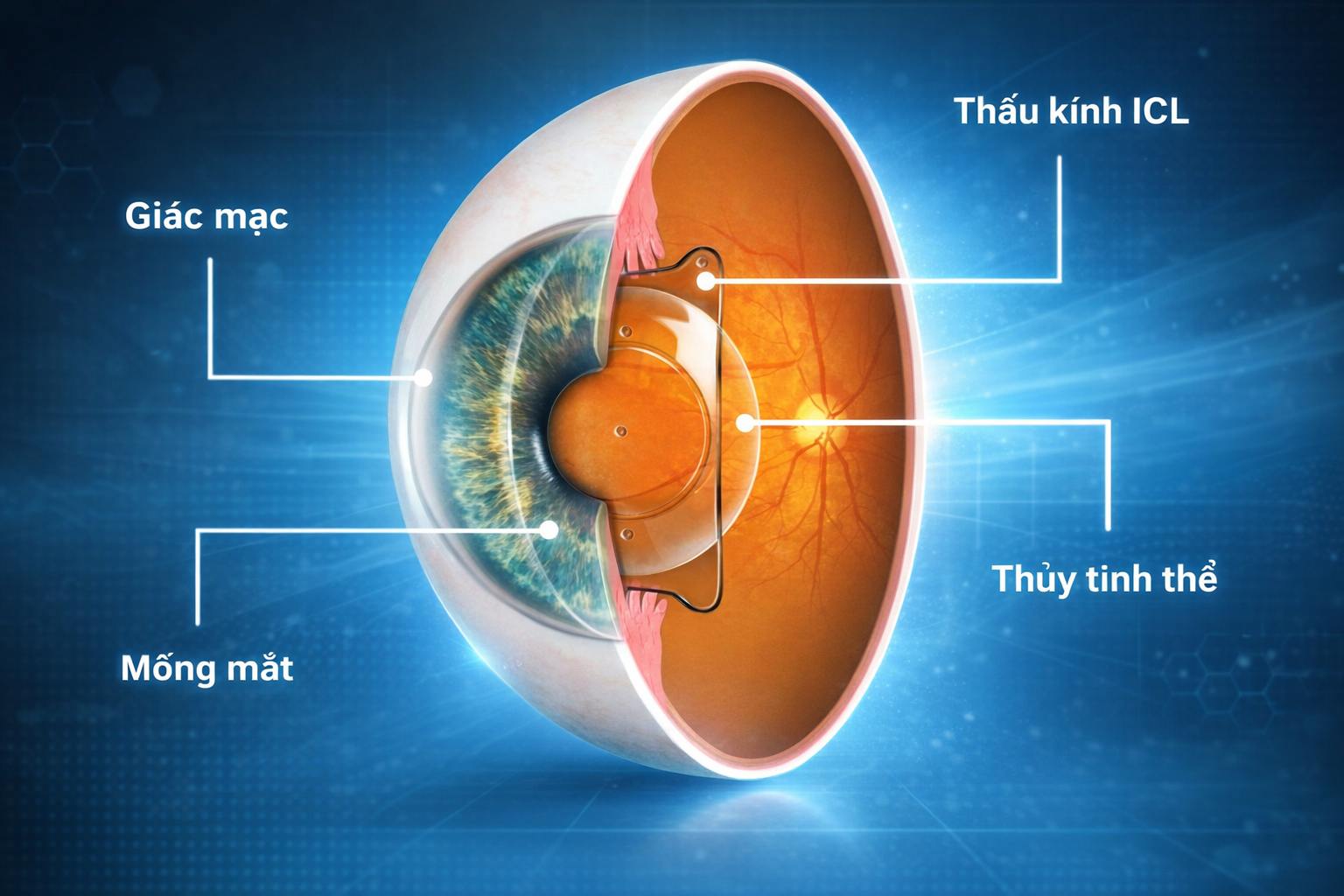
Phakic ICL is a type of intraocular lens implanted inside the eye, positioned behind the pupil and in front of the natural crystalline lens, with the purpose of refracting incoming light. Unlike LASIK, PRK, or SMILE, Phakic ICL does not remove corneal tissue; instead, it adds a refractive lens inside the eye to correct refractive errors.
This provides a major advantage by preserving corneal thickness, minimizing permanent anatomical changes to the cornea, and maintaining the eye’s natural structure.
Visual Outcomes After Phakic ICL
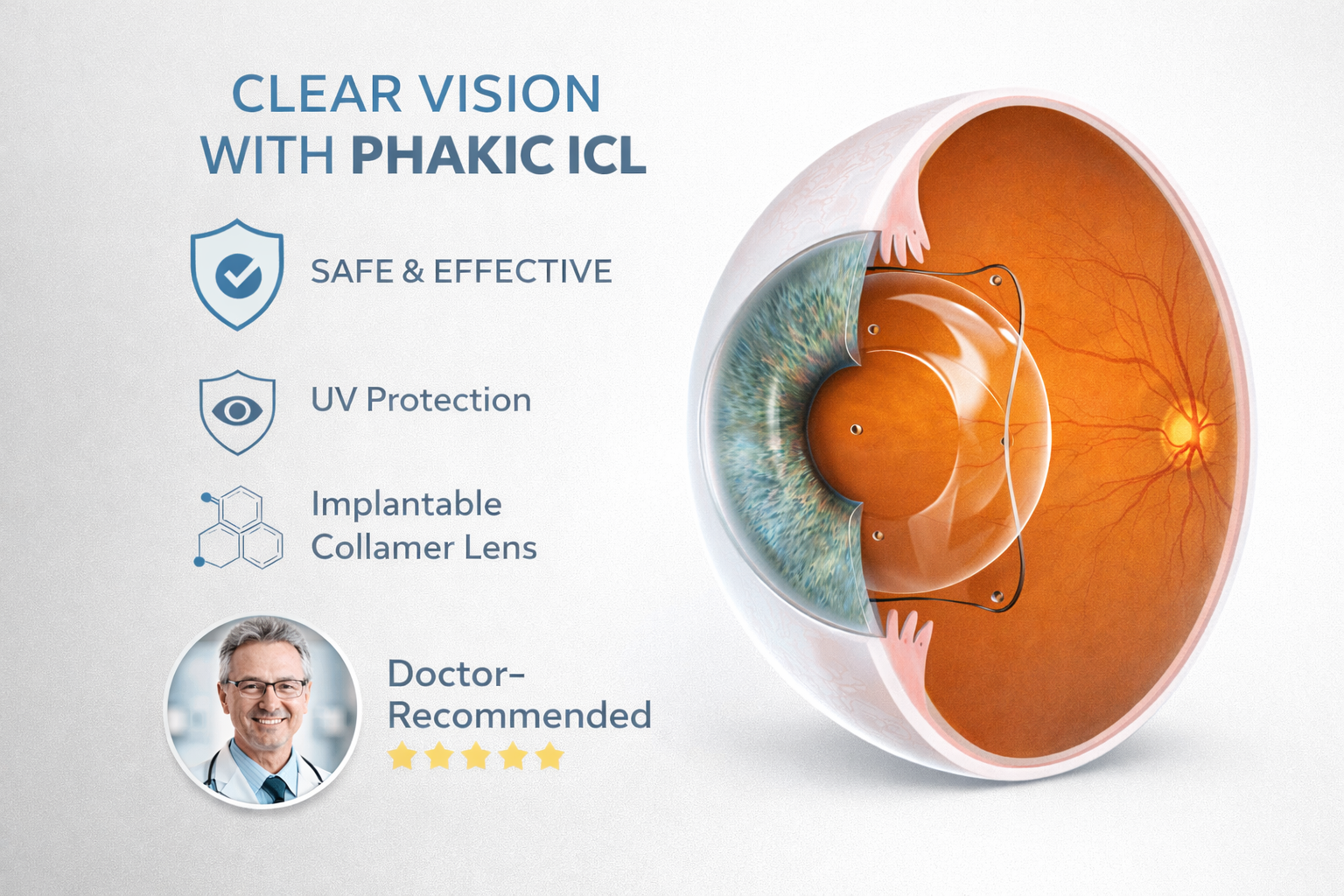
Visual effectiveness of Phakic ICL in treating myopia and astigmatism
1. Rapid Restoration of Clear Vision
One of the most clearly documented visual benefits after Phakic ICL is that most patients achieve visual acuity of 1.0 (20/20) or close to 1.0 immediately after surgery. Several studies report:
- More than 90% of patients with high myopia achieve visual acuity ranging from 20/20 to 20/25 after surgery.
- In cases of combined astigmatism, the rate of excellent visual outcomes remains very high, particularly when toric ICLs (astigmatism-correcting lens versions) are used.
This allows patients to quickly return to daily activities and work within just a few days, without requiring prolonged recovery time.
2. Long-Term Visual Stability
Unlike certain laser procedures that may cause slight changes over time due to alterations in the corneal surface, Phakic ICL maintains stable refractive correction for many years. Because the lens does not alter corneal structure and can be removed if necessary, postoperative vision is typically durable.
Many long-term follow-up studies over 5–10 years show that most patients maintain clear vision without significant refractive fluctuations.
3. Suitable for High Myopia and High Astigmatism
Phakic ICL is particularly effective for individuals with myopia ranging from -6.00 D to over -18.00 D and moderate to high astigmatism (when using toric versions). In these cases, laser procedures such as LASIK are not always safe because corneal tissue may become excessively thin. Phakic ICL offers a safer visual correction option for these patient groups.
Benefits Compared with Other Methods

Benefits of Phakic ICL compared with other methods
| Criteria | Phakic ICL | LASIK / SMILE |
|---|---|---|
| Rapid visual recovery | ✔️ very fast | ✔️ fast |
| Long-term stability | ✔️ high | ⚠️ possible minor changes |
| Suitable for high myopia | ✔️ excellent | ⚠️ limited |
| Preserves corneal structure | ✔️ | ❌ reduces corneal thickness |
| Lens removability/replacement | ✔️ | ❌ irreversible |
The table above provides an overall comparison of Phakic ICL versus common laser refractive procedures.
Beyond numerical visual acuity results, many patients after Phakic ICL report experiencing:
- Sharper night vision with reduced glare compared to before.
- Reduced dependence on eyeglasses in daily life and at work.
- Greater ocular comfort compared with long-term eyeglass wearers.
- Less dry eye compared with laser surgery that involves corneal tissue removal.
These improvements go beyond vision alone and significantly enhance quality of life, helping patients feel more confident in sports and social activities.
Factors Affecting Visual Outcomes

Factors affecting visual outcomes after Phakic ICL
Although Phakic ICL delivers excellent results, several factors influence overall outcomes, including:
- Initial degree of myopia/astigmatism: Studies show that higher refractive errors may lead to varying degrees of optimal vision, but most patients still achieve very good outcomes with proper technique.
- Anterior chamber depth: This is the distance between the cornea and the crystalline lens. If too shallow, careful evaluation is required to avoid lens contact.
- Appropriate lens selection: Such as toric lenses for astigmatism correction.
- Surgical technique and experience: Procedures performed by experienced surgeons at reputable centers help minimize risks and maximize outcomes.
One of the reasons Phakic ICL is highly regarded is its low complication rate when performed according to proper protocols. Complications such as elevated intraocular pressure or cataract-related visual blur are rare and usually manageable when detected early.
High visual effectiveness combined with strong safety standards at reputable centers explains why more patients are choosing this method.
Who Is an Ideal Candidate for Phakic ICL?
Phakic ICL is commonly suitable for:
- Individuals with moderate to high myopia who do not wish to undergo or are not eligible for laser surgery.
- Those with significant astigmatism, especially when laser correction is less effective.
- Patients with thin corneas who are not candidates for LASIK.
- Individuals seeking rapid visual clarity and early recovery.
- Athletes or highly active individuals who prefer freedom from glasses.
The visual effectiveness of Phakic ICL in treating myopia and astigmatism has been confirmed through extensive research and real-world experience: fast visual recovery, stable clarity, suitability for high refractive errors, and minimal alteration of corneal structure. This method offers a safe, effective, and flexible option for those seeking rapid visual improvement while preserving the eye’s natural anatomy.
If you are looking for a long-term solution for myopia or astigmatism, particularly when conventional laser procedures are not suitable, Phakic ICL deserves careful consideration in consultation with an experienced ophthalmologist.

 01/02/2026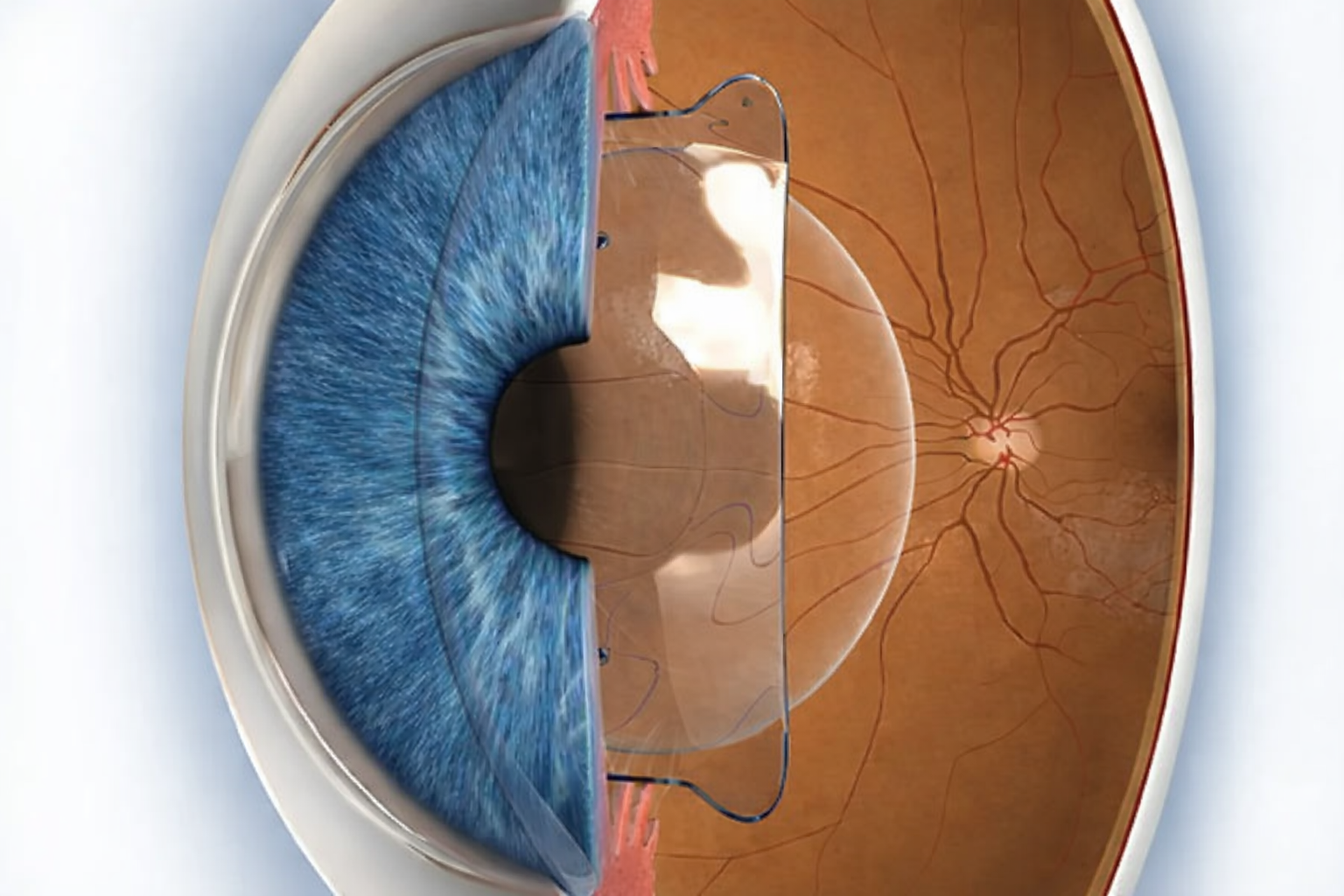











 0916.741.763
 Appointment