

 vi
vi 14-Jan-2026
 32,680
 What Is Myopia?

The role of dopamine in myopia development
Myopia is one of the most common refractive errors today, affecting billions of people worldwide. Beyond making distance vision unclear, myopia tends to progress rapidly in children and adolescents, leading to many long-term risks to eye health. As the prevalence of myopia continues to rise, scientists have been increasingly focused on exploring the biological mechanisms underlying its development.
Among the factors of interest, a neurotransmitter well known for its role in the brain’s reward system has emerged as a key regulator of eye development. Recent findings indicate that dopamine is not only associated with emotions and behavior, but also plays a crucial role in controlling axial eye growth and the risk of myopia.
What Is Dopamine and Why Is It Related to Vision?
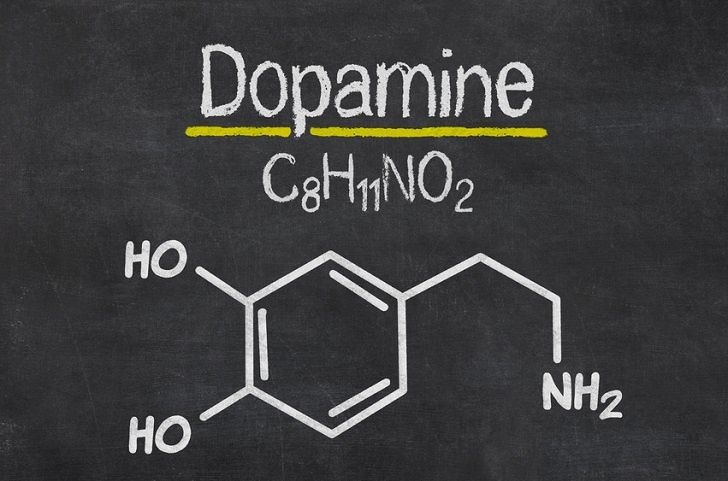
What is dopamine and why is it related to vision?
Dopamine is an important neurotransmitter in the body, involved in many physiological processes such as movement, emotion, motivation, and learning. However, few people realize that dopamine is also present in high concentrations in the retina, the light-sensitive neural tissue located at the back of the eye.
In the retina, dopamine acts as a “light modulator,” helping the eyes adapt to changes between bright and dark environments. It plays a role in regulating:
- The function of photoreceptor cells
- Visual signal transmission
- Pupil constriction and dilation reflexes
- Coordination of eye movements
More importantly, dopamine serves as a biological signal that controls axial eye growth, a core factor determining the development of myopia.
The Link Between Dopamine and the Onset of Myopia
Numerous experimental studies in animals and clinical observations in humans have shown that low dopamine levels in the retina are closely associated with myopia development. When dopamine is adequately released, it helps “inhibit” excessive elongation of the eyeball. Conversely, when dopamine signaling is reduced, the eye tends to elongate more rapidly, causing images to focus in front of the retina and resulting in myopia.
Dopamine influences this process through specific dopamine receptors in the retina, thereby affecting the signaling pathways that regulate eye growth. This mechanism demonstrates that myopia is not merely an optical issue, but the result of a complex biological process involving the nervous system.
The “Dopamine Deficiency” Hypothesis in Myopia

The “dopamine deficiency” hypothesis in myopia
Based on this evidence, scientists have proposed the dopamine deficiency hypothesis to explain the increasing prevalence of myopia, particularly among modern children.
According to this hypothesis, prolonged near-vision activities such as reading, intensive studying, or continuous use of electronic devices may reduce dopamine release in the retina. When the eyes remain focused at close distances for extended periods, the biological regulatory system becomes imbalanced, leading to excessive axial growth of the eyeball.
As a result, myopia may appear earlier, progress more rapidly, and become more difficult to control without timely intervention.
The Role of Natural Light and Outdoor Activities
One of the most important findings related to dopamine and myopia is the protective effect of outdoor activities. Many epidemiological studies have shown that children who spend more time outdoors have a significantly lower risk of developing myopia compared to those who primarily study and play indoors.
Natural light, especially high-intensity outdoor light, stimulates the retina to release dopamine more strongly than artificial indoor lighting. This increase in dopamine is believed to help:
- Stabilize eye growth regulatory signals
- Reduce the tendency for axial eye elongation
- Limit the onset and progression of myopia
Although the detailed mechanisms are still under investigation, the relationship between dopamine, natural light, and myopia control is becoming increasingly clear and highly practical.
Dopamine in Myopia Control
Rather than focusing solely on optical correction or refractive interventions, modern strategies increasingly emphasize biological and environmental factors, including:
- Encouraging children to spend more time outdoors
- Balancing near work with adequate visual breaks
- Optimizing lighting conditions for studying
- Researching biological modulation methods related to dopamine
These approaches demonstrate that effective myopia control requires a comprehensive strategy, one that not only corrects visual errors but also targets the underlying mechanisms of eye development.
The role of dopamine in myopia development has helped clarify a crucial part of the biological mechanisms regulating axial eye growth. Although further research is needed to fully understand this relationship, current evidence suggests that dopamine is an indispensable link in the modern myopia narrative.

 03/03/2026












 0916.741.763
 Appointment