

 vi
vi 10-Mar-2026
 380
380 What Is Phakic Surgery and How Does It Work?

Advantages of Phakic ICL surgery
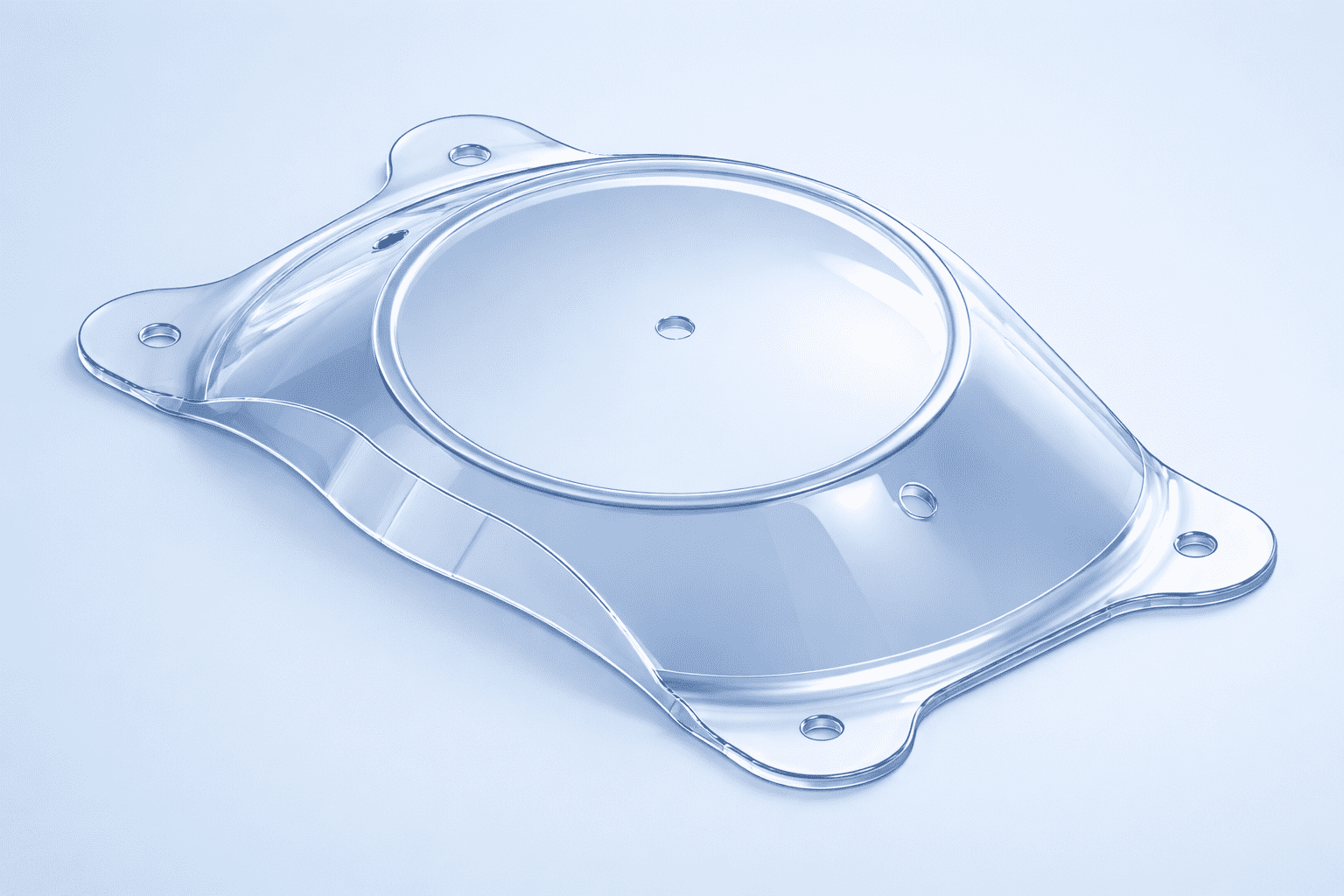
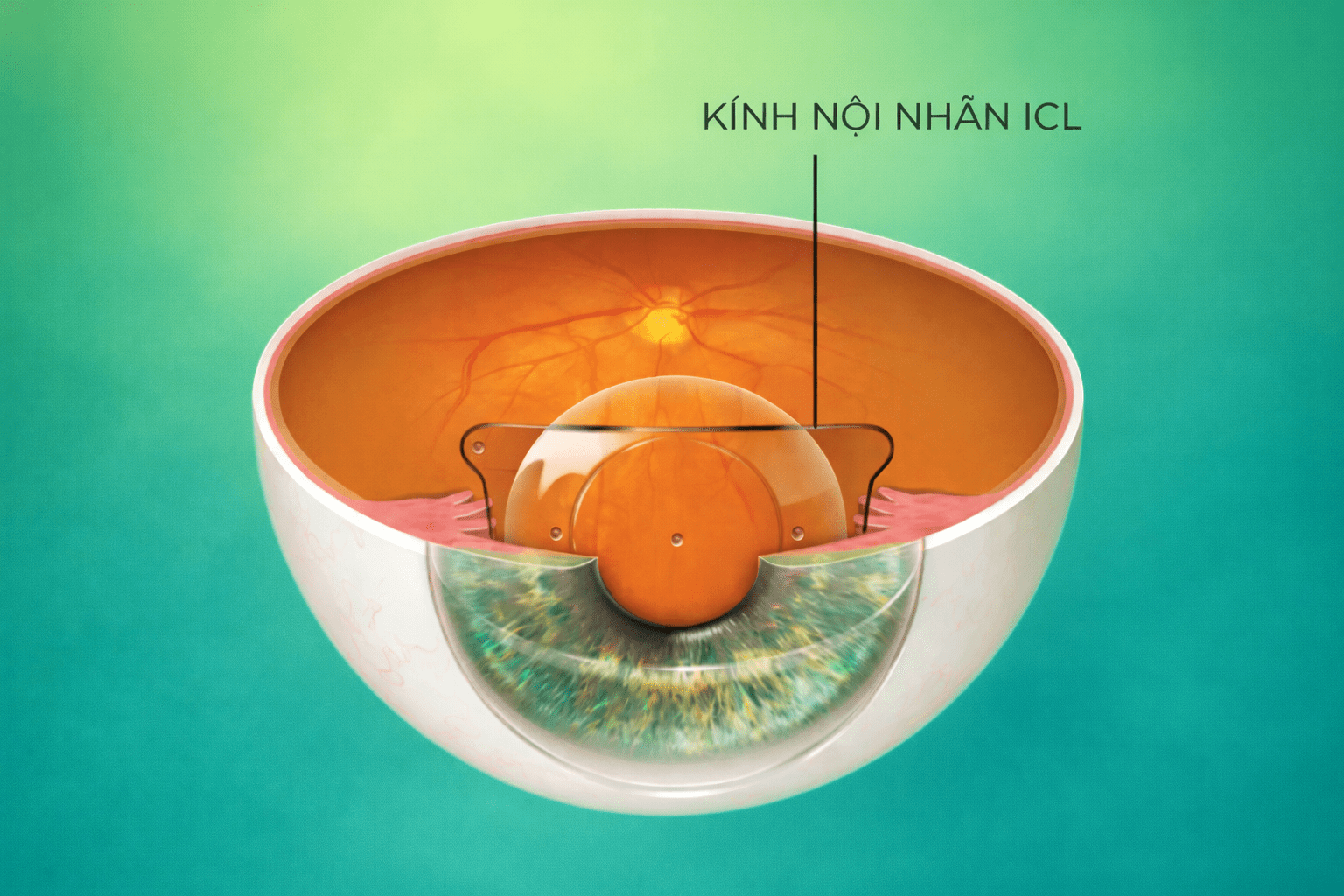
Phakic ICL is a refractive error correction method that involves implanting a special intraocular lens inside the eye while preserving the eye’s natural crystalline lens. This lens is placed behind the iris and in front of the natural lens of the eye. When light enters the eye, the Phakic lens adjusts the path of light rays so that they focus precisely on the retina, thereby improving vision for people with myopia, hyperopia, or astigmatism.
A key characteristic of Phakic is the use of an intraocular lens placed inside the eye to correct optical focusing. The lens functions similarly to eyeglasses or contact lenses but remains fixed inside the eye, allowing light to focus at the correct point on the retina and produce a clear image. To achieve optimal results, patients must undergo a strict examination and surgical process. Each step of the process aims to accurately evaluate the eye’s structure and ensure that the lens is positioned safely and precisely.
This method has a wide range of refractive correction. Many studies show that Phakic can treat myopia from approximately −3 to −20 diopters and astigmatism from 1 to 4 diopters, helping improve vision in many cases that are difficult to treat with laser surgery. Because it does not directly affect the cornea, this method is often considered suitable for individuals with thin corneas or those at risk of developing dry eye after surgery.
Why Is a Comprehensive Eye Examination Before Phakic Surgery Important?

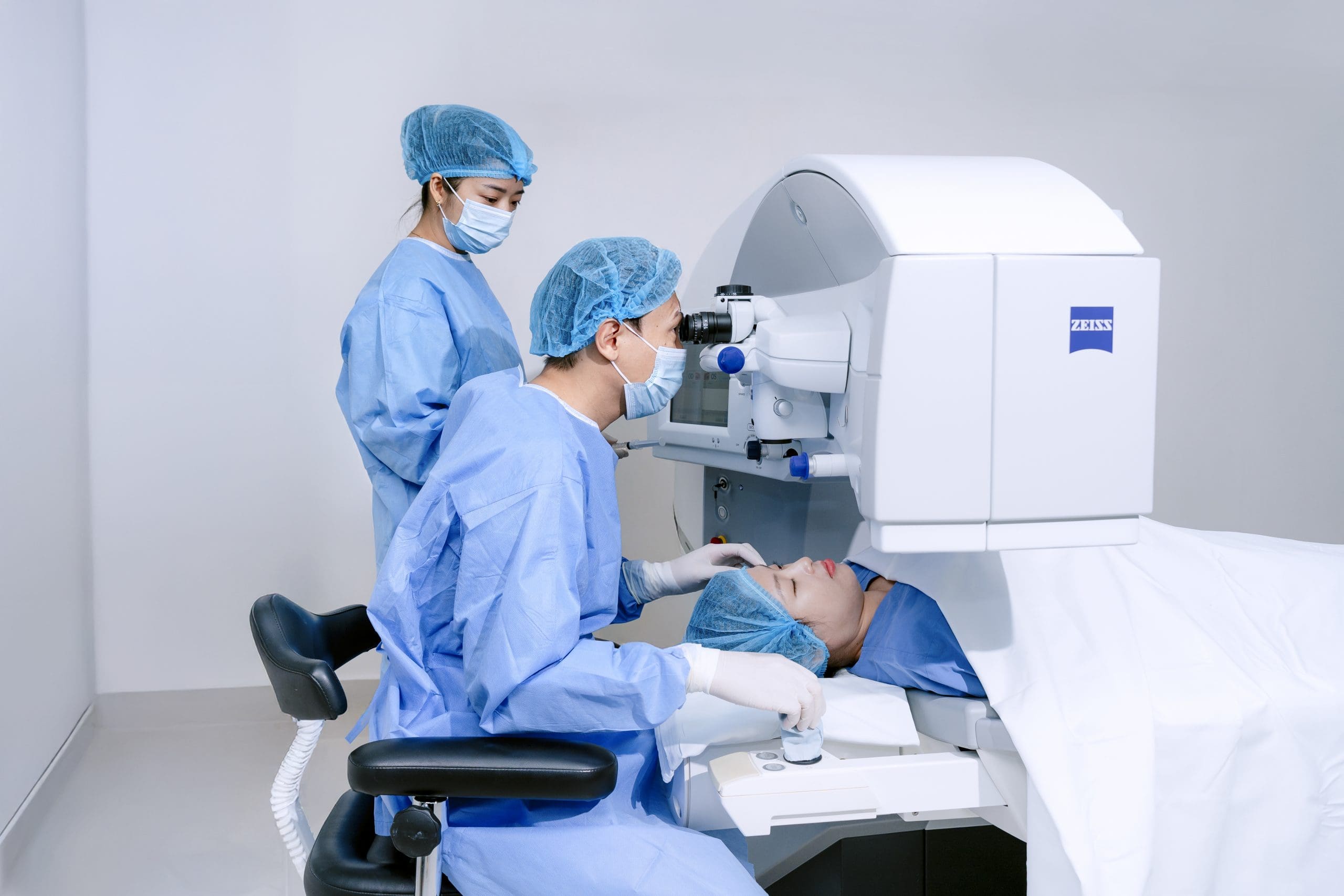
Experienced ophthalmologists performing Phakic ICL at Saigon Eye Hospital
Before performing Phakic surgery, doctors need to evaluate many parameters of the eye. Unlike a routine eye test for eyeglasses, the preoperative examination analyzes the entire structure of the eyeball to ensure the lens can be safely implanted inside the eye.
One important factor in the evaluation is the anterior chamber depth, which is the distance from the cornea to the crystalline lens. If this distance is insufficient, implanting the lens may affect other structures inside the eye.
In addition, the density of corneal endothelial cells must also be carefully examined. These cells are responsible for maintaining corneal clarity. If the density is too low, the risk of corneal damage after surgery increases.
Therefore, a comprehensive examination before Phakic surgery not only helps determine whether the patient is suitable for this method but also helps doctors choose the correct type and size of lens for each eye.
Steps in the Comprehensive Eye Examination Before Phakic Surgery

Steps in the comprehensive examination before Phakic surgery
The preoperative examination usually takes about 1.5 to 2 hours because many ophthalmic tests need to be performed. These tests help create a “detailed map” of each patient’s eye structure.
First, the doctor measures refractive error to determine the exact level of myopia, hyperopia, or astigmatism. This is a basic but very important step for calculating the appropriate power of the Phakic lens.
Next, the patient undergoes corneal topography. This technology allows doctors to analyze the shape and curvature of the cornea and detect abnormalities such as early keratoconus. Another important step is measuring anterior segment biometry. The results help determine the anterior chamber depth and other parameters needed to select the appropriate lens size.
In addition, doctors perform endothelial cell counting to evaluate the health of the corneal endothelial layer. Because endothelial cells cannot regenerate, monitoring their density is essential to ensure long-term safety. Other examinations may include OCT imaging, anterior chamber angle assessment, peripheral retinal examination, or ocular ultrasound. These tests help detect potential eye diseases before surgery.
After completing the examinations, the doctor will review the results and advise the patient on the feasibility of Phakic surgery.
Lens Ordering and Preparation Before Surgery
If the examination results show that the eyes are suitable for the Phakic method, the next step is ordering a lens based on each patient’s specific measurements.
Unlike eyeglasses that are mass-produced, Phakic lenses are typically designed according to the measurements obtained from each individual’s eyes. This allows the lens to fit properly and function optimally once implanted. The manufacturing and shipping process may take several weeks. During this period, patients will receive instructions on how to prepare for surgery, including eye care and following the doctor’s recommendations.
How Is the Phakic Surgery Procedure Performed?
Phakic surgery is a relatively quick ophthalmic procedure. The entire process usually takes about 20 to 30 minutes for each eye.
Before starting the procedure, the doctor will apply anesthetic eye drops to numb the surface of the eye. As a result, patients generally do not feel pain during the surgery.
Once the eye is numb, the doctor creates a very small incision at the edge of the cornea. This incision is just large enough to insert the lens into the eye.
The Phakic lens is folded so it can pass through the small incision. Once inside the eye, the lens unfolds and is gently adjusted to rest in the correct position behind the iris. After the lens is stabilized, the doctor checks its position and completes the surgery. Because the incision is very small, stitches are usually not required.
Many patients notice a fairly rapid improvement in vision after surgery and can return home on the same day.
What Should Be Noted After Phakic Surgery?
After surgery, patients will be instructed to use eye drops to prevent inflammation and infection. Follow-up visits according to the doctor’s schedule are also very important to monitor the stability of the implanted lens and the overall health of the eye.
During the first few days, patients should avoid rubbing their eyes, limit strenuous activities, and protect their eyes from dust or contaminated water. Most patients can return to normal activities relatively quickly, although full visual stabilization may take several weeks.
Phakic surgery is a modern refractive correction solution for cases that are not suitable for laser procedures. However, to ensure safety and effectiveness, patients must undergo a thorough examination and careful evaluation before surgery.
Understanding the examination and surgical process of Phakic can help patients prepare mentally and gain a clearer view of the treatment steps. If you are considering this method, you should visit a reputable ophthalmology center for a comprehensive eye examination and professional consultation before making a decision.

.svg) Hotline
Hotline Appointment
 https://matsaigoncantho.com/
 717 Đường 3/2, P. An Bình, Q. Ninh Kiều, Can Tho City
 Opening Hours
 06/03/2026




 0916.741.763