

 vi
vi 06-Mar-2026
 1,520
1,520 What is Phakic ICL?
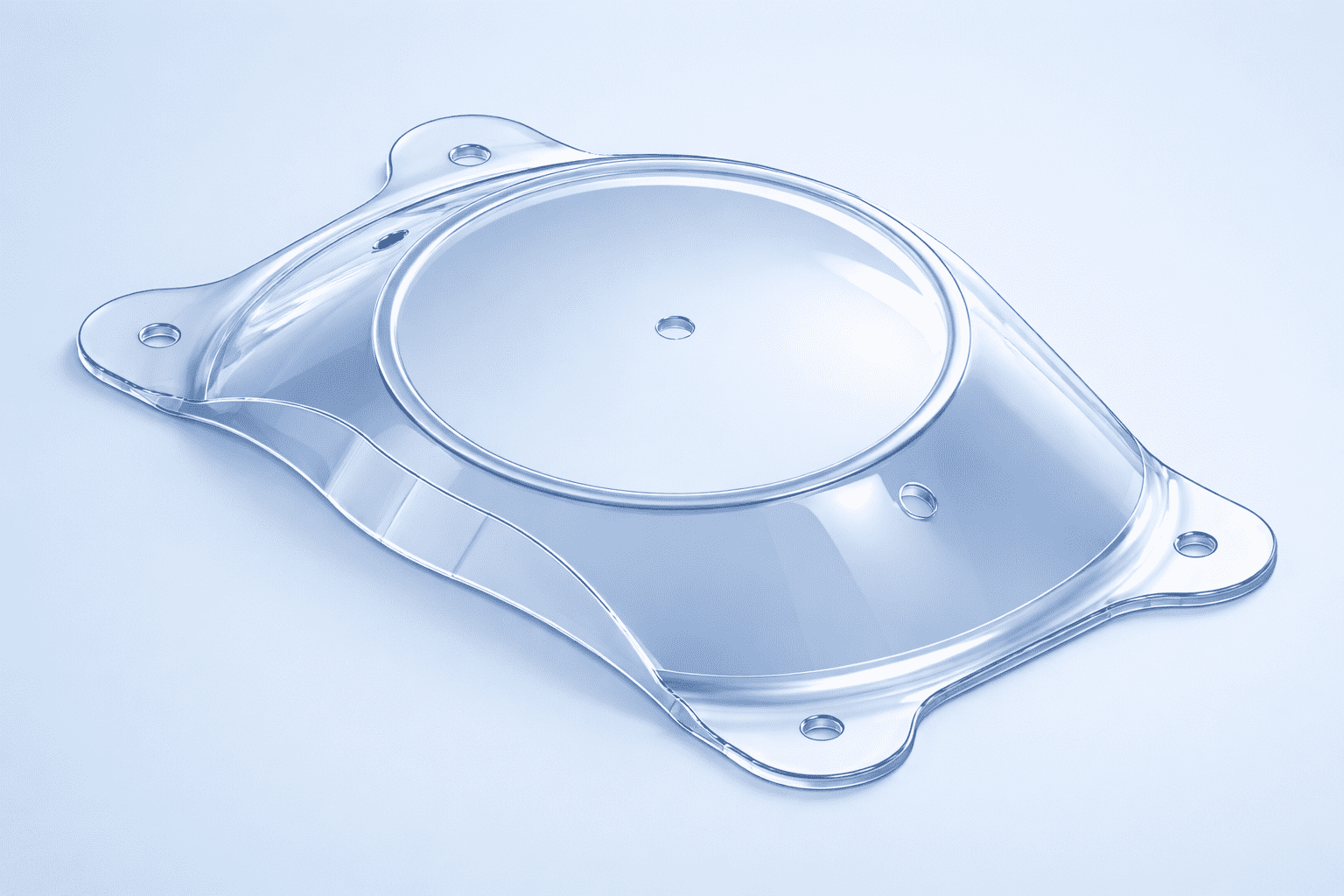
What is Phakic ICL and why are many people with myopia interested in it?
In recent years, Phakic ICL has become one of the modern vision correction methods that attracts significant attention, especially among people with high myopia or those who are not suitable candidates for laser eye surgery.
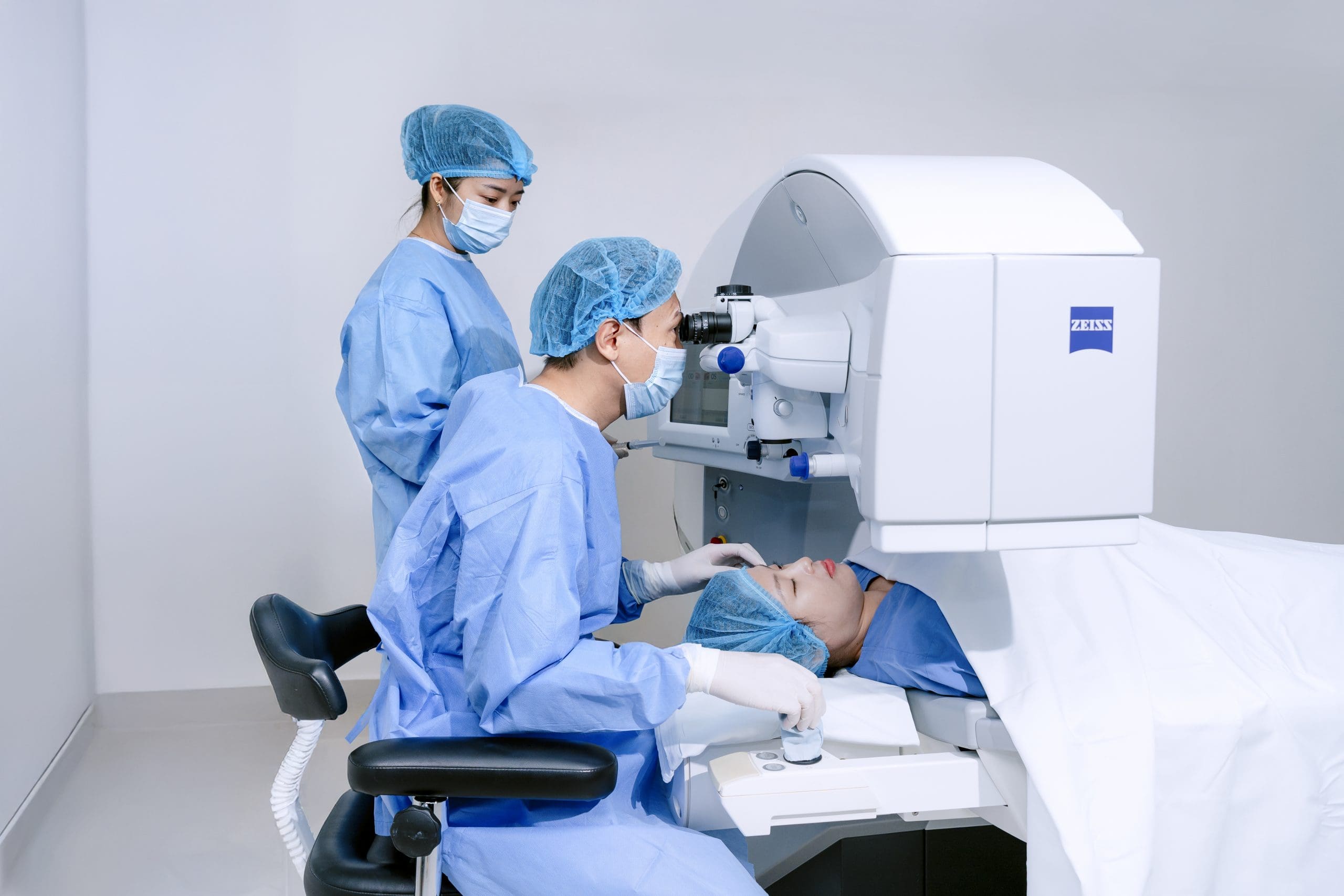
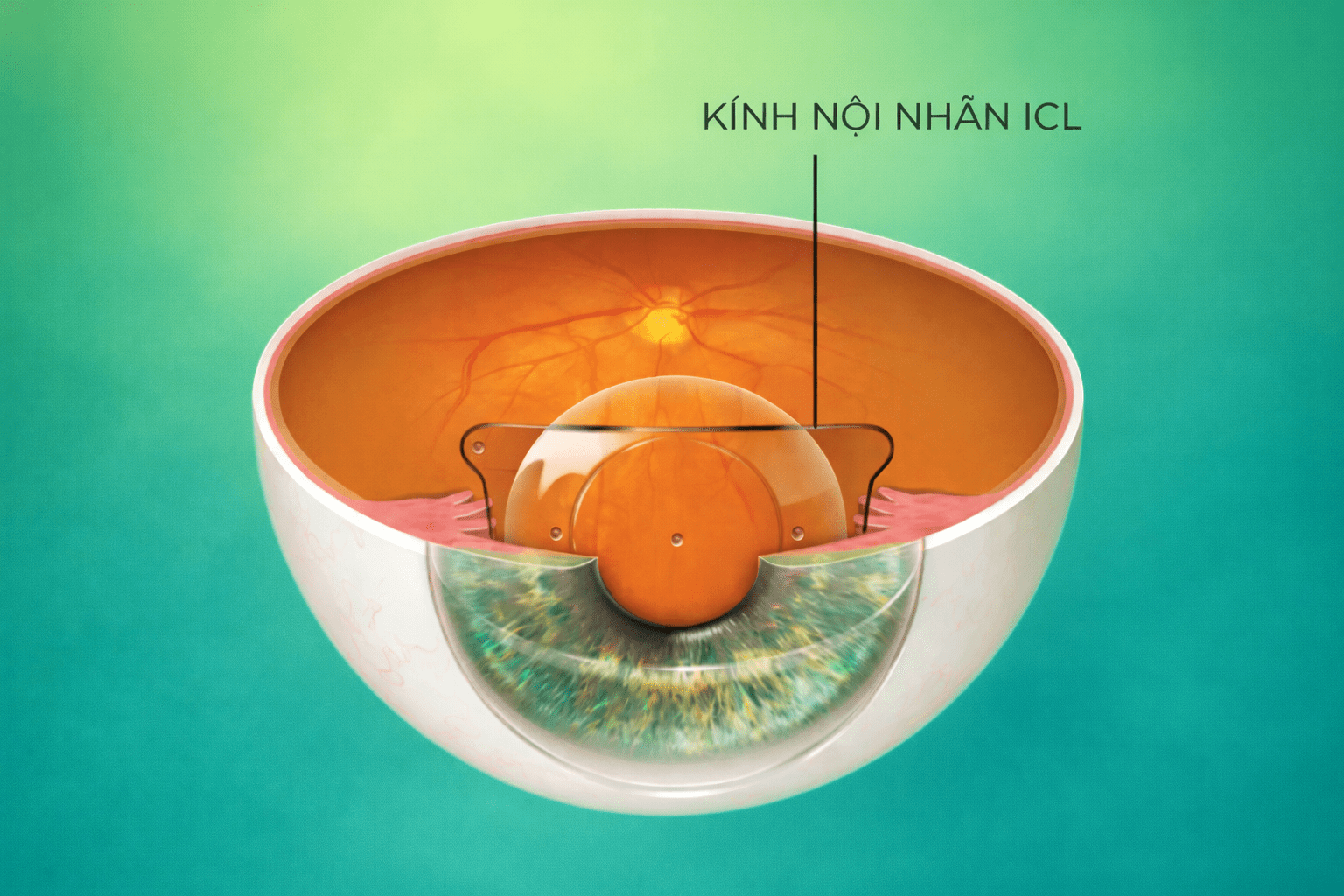
Phakic ICL (Implantable Collamer Lens) is an intraocular lens made from biocompatible Collamer material. The lens is placed inside the eye, positioned between the iris and the natural crystalline lens to help light focus accurately on the retina. As a result, vision can be significantly improved without the need for glasses or contact lenses.
Unlike laser procedures such as LASIK or PRK – which reshape the cornea – Phakic ICL works by adding an additional lens inside the eye, similar to inserting a supportive optical lens to correct vision. For this reason, the method is often considered for individuals with high myopia, thin corneas, or cases where laser procedures are not suitable.
What level of myopia is Phakic ICL typically used for?
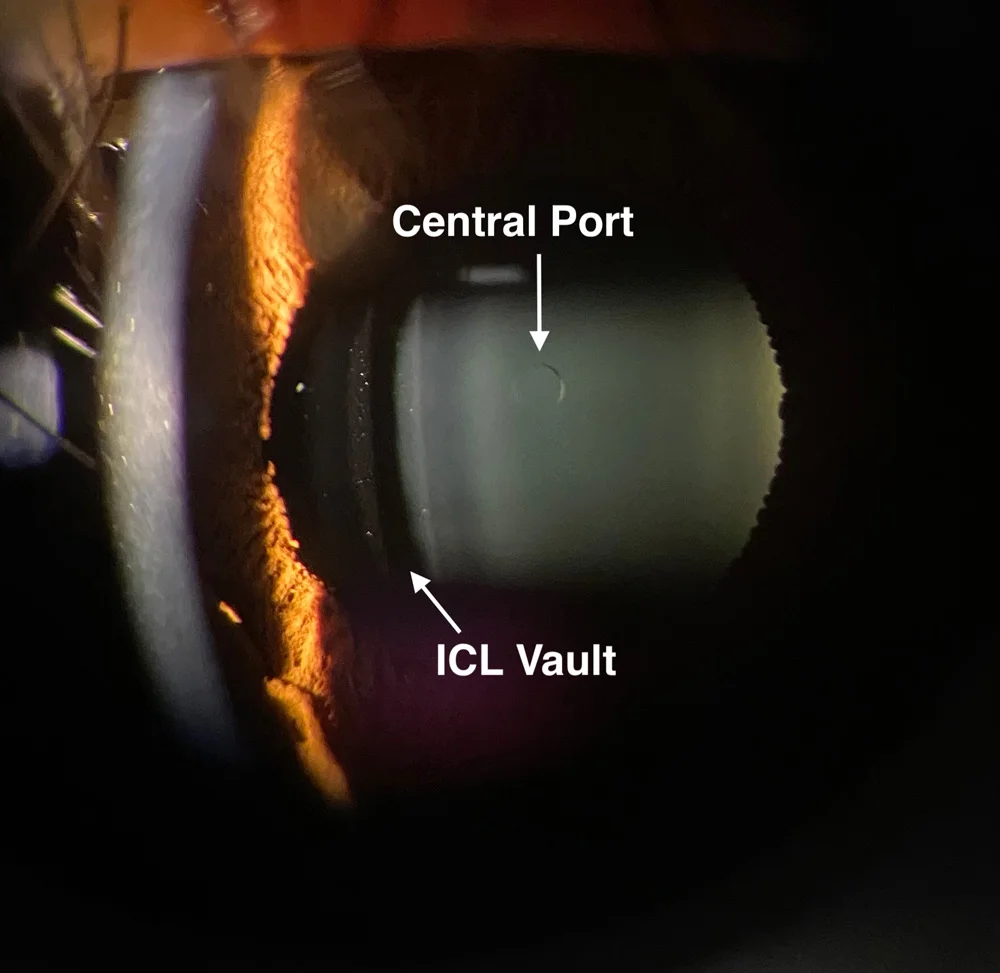
What level of myopia is Phakic ICL typically used for?
According to professional documentation from STAAR Surgical – the developer of the ICL lens – this method can correct myopia ranging from approximately -3.0 diopters to -20.0 diopters. However, in real clinical practice, Phakic ICL is most often considered for patients with moderate to very high myopia, particularly when laser-based procedures are no longer suitable.
In simple terms:
- Myopia from around -6 to -8 diopters: Phakic ICL may begin to be considered if the cornea is not suitable for laser procedures.
- Myopia from -8 to -15 diopters: this is the group most commonly recommended for the procedure.
- Myopia above -15 diopters: Phakic ICL can still significantly improve visual clarity.
For individuals with very high myopia, using laser to reshape the cornea may require removing a large amount of corneal tissue, which can reduce long-term safety. In such situations, Phakic ICL becomes a more suitable option because it does not alter the structure of the cornea.
Cases of astigmatism and hyperopia
In addition to correcting myopia, Phakic ICL can also help treat other refractive errors if they are compatible with the structure of the eye.
Specifically:
- Astigmatism: can typically be corrected from about 1.0 to 4.0 diopters using Toric ICL models.
- Myopia combined with astigmatism: this is one of the most common clinical cases.
- Certain cases of hyperopia: may be considered depending on professional evaluation.
Thanks to its ability to correct a wide range of refractive errors, Phakic ICL becomes a useful option for individuals with complex vision problems that are difficult to address with other treatments.
Why is Phakic ICL often recommended for high myopia?
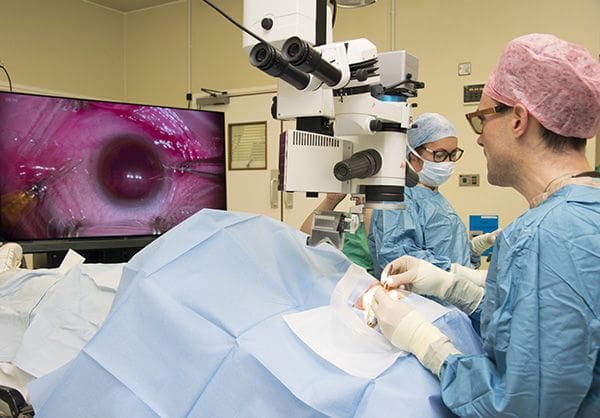
Why is Phakic ICL often recommended for high myopia?
There are several reasons why ophthalmologists frequently consider Phakic ICL for patients with high levels of myopia.
1. The cornea may not be suitable for laser surgery
To perform LASIK or other laser procedures, doctors must ensure that the cornea remains thick enough after the treatment.
For people with severe myopia, a significant amount of corneal tissue may need to be removed during laser correction. This could leave the cornea too thin after surgery and increase the risk of complications. In these situations, Phakic ICL can be a safer option because it does not interfere with the structure of the cornea.
2. Stable visual quality
Among patients with high myopia, Phakic ICL often provides sharp and stable visual quality because the lens directly adjusts how light focuses on the retina. Some studies also report that many patients achieve unaided vision that is equal to or even better than their previous vision with glasses or contact lenses.
3. Suitable for people prone to dry eyes
Laser vision correction procedures may affect corneal nerves and sometimes lead to dry eye symptoms after surgery. Phakic ICL, however, does not act on the cornea, which is why it is often considered a more suitable option for people who have a higher risk of dry eyes.
Besides myopia level, what other factors do doctors consider?
Many people assume that having a high level of myopia automatically makes them a candidate for Phakic ICL. In reality, refractive error is only one of several factors used in the evaluation process.
To determine whether the procedure is appropriate, doctors perform a detailed pre-operative examination, including:
- Measuring the anterior chamber depth of the eye (usually ≥ 3.0 mm)
- Checking corneal endothelial cell density
- Evaluating the stability of the refractive error
- Examining the retina and other eye conditions
In addition, patients usually need to meet some basic criteria such as:
- Age between 21 and 45
- Stable vision prescription for at least one year
- No serious eye diseases such as glaucoma or eye inflammation
These evaluations help ensure that Phakic ICL provides effective vision correction while maintaining long-term safety.
Does everyone with high myopia need Phakic ICL?
Although Phakic ICL is a modern technology, not everyone with high myopia necessarily needs or is suitable for this method. Some cases may not be recommended, for example:
- Very shallow anterior chamber
- Low endothelial cell density
- Pregnancy or breastfeeding
- Unstable refractive error
In addition, certain conditions such as glaucoma or cataracts must be carefully evaluated before making a surgical decision. For this reason, a comprehensive eye examination with an ophthalmologist is the most important step before choosing any vision correction method.
If you are considering Phakic ICL, the best approach is to undergo a detailed eye examination at a reputable ophthalmology clinic. An eye specialist will evaluate your eyes thoroughly to determine the most suitable treatment method and help you achieve clear, stable vision in the long term.

.svg) Hotline
Hotline Appointment
 https://www.benhvienmattaynguyen.vn/
 309 Ngo Quyen, Tan An, Buon Ma Thuot City, Dak Lak
 Opening Hours
 05/03/2026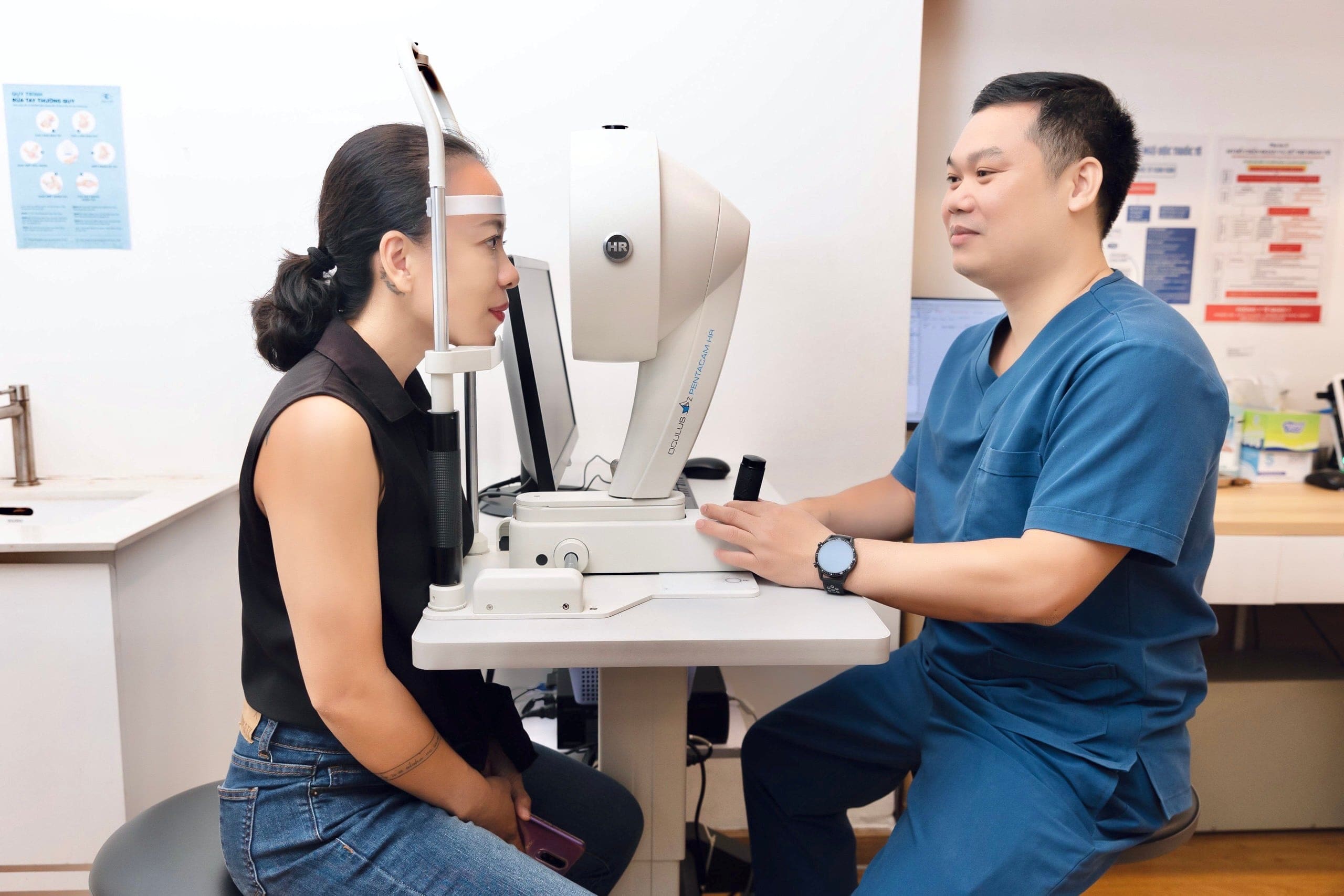




 0916.741.763