

 vi
vi 14-Feb-2026
 1,900
1,900 
Precautions after Phakic ICL myopia surgery
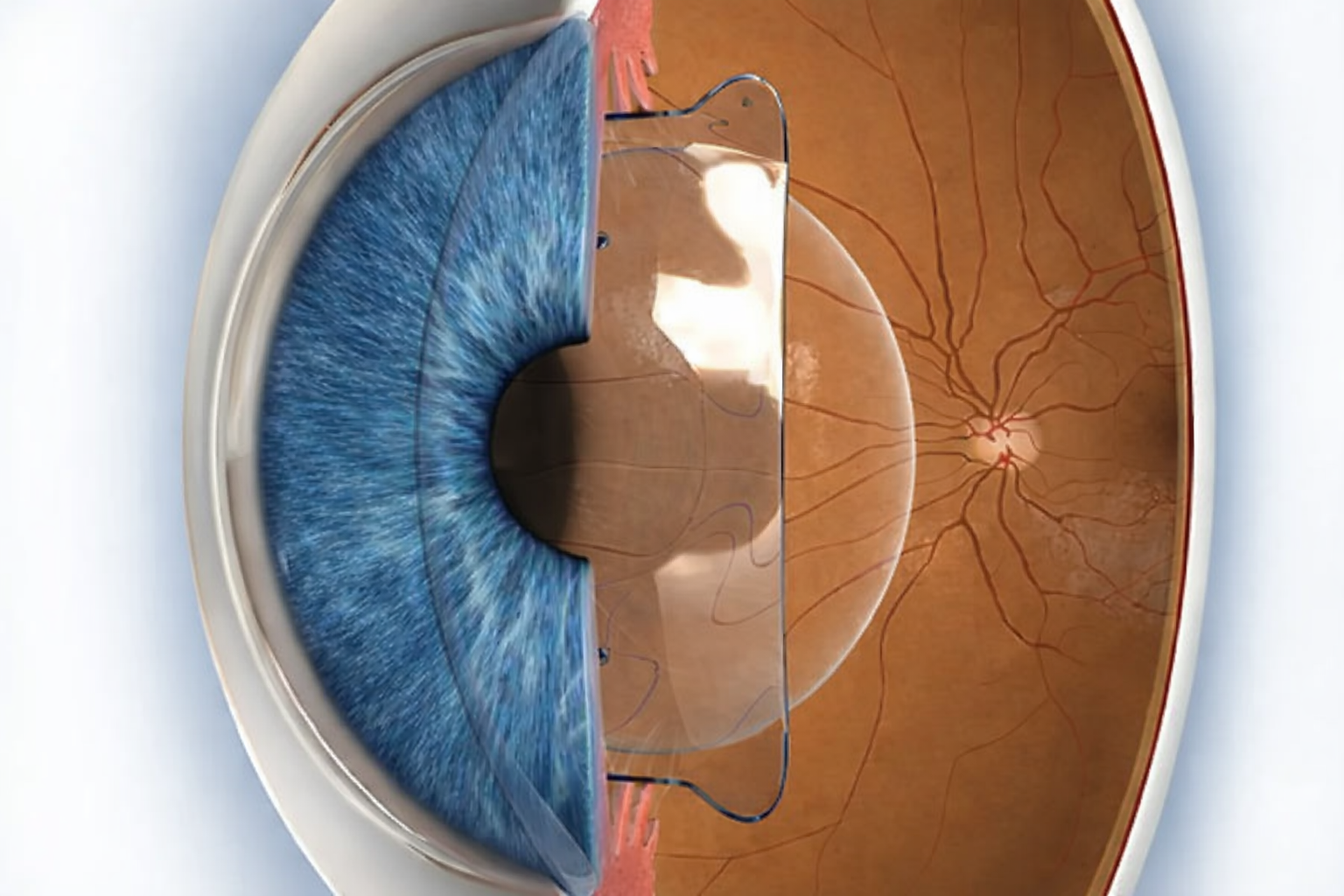
Because the lens is placed inside the eye, the recovery process must be carefully monitored. Proper postoperative care helps reduce the risk of inflammation, increased intraocular pressure, and other complications. Below are the precautions you should follow after Phakic ICL surgery.
Why precautions are necessary after eye surgery
After surgery, the surface of the eye remains sensitive. The corneal tissue or internal eye structures need time to stabilize. The eyes may feel dry, slightly irritated, or sensitive to light. If you are careless, the risk of infection and complications may increase.
Following the correct precautions helps reduce the risk of infection. It helps limit increased intraocular pressure. It helps maintain long-term visual stability.
Precautions during the first 1–3 days after surgery

Do not touch or rub your eyes after myopia surgery
This is the most critical period after surgery. The eyes need maximum rest to stabilize. Do not touch or rub the eye area, as pressure may affect the surgical outcome. When sleeping, use protective eyewear or a specialized eye shield to prevent accidental contact.
In daily activities, avoid letting water, soap, or shampoo enter the eyes. When washing your face, use a clean towel to wipe gently instead of splashing water directly.
Limit screen time on phones and computers. Avoid prolonged reading. Vision needs relaxation. Close your eyes and rest several times a day to reduce accommodative strain.
Stay away from dusty environments, cigarette smoke, and chemicals. Living spaces should be clean and well-ventilated to reduce the risk of irritation.
The body needs complete rest. Avoid strenuous activities. Do not bend your head down for extended periods. Adequate sleep each night supports smooth recovery.
Precautions during the first month
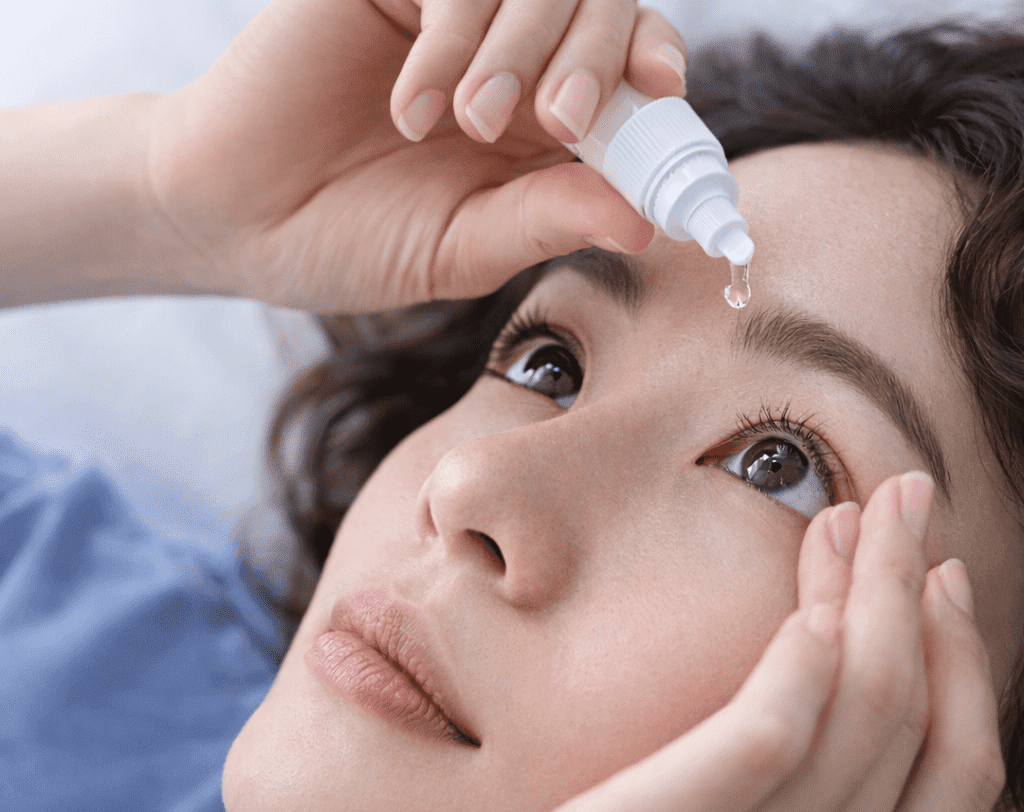
Use prescribed eye drops to maintain moisture after myopia surgery
After the first few days, vision gradually stabilizes, but the first month remains very important. You need to maintain strict precautions to protect the surgical results.
Do not apply makeup around the eyes. Avoid mascara, eyeliner, and eye shadow, as cosmetics may cause irritation and increase the risk of infection. Avoid swimming, sauna sessions, and hot springs. Water sources and humid heat environments may contain bacteria and are not suitable while the eyes are healing.
Limit contact sports. Avoid soccer, basketball, or activities with a high risk of impact. Do not lift heavy objects, as increased physical pressure may affect the eye area.
Regarding diet, avoid spicy and greasy foods. Limit processed foods and high-salt meals. Balanced nutrition supports tissue healing. Do not consume alcohol. Reduce strong coffee and strong tea. Stimulants may cause dryness and affect recovery. Limit sugary foods, as high sugar intake is not beneficial for tissue regeneration and visual stability.
Precautions for 3–6 months depending on individual condition
Some activities should be avoided for a longer period. The time to return to normal routines depends on individual healing and professional evaluation.
Avoid high-intensity sports. Stay away from activities with a risk of strong impact to the head and face. Sports such as soccer or martial arts may cause injury and affect internal eye structures.
Attend follow-up visits as scheduled. The doctor will assess recovery and monitor necessary indicators. Care instructions may be adjusted based on each individual’s condition.
What to do for better recovery
Use prescribed eye drops exactly as directed. Do not stop medication without medical advice. Do not purchase additional eye drops to replace the prescribed ones.
Pay attention to nutrition. Prioritize protein-rich foods, green vegetables, and fresh fruits. You may include carrots, salmon, and berries in your diet. Proper nutrition supports tissue regeneration and visual recovery.
Maintain a balanced routine. Get enough sleep every day. After working at near distances, look into the distance for a few minutes to reduce accommodative strain.
Wear sunglasses when going outside in bright sunlight. Sunglasses help block UV rays and reduce dust exposure.
Warning signs that require immediate medical attention
Monitor any unusual symptoms after surgery. Do not ignore changes.
If significant redness occurs, contact a medical facility. If pain becomes severe or persistent, seek immediate evaluation. If there is discharge, sudden blurred vision, or noticeable vision decrease, schedule an urgent examination. Severe glare or extreme light sensitivity should also be assessed promptly.
Mild symptoms such as slight irritation or dryness may occur during early recovery. Serious signs should not be overlooked to prevent long-term impact on vision.
Following instructions helps protect long-term results
Eye surgery provides an opportunity to improve quality of life. Long-term outcomes depend greatly on postoperative care. Each stage must be followed carefully. Living spaces should remain clean. Nutrition should be balanced. Adequate rest must be ensured.
The eyes need proper protection. Postoperative care is not complicated. By following professional instructions, you can confidently enjoy clear and stable vision for years to come.

 13/02/2026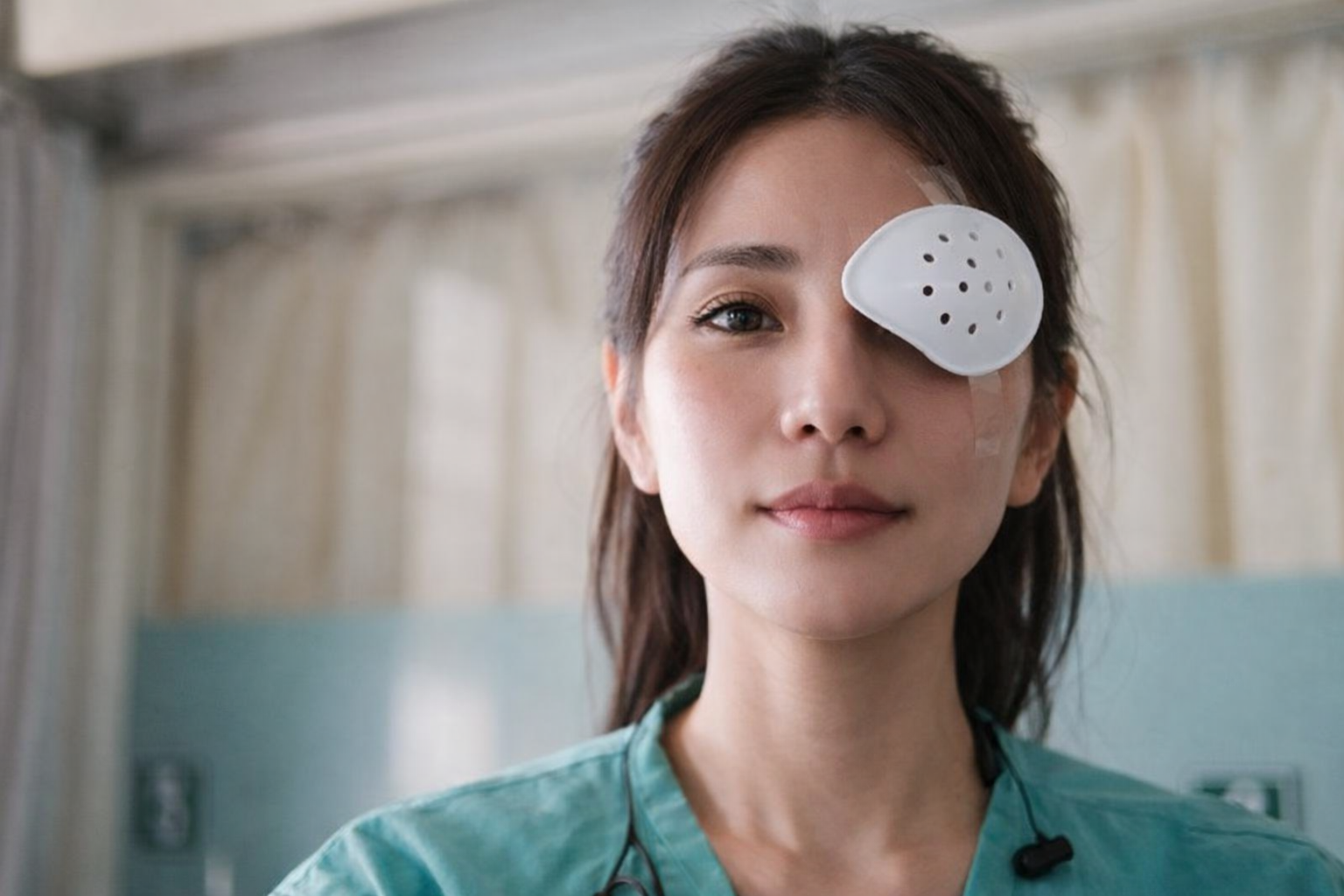












 0916.741.763
 Appointment