

 vi
vi 08-Jan-2026
 22,610
 What is Phakic ICL surgery?
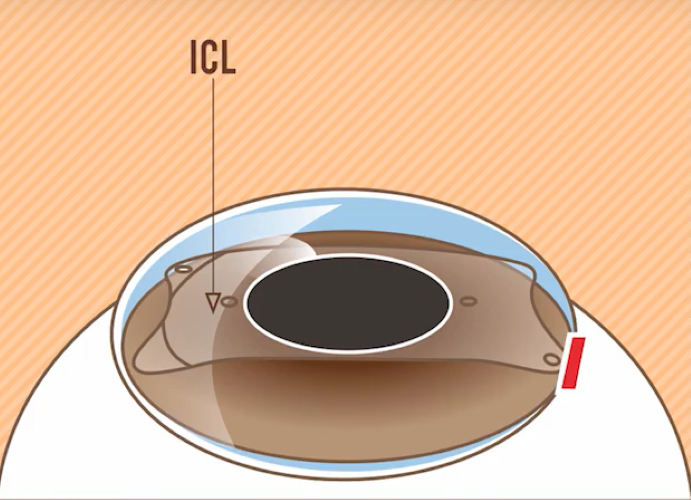
What is Phakic ICL surgery?
Phakic ICL surgery is increasingly chosen by patients with high myopia, significant astigmatism, or thin corneas as a safe and long-term vision correction solution. However, unlike LASIK or SMILE, treatment with Phakic ICL is not limited to the day of surgery alone but also includes a waiting period for a custom-designed intraocular lens. This is why many people wonder how long Phakic ICL surgery takes and whether it significantly affects work and daily life.
The article below will help you clearly understand the entire treatment journey, from the initial consultation and lens waiting period to Phakic ICL surgery and postoperative recovery, allowing you to better plan your time.
Consultation process
The first step is to schedule a consultation with one of the Optometrists. During this appointment, the patient will undergo multiple advanced tests and imaging examinations to comprehensively assess eye health and individual visual needs. After reviewing the test results, the doctor will discuss suitable surgical options and advise on the patient’s eligibility for each method. This consultation may last up to 2.5 hours.
Note: Pupils will be dilated during the examination, so patients should not drive for the remainder of the day. In addition, contact lenses must be discontinued before the consultation: at least 2 days for soft contact lenses and 3 weeks for hard contact lenses, as contact lenses can alter the natural shape of the cornea and affect assessment accuracy.
If the examination results indicate that ICL is the most suitable option, the patient will be scheduled for a specialized ultrasound on another day, using the ICL system to measure lens size with high precision.
How long is the waiting time for Phakic ICL lenses?
How long is the waiting time for Phakic ICL lenses?
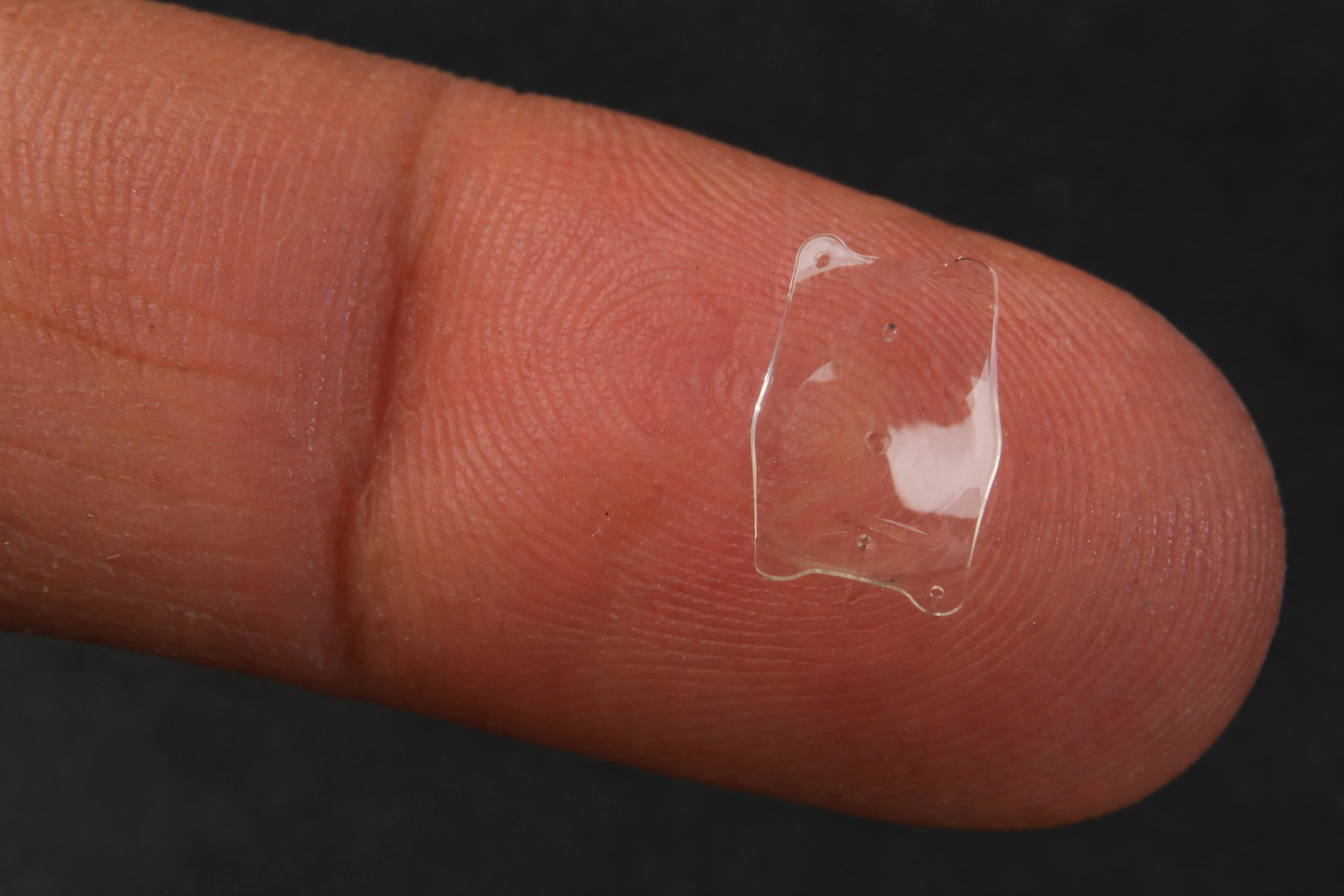
The biggest difference between Phakic ICL surgery and laser vision correction procedures is the waiting time for the intraocular lens. Phakic ICL surgery does not use lasers to reshape the cornea but instead implants a thin, soft, transparent intraocular lens inside the eye. This lens is not mass-produced and must be custom-designed for each individual.
After comprehensive examinations, the doctor measures a series of critical parameters such as myopia, astigmatism, anterior chamber depth, corneal diameter, axial length, and endothelial cell density. These data are sent directly to the manufacturer to create the Phakic ICL lens best suited to your eye structure.
Typically, the waiting time for Phakic ICL lenses ranges from 2 to 4 weeks. This timeframe may vary depending on refractive error, design complexity, and import procedures. For patients with very high myopia or complex astigmatism, the design and quality control process may require additional time.
Some large centers may be able to shorten the waiting time for common refractive ranges. However, this does not apply to most patients, especially those with unique eye anatomy. While waiting for the lens requires patience, it plays a crucial role in the safety and accuracy of Phakic ICL surgery.
How long does Phakic ICL surgery take?

Phakic ICL surgery takes approximately 15–30 minutes per eye
Once the intraocular lens has been manufactured and delivered to Vietnam, the patient will be scheduled for Phakic ICL surgery at a specialized hospital or eye center. In reality, the procedure is much quicker and gentler than many people expect.
Typically, Phakic ICL surgery takes only about 15–30 minutes per eye. Throughout the procedure, patients receive topical anesthesia via eye drops, remain fully awake, and experience little to no pain. The surgeon creates a very small incision at the edge of the cornea to insert the Phakic ICL behind the iris and in front of the natural lens, then carefully adjusts it into the correct position.
After surgery, patients rest and are monitored for a short period. If there are no abnormal signs, you can go home the same day without an overnight hospital stay. Vision often improves significantly within 24–48 hours and continues to stabilize over the following 1–2 weeks.
However, Phakic ICL surgery does not end with the procedure itself. Patients must strictly follow follow-up appointments and use prescribed eye drops to prevent infection, elevated intraocular pressure, or other rare complications. This is a crucial factor in ensuring long-term safety and stable visual outcomes.
Why can’t Phakic ICL surgery be performed immediately after the examination?

Why can’t Phakic ICL surgery be performed immediately after the examination?
Many patients wonder why Phakic ICL surgery cannot be performed immediately after the examination. The reason lies in the nearly absolute level of personalization required for this procedure.
Each Phakic ICL lens is custom-designed based on the individual eye structure of each patient, not merely refractive error. Even small deviations in size or curvature can cause the lens to sit in a suboptimal position within the eye.
If the custom lens ordering step is skipped, the risk of postoperative issues increases significantly, including blurred vision, glare, contact with intraocular structures, elevated intraocular pressure, or damage to the corneal endothelium. Therefore, the waiting period for Phakic ICL lenses is not an unnecessary delay but a mandatory safety measure.
What is the total treatment time for Phakic ICL?
If the entire process is considered, from the initial consultation to stable visual outcomes, the total time for Phakic ICL surgery typically ranges from 3 to 5 weeks, with most of this time dedicated to waiting for the intraocular lens.
After surgery, most patients can resume light daily activities and return to office work within a few days, as long as they follow the doctor’s instructions. Activities requiring high visual precision or exposure to dusty environments may need to be postponed longer for safety reasons.
Compared to years of temporary vision correction with glasses or contact lenses, waiting a few weeks for Phakic ICL surgery is entirely reasonable. In return, patients gain clear, stable, long-term vision with minimal impact on the cornea.
- At 6 months post surgery, 98.5% of patients achieved vision equal to or better than with glasses or contact lenses.
- At the same 6-month mark, more than 52% of patients achieved significantly better vision, improving by one or more lines on the Snellen chart compared to glasses or contact lenses.
What is the cost of Phakic ICL surgery?
Alongside treatment duration, another major concern for many patients is the cost of Phakic ICL surgery. In practice, this cost not only covers the surgical procedure but also includes the design and manufacturing of a custom intraocular lens for each patient. Phakic ICL lenses are made according to personalized eye measurements and imported from internationally certified manufacturers, which is why waiting time and cost go hand in hand.
Waiting for the lens is not an unnecessary expense but reflects the quality and precision of the method. For patients with high myopia or complex astigmatism, costs may be higher due to the need for more detailed lens customization. Patients are encouraged to thoroughly discuss each cost component with their doctor to plan financially and choose the most suitable treatment pathway.
More importantly, waiting for the lens ensures high precision in Phakic ICL surgery, minimizes the risk of complications, and optimizes long-term visual outcomes. If you are considering this procedure, consult your doctor carefully to receive personalized advice based on your eye condition and lifestyle.
Phakic ICL surgery is not just a short procedure, but a carefully personalized process. Understanding the waiting time, cost, and surgical steps will help you feel confident and well-prepared on your journey to clear vision.
 23/02/2026












 0916.741.763
 Appointment