
 vi
vi 28-Jul-2025
 58,615
 MyDryEye
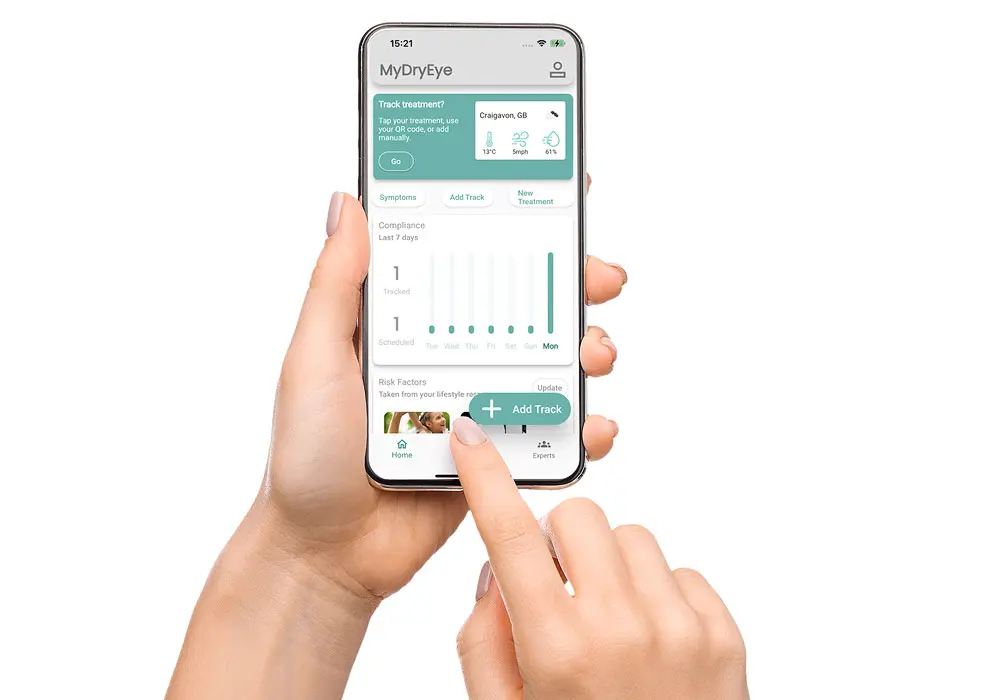
Download TheDryEye – Dry Eye Disease Management App on Appstore and Android
Dry eye disease affects millions of people around the world. According to Professor James Wolffsohn – a leading expert in ophthalmology at Aston University (UK), one of the simplest and most effective solutions is something surprisingly familiar: blinking correctly.
Dry Eye – The Disease of the Digital Age
Statistics show that up to one-third of adults and one-fifth of children suffer from dry eye. The condition occurs when the eyes do not produce enough tears or produce poor-quality tears. Common symptoms include:
- Dryness, stinging, gritty or itchy sensation
- Temporary blurry vision
- Watery eyes, especially when exposed to wind or air conditioning
- Reduced concentration while using digital screens
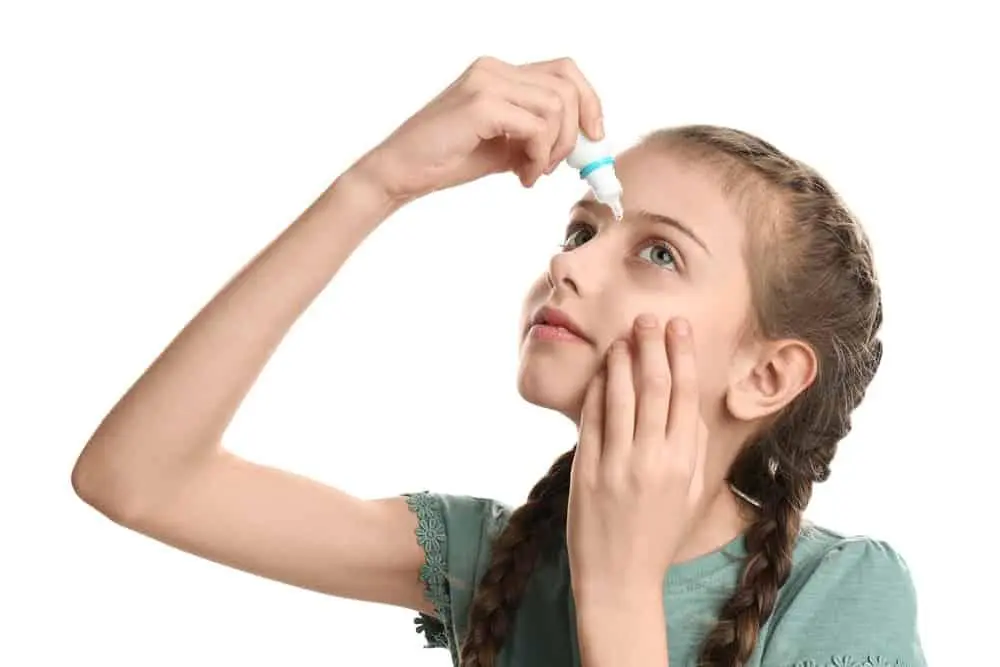
Dry eye in children – not just an adult problem
Common causes include dry indoor air (e.g. from air conditioners), wind, dust, prolonged screen use, constant eye strain due to nearsightedness, astigmatism, and most importantly, incomplete blinking – where the eyelids do not fully close during a blink.
Correct Blinking Technique – A Science-Based Solution
Although blinking is a natural reflex, research shows that we tend to develop poor blinking habits when using digital devices, which accelerates tear evaporation. Professor Wolffsohn conducted two studies to determine the most effective blinking technique to restore normal blinking function and improve dry eye symptoms.
How to Perform the “Close – Squeeze – Blink” Exercise
- Close your eyes fully (close)
- Hold the eyes closed and gently squeeze the eye muscles for 1–2 seconds (squeeze)
- Open your eyes and blink naturally several times (blink)
Repeat this cycle 15 times, three times a day. It takes less than three minutes daily but delivers significant improvements.
Study Results
| Evaluation Parameter | Outcome |
|---|---|
| Number of incomplete blinks | Significantly reduced after 2 weeks |
| Dry eye discomfort severity | Markedly improved during the exercise period |
| Retention of results | Symptoms returned to baseline after stopping the routine for 2 weeks |
The research was conducted on 98 participants (phase 1) and 28 participants (phase 2), randomly assigned to different techniques to identify the optimal one. The results confirm that a proper blinking routine not only alleviates symptoms but also helps restore full blinking habits – often impaired in people who use screens for long hours.
MyDryEye – The App That Guides You Through the Right Blinking Routine
After determining the optimal blinking cycle, Professor Wolffsohn collaborated with Alec Kingsnorth – an engineer and former Aston University PhD student, and Mark Nattriss – business manager of the spin-out company Wolffsohn Research Ltd, to develop MyDryEye, which is now freely available on Android and iOS.
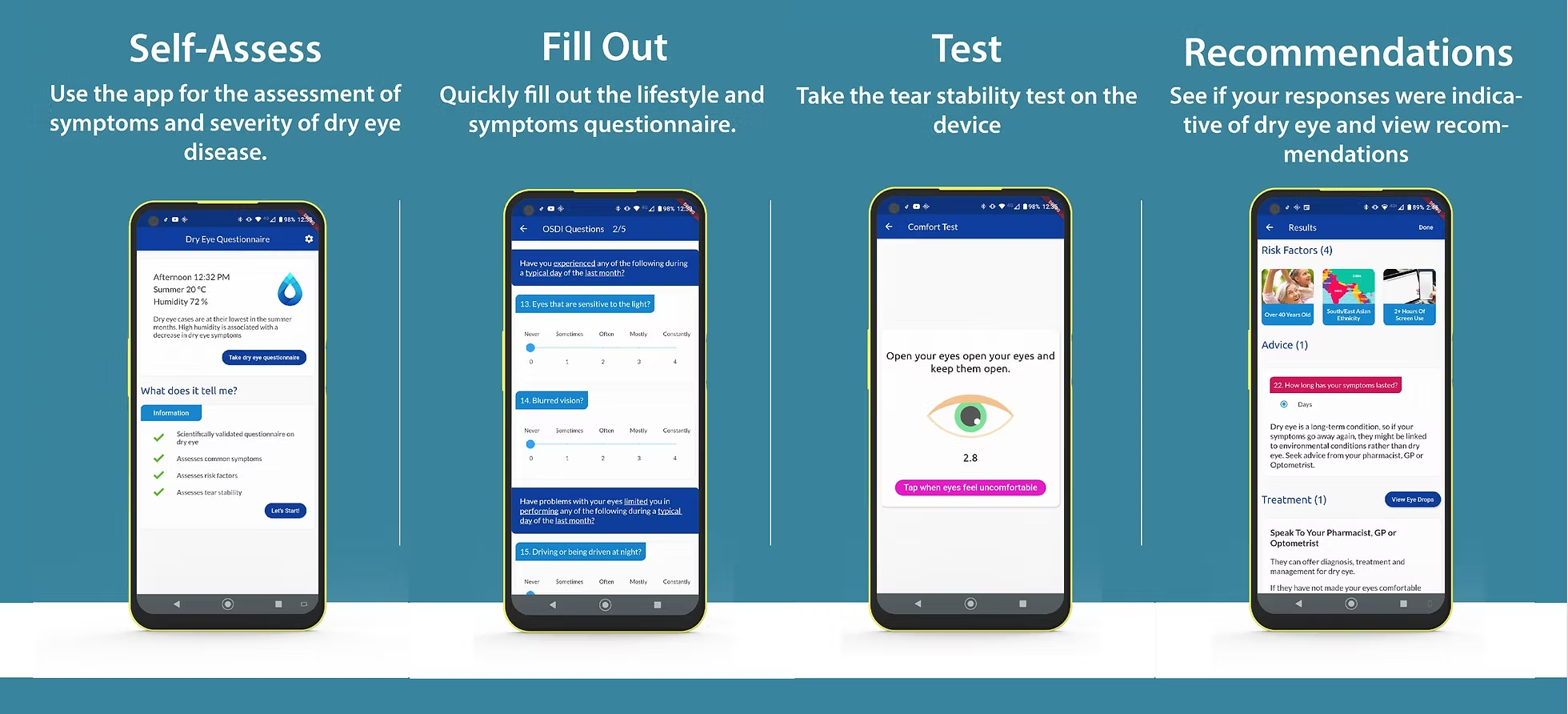
Screenshots of the MyDryEye App features for dry eye symptom tracking, blinking test, and personalized recommendations
Main Features of the MyDryEye App:
- Guided blinking exercises based on scientific protocols
- Timed reminders for daily routines and adherence tracking
- Symptom monitoring and progress tracking
- Dry eye risk assessment and contributing factors
- Find nearby specialists and treatment centers
Blinking Exercises – Best When Combined With Other Therapies
Professor Wolffsohn recommends incorporating blinking exercises into a comprehensive dry eye treatment plan, which may also include:
- Lipid-based artificial tears
- Daily warm compresses to improve meibomian gland function
- Omega-3 supplementation (to enhance tear quality)
Conclusion: Every Blink Can Help Preserve Vision
Research from Aston University proves that just three minutes a day can significantly relieve dry eye symptoms. The MyDryEye app not only provides proper blinking guidance but also supports you in tracking your symptom improvements consistently.
“This research confirmed that blink exercises can be a way of overcoming the bad habit of only partially closing our eyes during a blink, that we develop when using digital devices. The research demonstrated that the most effective way to do the exercises is three times a day, 15 repeats of close, squeeze shut and reopen – just three minutes in total out of your busy lifestyle.
To make it easier, we have made our MyDryEye app freely available on iOS and Android so you can choose when you want to be reminded to do the exercises and for this to map your progress and how it affects your symptoms.”
— Professor James Wolffsohn, Head

 09/02/2026













 0916.741.763
 Appointment