

 vi
vi 17-Dec-2025
 36,480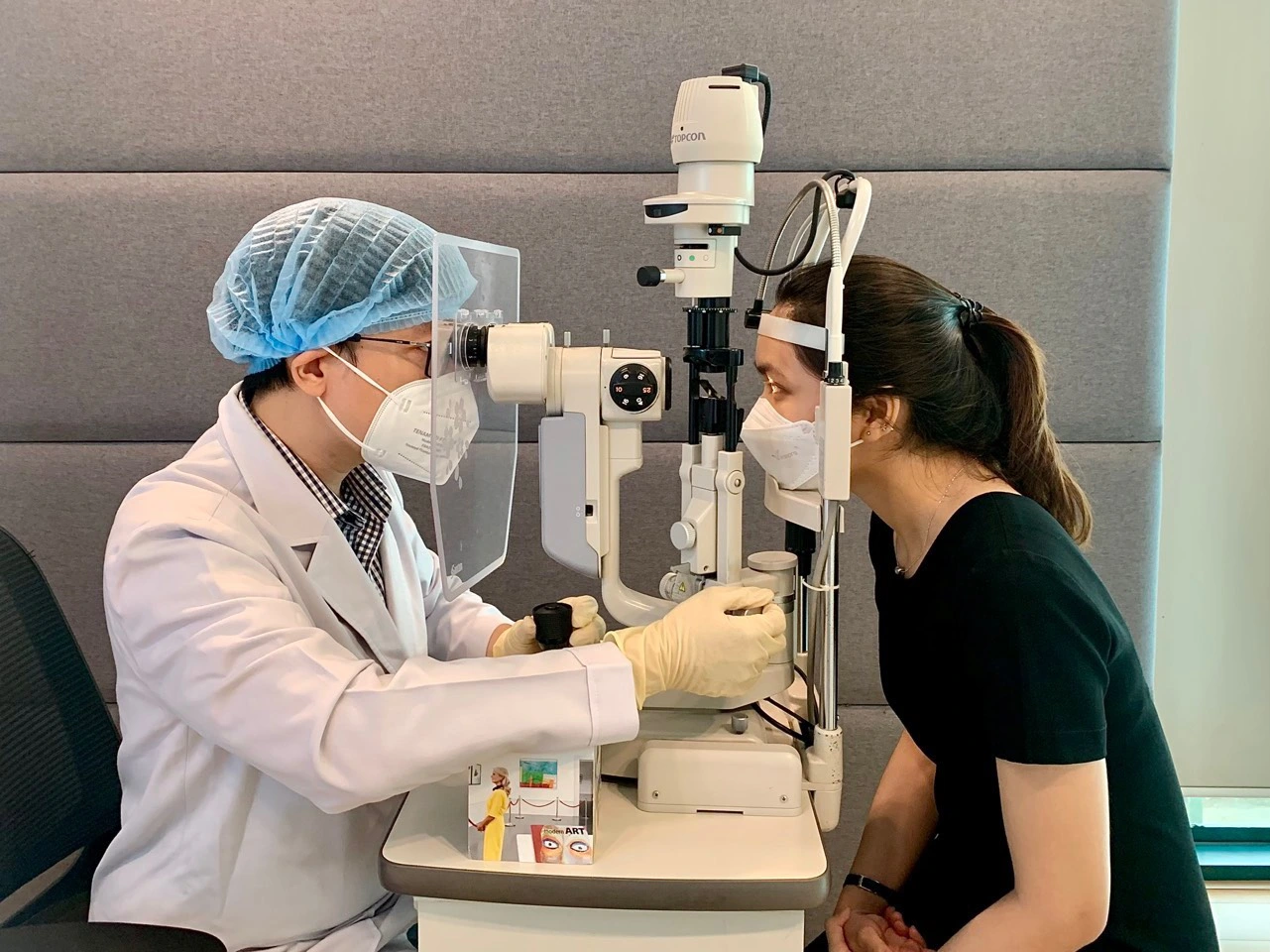
Current Situation
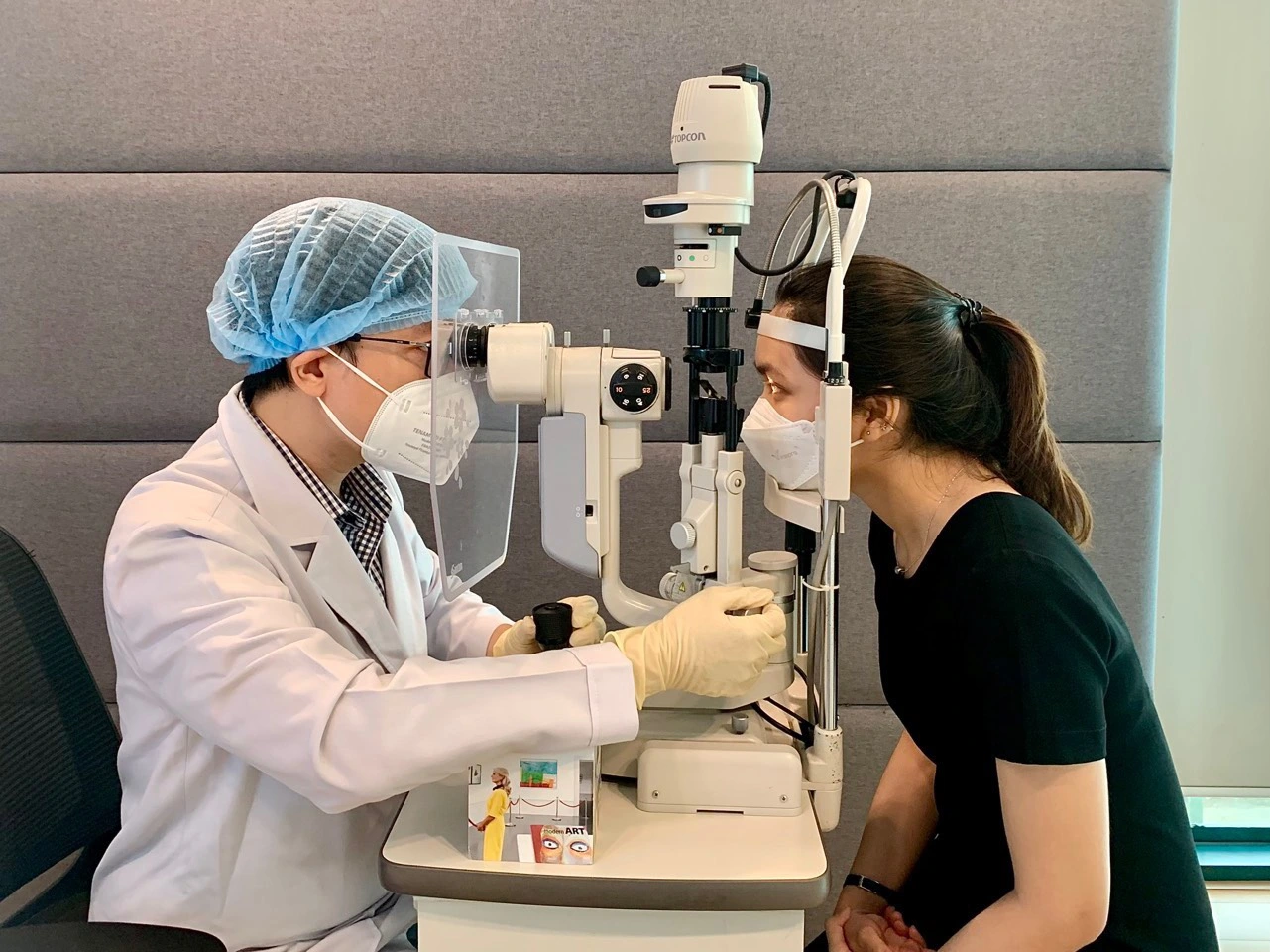
More than 30% of university students suffer from refractive errors
At the VISI 2025 Annual Scientific and Technical Conference, one of the most striking pieces of information for both the medical community and the public was that the rate of refractive errors among university students in Vietnam has exceeded 30%. This figure not only reflects a school health issue, but also poses a long-term challenge to the visual health of the future young workforce.
According to Dr. Tran Thi Khanh Linh from Saigon Eye Hospital Da Lat, refractive errors are currently the leading cause of visual impairment among young people. Among them, myopia accounts for the largest proportion and is increasing rapidly in both prevalence and severity.
Refractive Errors
Not only in Vietnam, refractive errors have become a global public health issue. According to the World Health Organization (WHO), approximately 1–2 billion people worldwide are currently living with uncorrected or inadequately corrected refractive errors.
With regard to myopia specifically, it is the most common refractive error, affecting about 25% of the global population. Data from the Brien Holden Vision Institute (Australia) show that in 2015, the global prevalence of myopia was 23%, and this figure is projected to rise to 50% by 2050. More concerning, high myopia—which significantly increases the risk of retinal complications and long-term vision loss—may affect approximately 10% of the world’s population during the same period.
Why Are University Students a High-Risk Group?
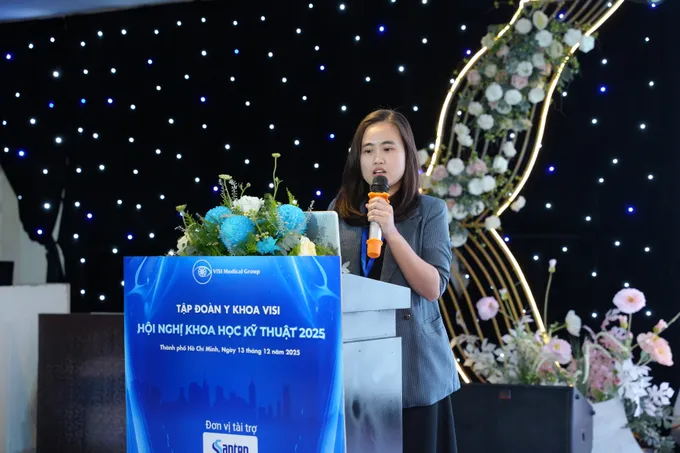
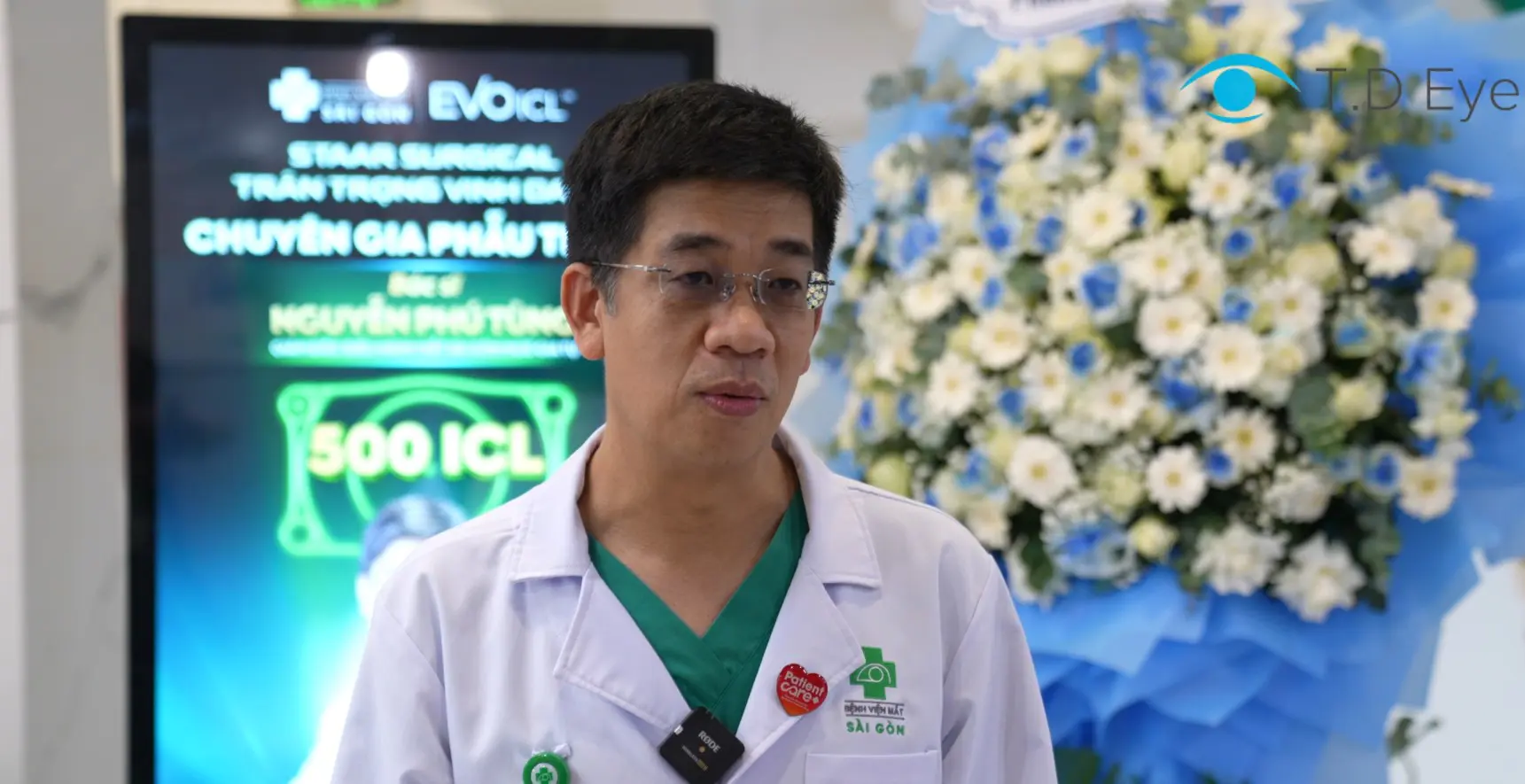
Dr. Tran Thi Khanh Linh – Saigon Eye Hospital Da Lat speaking at VISI 2025
According to reports presented at VISI 2025, the current learning and living environment of university students includes multiple factors that accelerate the progression of refractive errors:
- High-intensity study schedules lasting many hours each day
- Increased use of digital devices such as laptops, smartphones, and tablets
- Reading and studying habits under suboptimal lighting conditions
- Lack of regular eye examinations, especially among students living away from home
Surveys conducted at several universities show that 30% of students have refractive errors, with myopia accounting for up to 28%. Of particular concern is that many cases have progressed to moderate or high myopia without proper monitoring or timely intervention.
Current Methods for Correcting Refractive Errors
According to Dr. Tran Thi Khanh Linh, there are currently various methods to correct refractive errors, ranging from non-invasive options to surgical interventions, including:
- Eyeglasses: simple and widely used, but requiring long-term dependence
- Contact lenses: more flexible but associated with dry eye and infection risks if not used properly
- Refractive surgery: a more definitive solution for adults with stable prescriptions
Among surgical options, laser refractive surgery (LASIK, PRK, etc.) remains the most common choice. However, for individuals with high myopia, thin corneas, or pre-existing dry eye conditions, laser procedures may present several limitations, such as prolonged dry eye, corneal flap complications, or postoperative myopic regression.
Phakic ICL for Complex Refractive Errors
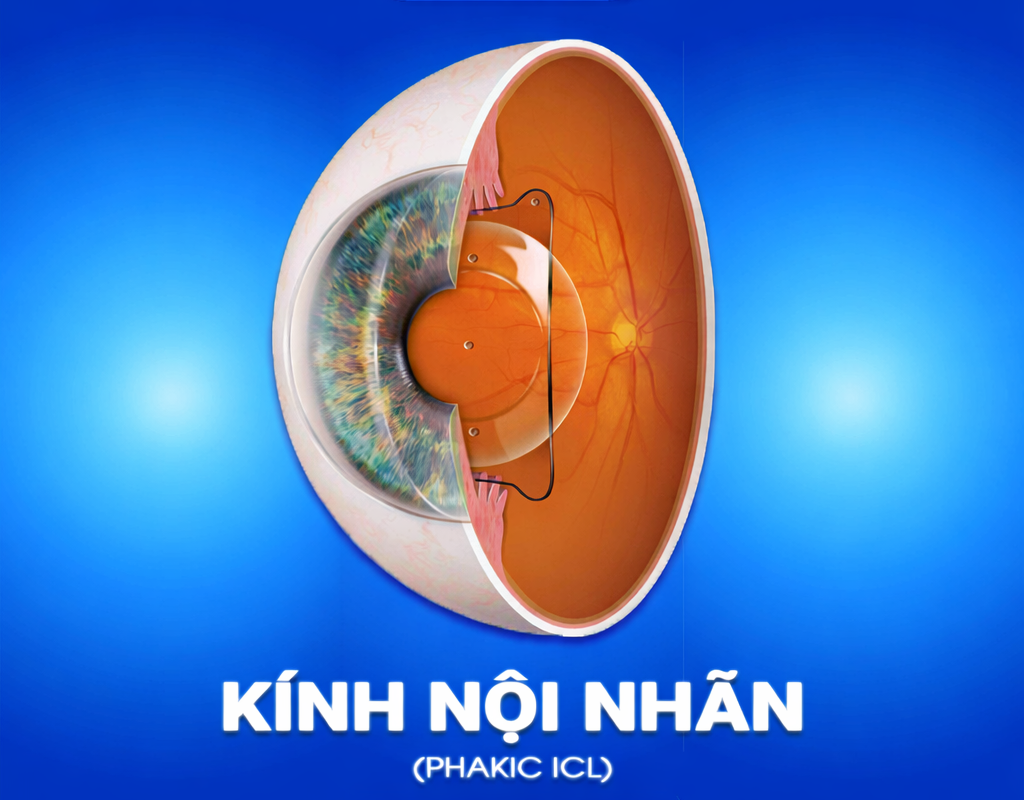
Phakic ICL intraocular lens for complex refractive errors
One highly regarded topic at the conference was the report on Phakic ICL surgery for the treatment of complex refractive errors. This technique has been applied worldwide since 1997, with more than 400,000 procedures performed globally to date.
This method uses a specialized intraocular lens implanted behind the iris and in front of the natural crystalline lens, allowing refractive error correction without altering the corneal structure. As a result, Phakic ICL is particularly suitable for:
- Patients with very high myopia
- Patients with thin corneas
- Patients prone to dry eye or unsuitable for laser refractive surgery
Results from a study involving 15 patients (30 eyes) at Saigon Eye Hospital Da Lat showed that Phakic ICL surgery offers the ability to treat very high myopia, relatively high astigmatism, and cases with thin corneas that are not eligible for other surgical methods, while preserving the natural accommodative function of the crystalline lens and maintaining a low complication rate. Overall, the procedure was found to be safe and provided long-term effectiveness.
Notably, this approach enables the management of severe refractive errors that cannot be adequately addressed by other techniques, offering an additional safe option for young patients seeking long-term vision improvement.
VISI 2025
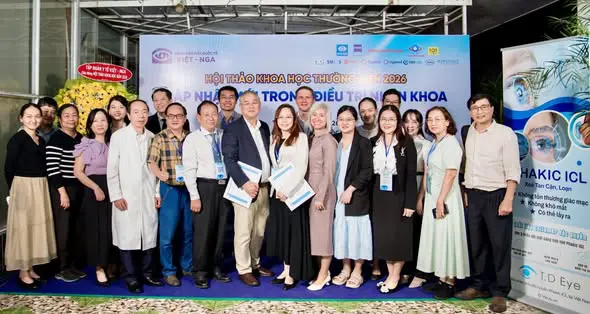
With the theme “Each Eye – A Trust,” VISI 2025 continues to affirm its role as a prestigious academic forum for Vietnam’s ophthalmology community. The conference not only updates the latest technical advances in refractive error management, but also promotes the sharing of clinical experience, scientific research, and professional collaboration among institutions.
The data presented at VISI 2025 serve as a clear reminder that refractive errors in young people are no longer merely an individual issue, but a public health challenge that requires serious attention, early monitoring, and timely intervention.

 09/02/2026











 0916.741.763
 Appointment