

 vi
vi 07-Mar-2026
 1,710
1,710 
Dry Eyes in Cold Weather
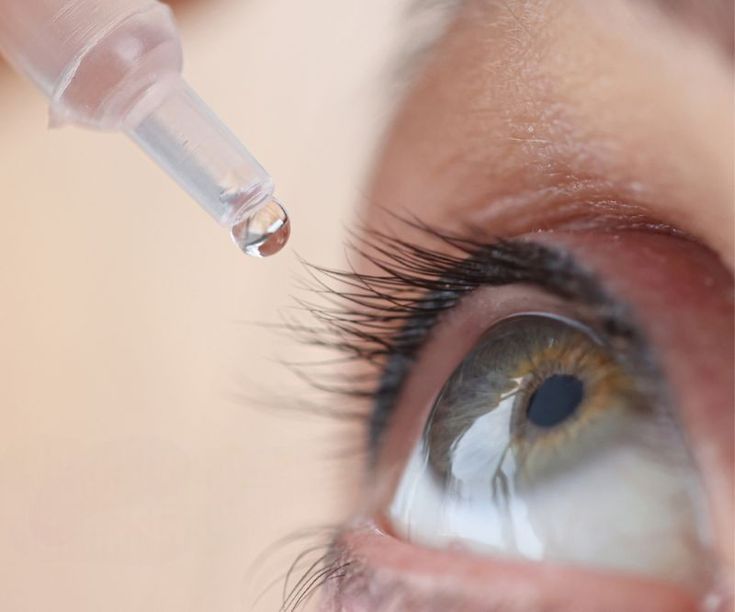
Dry eyes in cold weather
When temperatures drop and the air becomes dry, many people begin to notice uncomfortable eye symptoms such as stinging, eye fatigue, or a gritty sensation as if there is dust in the eye. These are typical signs of dry eye, a condition that occurs when the eyes do not produce enough tears or when the quality of tears is insufficient to maintain proper moisture on the surface of the eye.
Many people believe dry eye only occurs during summer or after spending too much time in front of a computer screen. In reality, cold weather often increases the likelihood of dry eye, especially for people who work in air-conditioned environments or frequently spend time outdoors.
Understanding the causes and applying appropriate preventive measures can help protect the eyes, reduce discomfort, and limit long-term vision problems.
Why Does Cold Weather Cause Dry Eyes?

Why does cold weather cause dry eyes?
Dry eye occurs when the tear film on the surface of the eye becomes imbalanced. This tear film consists of three main layers: an oil layer, a watery layer, and a mucus layer. When any of these layers is insufficient or evaporates too quickly, the eye surface becomes dry and easily irritated.
During cold seasons, several factors contribute to a higher risk of dry eyes:
Low Humidity
Cold weather is often accompanied by low humidity. When the air is dry, tears evaporate faster than normal. As a result, the eyes cannot maintain stable moisture, leading to dryness and irritation.
Cold Wind and Outdoor Exposure
Cold wind blowing directly into the eyes accelerates tear evaporation. People who frequently ride motorbikes, walk outdoors, or work outside during the cold season often face a higher risk of developing dry eyes.
Dry Indoor Air
Many households use two-way air conditioners, heaters, or warming fans during colder months. These devices reduce indoor humidity, causing the eyes to remain in a dry environment for extended periods.
Reduced Water Intake
In cold weather, people tend to drink less water. This can lead to mild dehydration, which may affect the body’s ability to produce sufficient tears.
Common Symptoms of Dry Eyes
Dry eye does not only cause discomfort but can also affect vision quality if it persists. Some common symptoms include:
- A dry, burning, or stinging sensation in the eyes
- Red or easily irritated eyes
- A gritty feeling, as if something is in the eye
- Temporary blurred vision
- Watery eyes despite feeling dry
- Discomfort when wearing contact lenses
- Eye fatigue during prolonged work
If these symptoms appear frequently, especially during colder seasons, it is important to take proper care of your eyes to prevent persistent dry eye problems.
How to Prevent Dry Eyes in Cold Weather

Prevent dry eyes effectively with just a glass of water
To reduce the risk of dry eyes during cold weather, you can apply several simple daily habits. Even small lifestyle changes can significantly improve eye comfort.
Use Artificial Tears When Needed
One of the most common ways to relieve dry eyes is by using artificial tears. These eye drops help supplement moisture and improve the tear film on the eye surface.
There are many types of artificial tears available on the market today. If you need to use them frequently, preservative-free options are often recommended to reduce the risk of eye irritation.
Artificial tears can be used multiple times a day depending on the severity of dryness, especially when working long hours in front of screens or staying in air-conditioned environments.
Blink Frequently While Working
When focusing on computer screens, smartphones, or reading for long periods, our blinking frequency decreases significantly. This prevents tears from spreading evenly across the eye surface, leading to dryness.
A simple way to reduce this issue is to apply the 20-20-20 rule. After every 20 minutes of work, look at an object about 6 meters away for 20 seconds. This habit helps relax the eyes and reduce dryness effectively.
Drink Enough Water Daily
The body requires sufficient water to maintain many physiological functions, including tear production. If the body becomes dehydrated, tear secretion may decrease. Even in cold weather, you should maintain a daily intake of about 1.5 to 2 liters of water to keep your body and eyes properly hydrated.
Protect Your Eyes Outdoors
When going outside in cold weather, especially in windy conditions, wearing protective glasses can help shield your eyes. Glasses help reduce exposure to wind, dust, and cold air that may irritate the eye surface.
This simple measure can significantly lower the risk of eye dryness and irritation.
Avoid Direct Airflow to the Eyes
At home or in the car, many people turn on air conditioners or heaters directly toward their face. This airflow can accelerate tear evaporation and worsen dry eye symptoms.
Adjust the direction of airflow away from your face or reduce the fan intensity to better protect your eyes.
Home Care Methods for Eye Comfort
In addition to lifestyle adjustments, several simple home care methods can help improve dry eye symptoms during colder months.
1. Use a Humidifier
A humidifier helps increase the moisture level in indoor air, which is particularly beneficial when using air conditioning or heaters. Proper humidity can reduce tear evaporation. Placing a humidifier in your bedroom or workspace can improve the environment for your eyes.
2. Warm Compress for the Eyes
Warm compresses can help stimulate the meibomian glands. These glands produce the oil layer of tears, which helps prevent evaporation and maintain moisture. You can apply a warm towel over your eyes for about 5 to 10 minutes each day to relax your eyes and reduce dryness.
3. Eyelid Hygiene
Cleaning the eyelid area helps remove debris and excess oil while supporting the normal function of the oil-secreting glands. This is an important eye care step that many people often overlook.
When Should You See an Eye Doctor?
In many cases, dry eye is temporary and can improve with home care. However, you should visit an eye clinic if:
- Dry eyes persist for several weeks
- Eyes become very red or painful
- Vision noticeably decreases
- Symptoms do not improve despite using artificial tears
An eye doctor may recommend appropriate treatments such as specialized eye drops, tear gland therapy, or other medical interventions.
Maintaining healthy daily habits, drinking enough water, protecting your eyes outdoors, and applying proper eye care measures can significantly reduce the risk of dry eyes during cold weather. If symptoms persist or become severe, seeking professional eye care is an important step to protect long-term vision health.

 03/03/2026













 0916.741.763
 Appointment