

 vi
vi 21-Aug-2025
 120,745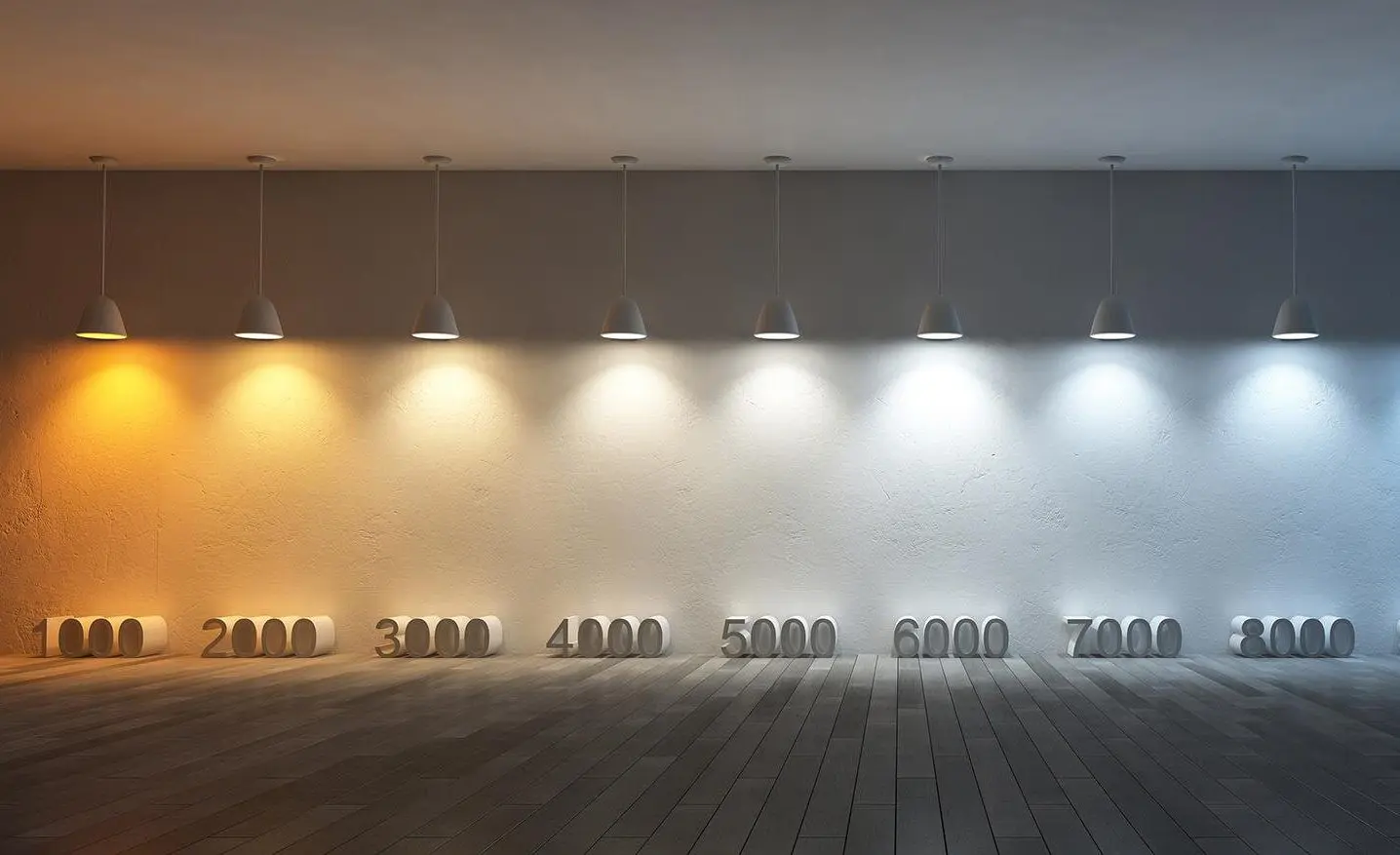
Overview of Light
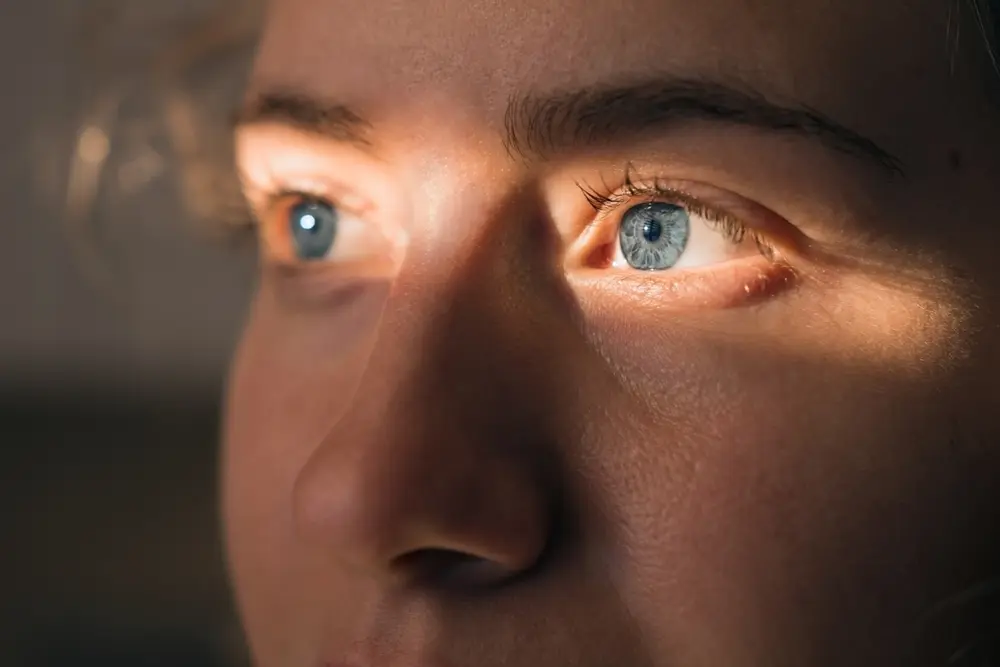
The eyes are always sensitive to light.
Light is an essential element of life, helping the eyes see clearly and the brain receive images. However, not all light is good light. Basically, light is divided into:
- Natural light: from the sun, with a balanced spectrum, greatly affecting the biological clock, and considered a form of good light for the eyes.
- Artificial light: from electric lamps, computer screens, TVs, and smartphones, which may include both beneficial and harmful light.
- Infrared and ultraviolet (UV) light: invisible to the eyes but capable of causing long-term damage.
Understanding the nature of good light and harmful light will help you protect your vision more effectively.
Why is light important for the eyes?
Human eyes are very sensitive to the intensity and wavelength of light. Suitable good light helps:
- Reduce eye strain and headaches when working.
- Maintain circadian rhythm.
- Limit the risk of macular degeneration and dry eye.
- Improve focus and enhance sleep quality.
On the other hand, unsuitable light can impair vision and increase the risk of eye disease.
Common types of light and their effects on the eyes
| Type of light | Characteristics | Impact on the eyes | Usage recommendation |
|---|---|---|---|
| Natural light (morning sunlight) | Rich in blue light, balanced spectrum | Helps regulate circadian rhythm, improves daytime vision | Considered the best light, should be utilized when studying or working |
| Yellow light (3000–4000K) | Soft, warm, less glare | Reduces eye strain, good for reading and relaxing | A form of good light for evening, bedroom, or living room use |
| White light (5000–6500K) | Bright, high intensity | May cause glare and eye strain with prolonged use | Suitable for workspaces and offices, but should not be overused |
| Blue light from screens | Short wavelength, high energy | Causes eye strain, sleep disturbances | Not good light, should limit long exposure |
Effects of blue light on the eyes
The front structure of the eye (cornea and lens) blocks most UV rays, but almost all blue light passes through to the retina. This makes blue light particularly harmful if overexposed.
When applied in electronic screens (smartphones, computers, TVs), blue light has a strong scattering characteristic, easily causing “visual noise” and forcing the eyes to adjust more. Common consequences include Digital Eye Strain with symptoms such as:
- Eye fatigue, dryness after hours of screen use.
- Temporary blurred vision, difficulty concentrating.
- Headaches, insomnia due to circadian rhythm disruption.
In modern life, we are almost constantly exposed to blue light all day, even after the sun sets. Therefore, recognizing and reducing artificial blue light exposure is one of the key steps to protect eyes from premature aging and retinal diseases.
Yellow light or white light: which is better?
Many people wonder whether to choose yellow light or white light to protect their eyes. In reality, each type of light has its own advantages and disadvantages, suitable for different situations:
- Yellow light: This is a form of good light, with a longer wavelength and softer intensity. Yellow light creates a warm atmosphere, helping the eyes relax and reducing dryness and strain when reading or resting. Therefore, it is often recommended for evening use, in bedrooms, living rooms, or when a comfortable environment is needed.
- White light: Has shorter wavelengths, stronger intensity, and creates a clear, alert effect. This light is often used in offices, classrooms, or workspaces, as it supports concentration and efficiency when observing details. However, prolonged use may cause glare and eye fatigue.
Conclusion: Neither type of light is completely better than the other. The important thing is to combine yellow and white light flexibly depending on the time and purpose of use. In the morning and midday, white light enhances alertness and work efficiency; in the evening, yellow light is optimal for rest and relaxation.
Common mistakes when choosing light
- Using strong white light all day → not good light for the eyes.
- Reading under dim light → increases risk of myopia.
- Not making use of natural light – the best source of light for the eyes.
- Prolonged exposure to blue light without eye protection.
Ophthalmologist’s advice
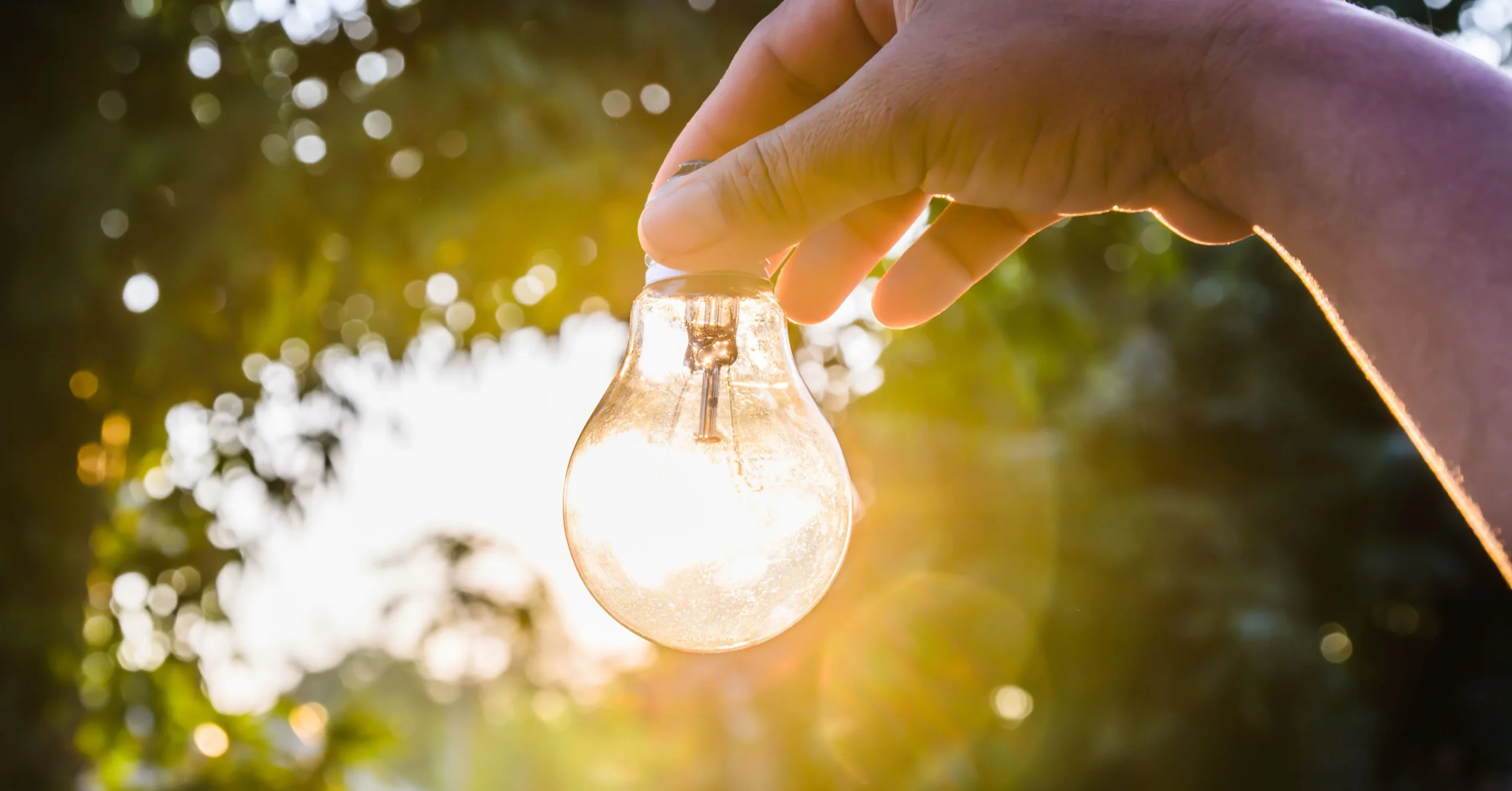
Natural light – the best source of good light for eye health and circadian rhythm.
- Take advantage of morning natural light.
- Prioritize LED lamps with yellow or neutral tones – considered good light for nighttime.
- Limit blue light from screens by:
- Wearing blue light blocking glasses.
- Activating Night Shift / Eye Comfort mode on smartphones and laptops.
- Follow the 20-20-20 rule: Every 20 minutes, look at something 20 feet away for 20 seconds.
In conclusion, light can both support and harm the eyes. Knowing how to distinguish between good light and harmful light helps you create a safe environment for living, studying, and working. Combine yellow and white light reasonably, limit blue light, and maintain scientific eye-care habits to ensure long-term healthy vision.

 01/02/2026












 0916.741.763
 Appointment