

 vi
vi 15-Dec-2025
 13,680
 What Is Ocular Accommodation?
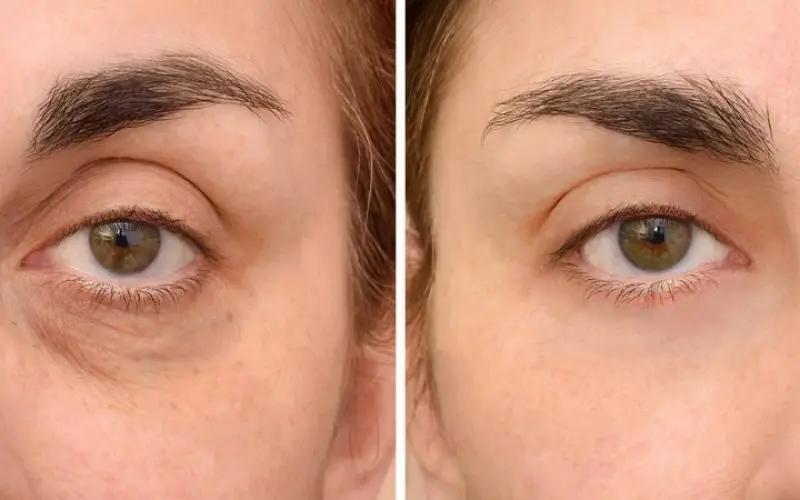
Differences in the mechanism of ocular accommodation at ages 20 and 50
Ocular accommodation is one of the most delicate functions of the visual system, allowing people to see clearly at different distances—from phone screens and book pages to faraway objects. However, this ability does not remain constant throughout life and gradually declines with age. Differences in the mechanism of ocular accommodation between the ages of 20 and 50 are the main reason many people entering middle age begin to experience blurred near vision, eye strain, or persistent headaches.
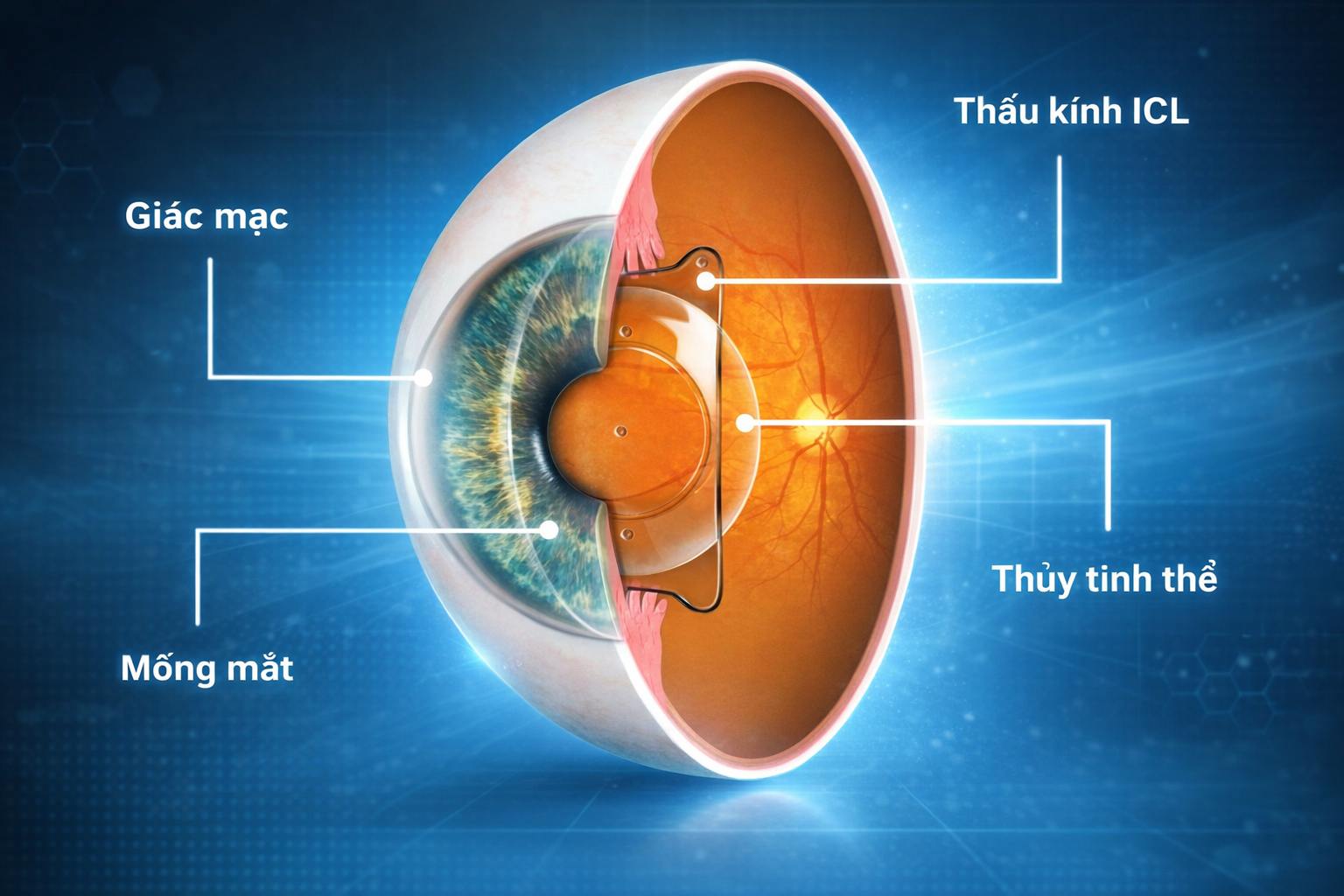
Ocular accommodation refers to the eye’s ability to change its refractive power so that images are consistently focused on the retina. This mechanism works through the coordinated action of the crystalline lens and the zonular fibers (Zinn’s ligaments). When viewing near objects, the zonular fibers contract and the crystalline lens becomes more convex to increase focusing power; when viewing distant objects, the lens flattens to reduce refractive power.
In a healthy state, ocular accommodation operates smoothly and causes little to no discomfort. Over time, however, the crystalline lens gradually loses its elasticity— a key factor that determines the effectiveness of accommodation.
Ocular Accommodation at Age 20

Ocular accommodation at age 20
At the age of 20, the eye’s accommodative system operates at nearly optimal efficiency. The average accommodative amplitude ranges from 7–10 diopters (D), allowing the eyes to easily adapt when continuously shifting between near and far vision.
Key characteristics of ocular accommodation at age 20 include:
- A soft, highly elastic crystalline lens
- Flexible and responsive zonular fibers
- Clear near vision even under suboptimal lighting conditions
- Rare occurrence of eye strain or accommodation-related headaches
As a result, young adults can study and work with digital devices for extended periods with minimal visual discomfort. Even in cases of mild hyperopia, accommodative ability is often strong enough to compensate, causing many people to remain unaware of underlying refractive errors.
Ocular Accommodation at Age 50
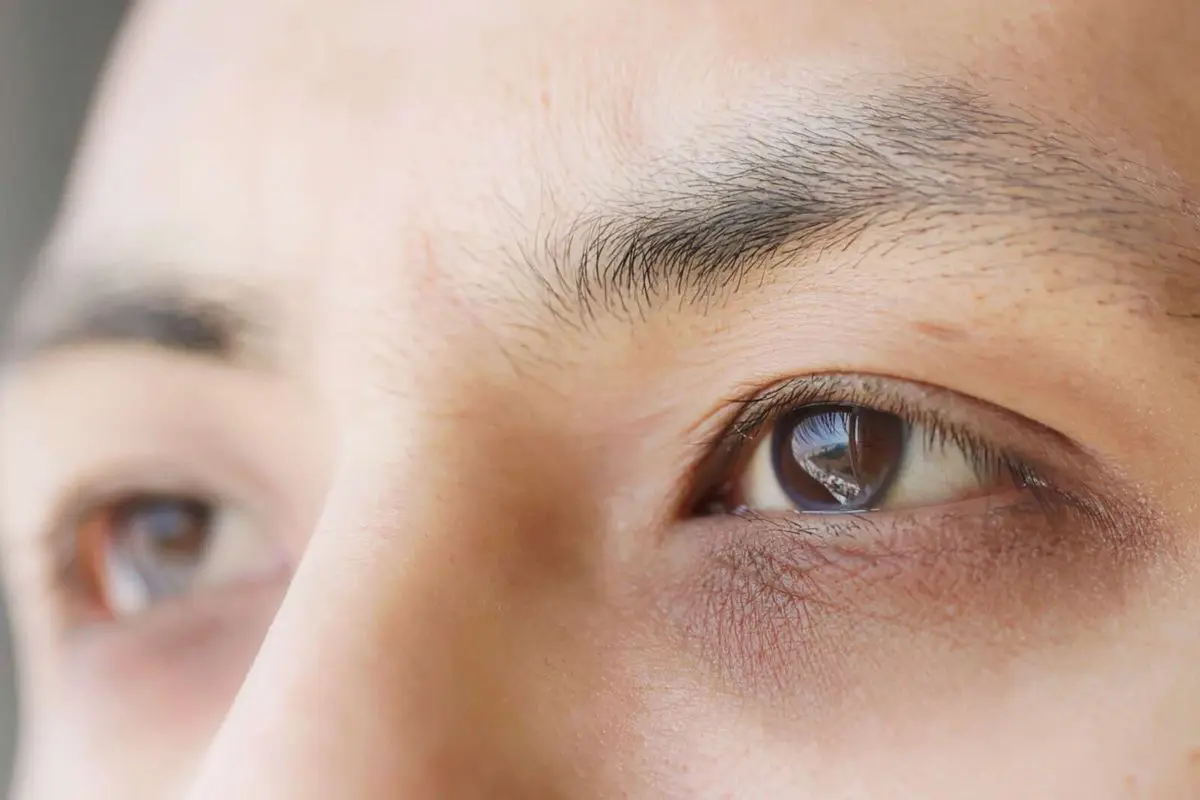
Ocular accommodation at age 50 is only about 0.50 D
In stark contrast, ocular accommodation at age 50 is reduced to approximately 0.50 D, more than a 90% decrease compared to age 20. This decline occurs gradually over many years but typically becomes noticeable between the ages of 42 and 55, when presbyopia develops.
The main reasons include:
- The crystalline lens becomes stiffer and less elastic
- Zonular fibers lose their effective contractile ability
- The ability to change refractive power becomes minimal
As a result, the eyes can no longer automatically adjust for near vision, leading to common symptoms such as:
- Blurred vision when reading or using a phone
- Needing to hold objects farther away to see clearly
- Eye strain and headaches after prolonged near work
- A greater need for brighter lighting when reading
This condition is known as presbyopia, a natural physiological consequence of ocular aging. Although not a disease, it significantly affects quality of life.
Quick Comparison of Ocular Accommodation at Ages 20 and 50
| Criteria | Age 20 | Age 50 |
|---|---|---|
| Accommodative amplitude | 7–10 D | ~0.50 D |
| Crystalline lens elasticity | High | Significantly reduced |
| Near vision | Clear, effortless | Blurred, requires correction |
| Eye strain | Rare | Frequent |
| Ability to compensate for refractive errors | Good | Minimal to none |
These differences explain why, under the same workload, younger individuals experience fewer visual problems than middle-aged adults.
Risks Associated With Age 50
In addition to presbyopia, individuals over 50 face a higher risk of various conditions related to the optic nerve and blood circulation:
- Non-arteritic anterior ischemic optic neuropathy (NAION)
- Stroke, often presenting as transient blurred vision
- Sagging eye syndrome, which can cause strabismus and diplopia
These conditions are not directly caused by reduced accommodation, but age-related visual decline can make early detection more difficult without regular eye examinations.
Diagnosis and Intervention When Accommodation Declines
To accurately assess accommodative function, ophthalmologists typically perform:
- Distance and near visual acuity testing
- Objective refraction measurement
- Retinoscopy to detect latent hyperopia
Identifying latent hyperopia is particularly important, as it can accelerate the decline of ocular accommodation, especially in middle-aged patients.
Common intervention strategies include:
- Reading glasses, bifocal or progressive lenses
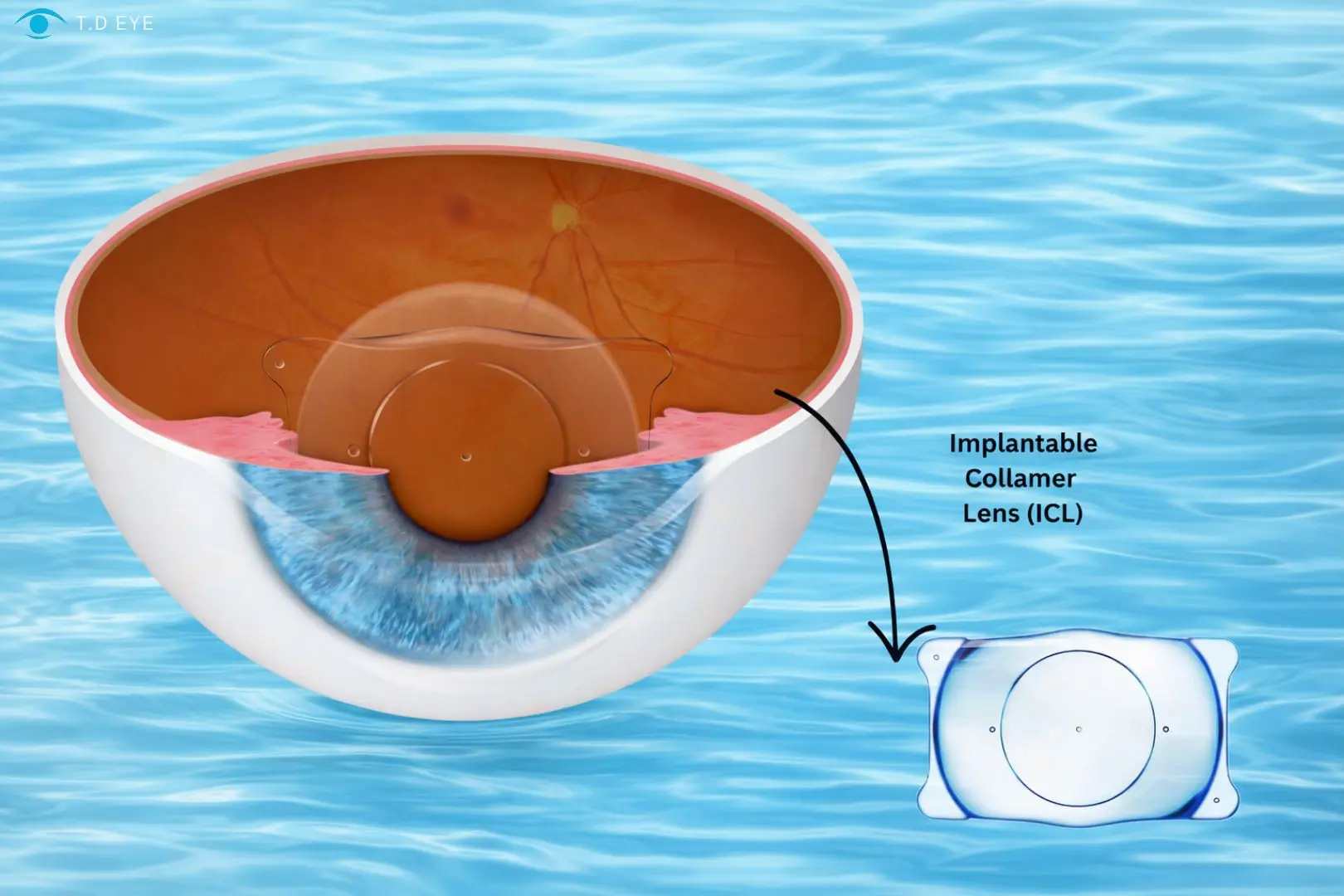
- Refractive surgery tailored to age and ocular condition
- Lifestyle adjustments, proper lighting, and managing near-work duration
The goal is not to fully “restore” accommodation, but to reduce accommodative strain and improve overall visual quality.
Tips to Preserve Accommodative Function With Age
Although aging cannot be completely prevented, you can slow the decline of ocular accommodation by:
- Taking regular breaks during prolonged near work
- Ensuring adequate lighting
- Scheduling regular comprehensive eye exams after age 40
- Effectively managing systemic conditions such as hypertension and diabetes
Early awareness of changes in ocular accommodation allows you to adapt proactively, preventing minor symptoms from having long-term effects on vision and overall quality of life.

 01/02/2026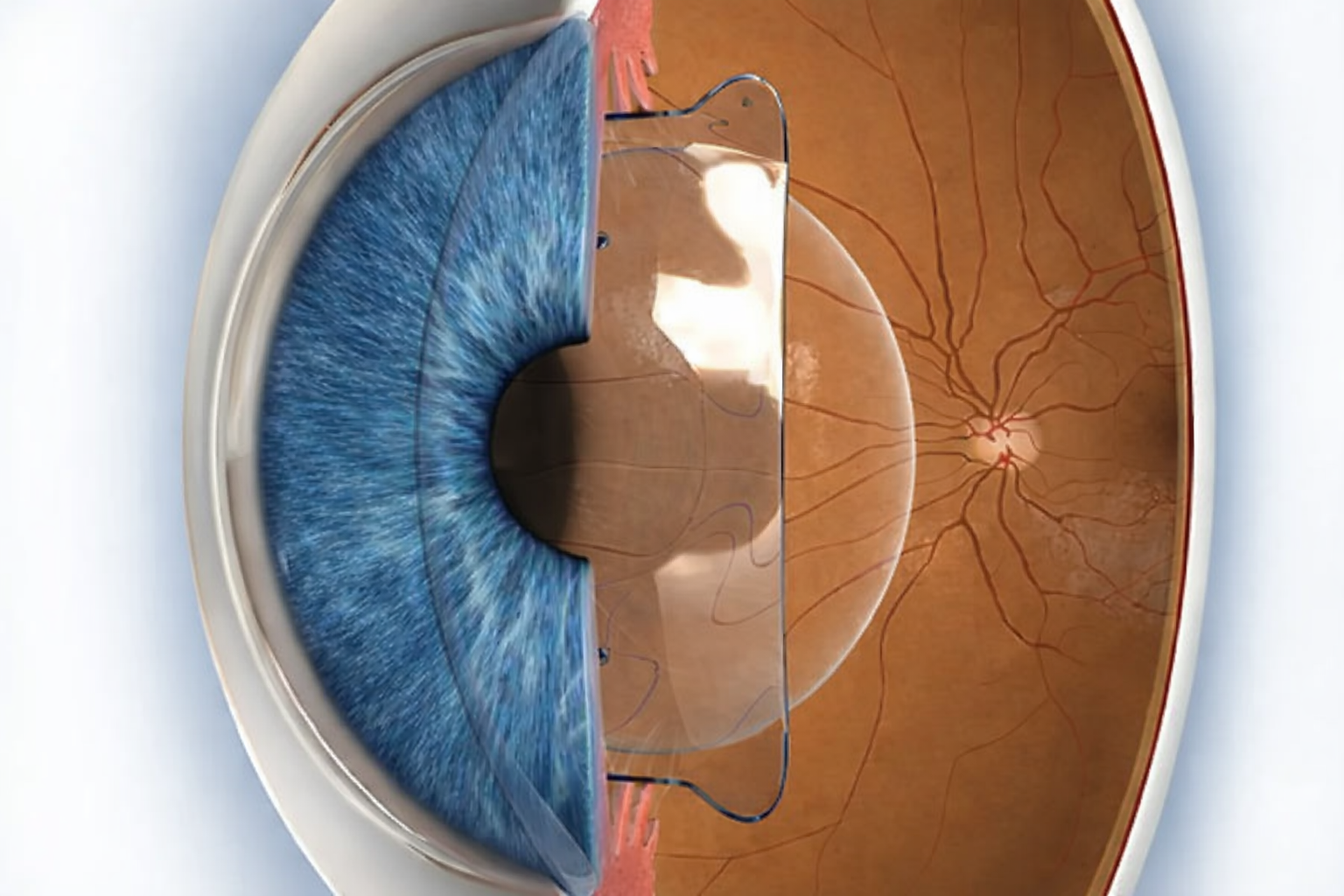












 0916.741.763
 Appointment